


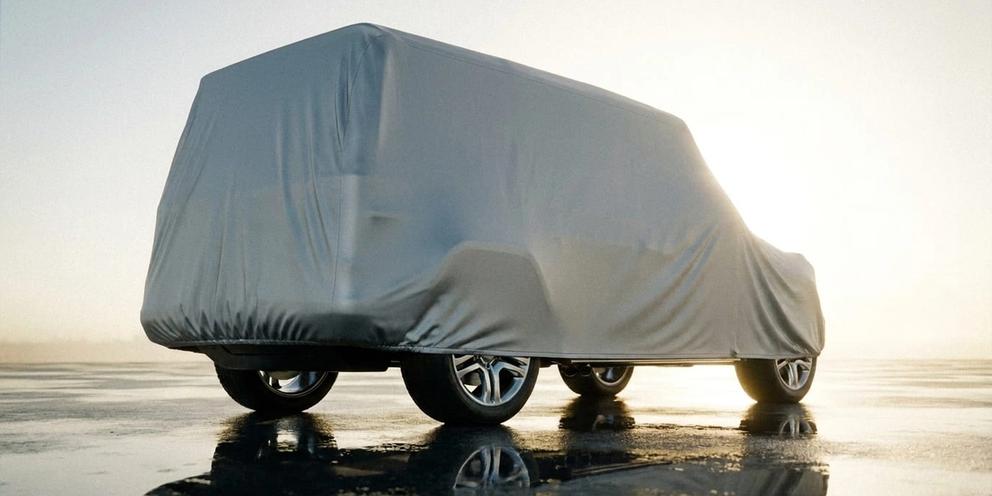
Custom-Fit vs. Universal Car Cover for Your Dodge Durango: Which One Actually Protects It?
Custom-Fit or Universal: The Real Decision Durango Owners Face
If you're shopping for protection for your SUV, you've probably landed on two very different products wearing the same name. One is built to the Durango's actual shape. The other is built to fit "most SUVs," which usually means it fits none of them particularly well. That's the real decision here, not brand versus brand, but fit type versus fit type.
This article compares the two head to head using things you can actually measure: how closely the fabric follows the body, how it handles wind and rain, and how long it holds up before you're shopping for a replacement. No marketing fluff, just the practical differences that matter once the cover is on your driveway and the weather turns.
Here's why this matters more for a Durango than for, say, a Camry. Roof rails, a tow hitch on many trims, a raked rear spoiler, and three genuinely different body generations (1998-2003, 2004-2009, and 2011-present) mean the Durango's silhouette isn't simple. A custom fit car cover for Dodge Durango has to account for all of that. A universal cover just guesses.
What 'Custom-Fit' Actually Means for a Dodge Durango
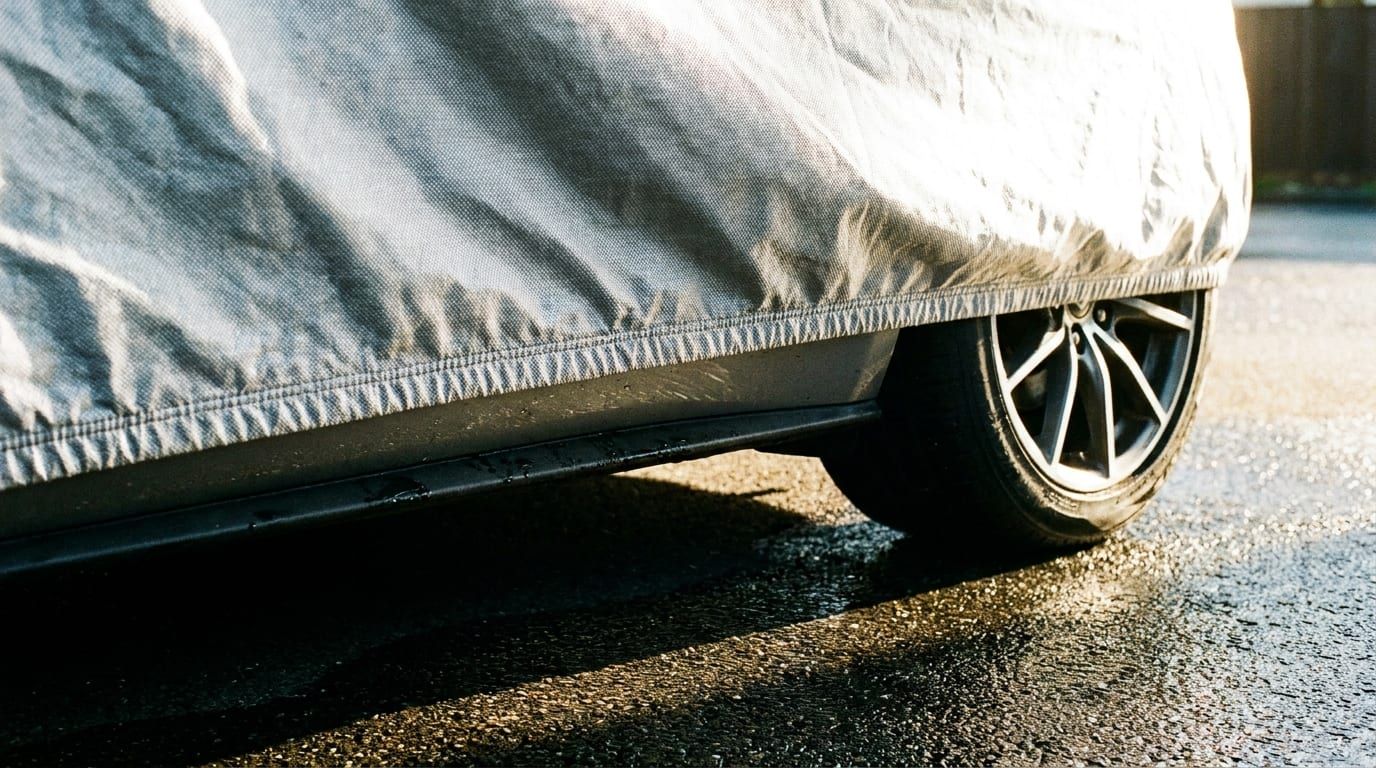
Custom-fit doesn't mean "available in a size that's close." It means the cover is patterned to the Durango's factory dimensions, generation by generation, because a 2002 Durango and a 2023 Durango aren't the same vehicle wearing the same badge. The rooflines differ. The rear glass angle differs. Even the wheelbase changed as the model grew larger over the years.
A true custom pattern accounts for the roofline slope from windshield to rear glass, the angle of the liftgate, the wheelbase length, and where the side mirrors sit relative to the front doors. Get any one of those wrong and you end up with a cover that either doesn't reach the ground or bags out in places it shouldn't.
Universal covers skip all of that. They're sized in broad ranges, something like "fits SUVs 187 to 206 inches," and they lean on elastic hems or drawstrings to cinch up whatever slack is left over. That's a workaround, not a fit. It's the difference between a suit cut to your measurements and one pulled off a rack and pinned in the back. Understanding what size car cover fits your vehicle is step one, but size range alone doesn't tell you about shape accuracy, and shape is where the Durango's design gets specific.
Custom-Fit vs. Universal for the Durango: Head-to-Head Comparison
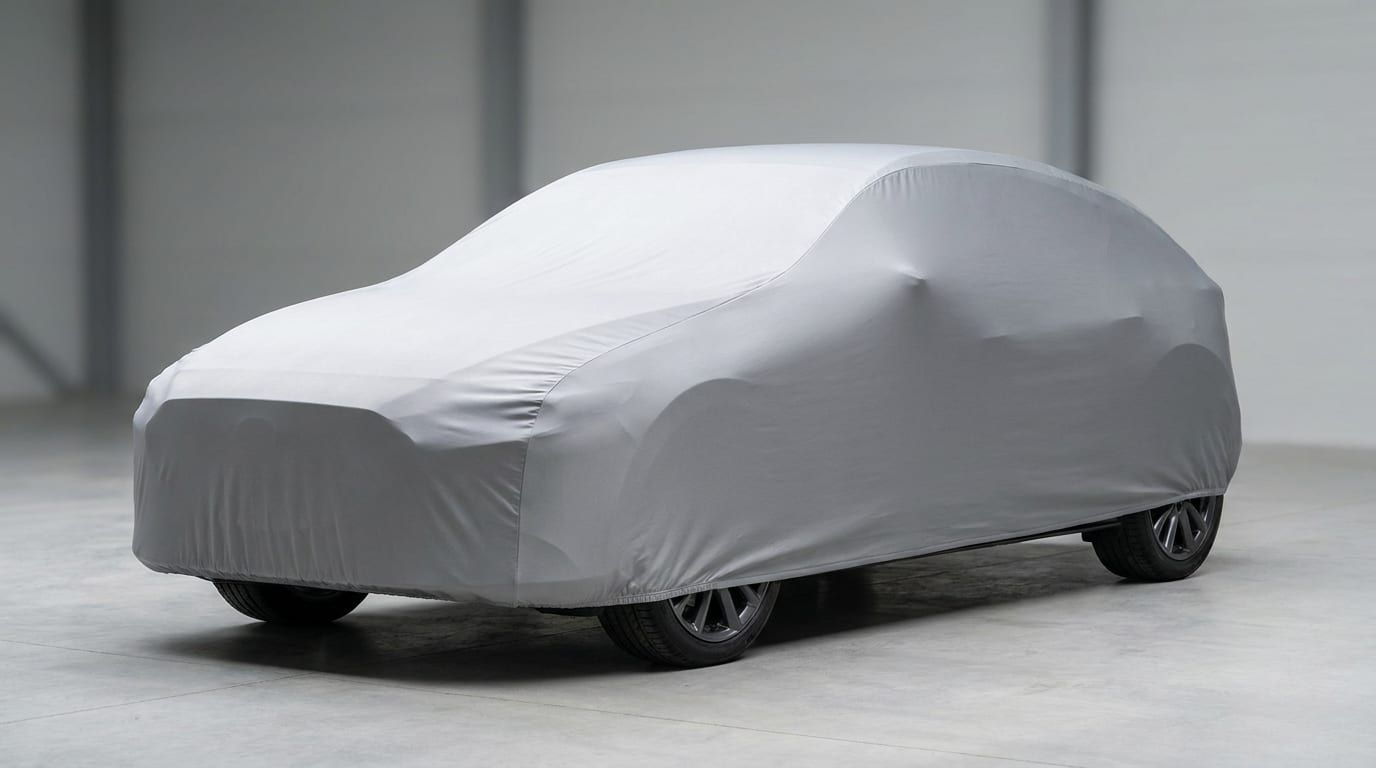
Let's put the two side by side on the factors that actually decide whether a cover protects your Durango or just sits on top of it.
Fit Accuracy
- Custom-fit: Follows the Durango's exact body lines with minimal excess fabric anywhere
- Universal: Loose material pools at the bumpers and around the rear liftgate
Wind Performance
- Custom-fit: Tailored hem and tension points resist flapping and lift, even in gusty conditions
- Universal: Looser fit flaps in wind, chafes paint over time, and can blow off entirely in a storm
Coverage of Durango-Specific Features
- Custom-fit: Built with the roof rails, side mirrors, and rear spoiler in mind
- Universal: Bunches around these protrusions or leaves them exposed altogether
Weather Sealing
- Custom-fit: Tailored seams close off the gaps where rain and snow would otherwise get in
- Universal: Excess material at the hemline creates entry points for moisture
Installation Time
- Custom-fit: Goes on in one motion because it's already shaped to match the body
- Universal: Requires more tucking, adjusting, and strap tightening to take up the slack
Price Point
- Custom-fit: Costs more upfront because of the model-specific patterning
- Universal: Cheaper at checkout, but often needs replacing sooner due to fit-related wear
Durability from Fit-Related Wear
- Custom-fit: Snug fit means less fabric movement, so less rubbing against paint
- Universal: Loose fit creates friction points that can cause micro-scratching from repeated wind movement
Tailoring by Trim/Generation
- Custom-fit: Differentiates between Durango generations and offers cutouts for add-ons like roof rails
- Universal: One generic shape, regardless of trim or model year
Honestly, the wind performance line is the one that trips people up most. It sounds minor until you've watched a loose cover thrash around in a windstorm, working a hole into itself against a mirror or side trim. That's not hypothetical wear, that's the fabric doing damage to itself and the paint underneath. A properly fitted custom-fit car cover eliminates most of that movement because there's nothing loose left to move.
When a Universal Cover Might Be 'Good Enough' for a Durango
Not every situation calls for the tailored option, and it'd be dishonest to pretend otherwise.
If your Durango lives in a garage and only needs protection from dust, a universal cover's loose fit barely matters. Wind and rain aren't in play indoors, so the precision that matters outdoors just isn't doing much work in that scenario.
Same goes for anyone planning to sell or trade the Durango soon. Investing in a pattern matched to your exact generation and trim doesn't make much sense if you won't own the vehicle long enough to get the benefit.
And keeping a cheap universal cover in the cargo area as a backup, for the unexpected hailstorm or overnight parking situation, is reasonable. Just don't confuse that with a long-term protection plan. Think of it as a spare tire, not your daily driver.
Where Universal Covers Fall Short on the Durango's Body Shape
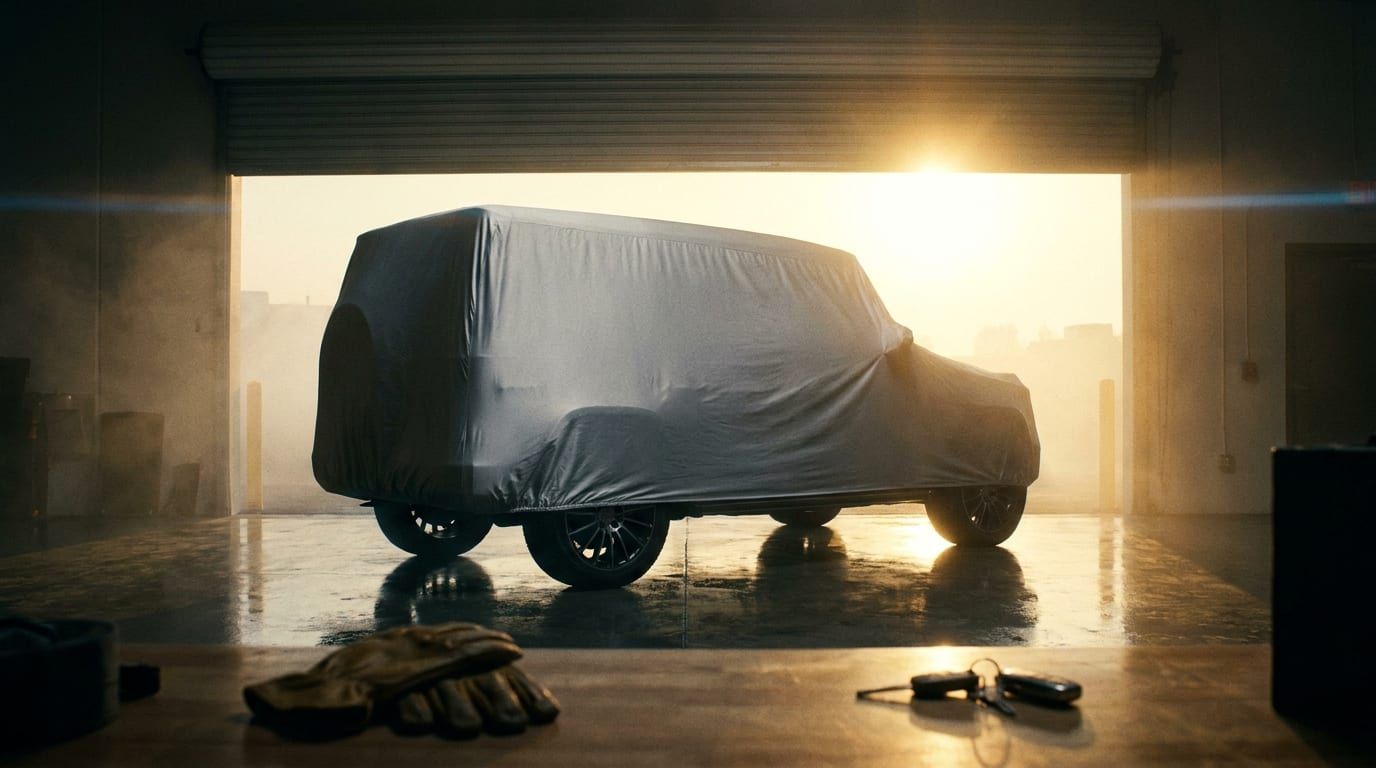
This is where the generic approach really shows its limits, because the Durango has features a "fits most SUVs" pattern simply wasn't drawn around.
Roof rails are the first problem. Universal covers tend to drape right over them instead of routing around, which creates low points where water collects instead of running off the sides like it should.
The rear spoiler and liftgate angle cause the same kind of trouble. The Durango's rear glass is raked, and the spoiler ridge sits right where a generic shape expects flat roofline. Universal covers either leave a gap there or bunch up trying to compensate.
Side mirrors get the stretch-and-hope treatment, too. Without a shaped pocket for them, the fabric just pulls tight over the mirror caps, and that's exactly the kind of loose flapping point that leads to scuffed paint.
Tow hitch and rear bumper coverage is a bigger issue than people expect. On Durangos with a tow package, universal covers frequently ride up in back, leaving the hitch and bumper exposed to the elements they're supposed to be covered from.
And on higher trims with larger wheel and tire packages or hood scoops, the fit gaps at the wheel wells widen even further. The generic shape was never drawn with those details in mind, so it shows.
How to Choose the Right Custom-Fit Cover for Your Durango's Year and Trim
Step 1: Nail down your exact generation and model year: 1998-2003, 2004-2009, or 2011-present. Body dimensions shift enough between these that the pattern genuinely changes.
Step 2: Decide where the cover will spend most of its time. Outdoor use points you toward heavier-duty, weatherproof material. Indoor use is fine with something lighter, like a breathable or satin fabric.
Step 3: Think about your climate. Wet regions call for prioritizing waterproof protection. Sun-heavy regions need UV resistance. If you're somewhere hail shows up regularly, look at a hail-rated cover instead of a standard one.
Step 4: Check for trim-specific accommodations before you buy. Roof rail pockets and antenna patches aren't universal features even among custom-fit options, so confirm they're included for your setup.
Step 5: Decide on add-ons. A cable lock adds security, gust straps help in windy climates, and a storage bag makes it easier to stow the cover between uses without it turning into a wrinkled mess in your garage.
Once you land on a cover, take the extra ten minutes to install it correctly and learn the right way to clean and maintain it. A great pattern still needs decent care to last. And check whether the lifetime warranty terms match how long you actually plan to keep the Durango.
Bottom Line: Match the Cover to How You Actually Use Your Durango
For a Durango that's parked outdoors or driven regularly, the math favors custom-fit. The tailored coverage around the roof rails, mirrors, and rear spoiler translates directly into better wind and rain performance, and less paint wear from fabric rubbing against the body over months and years.
Universal covers have their place, but that place is a stopgap, not a daily-use solution for a vehicle with this much specific geometry going on. A Durango's body just wasn't designed to be covered by a generic shape.
If you want to see how the two options compare more broadly before deciding, our car cover comparison guide walks through the tradeoffs in more depth. Otherwise, browse current options and find the cover built for your Durango's exact year and trim, then give your SUV the protection it was actually designed to wear.
Updated