


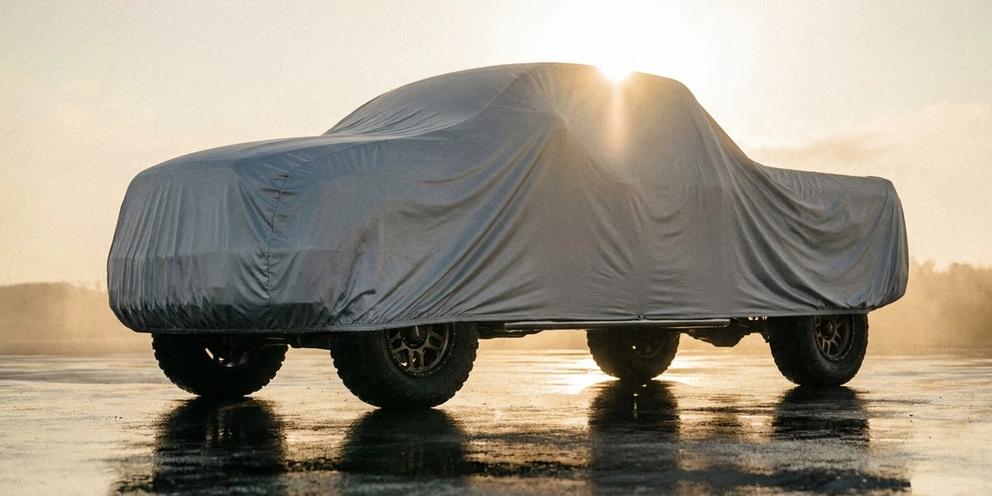
Custom-Fit vs. Universal Car Cover for Your Toyota Tundra: Which One Actually Fits?
A Toyota Tundra isn't a small purchase, and neither is protecting it. Get the cover wrong and you're not just wasting money, you're leaving paint exposed to exactly the stuff a cover is supposed to stop. That's why the custom-fit vs. universal question matters more here than it does on a compact sedan. A custom fit car cover for Toyota Tundra owners isn't a luxury upgrade, it's the difference between a cover that works and one that just sits there looking like it works.
Part of the problem is the truck itself. A Tundra isn't one shape. An SR5 Double Cab with a short bed looks nothing like a CrewMax with a long bed, and a TRD Pro with a bed rack and oversized tires adds even more variation. Generic sizing charts group all of that together under "full-size truck," which sounds fine until you're standing in your driveway trying to stretch fabric over a rack it was never designed to clear.
So here's what we're actually comparing: fit accuracy, weatherproofing, how long install takes, and price. Four things, one decision.
What 'Custom-Fit' Actually Means for a Toyota Tundra
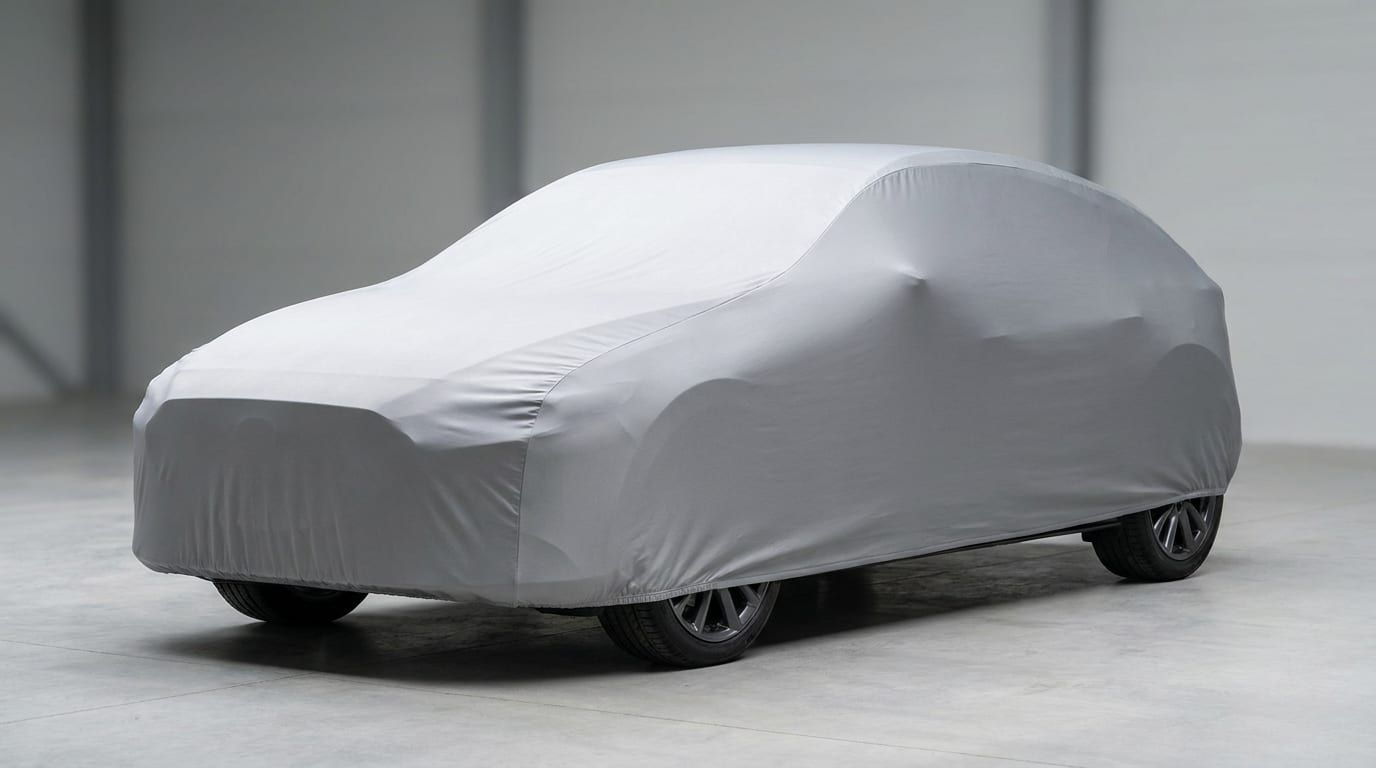
A custom-fit cover is built off the Tundra's actual pattern: specific model year, cab configuration, bed length. Not "large truck," not "fits most pickups." The pattern accounts for where the mirrors sit, where the antenna pokes through, and how the bed rails curve on that particular trim.
That precision shows up in small details that matter a lot in practice. Mirror pockets land exactly where the mirrors are instead of somewhere near them. Antenna cutouts don't require you to cut or force anything. The bed rail contour follows the Tundra's actual lines instead of draping over them like a tablecloth.
None of this works, though, if you order the wrong size to begin with. Double Cab and CrewMax Tundras have different bed and cab proportions, and even the same cab style changes across model years. If you're not sure which configuration you're working with, the sizing guide walks through how to check before you buy, which saves you the hassle of a return later.
Where Universal Covers Fall Short on a Tundra's Body
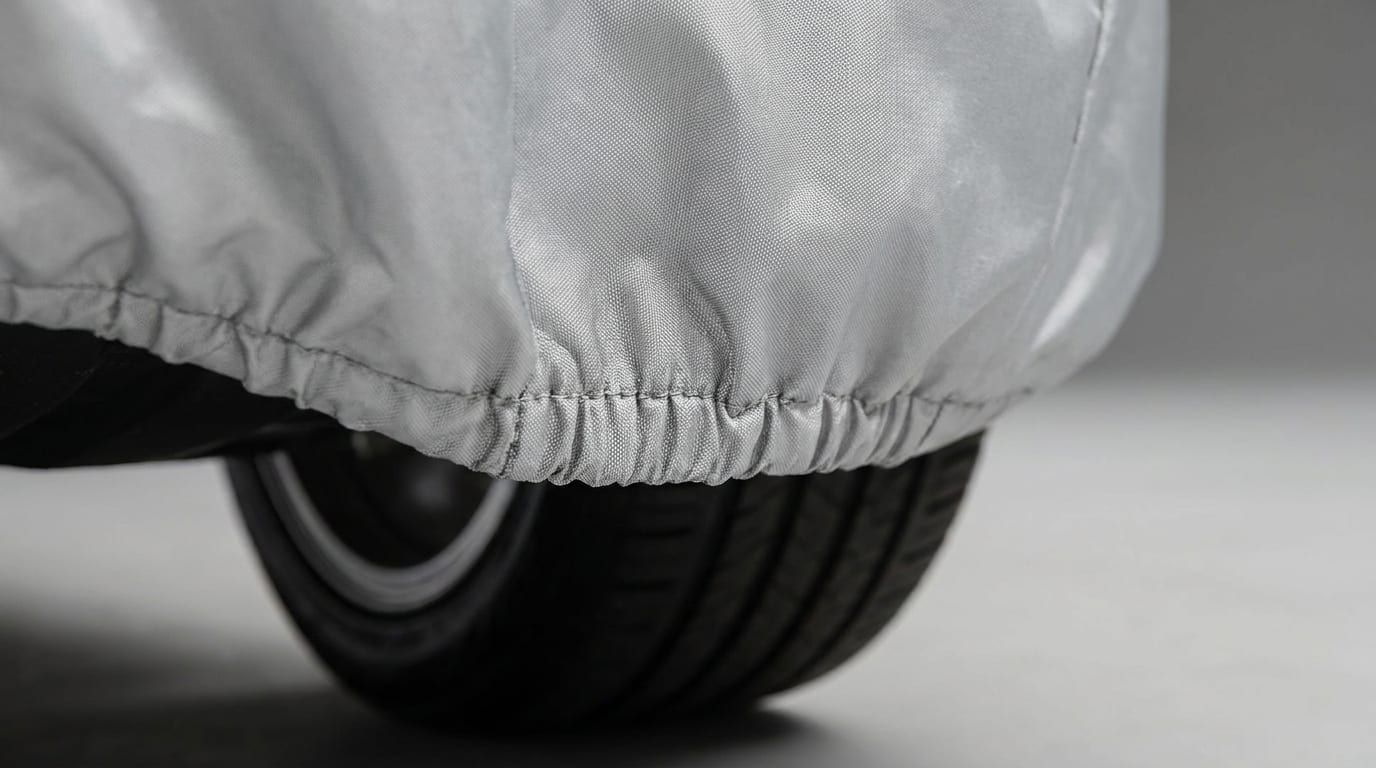
Universal covers are made to stretch across a range of trucks, and that stretching is exactly the problem. On a Tundra, the gaps show up in predictable places: the tailgate seam, the wheel wells, and the transition where the cab meets the bed. That transition especially, since it's a spot generic patterns just don't account for.
Loose material doesn't sit still. It flaps in wind, and on a truck this size there's a lot of surface area for wind to grab. Every flap is an opportunity for water to pool in a low spot or for debris to work its way underneath. A cover that's supposed to block weather ends up trapping it instead, which defeats the point of buying one.
There's a wear cost too. Fabric that rubs against a side mirror or catches on a bed rail edge every time the wind picks up wears through faster than fabric that stays put. On a smaller car this might take longer to become a problem. On a Tundra, with more surface exposed and more places for material to catch, it shows up sooner.
Custom-Fit vs. Universal for the Tundra: Side-by-Side
Fit Accuracy
- Custom-fit: Follows the Tundra's actual body lines, matched to cab and bed length
- Universal: Generic "large truck" sizing, often leaving excess fabric in some spots and short coverage in others
Weatherproofing Performance
- Custom-fit: Tailored seams sit close to the body, reducing wind lift and giving water fewer places to pool
- Universal: Looser drape creates low spots where moisture and debris collect
Installation Time
- Custom-fit: Goes on in one motion, with mirror pockets already positioned where they need to be
- Universal: Requires manual adjusting and strap cinching to take up the slack from excess material
Price Point
- Custom-fit: Higher upfront cost, but that cost buys Tundra-specific protection
- Universal: Cheaper to buy, but the fit tradeoff is really the cost you're paying, just in a different form
Longevity Under Regular Use
- Custom-fit: Snug fit means less flapping, so less fabric wear over time
- Universal: Looser fit means more movement, which speeds up abrasion at mirrors and bed rail edges
Looked at side by side, the pattern is pretty consistent. Universal wins exactly once, on sticker price, and loses everywhere else that actually affects how well the cover does its job.
Which Tundra Owners Should Actually Choose Each Option
If your Tundra lives outside long-term, custom-fit isn't really optional. Same goes for anyone in a high-wind or hail-prone region, or anyone running a bed rack or tonneau setup that a generic cover wasn't designed around. For hail protection specifically, a loose-fitting cover that shifts around defeats the purpose before the hail even starts falling.
Universal covers still have a place. If you're parking indoors most of the time and just want something to catch dust for a few weeks, or you need short-term coverage and don't want to commit to a Tundra-specific pattern yet, universal can get you through. It's a reasonable stopgap, not a long-term plan.
The tradeoff is worth saying plainly: paying more upfront for a custom-fit cover is what keeps water off your paint and out from under a loose universal cover that's flapping in the wind. You're not paying extra for a nicer product on paper. You're paying to avoid the exact failure mode universal covers are prone to on a truck this size.
Matching a Custom-Fit Cover to Your Tundra's Trim and Bed Length
Cab configuration changes everything about which pattern fits. A Double Cab and a CrewMax aren't interchangeable, and neither are the 5.5-foot, 6.5-foot, and 8-foot bed lengths that come with different trims. Order based on "Tundra" alone and you're rolling the dice.
Aftermarket additions complicate this further. A bed rack, a tonneau cover, or a lift kit all change the truck's outer dimensions in ways the factory pattern doesn't anticipate. If you've added any of that, double-check fit before you order rather than after the cover arrives and doesn't clear the rack.
The bed size guide breaks down bed length by configuration if you're not sure which one you have, and the Toyota truck cover page is the place to confirm specs against your specific model year before buying.
Installing and Securing a Custom-Fit Cover on a Full-Size Truck
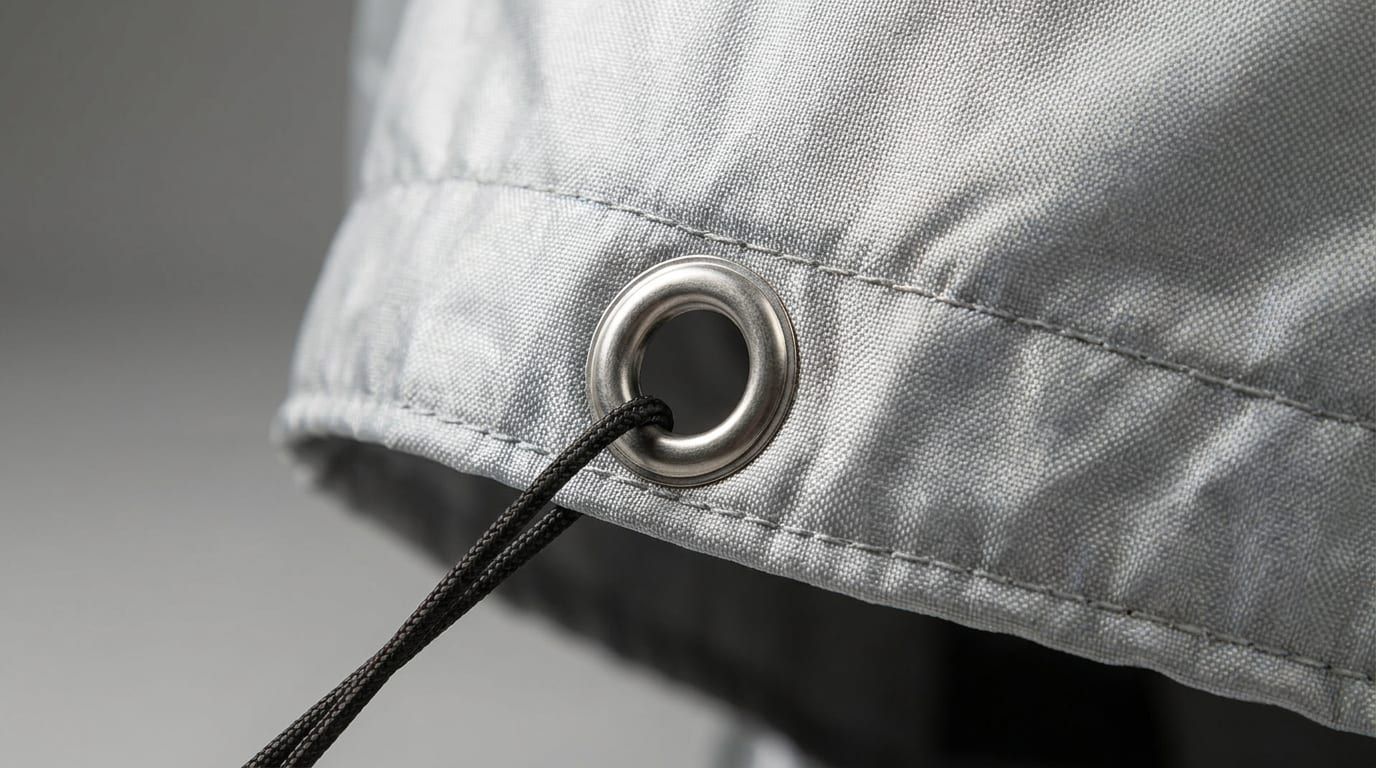
Even a well-patterned cover needs to be put on right. Drape it starting from the front, get the mirror pockets seated before you move to the back, and cinch down the straps evenly so the fabric sits flush rather than bunching at one end.
For outdoor storage in open or windy areas, a gust strap add-on is worth the extra step. It keeps the cover from lifting at the edges during the exact wind gusts that cause the most wear, and on a vehicle with this much surface area, that lift adds up fast without it.
Support poles help too, mainly by keeping the bed section from sagging under standing water. A truck support pole props the fabric up so rain runs off instead of pooling in the middle of the bed cover, which is one of the more common failure points on any full-size truck cover, custom-fit or not.
Final Call: Is Custom-Fit Worth It for Your Tundra?
Custom-fit wins on protection, wins on longevity, and loses only on the price tag you see at checkout. Universal wins on that price tag and not much else. For a truck with this much size and trim variation between configurations, an accurate fit isn't a nice-to-have feature, it's the whole point of buying a cover in the first place.
If you're ready to stop guessing at sizing, take a look at truck covers built for your Tundra's specific configuration, backed by the lifetime warranty so you're not stuck if something doesn't fit right the first time. And if you want more guides like this before you buy, our articles section is worth a browse while you figure out what your Tundra actually needs.
Updated