


Do Car Covers Prevent Hail Damage? What Actually Works
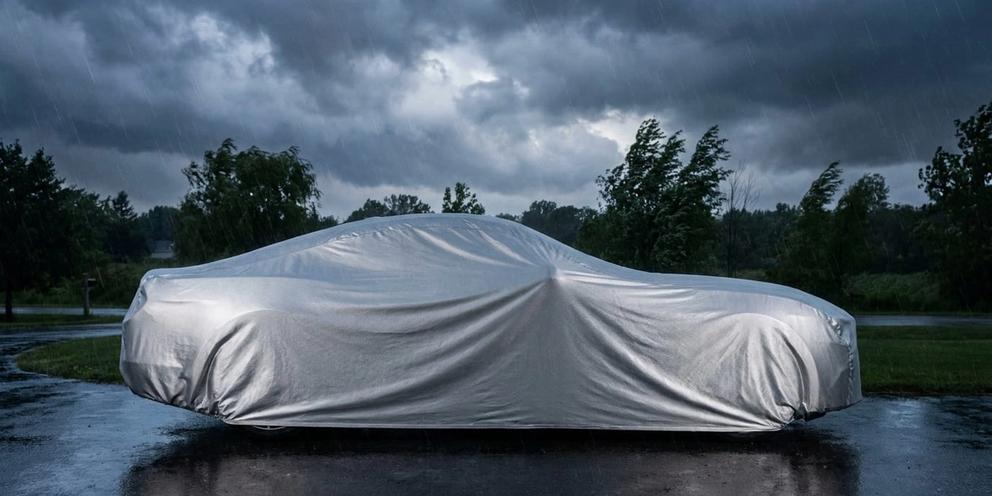
Hail hits, and the first thing most people wonder is whether that cover in their trunk actually did anything. Short answer: do car covers prevent hail damage? Standard covers cushion small impacts and reduce surface scuffing, but only purpose-built hail covers with thick padded material meaningfully stop dents from larger stones. Nothing on the market guarantees zero damage in a bad storm. The goal is always damage reduction, not a force field. What follows breaks down what separates a real hail cover from a basic one, so you know what you're actually buying before the next storm rolls in.
Do Car Covers Prevent Hail Damage?
Here's the direct version: a regular outdoor car cover will soften the blow from small hail, the pea-sized stuff, but it's not built to absorb real impact energy. A dedicated hail cover, with thick padding sandwiched into the shell, is a different product entirely and can prevent dents from mid-size hailstones that would otherwise leave marks.
No cover, no matter how thick, promises full protection once hail gets large and the storm gets severe. Insurance adjusters see hail-damaged cars every season that were covered. What a good hail cover does is shrink the odds and the severity, not eliminate the risk. The rest of this article gets into what actually makes that difference, so you're not paying hail-cover prices for something that performs like a dust sheet.
How Do Hail-Resistant Car Covers Work?
A real hail cover isn't just a thicker version of a normal one. It's built with a padded or quilted layer, usually foam, multi-layer batting, or a thick fleece-lined shell, sandwiched between the outer weatherproof fabric and the paint. When a hailstone hits, that padding compresses and spreads the impact energy across a wider area instead of letting it concentrate on one spot on the panel. That's the whole mechanism. Less concentrated force, less dent.
Single-layer polyester or cotton covers don't do this. They're doing a completely different job: blocking scratches, keeping dust and pollen off, shedding light rain. Ask one of those to stop a hailstone and it just transmits the impact straight through to the metal. Thin fabric has almost nothing to disperse. So when people ask do car covers prevent hail damage and picture any old cover doing the trick, this is usually where the disappointment sets in. Construction is the whole story here, not brand name or price tag alone.
What Makes a Car Cover Effective Against Hail?
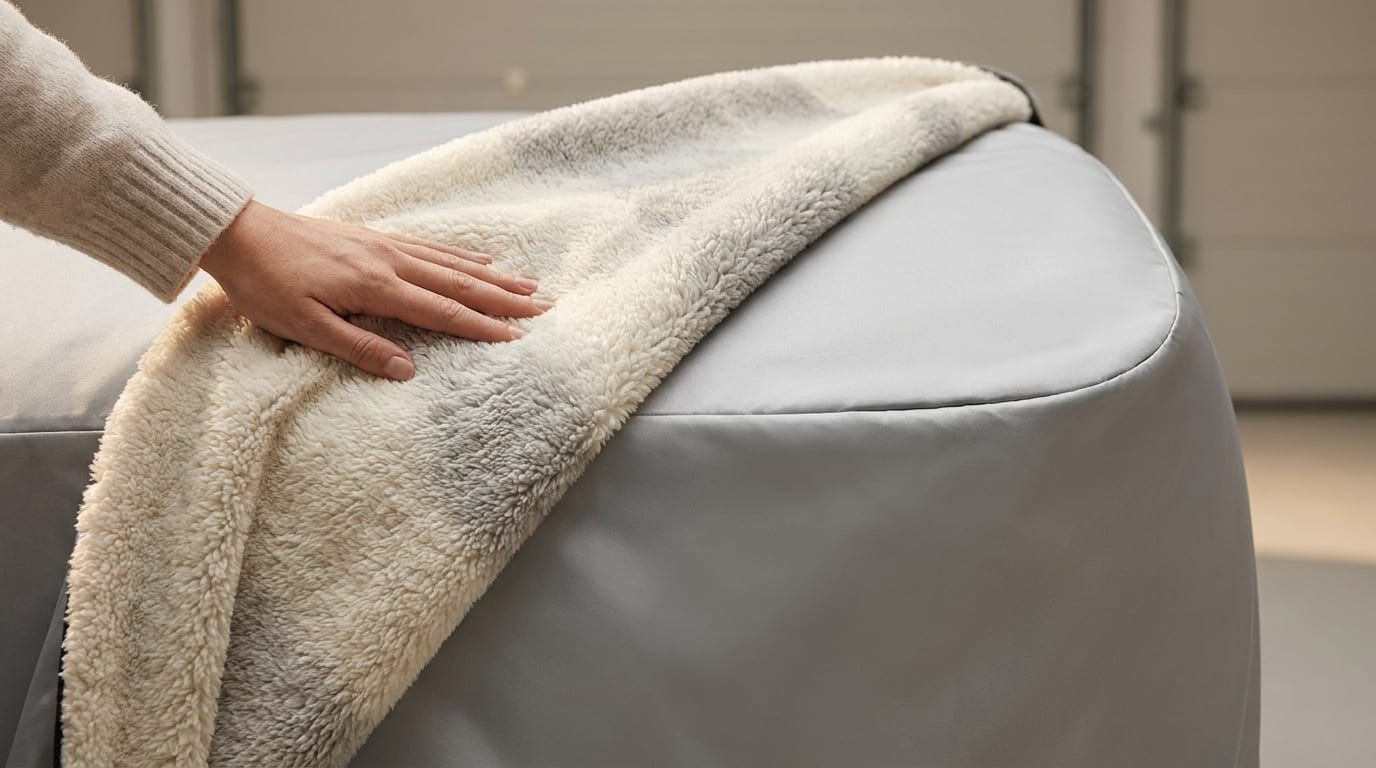
Three things actually matter: padding thickness, material density, and how snugly the cover fits the vehicle. Skimp on any one of those and you've got a cover that looks the part but underperforms when it counts.
Padding thickness is the obvious one, more cushioning means more energy absorbed before it reaches the panel. Material density matters almost as much, because a dense outer layer resists tearing and keeps the padding compressed in place instead of letting hailstones punch through the gaps. And fit is the one people underestimate. A loose cover flaps and shifts in wind, which during a hailstorm (usually accompanied by gusts) can expose a fender or hood edge that would otherwise be shielded. A snug, full-body fit keeps the padded layer flush against the car the whole time, not just when it's calm out.
The best reinforced covers pair a waterproof outer shell with a cushioned inner layer, so you're getting impact absorption and weatherproofing in one piece instead of stacking two different products. For a deeper look at how these are actually built, hail car covers breaks down the construction differences worth checking before you buy.
Can a Regular Car Cover Protect Against Hail?
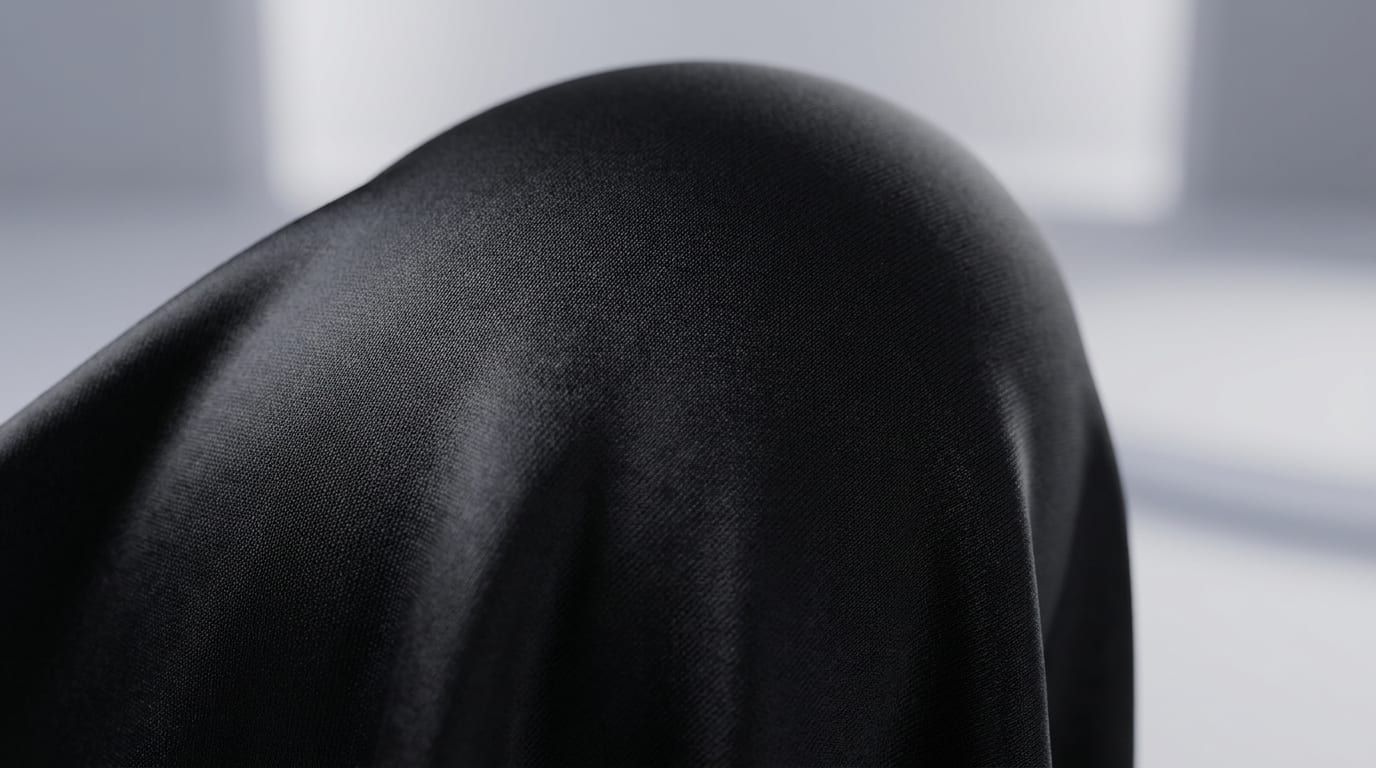
Somewhat, and only up to a point. A standard outdoor cover is engineered for UV exposure, rain, and dust, not blunt impact. Against pea-sized hail it'll take some edge off. Against quarter-sized stones or bigger, it's basically along for the ride. The fabric just isn't thick enough to matter.
That's not a knock on outdoor covers, they're doing exactly what they're designed to do. If you want to know what that actually covers (sun fade, road grime, light precipitation), outdoor car covers lays it out clearly. And if material choice in general is confusing you, whether it's acrylic, polyester, or something heavier, what's the best car cover material digs into how those choices affect protection across weather types, hail included. The short version: don't expect a general-purpose cover to double as hail armor. It wasn't built for that job.
What Size Hail Can a Car Cover Withstand?
This is where a lot of buyers want a hard number, so here's a practical one. Covers with real padding typically absorb impacts from pea-sized up through marble-sized hail, call it up to about half an inch, without leaving a mark. That's the range where a good hail cover earns its price.
Past that, once stones hit golf-ball size or bigger, even a heavy-duty padded cover is only reducing damage, not preventing it outright. At that point the physics just don't favor fabric and foam. A garage, carport, or covered structure is the only genuinely reliable option once hail gets that large. One more thing worth knowing: wind-driven hail hitting at an angle can still scratch the surface even through padding, because the stone is skidding across the fabric rather than landing straight on. Padding stops dents better than it stops scuffing.
How Do I Choose the Right Hail Protection Cover?
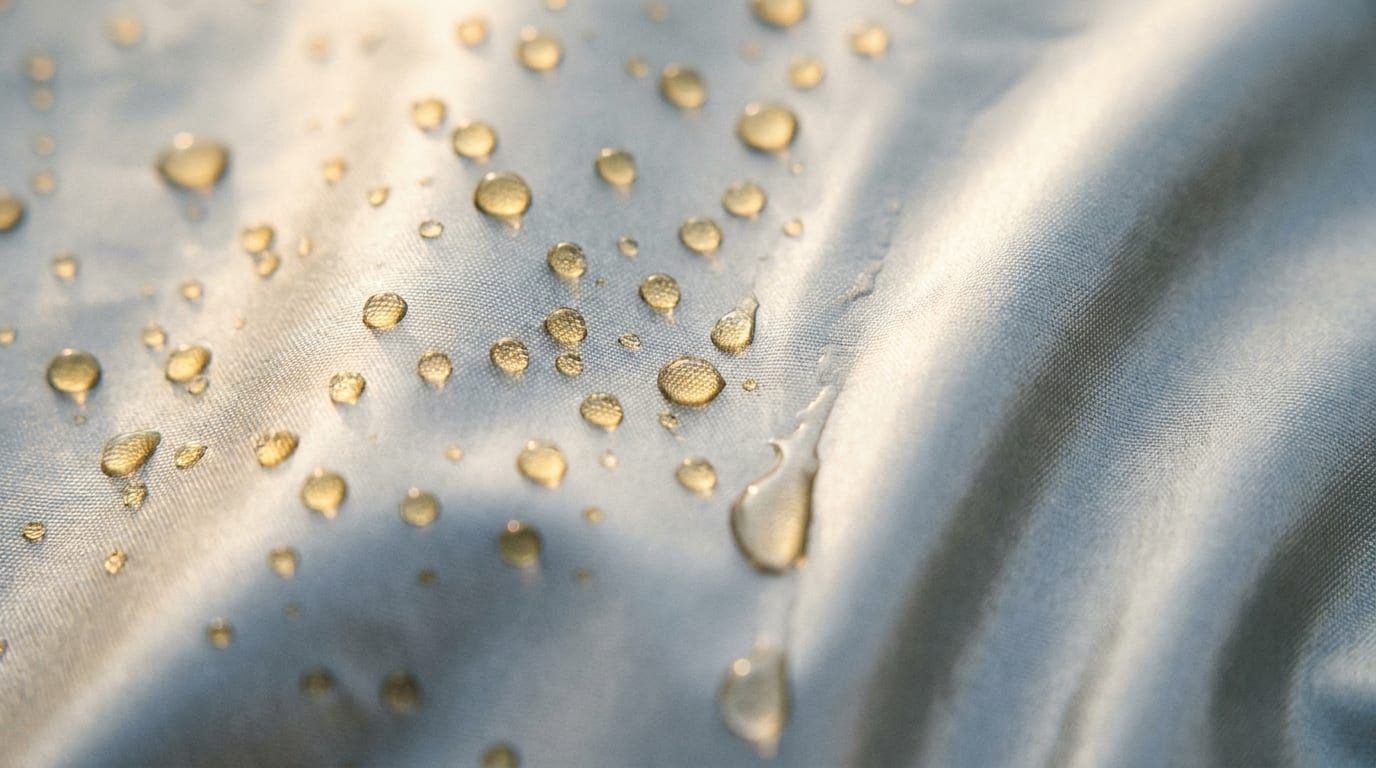
Fit first. A cover that's too loose lets the padded layer shift around exactly when you need it locked in place. Custom-fit covers, built to your vehicle's exact dimensions, keep that padding flush against every panel. Semi-custom covers work fine for a lot of vehicles too, just check the sizing carefully before you buy. Custom-fit car covers walks through sizing options, and what size car cover for my vehicle is worth a quick check if you're not sure which category your car falls into.
Beyond fit, pair the cover with securement straps or a cable lock. Wind during a hailstorm is rarely gentle, and a cover that's blown half off does you no good at all, no matter how thick the padding is. Once you've got fit and securement sorted, car covers is the place to browse what's actually available for your vehicle size.
What Other Steps Can I Take to Protect My Car From Hail?
A cover is one layer of defense, not the whole plan. Parking under a carport, in a garage, or under any covered structure when severe weather is forecast is still the single most effective thing you can do. No fabric beats a solid roof.
Keep an eye on weather alerts, too, and move the vehicle indoors ahead of a storm rather than trusting a cover to handle whatever shows up. Covers are reactive protection, they help with what falls, but they can't stop you from parking under a tree in a hail warning. For more on building good outdoor storm habits generally, from wind to UV to rain, this guide to using a car cover outdoors covers the broader picture beyond just hail.
Protecting Your Car Before the Next Storm
So, do car covers prevent hail damage completely? No. But a quality padded hail cover meaningfully cuts your risk from small to medium hail, and that's worth something real when storms roll through a few times a season. For anything bigger than a golf ball, covered parking is still your best bet, cover or no cover.
If you're shopping for one, it's worth checking hail-specific options sized for your actual vehicle and matched to how often severe weather hits your area. And if durability is a concern, it's worth knowing what backs the product before you buy, take a look at the lifetime warranty on car covers for the details. Worth bookmarking this one before the season's next storm warning goes out.
Updated