Do RV Covers Cause Condensation?
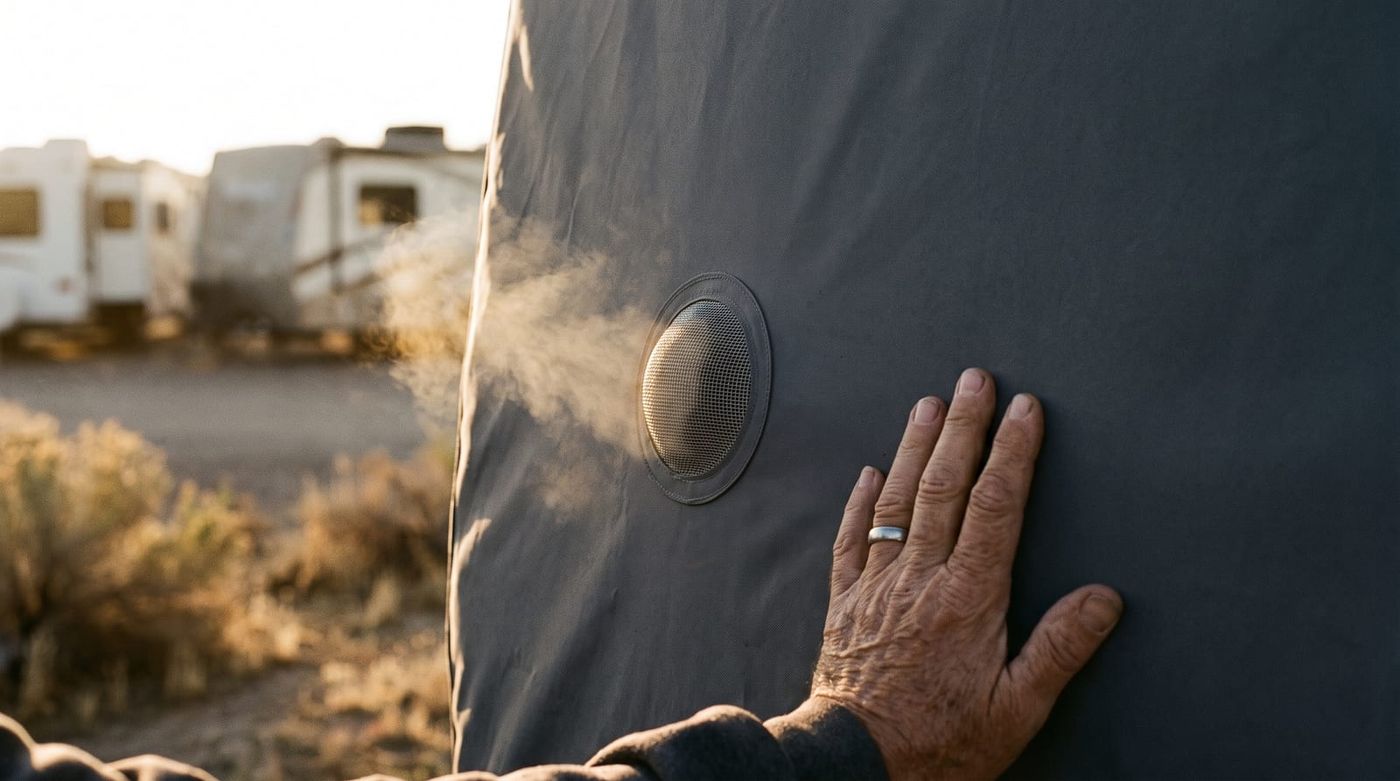
Short answer: no, not on its own. A properly designed, breathable RV cover doesn't cause condensation. Condensation happens when moisture gets trapped between a cover and your RV's surface with nowhere to go. The question "do RV covers cause condensation" usually comes up after someone pulls off their cover and finds damp patches on the roof or siding, and it's a fair thing to worry about.
Here's the thing, though. The real culprit is almost never the act of covering the vehicle. It's the material. Cheap plastic tarps and non-breathable vinyl seal moisture in like a sandwich bag. A cover left on over a wet or dirty RV does the same thing, trapping what was already there. The cover itself just gets blamed because it's the thing you see.
Done right, a cover actually cuts your condensation risk. It blocks rain from soaking in, and it limits the wild temperature swings from direct sun that make surfaces sweat in the first place. The rest of this article walks through what actually causes that moisture buildup, how breathable fabric changes the equation, and the habits that keep your RV dry no matter what's covering it.
What Actually Causes Condensation Under an RV Cover?
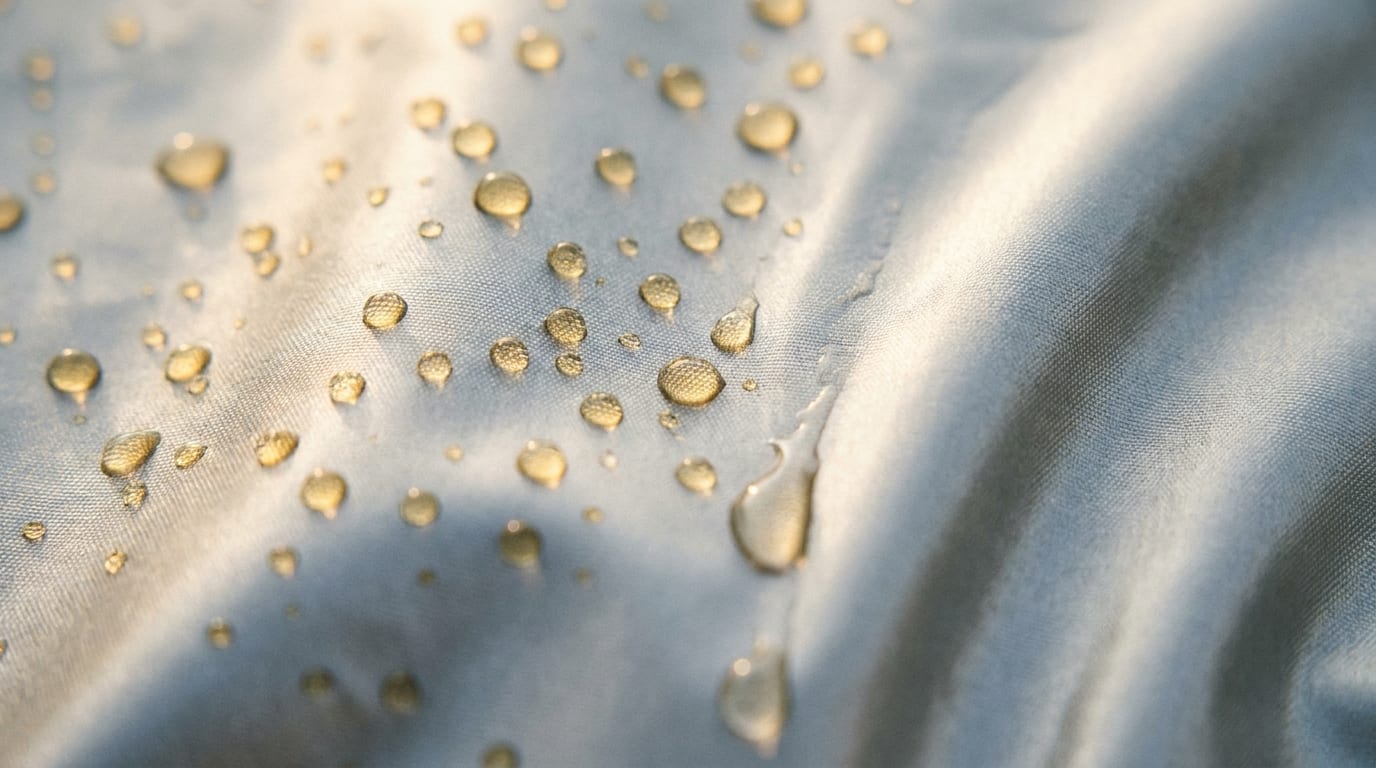
Condensation is basic physics, not a cover problem. Warm, moist air meets a cooler surface, like your RV's roof or fiberglass siding, and it turns into water droplets. That happens whether a cover is there or not.
A few things make it worse before the cover ever comes into play. Covering a wet RV after a rainstorm or a wash, parking under trees that drip all night, sitting close to a sprinkler zone, storing in a humid coastal or heavily wooded area. All of that adds moisture to the surface before the cover traps anything.
Then there's temperature swing. Your RV heats up during the day and cools fast at night, and that shift makes the body sweat, the same way a cold glass of iced tea sweats on a summer porch. A sealed, non-breathable cover holds that moisture right against the paint or fiberglass instead of letting it evaporate off. Worth knowing: this is the exact same mechanism that fogs up a closed garage or beads up under any tightly wrapped tarp. It's not unique to RV covers at all. If you've dealt with moisture under a car cover used outdoors, you've already seen the same thing play out on a smaller scale.
Does a Breathable RV Cover Prevent Condensation?
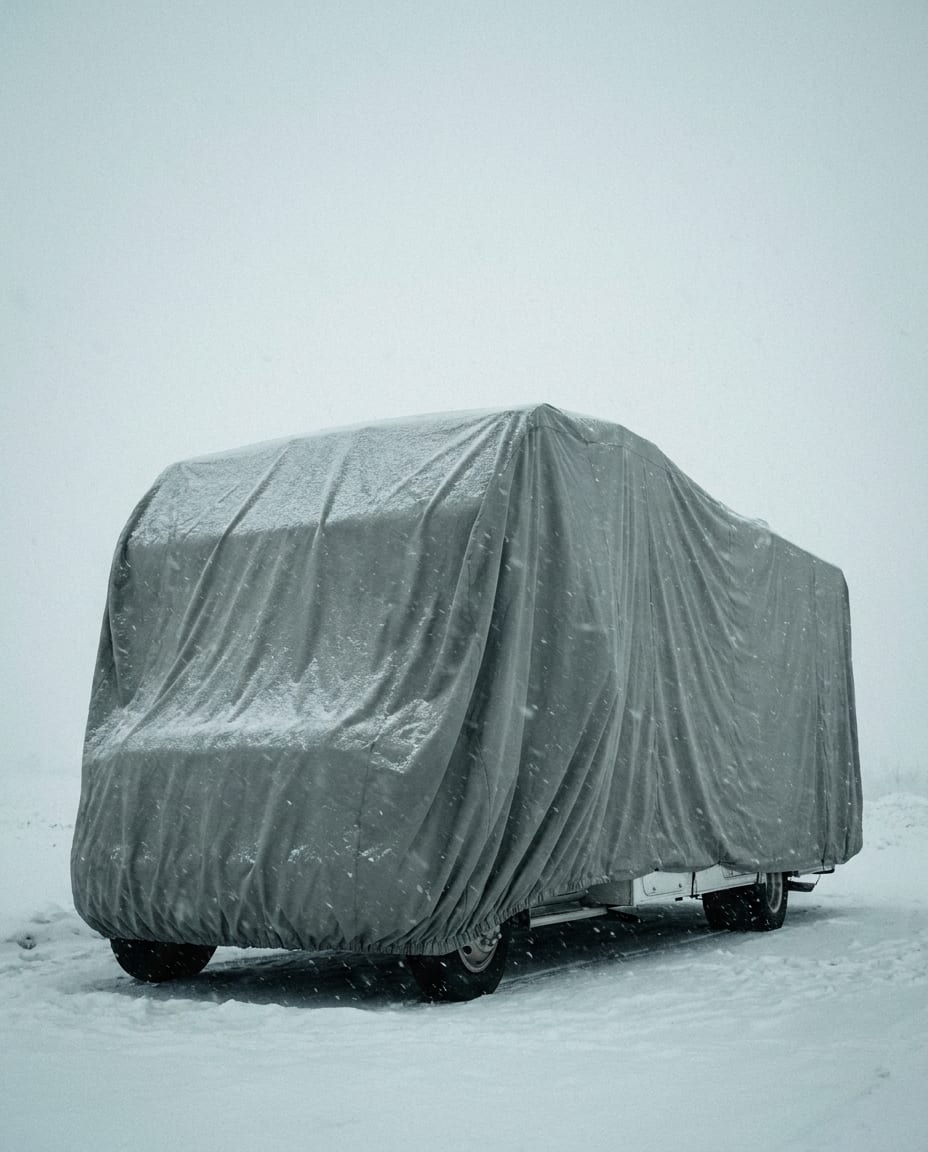
Yes, and this is really the whole answer to "do RV covers cause condensation" in one sentence: breathable fabric lets water vapor pass through while still keeping liquid rain and UV rays out. The moisture that would otherwise sit trapped against the surface just escapes through the material instead.
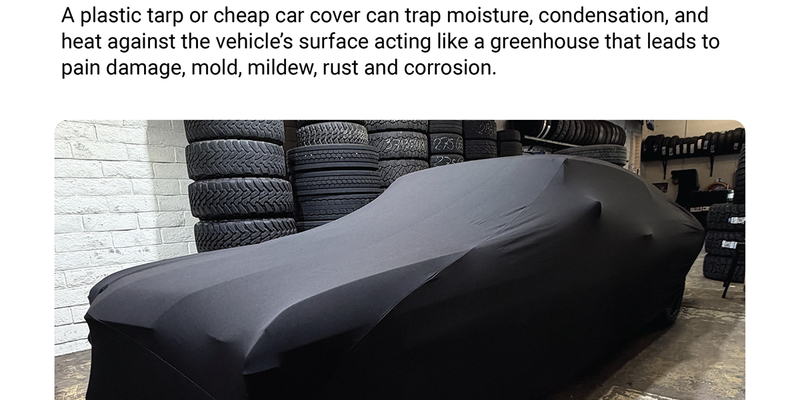
Sealed vinyl or plastic sheeting works the opposite way. It's basically a greenhouse. Rain can't get in, sure, but neither can the vapor get out, so it just builds up underneath. A quality, multi-layer woven cover is designed to manage that exchange instead of blocking it entirely.
Breathability matters most in humid climates and for anyone storing an RV long-term without driving or airing it out regularly. If your rig sits parked for months at a time, the fabric quality is doing a lot more work than it would on something you take out every other weekend. Fit matters here too. A well-fitted cover that doesn't flap or gape keeps rain from sneaking in around loose seams, which is one of the more overlooked sources of moisture that later shows up as trapped condensation.
What Mistakes Make Condensation Worse Under a Cover?
Most condensation complaints trace back to a handful of avoidable mistakes:
- Covering it wet. Rain, a recent wash, morning dew, it doesn't matter which. If moisture is already on the surface when the cover goes on, it's sealed in.
- Using the wrong size. An oversized or ill-fitting cover creates loose air pockets where humid air sits and has nowhere to escape.
- Never taking it off. Leaving a cover on for months straight, without ever letting the RV air out, gives trapped moisture all the time it needs to do damage.
- Buying on price alone. A cheap tarp-style cover might save you money up front, but a non-breathable material is working against you the whole time it's on.
- Parking in a dead-air spot. Against a fence, under dense trees, tucked into a shaded corner that never dries out. Low airflow means whatever moisture forms has nowhere to go.
Honestly, the wet-cover mistake is the one I'd flag first. It's the easiest to avoid and probably causes more complaints than bad fabric does.
How Do You Stop Condensation Under an RV Cover?
A few habits fix most of this:
Dry the RV fully before covering it, even after light rain or a quick rinse. Don't assume it'll dry under the cover, because it won't.
Pick a breathable, properly sized cover instead of a generic tarp, and match it to your actual RV class. A Class A motorhome doesn't fit the same as a Class C or a travel trailer, and a cover that's even a little off will bunch, gap, or flap, all of which invite moisture in.
Look for covers with built-in vent panels, or make sure your roof vents stay accessible under the cover so trapped air has somewhere to escape. If you're setting one up for the first time, a proper installation makes a real difference in how well it actually breathes once it's on.
Take the cover off periodically, even during long-term storage. Let the surface fully dry and let air move around it for a few hours every few weeks.
And park somewhere with airflow. Skip the tight corner against the fence. A spot that gets a little breeze beats a sheltered, damp nook every time.
Does Climate or RV Type Affect Condensation Risk?
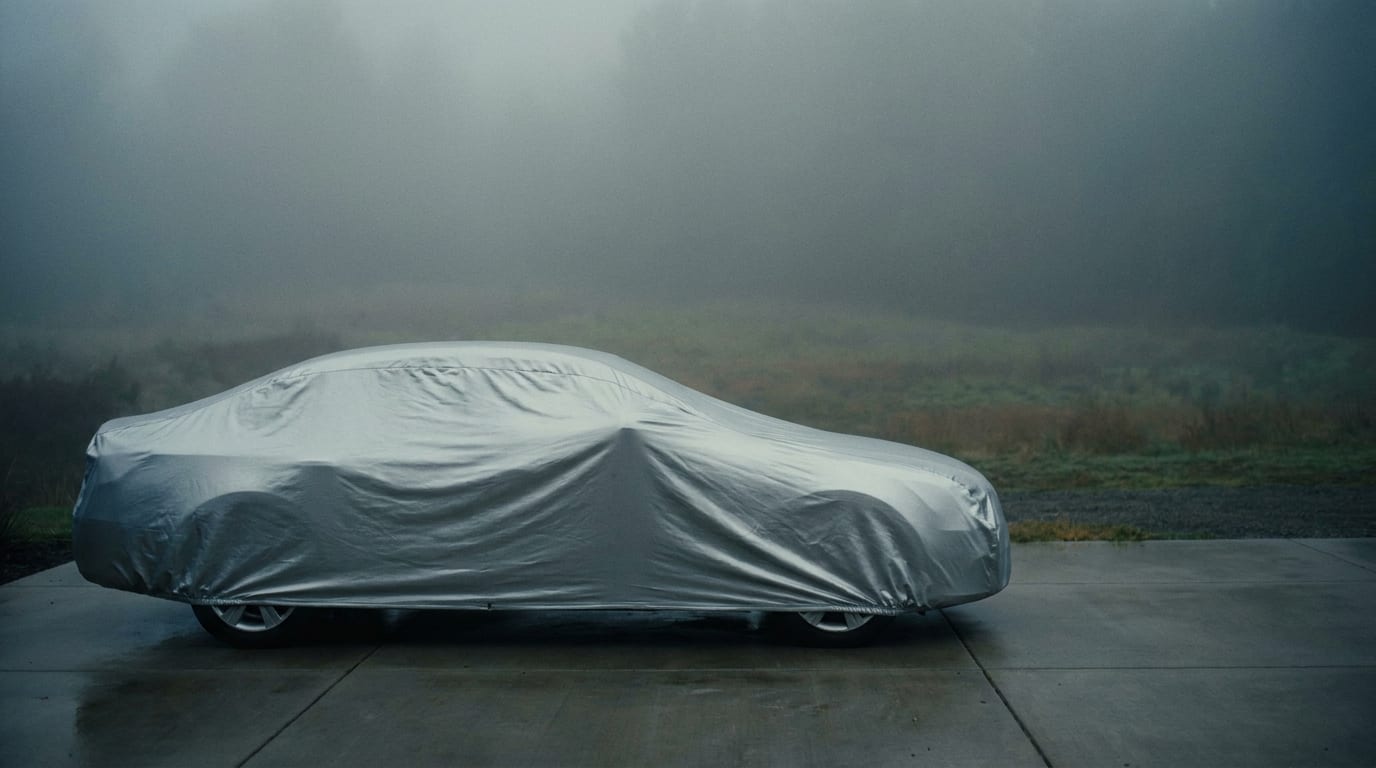
Climate matters more than most people expect. Humid, coastal, or high-rainfall regions carry more condensation risk than dry climates, no matter how good the cover is. A breathable fabric helps everywhere, but it's not going to completely offset Florida humidity the way it might in Arizona.
Size plays a role too. Bigger rigs, think Class A motorhomes or fifth wheels, have more surface area exposed to temperature swings across the length of the cover, so ventilation becomes more important the bigger the vehicle gets.
Smaller, tighter units can actually trap moisture faster, not slower. A truck camper or teardrop trailer tucked into a cramped storage spot doesn't have much room for air to circulate, so humidity builds up quick if the cover isn't breathable.
And it's not just RVs. Specialty vehicles stored outdoors, like limousines, face the exact same breathability tradeoffs. Size and shape change, but the physics of trapped moisture doesn't.
Choosing a Cover That Won't Trap Moisture
Condensation is a moisture and temperature issue, not a flaw baked into the idea of covering an RV. Get the material right, get the fit right, and build in a little airflow discipline, and the problem mostly goes away on its own.
If you're shopping for something new, it's worth comparing breathable, properly fitted options for your specific RV type rather than grabbing a one-size-fits-all tarp off a shelf. And if you've got questions about how a cover performs once the seasons change, our articles section has more on weather-specific care worth a browse.
Testing a new cover through a full season, rain, heat, and cold nights included, is really the only way to know it's working the way it should.
Frequently asked questions
What causes condensation under an RV cover?
Condensation forms when warm, moist air meets a cooler surface, like an RV's roof or siding. Covering a wet RV, storing in a humid climate, or using a non-breathable cover traps that moisture instead of letting it evaporate.