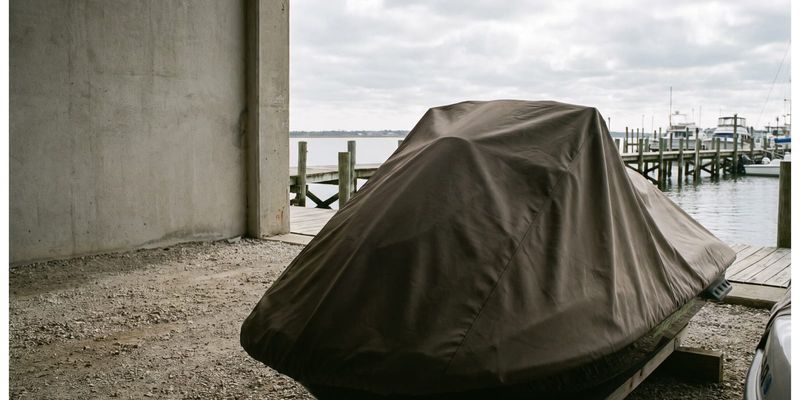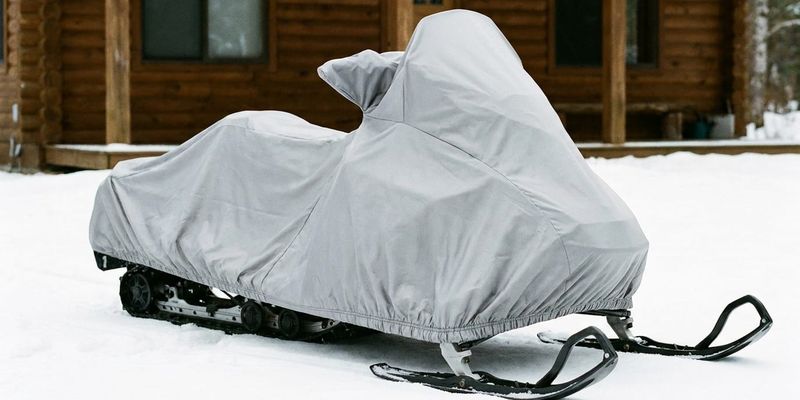
Yes, you need a cover for a golf cart in storage. Dust settles, sunlight fades vinyl, moisture creeps into places you can't see, and pests look for dry corners to nest in. None of that stops just because the cart isn't being driven. Whether it's parked in a garage for the winter or sitting under a carport for a few months, a stored golf cart without a cover is exposed to slow, cumulative damage that's a lot easier to prevent than to fix.
This is one of those questions people assume has a different answer depending on where the cart sits. It doesn't, really. The risks change in degree, not in kind. Below, we'll go through indoor versus outdoor storage, the specific damage that shows up when a cart goes uncovered, what to actually look for in a cover built for storage, and how fast the clock starts ticking once you leave a cart exposed.
Does a Golf Cart Need a Cover If It's Stored Indoors?
Yes. Indoor storage cuts down the risk, but it doesn't erase it. A garage or shed blocks rain and direct sun, sure, but dust still settles on vinyl seats and dashboards over weeks and months. Garages also tend to hold chemical fumes from gas cans, cleaning products, or paint, and those fumes can discolor plastic and vinyl surfaces over a long storage stretch. Temperature swings between day and night, especially in an uninsulated shed, cause materials to expand and contract in ways that add up over a season.
There's also the practical, less glamorous reason: shared garage space. If the cart sits next to bikes, tools, or lawn equipment, an uncovered cart is one bumped ladder away from a scratched panel. A cover is cheap insurance against that kind of accidental contact.
And then there's the pest problem. An open cab is basically an invitation. Mice, squirrels, and insects look for dry, enclosed spots to nest in over winter, and the foam under a golf cart seat is exactly the kind of material they like to chew into. A cover closes off that access point.
If you're storing indoors, you don't need the heaviest-duty outdoor fabric. A lighter, breathable material designed for indoor use does the job without trapping moisture. Our indoor car covers guide breaks down the material differences if you're deciding between indoor-rated and outdoor-rated fabric for a golf cart cover.
Does a Golf Cart Need a Cover If It's Stored Outdoors?
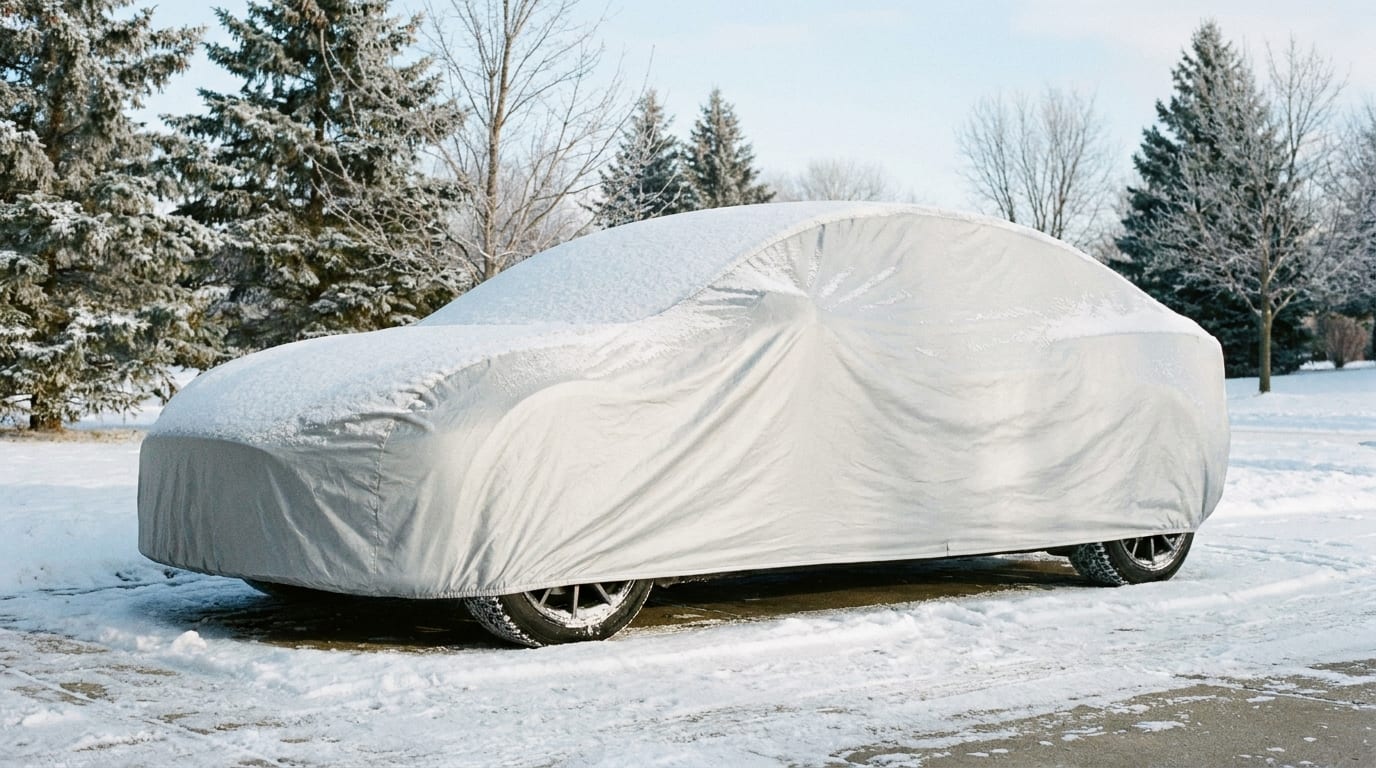
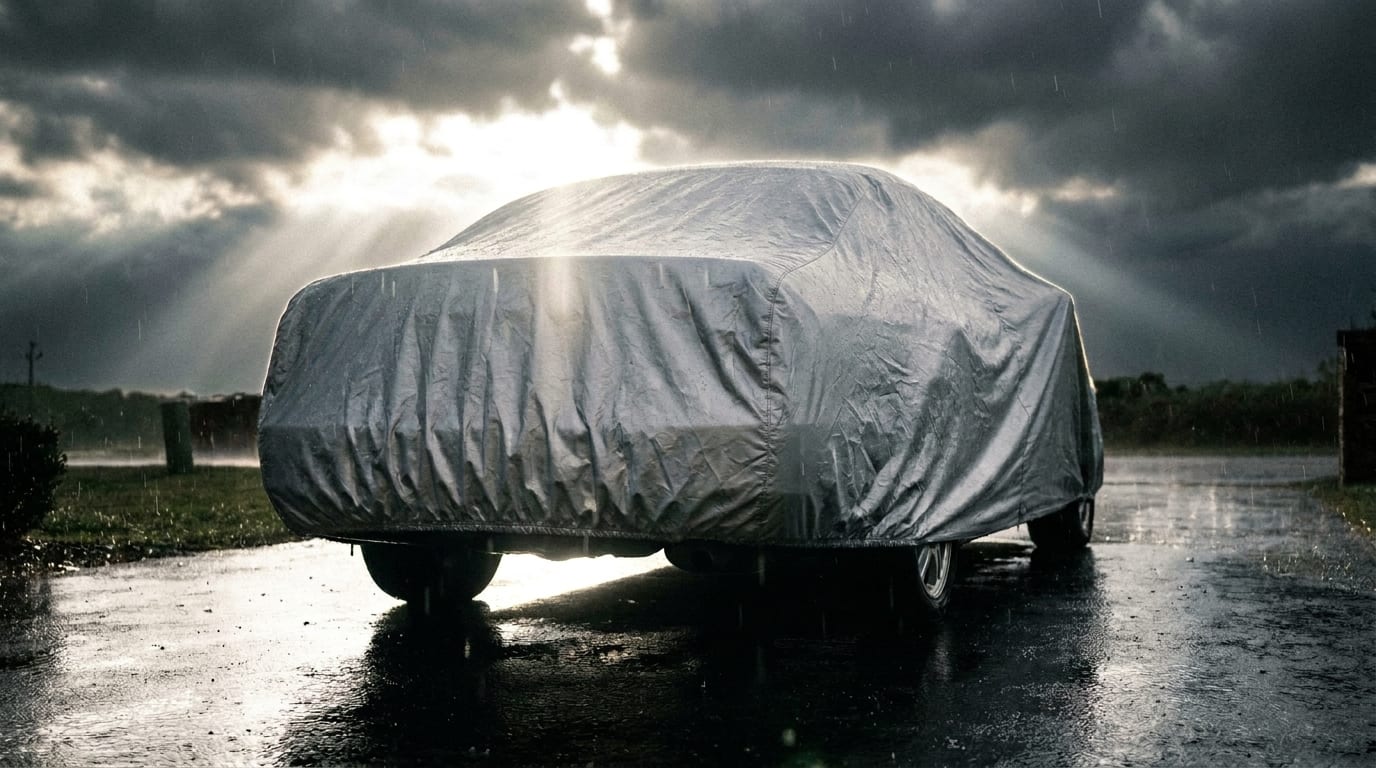
Yes, and outdoors is where the need gets urgent. A golf cart left uncovered outside is dealing with direct sun, rain, humidity, and airborne debris all at once, and the damage shows up faster than most people expect. UV exposure cracks and fades vinyl seats, dashboards, and plastic body panels within a single season in a lot of climates. That fading isn't just cosmetic either. Once vinyl starts to crack, it keeps cracking, and there's no real way to reverse it.
Rain and humidity bring a different kind of problem. Moisture works into battery terminals, wiring connections, and exposed metal frame parts, speeding up corrosion in places that are expensive and annoying to repair. A cart that's rusting at the bolts and brackets after a rainy winter wasn't necessarily stored wrong, it was just stored uncovered.
Then there's the mess that builds up gradually: tree sap, bird droppings, pollen. None of these are dramatic on their own, but left to bake onto a finish day after day, they get harder to clean the longer they sit. What would've wiped off easily after a week turns into a scrubbing project after a month.
If your cart lives outside between rounds or over the off-season, it's worth reading through our guides on outdoor car covers and waterproof car covers to understand what "weatherproof" actually means in terms of fabric and seam construction. Not all water-resistant claims hold up the same way.
What Damage Can Happen to an Uncovered Golf Cart in Storage?
It helps to get specific about what "damage" actually looks like, because it's rarely one dramatic event. It's usually a slow accumulation:
- Cracked or faded vinyl seats from UV exposure
- Sun-bleached, brittle dashboard plastic
- Corroded battery terminals from humidity and condensation
- Rust forming on frame bolts, brackets, and other exposed metal
- Pests nesting in seat foam or chewing into wiring harnesses, which is less obvious at first but shows up as electrical issues later
None of this is specific to one brand. Club Car, EZ-GO, Yamaha, and Cushman carts all use broadly similar vinyl upholstery and plastic body components, which means they're all vulnerable to the same kind of sun and moisture damage. A cover doesn't care what badge is on the front.
The part people underestimate is how this compounds. One uncovered storage season might leave a little fading you don't think twice about. Three or four seasons in a row, and you're looking at cracked seats, a chalky dashboard, and a frame with surface rust, all of which show up at resale time. Buyers notice. A cart with tight, intact vinyl and a clean finish sells for more than one that's clearly spent winters exposed, even if both ran fine the whole time.
What Should You Look for in a Golf Cart Storage Cover?
Fit matters more than people think. A cover built for a 2-seater won't sit right on a 4-seater, and a cart with a lifted roof needs different dimensions than a standard one. A loose, generic cover flaps in the wind, lets dust in at the gaps, and wears out faster from rubbing against the cart's edges. A properly fitted cover sits snug and actually does its job.
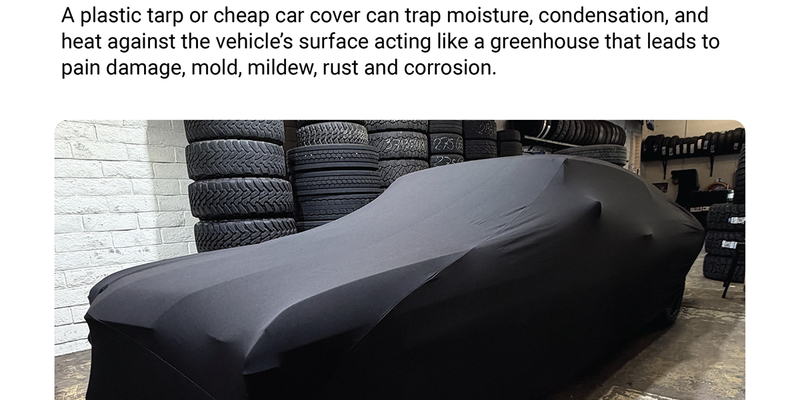
Material is the next thing to check. You want something breathable but still water-resistant, because a fully sealed, non-breathable fabric traps condensation underneath it, and trapped moisture during a long storage stretch can do as much damage as no cover at all. Breathability is what separates a good storage cover from a glorified tarp.
A few smaller features are worth checking before you buy:
- An elastic hem or built-in straps, so wind doesn't peel the cover off mid-storage
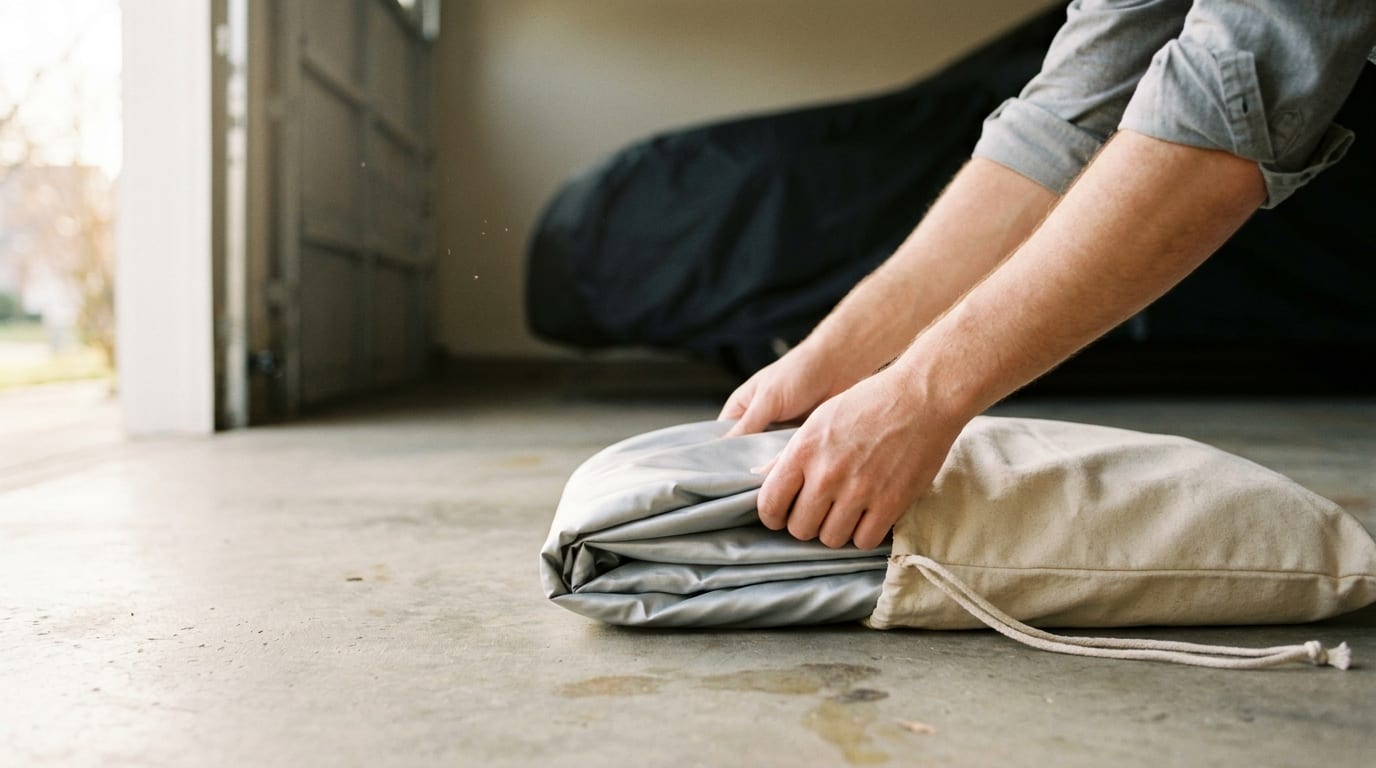
- A storage bag, so the cover itself doesn't get balled up and damaged in the off-season
- A warranty on the cover, since a storage cover is a long-term piece of gear, not a one-season throwaway. It's worth seeing what kind of coverage comes with it, like the lifetime warranty on car covers some products carry.
For fit-specific options, start with the golf cart covers category and narrow down by brand: Club Car, EZ-GO, or Yamaha. If you're storing a Cushman, there's a dedicated option there too at Cushman golf cart covers.
How Long Can You Store a Golf Cart Without a Cover Before Damage Starts?
Faster than most people assume. Outdoors, UV fading can start within a few weeks of consistent direct sun, and quicker than that in hot, high-UV climates like the Southwest. It's not an overnight thing, but it's not a "safe for a couple months" thing either.
Indoors, the timeline stretches out. You're generally looking at a full storage season, several months, before dust buildup and minor surface scratches become noticeable. Slower doesn't mean harmless, though. It just means the damage sneaks up on you instead of announcing itself.
The practical takeaway: cover it from day one of storage. Don't wait to see how the cart "does" uncovered for a few weeks first. Damage like UV-cracked vinyl or rust on a frame bolt isn't reversible once it starts, so there's no upside to delaying.
Protect Your Golf Cart Every Time It's Parked
So, do you need a cover for a golf cart in storage? Yes, every time, indoors or outdoors, whether it's a weekend or a whole winter. The risks are different depending on where it sits, but the fix is the same either way.
Give the cart a quick wipe-down before you cover it. Covering a cart with sap, dirt, or pollen still on it just traps that grime against the finish, which works against the whole point of covering it in the first place. A clean cart under a well-fitted cover is what actually gets you through a storage season without surprises.
If you're shopping for one, browse golf cart covers by brand and seating configuration to find a fit that actually matches your cart, and poke around our broader car care advice while you're at it. Good habits here carry over to every vehicle you own, not just the one with a scorecard holder.
Frequently asked questions
Do you need a cover for a golf cart in storage?
Yes. A cover protects a stored golf cart from dust, UV fading, moisture, and pests, whether it's stored indoors in a garage or shed, or outdoors under a carport or on a driveway.