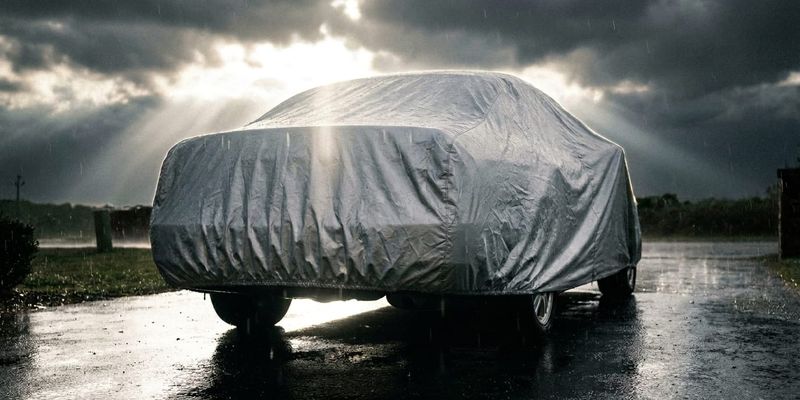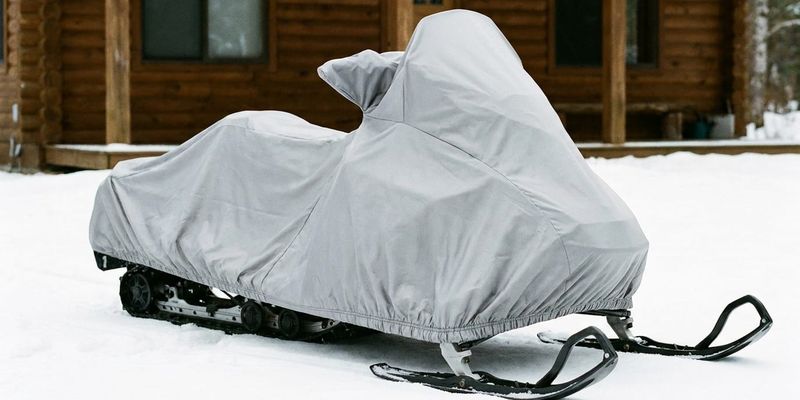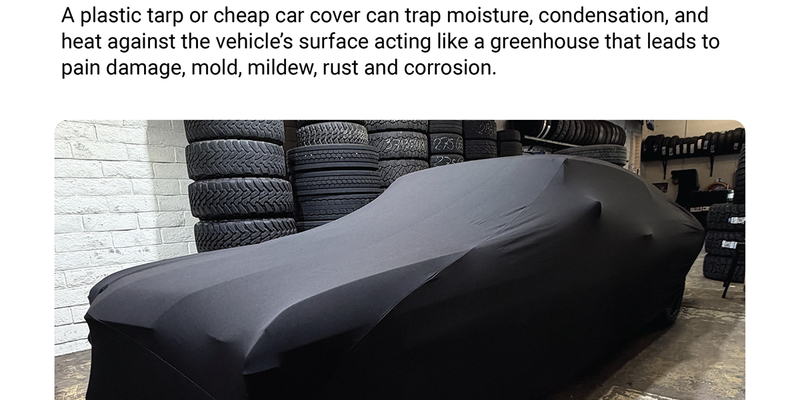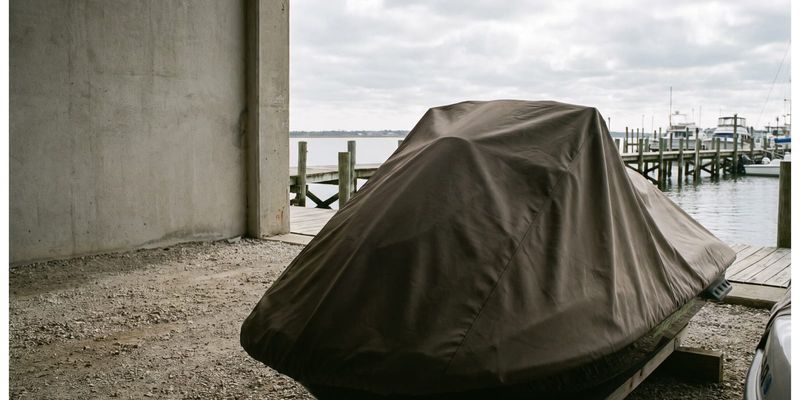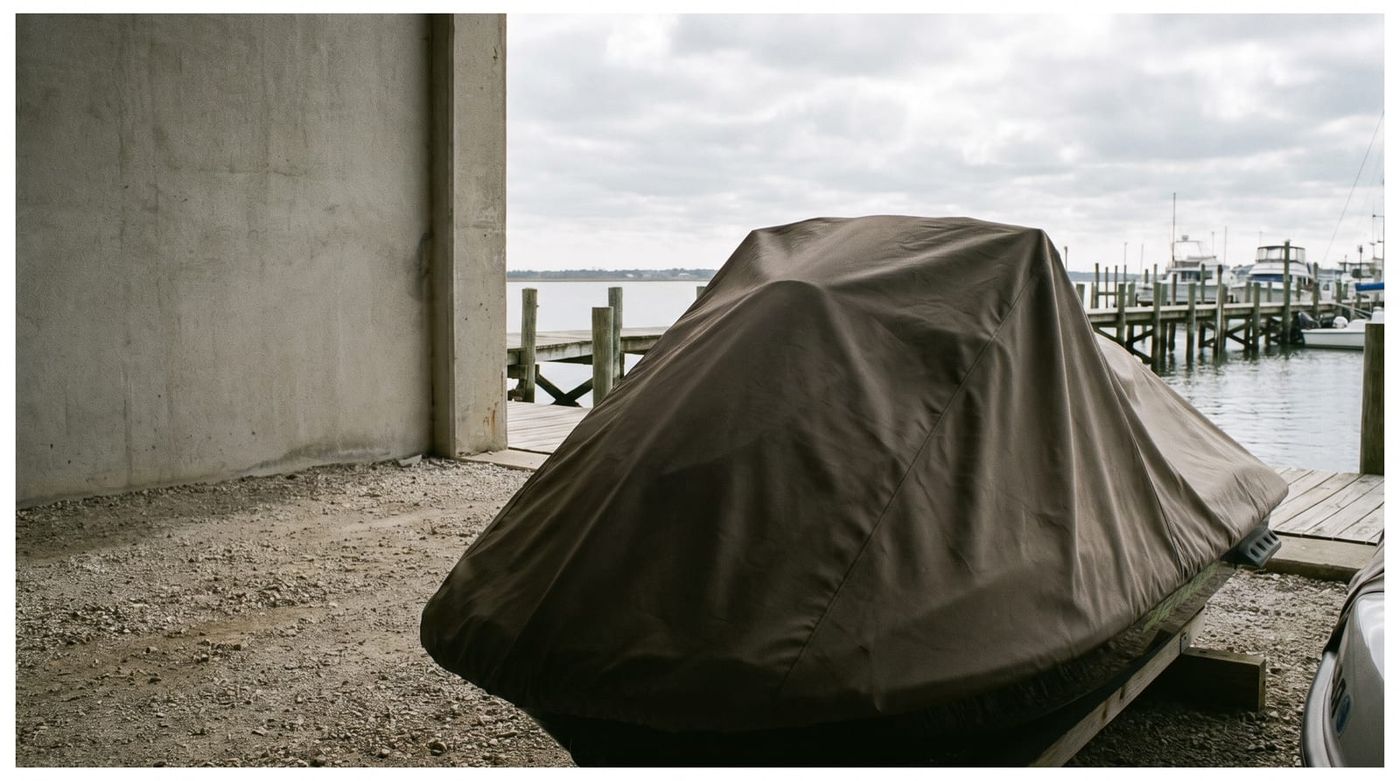
Yes, you need a cover for a jet ski in storage, whether it's sitting outside next to the dock or tucked into a heated garage for the winter. People assume four walls and a roof are enough protection. They're not. Dust settles into seams, sunlight sneaks in through windows and garage doors, and rodents don't care if your storage unit has a lock on it. A cover is cheap insurance against problems that are expensive to fix later.
Outdoors, the risks are obvious: rain, snow, direct sun, tree sap, bird droppings. Indoors, the risks are quieter but still real. UV rays pass through glass and still fade plastic. Humidity builds up in a closed garage just like it does outside, sometimes worse because there's less airflow. A cover's job doesn't change much based on location: it blocks UV that fades and cracks the seat vinyl and plastic trim, keeps moisture from creeping into the engine bay, keeps pests from deciding your hull is a good place to nest, and stops dust and grit from scratching the finish while nobody's looking.
What Happens If You Store a Jet Ski Without a Cover?

Skip the cover and the damage shows up faster than most owners expect. UV exposure alone can fade and crack seat vinyl, plastic trim, and graphics over a single off-season, even with only partial sun hitting the craft a few hours a day. That dull, chalky look on old jet ski seats? That's UV breakdown, and it's basically permanent once it sets in.
Moisture is the other big one. An uncovered engine bay collects condensation as temperatures swing between day and night, and that humidity sits on metal components and electrical connectors until corrosion starts. You won't see it happening. You'll just find out next spring when something doesn't start right or a connector's gone green.
Then there's wildlife. Mice, wasps, and other pests are drawn to engine compartments and exhaust outlets, especially once the craft's been sitting still for a few months with nobody around. An exhaust port is basically a ready-made burrow entrance if nothing's blocking it. And even if nothing crawls in, dust and debris work their way into seams, hinges, and the hull finish over a long storage stretch, which means more detailing work than should be necessary before the first launch of the season.
Does It Matter If You Store Your Jet Ski Indoors vs Outdoors?
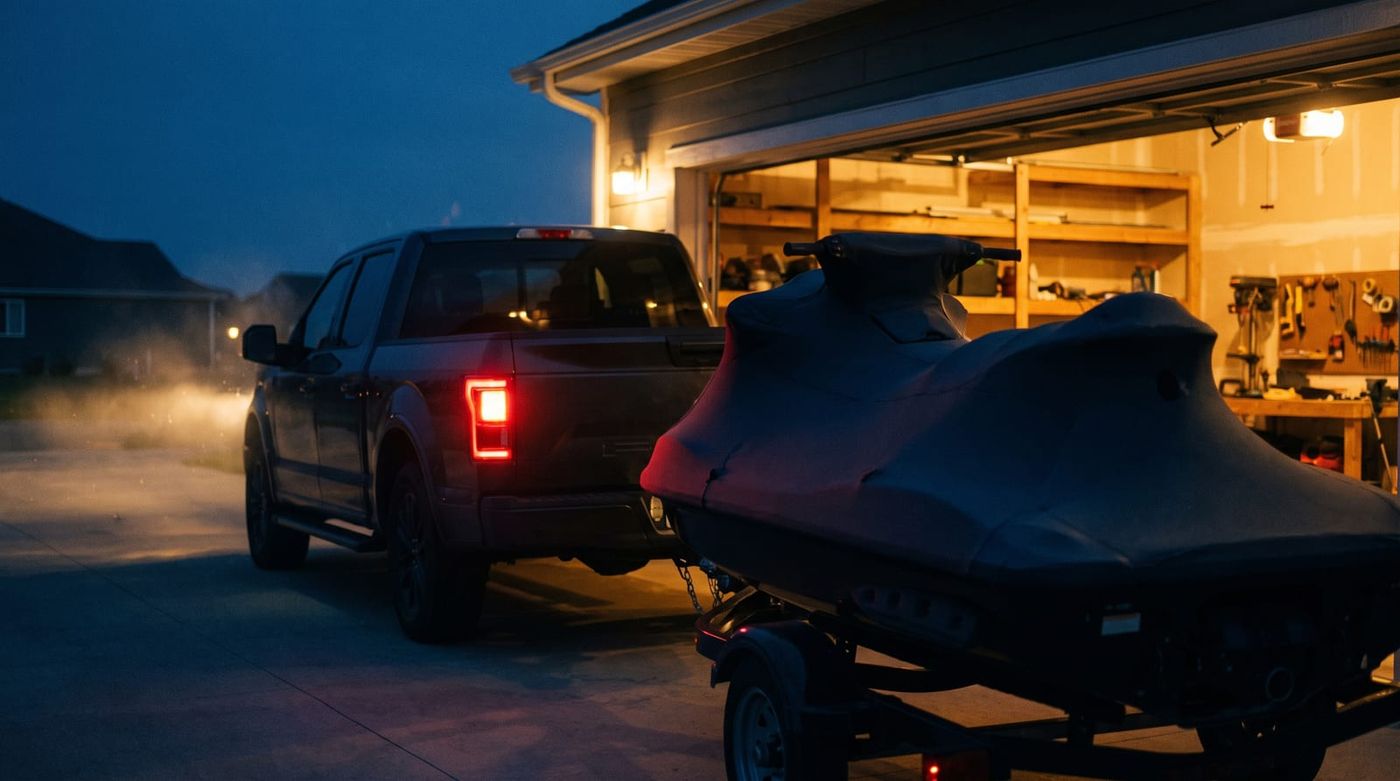
It matters for which cover you buy, not whether you need one at all. Outdoor storage calls for a cover built for UV resistance and waterproofing, with straps or tie-downs to keep wind from lifting it off mid-storm. That's the full-exposure scenario, so the outdoor car covers buying guide is a decent reference point for what "built for weather" actually means in terms of fabric and seam construction, even though it's written for cars.
Indoor or garage storage is lighter duty. You're mainly guarding against dust, scratches, and pests, not fending off rain, so a breathable cover without full waterproofing usually does the job. Thinking about fit for an enclosed space is worth a quick look at the indoor car covers guide for the general logic, since the same breathability-over-waterproofing idea applies.
One thing people miss: uncovered indoor storage still risks sun fading if the jet ski sits near a window or a garage door with glass panels. A garage isn't automatically a sun-free zone. If your storage spot gets afternoon light through a window, treat it closer to outdoor risk than you'd think.
What Type of Cover Is Best for Long-Term Jet Ski Storage?
Not all covers are built the same, and for long-term storage the differences actually matter.
A trailerable or fitted cover that cinches at the hem keeps wind from getting underneath, which matters whether the craft is moving down the highway on a trailer or just sitting in an open lot catching gusts. A loose cover that balloons in the wind does almost nothing. It just flaps, works its way loose, and lets rain or dust in at the gaps anyway.
Breathable, water-resistant fabric beats a fully waterproof plastic tarp for anything stored longer than a few days. That sounds backwards, but a sealed tarp traps the moisture that's already on or under it, and condensation builds up against the hull with nowhere to go. If waterproofing is the priority because the craft sits outside all winter, it's worth reading through the waterproof car covers guide to understand the tradeoff between "waterproof" and "breathable," since the two aren't the same thing and a lot of cheap covers pick the wrong one.
For anything stored outdoors for a whole off-season, look for mildew-resistant material on top of UV-stabilized fabric. Skip either one and you're trading a fading problem for a mildew problem, or vice versa.
Fit matters more than people think, too. A universal cover that's roughly the right size will flap, gap at the bow or stern, and let moisture and dust in at every loose spot. A model-specific cover for Sea-Doo, Yamaha, or Kawasaki crafts sits tighter against the hull contours and actually stays put through a season of wind and weather.
Do You Still Need a Cover If It's Shrink-Wrapped or on a Trailer?
Shrink wrap handles moisture from the outside, but it doesn't breathe. Humidity that's already inside the wrap stays there, with nowhere to escape, which is exactly the condensation problem a breathable fabric cover is built to avoid. A lot of owners wrap for the deep winter months, then switch to a breathable cover once they unwrap for spring storage or shoulder-season gaps. Some use a cover underneath the wrap for extra seam protection, though that's more belt-and-suspenders than strictly necessary.
A trailer by itself offers zero weather protection. None. It holds the jet ski off the ground and makes it easier to move, but sun, rain, and road debris don't care whether the craft's on a trailer in the driveway or parked at a storage yard. "It's on a trailer" and "it's covered" are two completely different statements, and only one of them actually protects the hull and seats.
If you're storing on a trailer long-term, look for a cover with trailer-fit features: tie-down loops and a hitch cutout specifically. A generic cover without those tends to bunch up around the trailer tongue and leave an opening right where wind and rain get in.
How Do You Prep a Jet Ski Before Covering It for Storage?
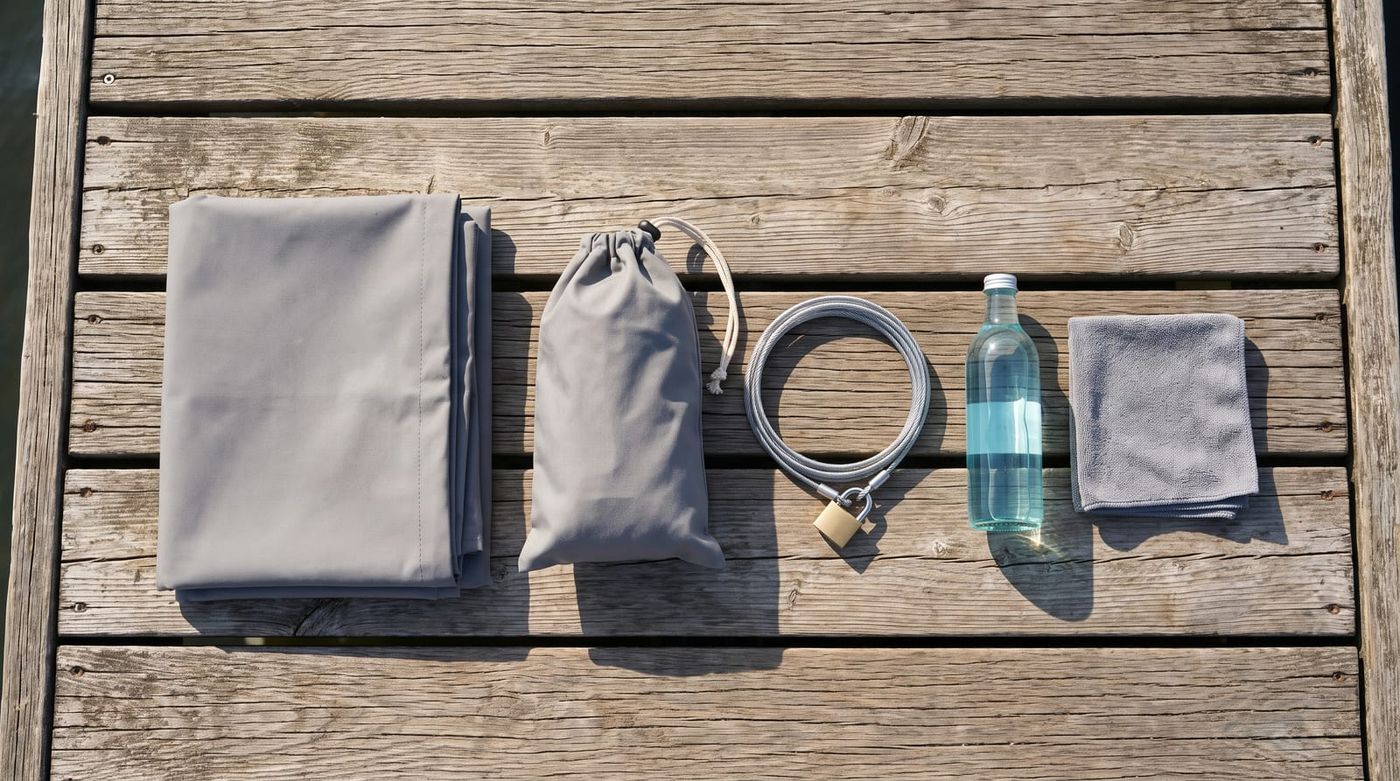
Covering a dirty, wet jet ski just seals the problem in. Clean the hull and seats first, then let everything dry fully before the cover goes on. Trapped moisture under a cover breeds mildew fast, and grime left on the hull can etch into the finish over a few months of contact.
If you're storing for the whole off-season, prep goes beyond cleaning. Fogging the engine and stabilizing the fuel are standard winterizing steps that protect the internals the same way a cover protects the exterior. Once spring rolls around, the guide to de-winterizing a jet ski walks through reversing all of that, which is worth bookmarking now so you're not guessing later.
Store the cover itself in its storage bag when it's not on the craft. Balling it up in a corner of the garage wears out the seams and the hem elastic faster than normal use would. And before you walk away for the season, check that the hem actually sits snug around the hull rather than hanging loose. A cover that's sagging at the edges isn't doing its job, even if it looks fine from a distance. For general cover upkeep between seasons, the car cover cleaning guide covers the same fabric-care basics that apply to a jet ski cover, too.
Choosing the Right Jet Ski Cover
So, yes, do you need a cover for a jet ski in storage: you do, full stop. It's cheap insurance against UV fading, corrosion, pest damage, and the kind of dust buildup that turns a quick spring cleanup into a half-day job. That's true whether the craft sits in a heated garage or out in the driveway all winter.
If you're shopping for one, match the cover to your actual storage conditions rather than grabbing the cheapest universal option on the shelf. A craft stored outside needs UV and water resistance; one stored indoors mostly needs breathability and a snug fit. Browse the jet ski covers category to compare options by brand and season, and if you're curious how cover sizing relates to the weight and dimensions of your specific model, the waverunner weight guide is a useful companion read.
Want more seasonal storage and care tips like this? Stick around the blog and subscribe for updates, we cover this stuff for every kind of vehicle, not just jet skis.