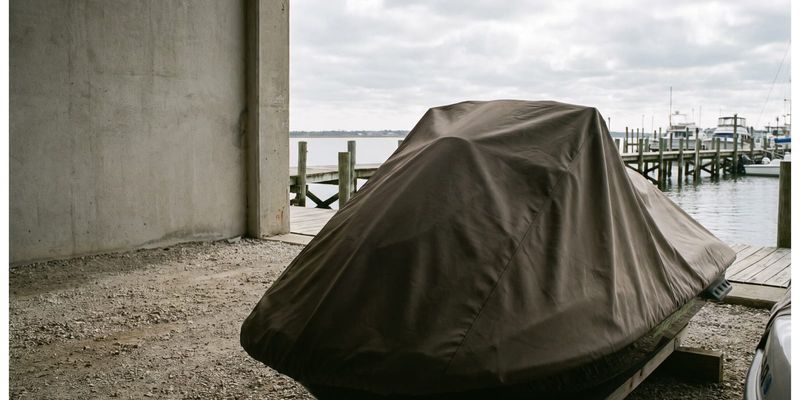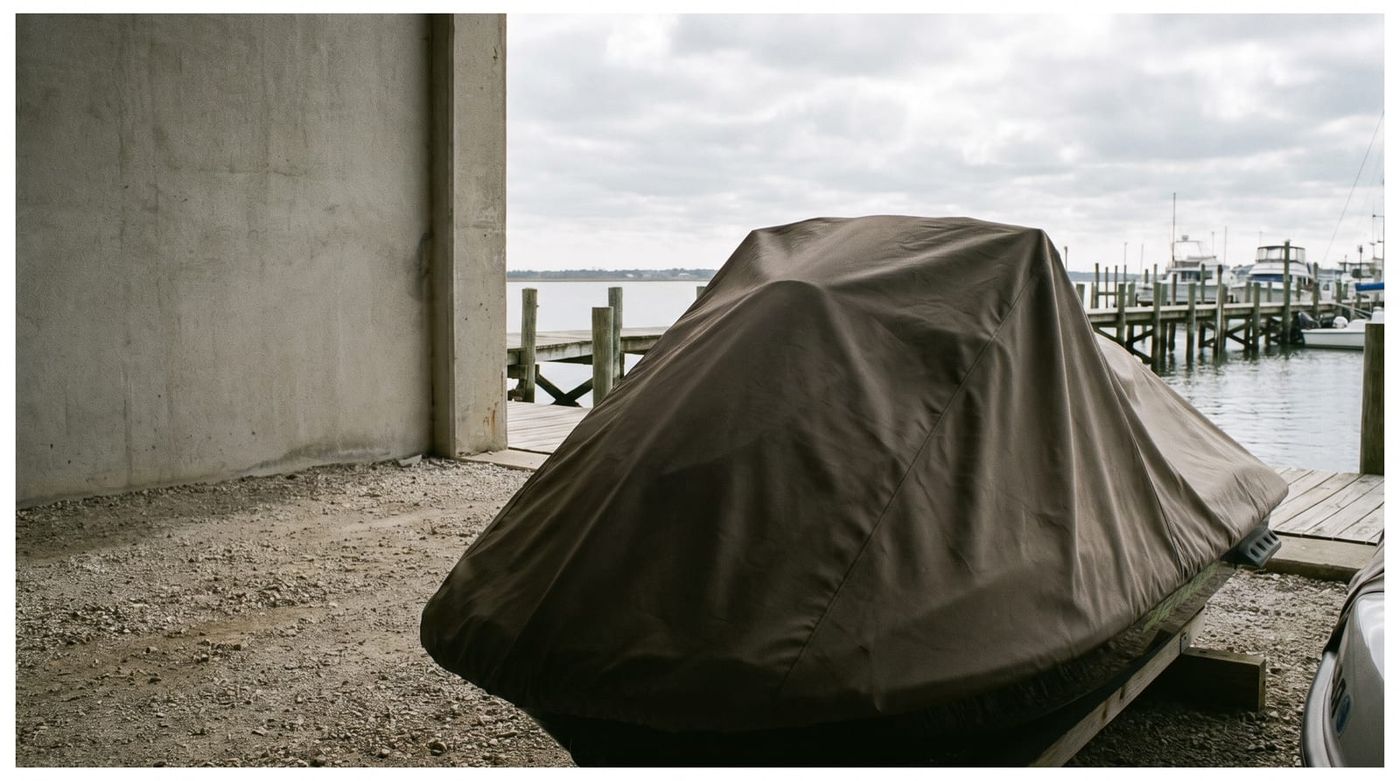
A tarp off the hardware store shelf will keep rain off a jet ski for maybe a season. After that, you'll find chafe marks on the gelcoat, a moldy hull cover underneath, and a strap system that was never meant to handle 70 mph of trailer wind. Finding the best cover for a jet ski means thinking about three things at once: fit, waterproofing, and how it actually stays on. Get any one of those wrong and the other two don't matter much.
Why a Jet Ski Needs a Purpose-Built Cover
A jet ski doesn't sit still like a car in a driveway. It's either bobbing at a dock soaking up humidity, parked on a trailer getting blasted by highway wind, or stored for months at a stretch with condensation building up underneath. A flat cover designed for a sedan in a garage was never built for any of that.
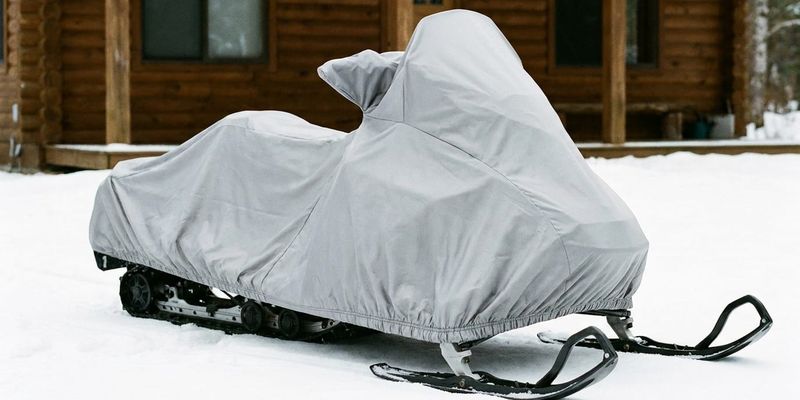
What separates a real jet ski cover from a repurposed tarp comes down to three things. First, a model-specific fit that actually tracks the hull, seat, and handlebars instead of billowing around them. Second, a shell that's waterproof without trapping every drop of moisture against the hull. Third, a strap and tie-down system that's rated for actual use, not just "keeps dust off in the garage."
Think of what follows as a checklist, not a sales pitch. By the end you should know exactly what to look for before you spend money on a cover that might not survive its first highway tow.
Getting the Fit Right: Model-Specific vs. Universal
A loose universal cover is a problem waiting to happen. At 65 mph on the interstate, extra fabric flaps, and that flapping turns into friction against the gelcoat. Months of that and you've got scuff marks and worn spots exactly where the cover rubbed. Go too small instead, and the cover strains at every seam, never fully seals around the hull, and tears at the first stress point.
Before you buy anything, pull out a tape measure. Check overall length, beam width, and the height of the windshield and handlebars, then compare that against the manufacturer's size chart. This is the same logic you'd use picking out what size car cover fits your vehicle, just scaled down to watercraft dimensions.
Popular models get their own cuts for a reason. Sea-Doo, Yamaha WaveRunner, and Kawasaki Jet Ski lines all have different hull shapes, seat heights, and console layouts, and a brand-specific cover is cut to match those contours instead of just draping over them. A universal cover can't do that. It's built to the lowest common denominator, which means it fits everything reasonably and nothing well.
Don't forget the add-ons, either. Mirrors, a swim platform, or a raised console all change which cut actually clears the craft. If you've modified yours, double check that the cover you're eyeing accounts for it, or you'll be stretching fabric over hardware it was never designed to clear. If you're unsure what your craft weighs or how it's built, knowing how much a WaveRunner weighs can actually help you gauge hull size and shape when size charts are vague.
Waterproofing: What to Look for in the Fabric

"Water-resistant" and "waterproof" get used interchangeably in marketing copy, and they shouldn't be. Water-resistant fabric beads up rain for a while, then eventually soaks through, especially at the seams. Waterproof means the seams themselves are sealed, taped, or welded so water has nowhere to get in. That distinction alone separates a lot of cheap covers from ones worth buying.
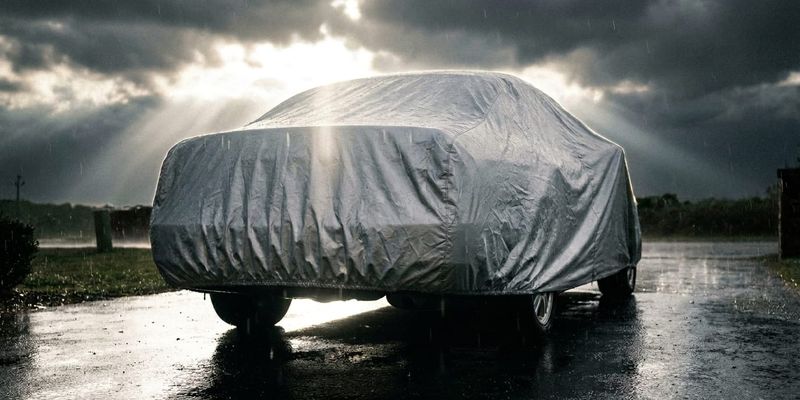
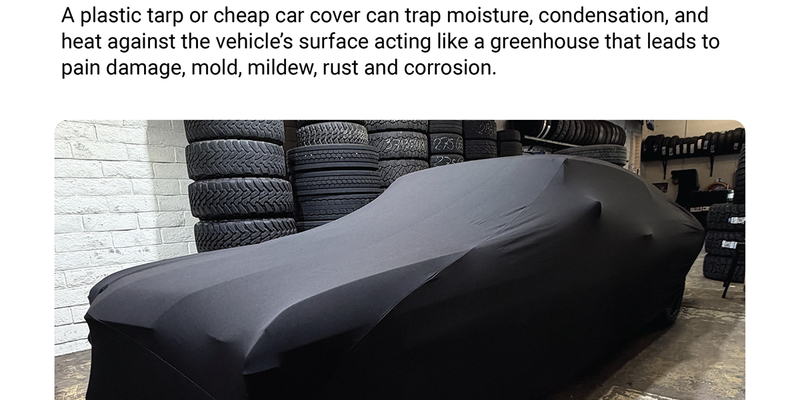
Here's the part people miss: breathability still matters even on a fully waterproof cover. If moisture gets trapped underneath a sealed shell with nowhere to go, you get mold and mildew faster than you would from occasional rain exposure. That's the same principle behind any waterproof car cover built for outdoor use. A good jet ski cover needs vented or breathable panels working alongside the waterproof shell, not instead of it.
UV stabilization is a separate issue from waterproofing entirely, and it's an easy one to overlook. Jet skis live in direct sun on open water with zero shade. Cheap vinyl fades, cracks, and turns brittle within a season or two under that kind of exposure. UV-stabilized fabric costs more up front, but it's the difference between a cover that lasts five years and one that's flaking apart by next summer.
A simple test tells you a lot. Leave it docked through a rainstorm. Does it shed the water, and does the hull underneath actually dry out between rides? If the answer to either is no, you're looking at the wrong cover.
Strap and Tie-Down Systems That Actually Hold at Speed
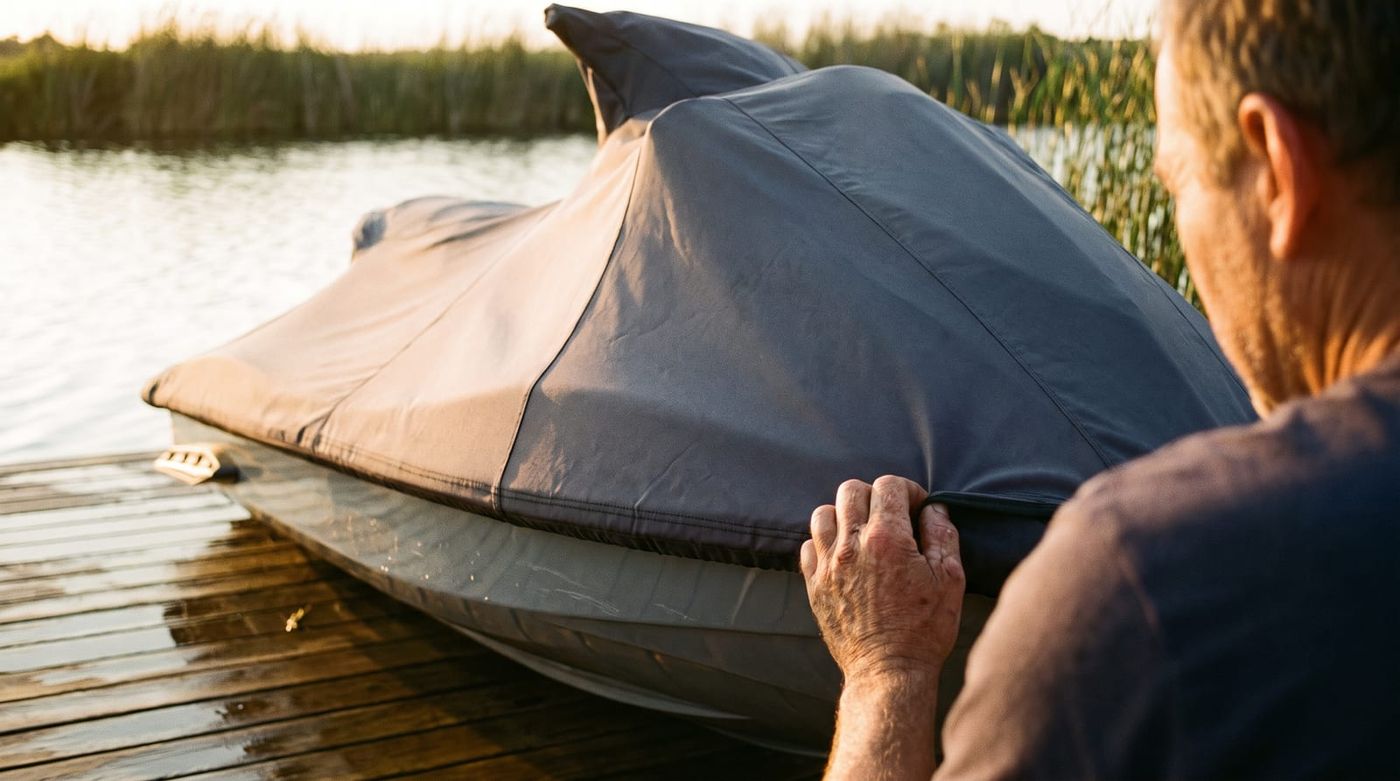
Not all straps are built for the same job. A storage strap just needs to keep the cover snug while the jet ski sits at the dock or in the garage. A trailering strap has to cinch underneath the hull and survive real highway wind without working loose. Confusing the two is how people end up with a cover flapping off somewhere around mile marker 40.
Bow and stern tie-down points matter more than most buyers realize. Without them, wind gets under the front or back edge of the cover and the whole thing balloons up, peels back, or works its way off entirely. A cover that only relies on an elastic hem has nothing to fight that lift once you're moving.
The setup to look for is a two-point system: elastic hem cord for a snug everyday fit, plus a separate cinch strap that runs under the hull for trailering. Elastic alone stretches out over time and loses its grip. A cinch strap keeps tension even after the elastic's best days are behind it. If you're setting up tie-downs yourself, the same approach used to install gust strap wind straps on a car cover applies here: anchor low, keep tension even, and don't rely on one point to do all the work.
One more thing worth checking: does the listing actually specify a wind speed or highway-use rating? "Outdoor use" on its own tells you nothing about whether it'll survive 65 mph on the interstate. If trailering is part of your routine, that rating should be spelled out, not implied.
Matching the Cover to How You Store the Jet Ski
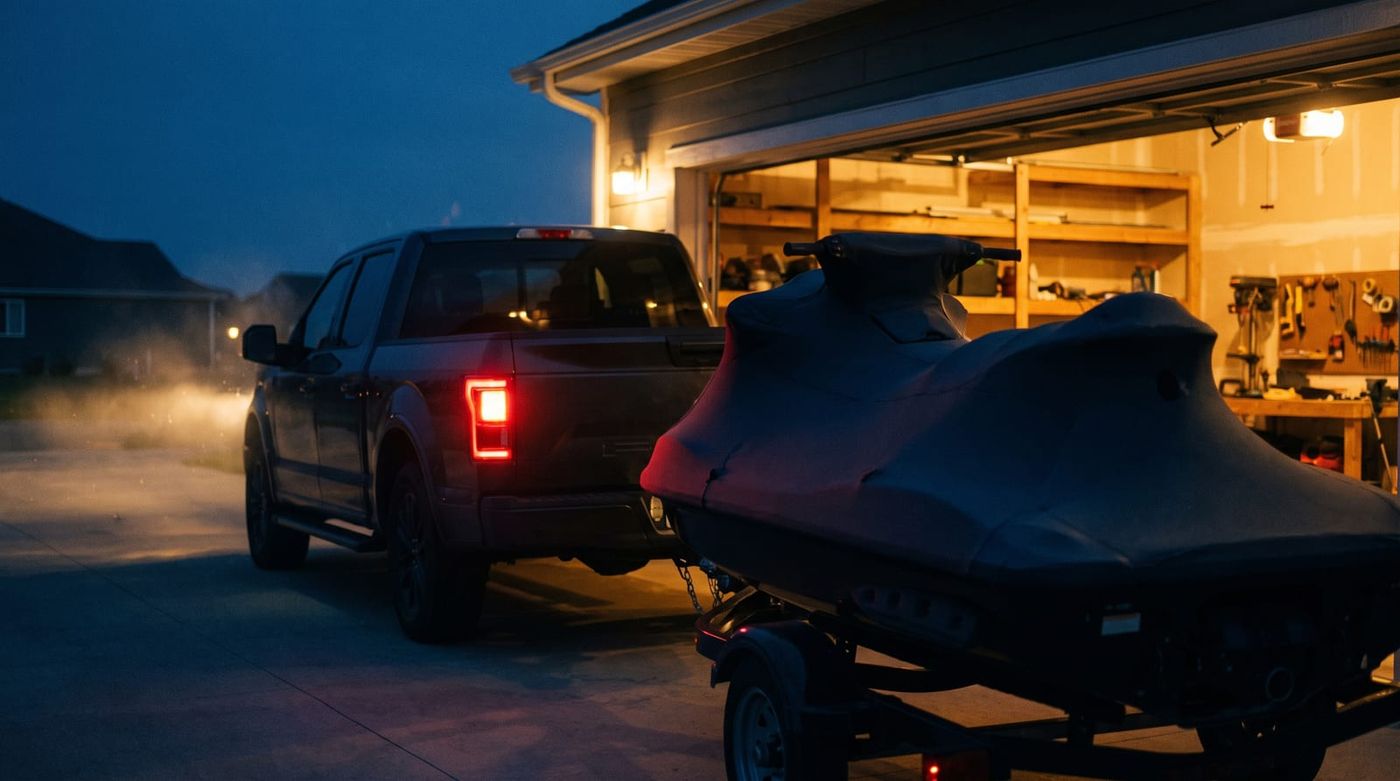
How you store the thing changes what you actually need from a cover. Trailer storage means constant wind load and abrasion wherever the straps make contact. Dock or lift storage means near-constant moisture and full-time UV exposure with no break. Indoor winter storage is a different problem altogether: less about waterproofing, more about keeping dust and scratches off while it sits.
If you're trailering regularly, don't cheap out on the strap system or the waterproofing. That combination takes the most abuse of any storage method, and a budget cover shows wear within a season. If the jet ski lives in a garage between rides, a lighter, more breathable cover does the job without paying for weather protection you don't need.
Seasonal storage adds its own wrinkle. A jet ski parked for the winter deals with condensation differently than one used every weekend in July, since the cover's on for months instead of hours. If you're prepping for long-term storage, it's worth reading through how to de-winterize a jet ski so you know what shape it should be in when the cover finally comes off in spring.
Buying Checklist Before You Order
Before you check out, confirm five things:
- Exact model and year fit. Not "fits most," your specific craft.
- Waterproof rating with sealed seams. Taped or welded, not just water-resistant fabric.
- A trailering-rated strap system. Cinch straps plus bow and stern tie-downs, not elastic alone.
- UV-stabilized fabric. Especially if the jet ski sees regular sun on open water.
- Vented or breathable panels. So moisture has somewhere to go.
Check the warranty on stitching and seams too. That's usually where budget covers fail first, long before the fabric itself gives out. A cover backed by a real lifetime warranty tells you the manufacturer isn't worried about seam failure down the road.
And measure the craft yourself. Length, beam, console height, all of it. Model listings are a good starting point, but if you've added aftermarket accessories or you're buying for an older model with design variations, your own tape measure beats a generic chart every time.
Find the Right Jet Ski Cover for Your Model
The best cover for a jet ski isn't the cheapest universal option sitting at the top of a search result. It's the one actually matched to your model, how often you trailer it, and where it spends the rest of its time. Get those three things right and the cover does its job without you thinking about it again.
If you want a cover cut for your exact craft, start by browsing options by brand rather than guessing at a generic fit. And once you've got a cover on, a quick cover cleaning routine now and then keeps the fabric breathing and the waterproofing doing its job for years, not just one season.
Want more guides like this before you buy? Stick around and subscribe for the next one.