Do You Need a Cover for a Snowmobile in Storage? Here's the Direct Answer
Published
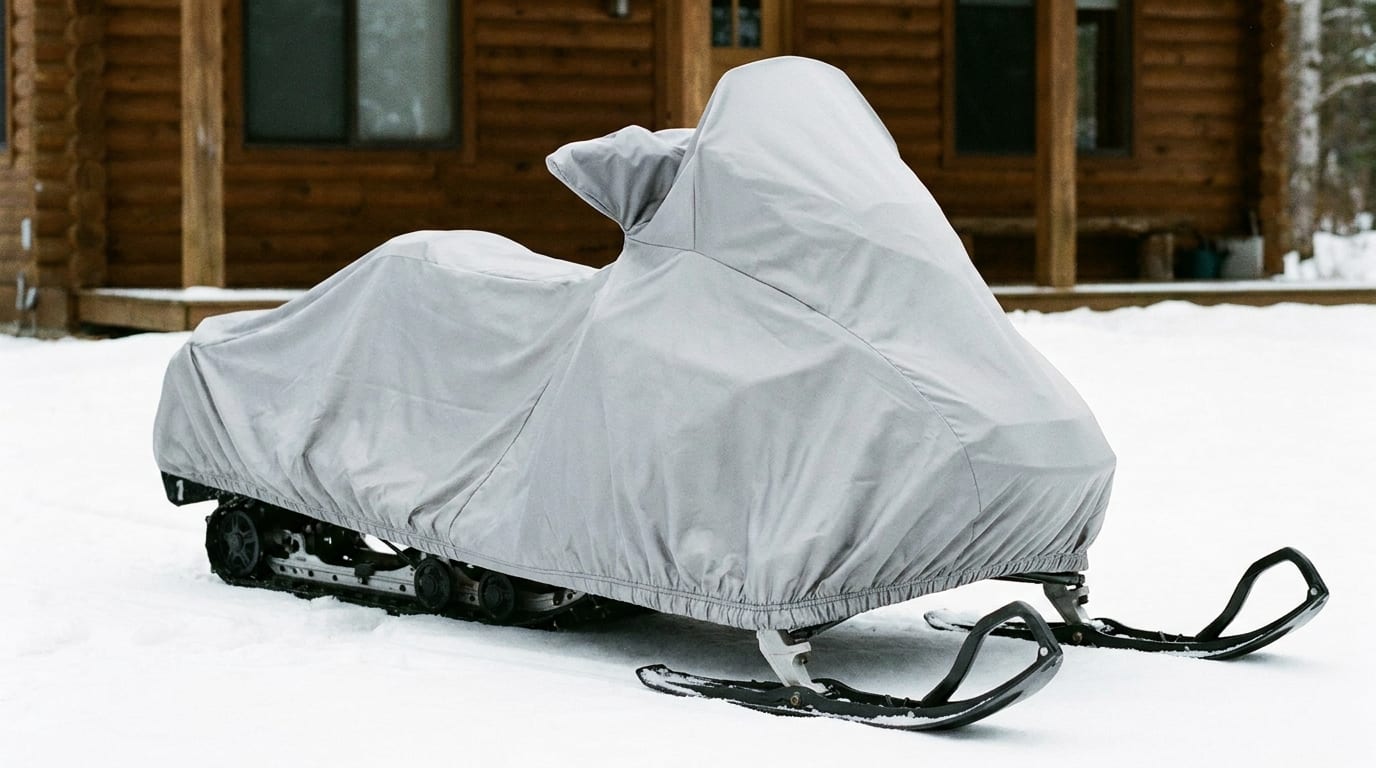
Do You Need a Cover for a Snowmobile in Storage?
Yes. Even if your sled sits in a heated garage all summer, it still benefits from a cover. So, do you need a cover for a snowmobile in storage? The short answer is yes, no matter where that storage happens to be, a garage, a shed, under a carport, or fully exposed in the backyard.
The reasons come down to four things: dust and debris building up in seams and vents, moisture and condensation settling on metal and plastic, pests looking for a warm place to nest in the seat foam or engine bay, and UV rays slowly fading your graphics and hood plastics. None of that stops just because your sled is indoors.
The rest of this article breaks down each risk in plain terms, and gets into what actually matters when you're choosing a cover, indoor or outdoor, universal or model-specific.
Why Does a Snowmobile Need a Cover Even Indoors?
A lot of owners assume "it's in the garage, it's fine." It mostly is, but not entirely. Garages and sheds still swing in temperature and humidity throughout the off-season. That swing causes condensation on exposed metal and plastic surfaces, the same way a cold glass sweats on a warm day. Over months of storage, that moisture cycle adds up.
Then there's pests. Mice and insects don't care if your snowmobile is parked next to a workbench instead of a tree. Unheated sheds and detached garages are exactly the kind of quiet, undisturbed space rodents look for once the weather turns. A cover won't make your sled invisible to them, but it does add a physical barrier around the seat foam, wiring harness, and engine compartment that makes nesting harder.
Indoor storage also doesn't stop everyday bumps. Bikes, totes, lawn equipment, whatever else shares the space, all of it can scuff a hood or scratch a windshield if it leans or brushes against the sled over a long winter. A cover absorbs that contact instead of your plastic.
For garage or shed storage, you don't need heavy-duty waterproofing. An indoor car cover style product, breathable and lighter-weight, is usually enough to handle dust, minor scuffs, and condensation without trapping moisture underneath.
What Happens If You Store a Snowmobile Without a Cover?
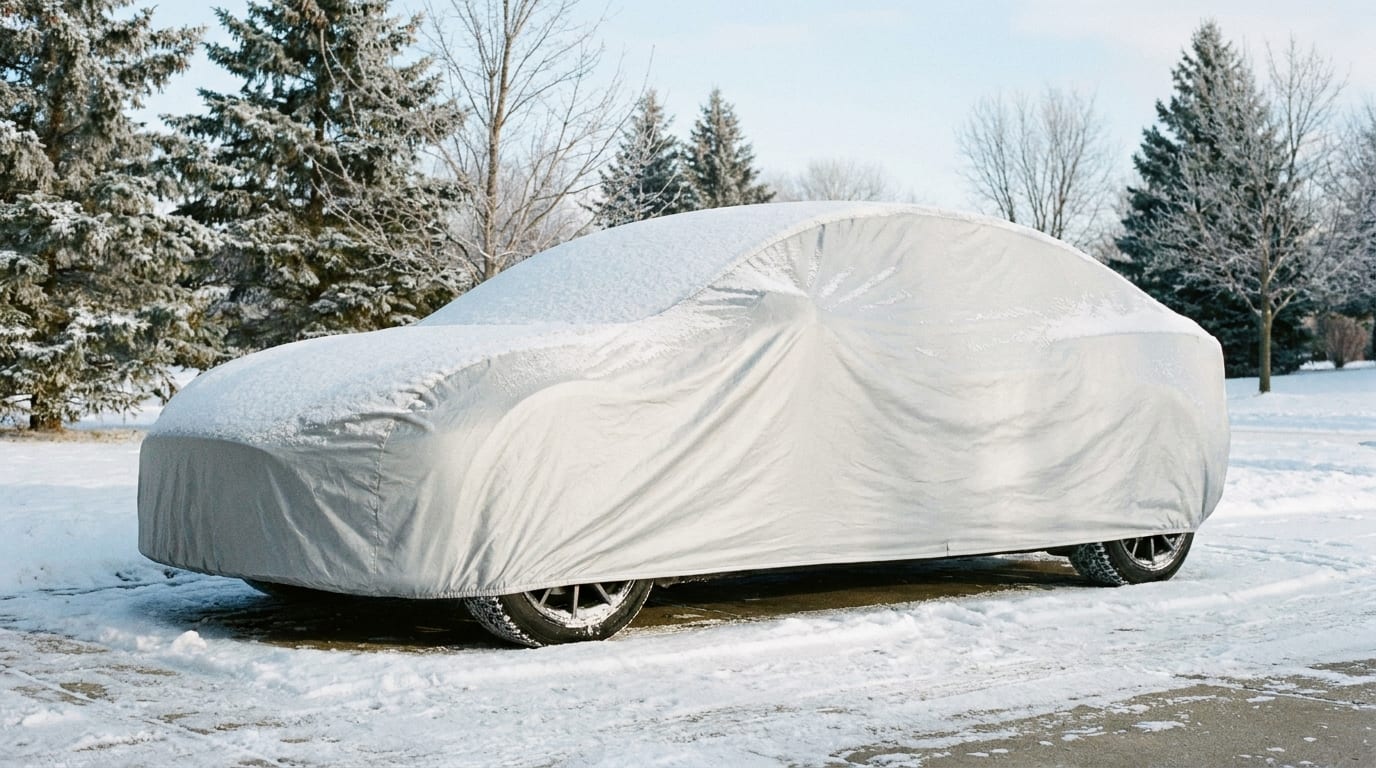
Skip the cover, and the first thing you'll notice come spring is grime. Dust settles into seams, vents, and the track area over months of sitting still, and that means more time spent scrubbing before you can even think about a trail ride. It's not dramatic, just tedious.
UV damage is the sneakier problem. Sunlight through a garage window is still sunlight. Months of it fades graphics, bleaches hood plastics, and dries out seat material, even when the sled never sees direct outdoor sun. By the time you notice, the fade is already permanent.
Moisture is the one that actually costs money. Without a cover managing airflow, condensation sits on exposed metal parts and electrical connectors, and that's a direct path to corrosion. A little surface rust on a ski spindle is cosmetic. Corrosion on a connector or sensor is a repair bill.
And then there's the complaint you'll hear most often from sled owners after a long off-season: something nested in the seat, or in the air intake. It happens more than people expect, and it's one of the clearest, most avoidable arguments for asking do you need a cover for a snowmobile in storage before you park it for the season.
Does a Snowmobile Need a Different Cover for Indoor vs. Outdoor Storage?
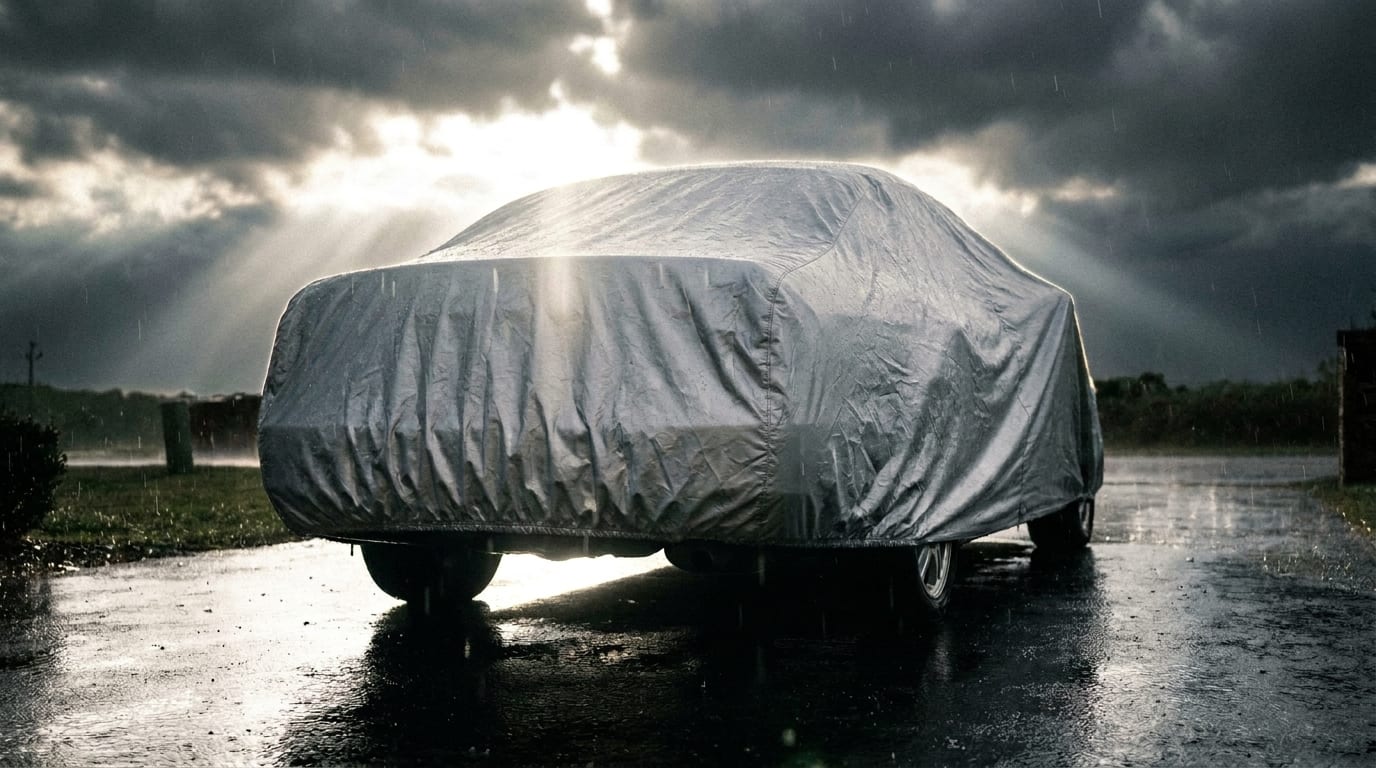
Yes, and the difference matters more than people think. Indoor covers are built around breathability, light dust protection, and keeping scratches off the finish. They're not waterproof, and they're not meant to be, since trapping moisture indoors causes the exact condensation problem you're trying to avoid.
Outdoor covers are a different category entirely. They need waterproof fabric, UV-resistant material that won't break down in direct sun, and secure strapping that can handle wind, rain, and snow load without shifting or tearing. An outdoor car cover built for those conditions is doing a fundamentally different job than an indoor one.
If your storage situation changes with the seasons, garage in summer, trailer or open shed in winter, buy for the harder condition. An outdoor-rated cover handles indoor storage fine, but an indoor cover won't hold up outside.
Fit matters here too. A custom-fit cover built for your specific snowmobile model sits snug around the skis, windshield, and tail. A universal one-size-fits-most cover tends to sag, shift in wind, and leave gaps where dust and moisture sneak in. Brands like Polaris, Ski-Doo, and Arctic Cat each have model-specific covers worth matching to your sled rather than defaulting to generic.
What Should You Look for in a Snowmobile Storage Cover?
Material comes first. Breathable fabric for indoor storage, waterproof and UV-resistant fabric for anything outdoor or long-term. Mixing these up is the most common mistake: a heavy waterproof cover indoors can trap humidity against the plastic instead of letting it escape.
Fit is next, and it's not just about looking tidy. A cover that cinches down around the skis, windshield, and tail stays put in wind. A loose one flaps, and flapping fabric on a windy driveway or open trailer wears through at the edges faster than you'd expect.
Closures tie it together. Elastic hems, underside straps, or buckle closures keep the cover anchored during gusts, especially for sleds stored on a trailer or in a carport where wind has room to get underneath.
| Feature | Indoor Cover | Outdoor Cover |
|---|---|---|
| Material priority | Breathable, lightweight | Waterproof, UV-resistant |
| Main job | Dust, scuffs, minor condensation | Rain, snow load, sun exposure |
| Closures | Light elastic hem | Straps, buckles, wind-rated hem |
| Best fit type | Universal often fine | Model-specific strongly recommended |
Popular brands each sell model-specific options worth checking against your own sled. If you ride Polaris, Ski-Doo, or Arctic Cat, start with their dedicated cover line before settling for a generic fit. For the full range, CarCovers' snowmobile cover selection breaks it down by brand and storage type.
How Do You Prepare a Snowmobile for Covered Storage?
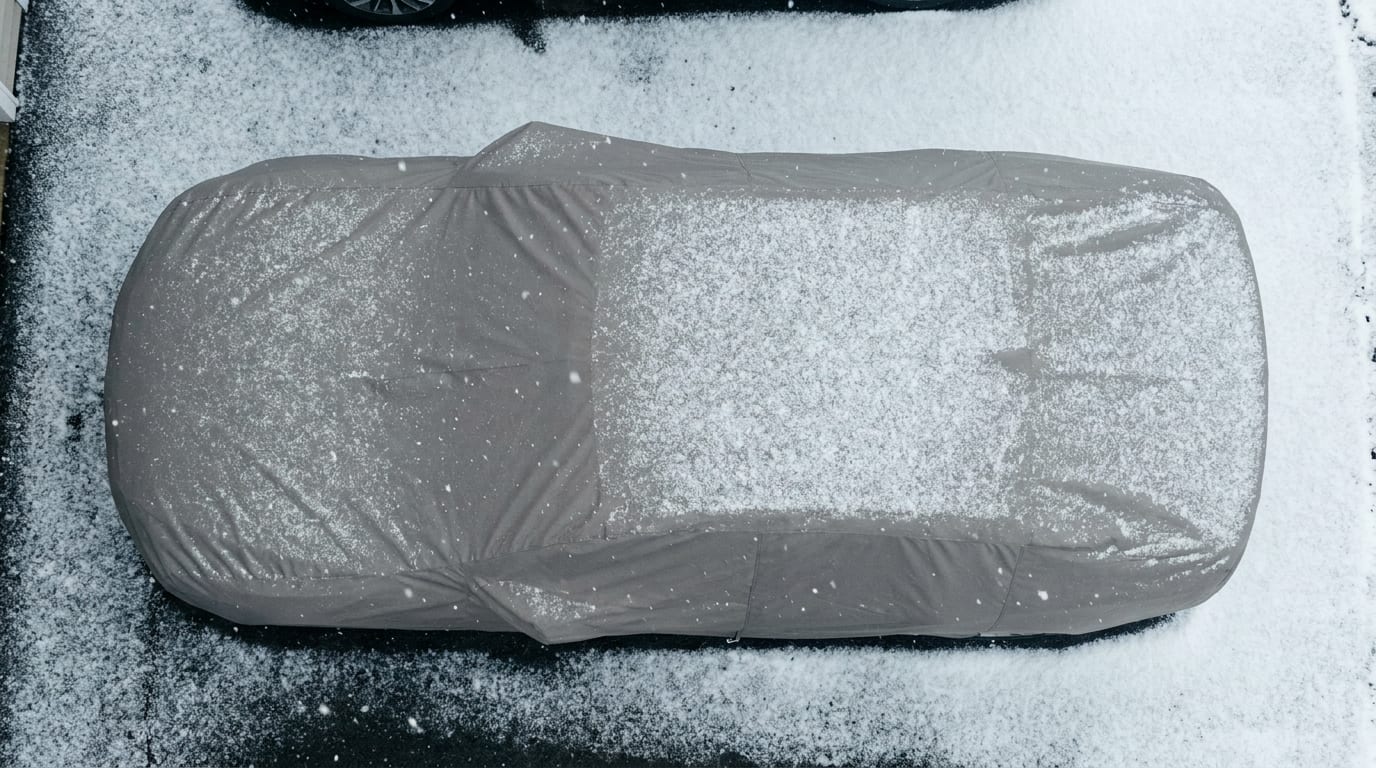
Clean it first. Dirt, salt residue, and grime trapped under a cover just sit against the finish for months, and that's worse than no cover at all. Dry it fully before you cover it too. Damp fabric under a cover is how condensation problems start.
Run the engine briefly with fuel stabilizer added, then let it cool all the way before covering. Covering a warm engine traps heat and moisture right where you don't want either.
Check on it periodically if you're storing it for the full off-season. Pull the cover back once in a while, look for pooling moisture or any sign of pest activity underneath. Catching it early beats finding it in April.
Keep accessories like battery tenders, trickle chargers, or spare parts stored nearby, not tucked under the cover itself. Anything bunched up against the plastic or seat under there just creates pressure points and trapped moisture pockets. For more on the cleaning side of things, cover care guidance and general car care practices carry over well to powersports vehicles too.
Bottom Line: Cover It, Even in Storage
So, do you need a cover for a snowmobile in storage? Yes, every time, regardless of where it sits. A cover is cheap insurance against fading plastics, pest damage, and the slow corrosion that comes from months of uncontrolled moisture.
If you're ready to match a cover to your model, browse CarCovers' snowmobile cover lineup and check the fit and material against your actual storage setup, heated garage, unheated shed, or fully exposed outdoors. Getting that match right is most of the job. And if you want more seasonal care tips like this, it's worth poking around the rest of the articles section while you're at it.
Frequently asked questions
Does a snowmobile need a different cover for indoor versus outdoor storage?
Yes. Indoor covers prioritize breathability and light dust protection, while outdoor covers need waterproof, UV-resistant fabric and secure strapping to handle wind, rain, and snow load.
Should I run the engine before covering a stored snowmobile?
Yes. Run it briefly with fuel stabilizer added, then let it cool completely before putting the cover on to avoid trapping heat and moisture underneath.