Do You Need a Cover for a Side-by-Side in Storage?
Yes. If your side-by-side is sitting in storage for any length of time, it needs a cover. That's true whether it's parked outside under a tarp lean-to or tucked in the back corner of your garage.
Here's why: most UTVs and SxS units aren't built like a sedan. Open cabs, exposed seats, bare metal brackets and bolts, all of it sits out in the open with no windshield or door panel standing between it and the elements. Dust settles into seams. Sun bakes the dash. Moisture finds its way onto anything metal. A fully enclosed car has layers of protection built in already. A side-by-side doesn't, so the cover is doing a job the vehicle itself can't do on its own.
The one exception worth mentioning: a tightly sealed, climate-controlled storage unit cuts down on a lot of this risk. But it doesn't erase it. Dust still drifts in every time a door opens. UV still comes through windows and skylights. If you're asking do you need a cover for a side-by-side in storage even in a controlled space, the honest answer is still yes, just with lower stakes than parking it outside all winter.
What Can Happen to an Uncovered SxS Left in Storage?
Leave a UTV uncovered for a season and you'll usually notice it in the seats first. Vinyl and foam dash material crack and fade from UV exposure, and this happens indoors too if the unit sits near a window or a garage door with glass panels. Sunlight doesn't need much of a gap to do damage over weeks.
Dust is the quieter problem. It settles into the open cab, works its way into vents, and finds electrical connectors. A side-by-side that sits untouched for a month or two will have a visible film on the seats and dash, and some of that dust ends up where it shouldn't: inside switches, around the ignition, in the air intake.
Then there's moisture. Temperature swings between day and night create condensation on exposed frame rails, bolts, and brake components. Add a little humidity and you've got the start of rust, especially on units that already see mud, water crossings, or salt air during the season.
And don't discount pests. A SxS sitting untouched for weeks is an open invitation for mice and other rodents looking for a warm, quiet spot. Wiring harnesses and air intakes are exactly the kind of tight, insulated space they like to nest in, and chewed wiring is a much more expensive fix than a cover would've been.
Does It Matter If It's Stored Indoors or Outdoors?
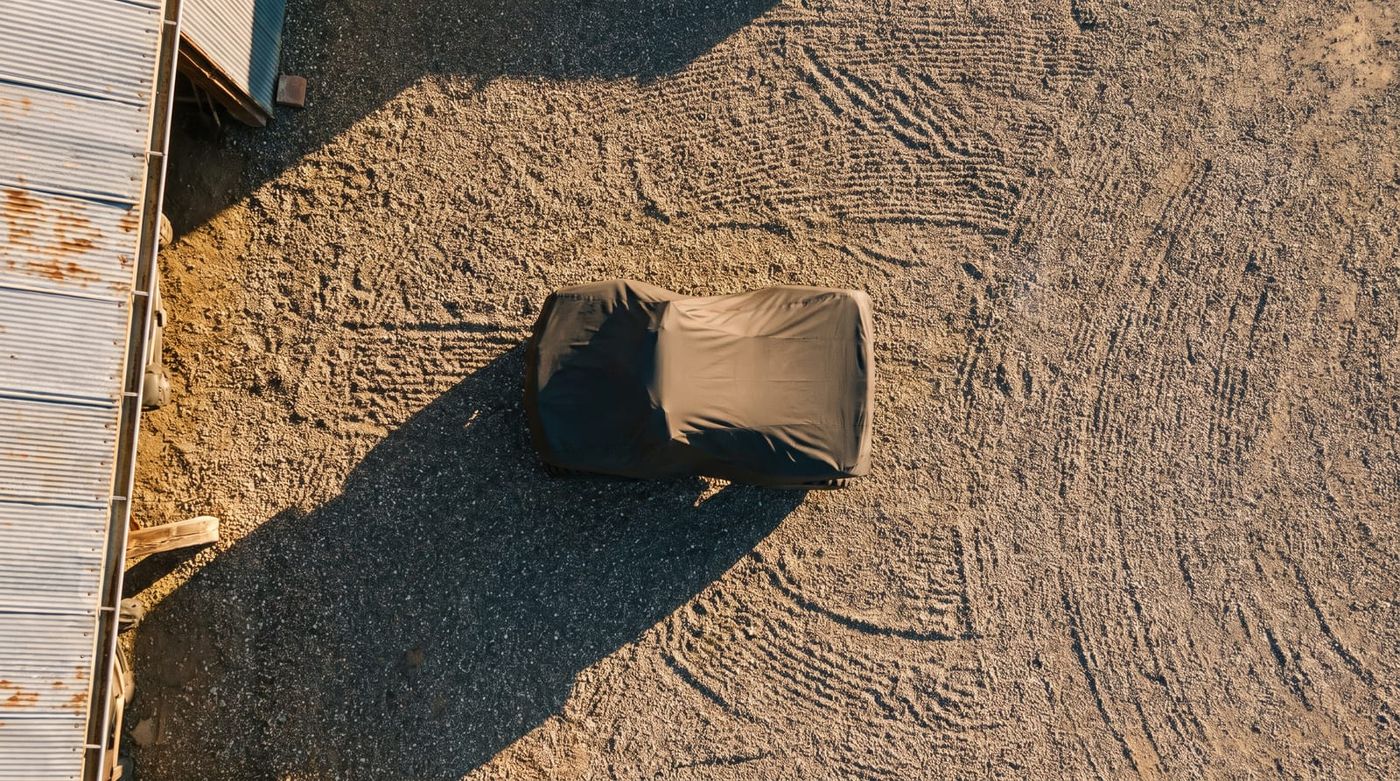
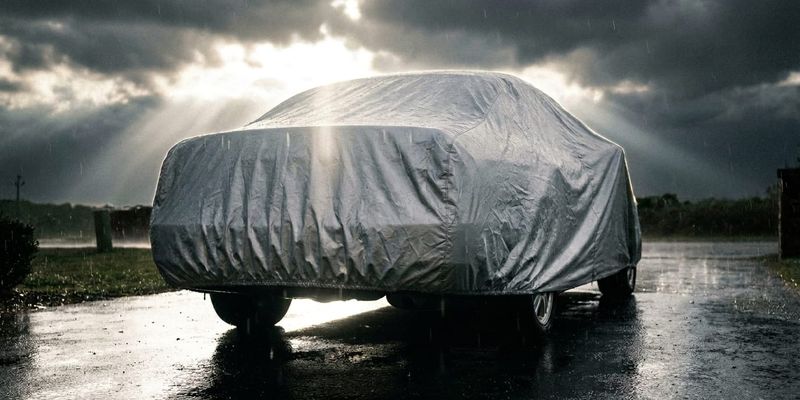
It matters a lot, actually. Outdoor storage means rain, snow load, direct UV, and wind, so a waterproof, UV-rated cover isn't optional there. You need something built to shed water and hold up to sun exposure day after day, not a thin layer that's just keeping bugs off. The outdoor car covers guide covers the material differences that matter here, and the same logic applies to a UTV sitting outside all season.
Indoor storage is a lower-stakes situation, but not a zero-risk one. A lighter indoor cover still earns its keep by blocking dust, catching stray paint or chemical fumes from a garage shelf, and preventing scratches from whatever else gets stacked nearby, a ladder, a snow shovel, a bike leaning against the wall. Garages are busy spaces. Things lean, things fall, things drip.
The mistake a lot of owners make is using one cover for both situations. A heavy waterproof cover indoors traps moisture and can actually cause more harm than good if it isn't breathable. A thin indoor cover outside won't survive a storm. Match the cover weight and material to where the vehicle actually lives, and you'll get better results than treating "a cover" as one generic product.
What Should a Good Side-by-Side Storage Cover Protect Against?
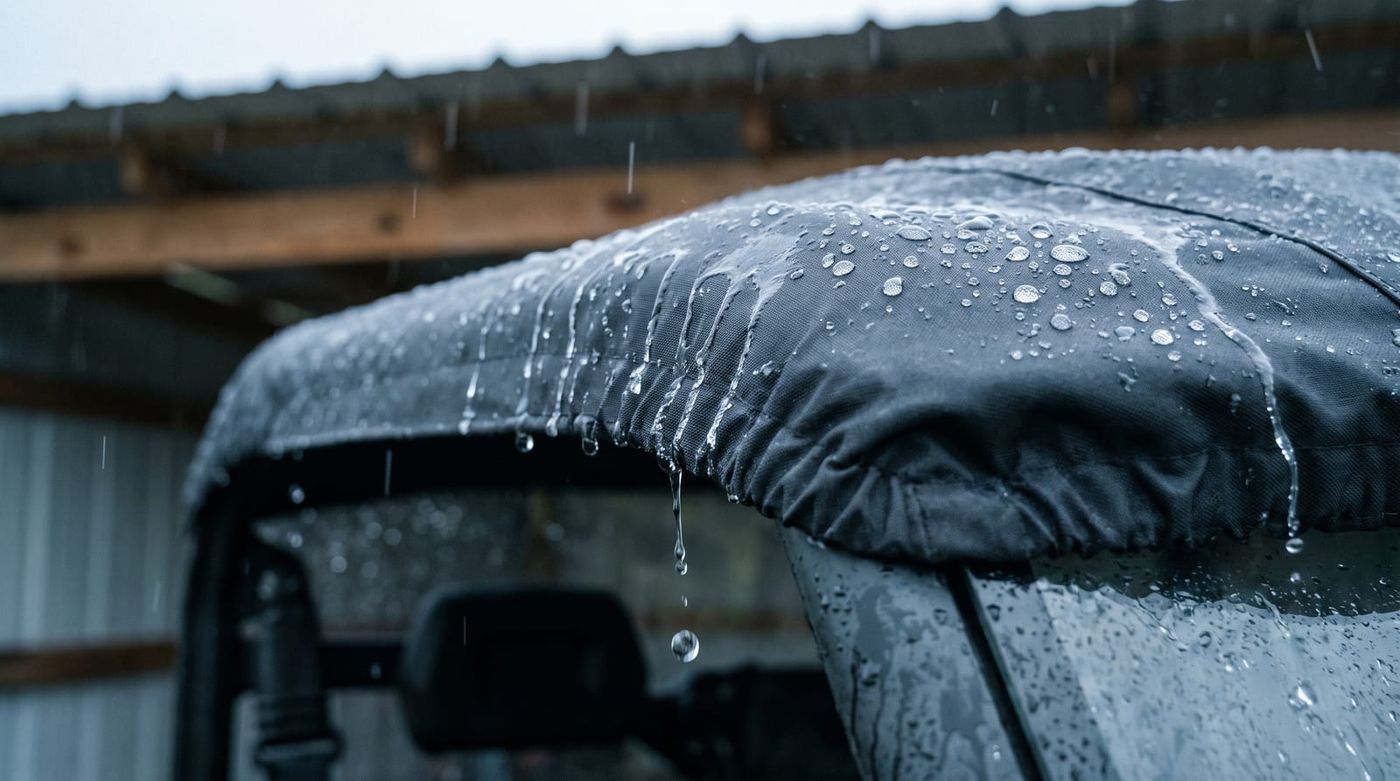
A cover worth buying needs to handle a few specific threats, not just look like it covers the vehicle.
- UV rays. Months of sun exposure fade plastic body panels and crack seat material. A cover with real UV-rated fabric is doing more than blocking rain.
- Moisture and waterproofing. Anything stored under a carport or in open air needs a cover that actually sheds water instead of soaking it in and holding it against the paint.
- Dust and debris. Even garage and shed storage sees particles settle over time, especially if the space isn't sealed tight.
- Wind resistance. A cover that isn't properly strapped down will shift, flap, and eventually blow partway off, which defeats the purpose. Reinforced straps and a secure fit matter as much as the fabric itself.
If you want the deeper breakdown on how waterproofing, UV resistance, and wind all interact, the guide to using a car cover outdoors walks through it in more detail, and most of it applies directly to UTVs parked outside.
Do You Still Need a Cover If It's in a Garage or Shed?
Yes. Smaller risk, still a real one. Garages and sheds aren't sealed vaults, they see dust, incidental bumps, and humidity swings just like anywhere else, just at a lower intensity than sitting outside in the weather.
The risk level is lower than outdoor storage, no argument there. But garages still swing in temperature between morning and afternoon, and that swing creates condensation on metal surfaces even indoors. Add in whatever's stored nearby, paint cans, yard tools, the occasional stray scratch from moving something past it, and an uncovered SxS in a garage is still exposed to more than people assume.
The fix here isn't the same heavy-duty cover you'd use outside. A lighter indoor-style cover does the job without trapping heat or moisture, and it's a lot cheaper than dealing with faded upholstery or a scratched panel down the line. Skipping a cover entirely because it's "just in the garage" is the one habit worth breaking.
How Do You Choose the Right Cover for Long-Term Storage?
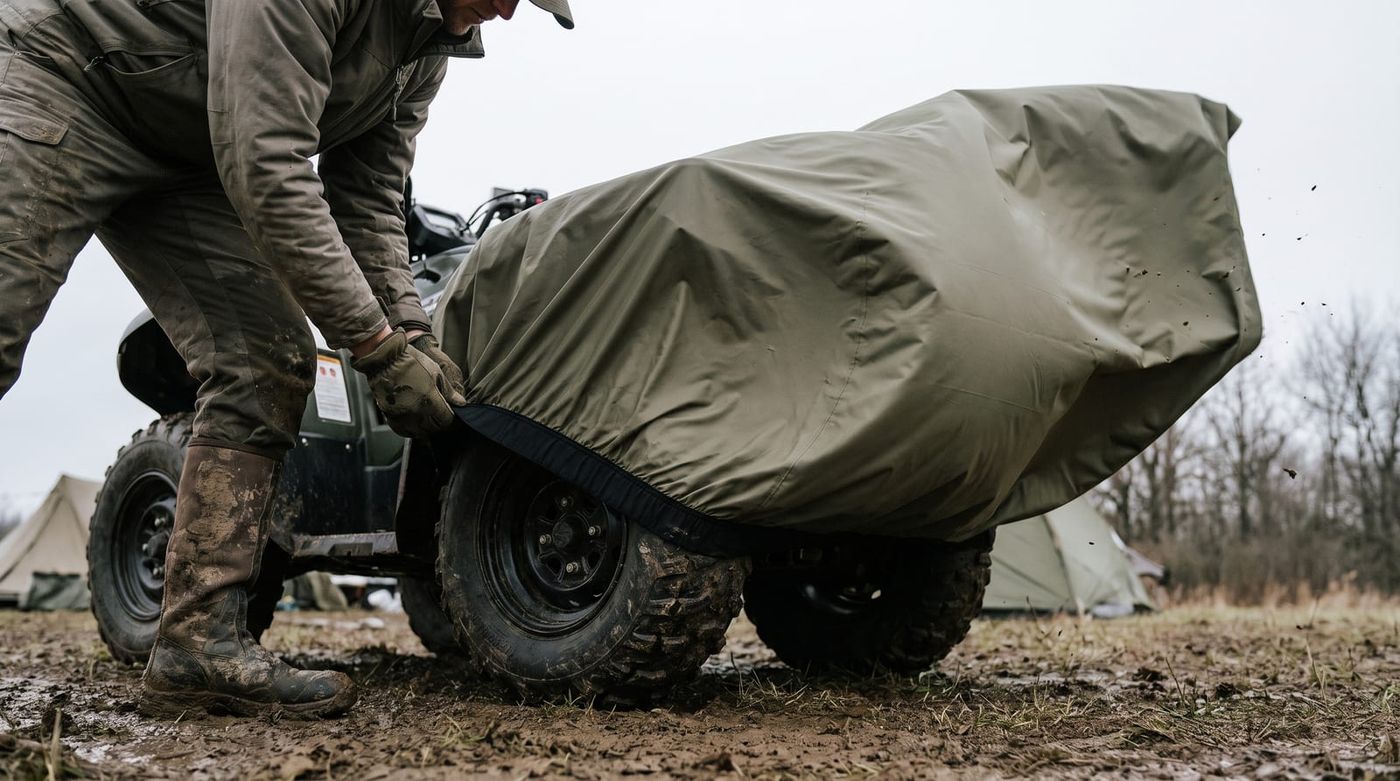
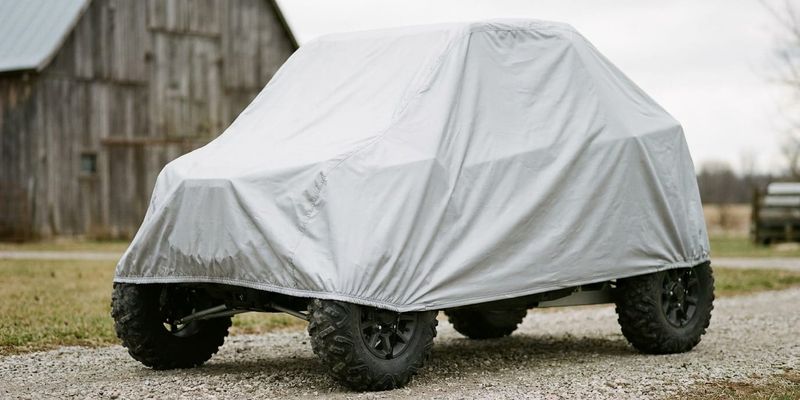
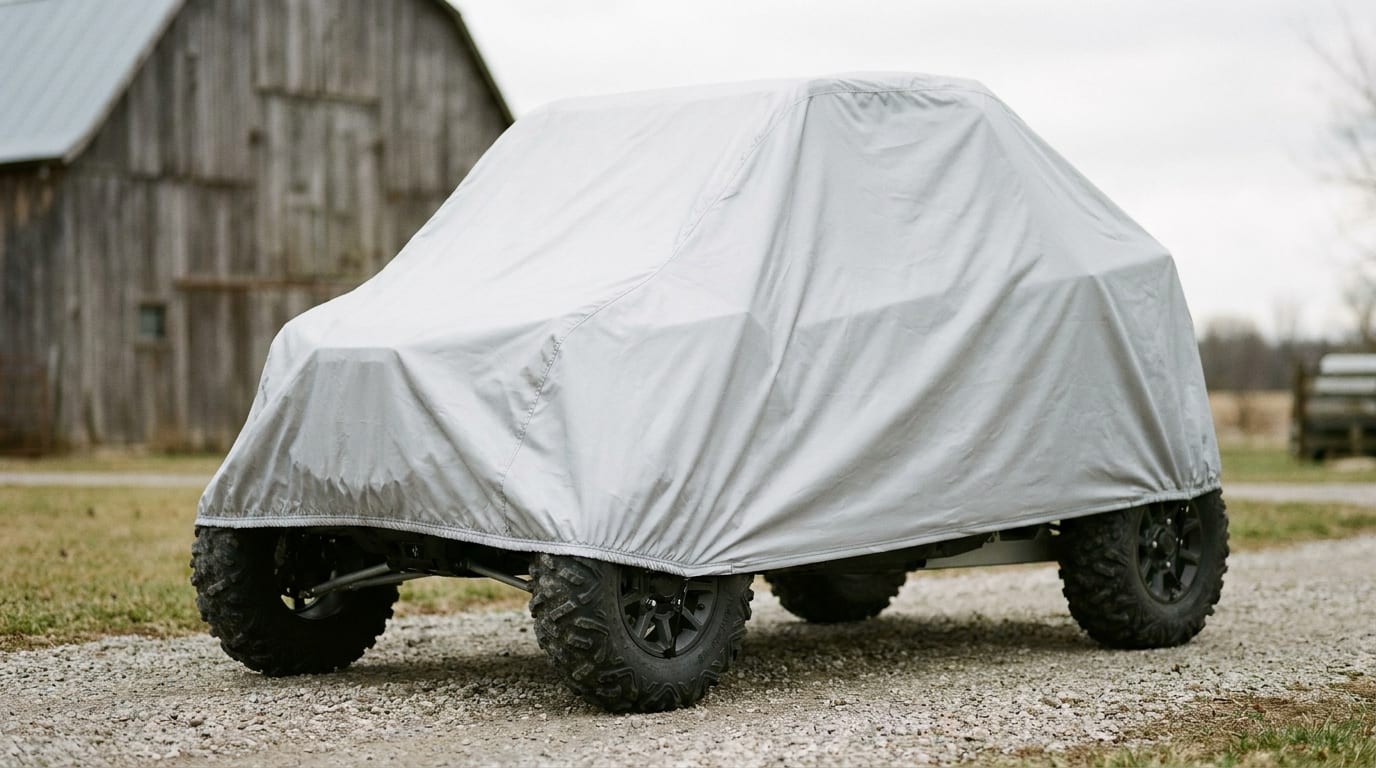
Fit is where most people go wrong. A generic universal cover often leaves gaps around the cab or bed, and those gaps are exactly where dust and moisture get in. Checking fit by make and model matters more than people expect, because side-by-sides vary a lot in body shape even within the same size class.
A few things worth checking before buying:
- Reinforced straps or cinch points. A cover that isn't secured will shift in wind over a long storage stretch, and that movement rubs against the finish.
- Model-specific fit. Popular brands like Polaris, Can-Am, and Kawasaki each build slightly different body shapes, roll cage heights, and bed configurations, so a cover built for the specific model fits tighter than anything generic.
- Breathability. A cover that's fully waterproof but not breathable can trap moisture underneath during temperature swings, which causes the exact condensation problem you're trying to avoid.
For anyone storing in standing water conditions or under an open carport, the waterproof car covers page breaks down which materials actually hold up versus which just claim to. If the unit's staying in a garage most of the year, the indoor car covers option is the better starting point instead.
Protect Your Side-by-Side All Season Long
So, do you need a cover for a side-by-side in storage? Yes, indoors or out, every time it's sitting idle for more than a few days. The risks are different depending on where it's parked, but the exposure is real either way, and a cover is the cheapest insurance you'll find for a vehicle that cost a lot more than the cover itself.
If you're ready to compare fit and material options for your specific model, UTV and ATV covers is worth a browse before your next storage stretch. And if you're still weighing whether a cover is worth the cost at all, why buy a car cover lays out the broader case in plain terms.
One more thing worth checking before you buy: a cover backed by a solid warranty is a low-risk way to protect a higher-value investment like a side-by-side, since you're not betting on a product holding up for one season and falling apart the next.
FAQ
Do you need a cover for a side-by-side in storage even indoors? Yes. Indoor storage lowers the risk from rain and direct sun, but dust, temperature swings, and incidental scratches still happen in garages and sheds. A lighter indoor cover handles this without the bulk of a full outdoor cover.
What's the biggest risk to an uncovered SxS in long-term storage? UV damage to seats and dash material, plus rust forming on exposed metal from condensation. Both happen gradually and are easy to miss until the damage is already done.
Can one cover work for both indoor and outdoor storage? Not well. A heavy waterproof cover used indoors can trap moisture against the vehicle, while a light indoor cover won't hold up outside. Matching the cover to the storage environment gets better results than using one cover for everything.