Do You Need a Cover for an ATV in Storage?
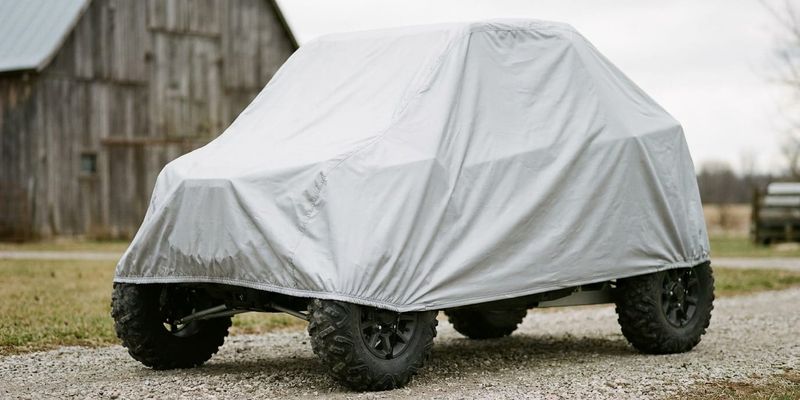
Yes. Full stop. Whether your ATV is parked outside against a fence, tucked into a garage bay, or sitting in the back corner of a barn, it needs a cover while it's in storage. A cover blocks dust, moisture, UV fading, pest nesting, and surface corrosion, and it does this even in spaces you'd call "protected." Garages collect dust. Sheds trap humidity. Barns have mice. So when people ask do you need a cover for a ATV in storage, the honest answer isn't "it depends on where you keep it." It's yes, with the cover type being the only real variable.
There's one real exception worth naming: a fully sealed, climate-controlled storage unit. That kind of environment cuts down on most of the risk factors above. But "reduces" isn't "eliminates." If your ATV is sitting for a full season or longer, even climate-controlled storage benefits from a cover built for the ATV/UTV category. Dust still settles. Little pests still find gaps. A cover is cheap insurance against a machine you might not touch again until spring.
What Happens to an Uncovered ATV in Storage?
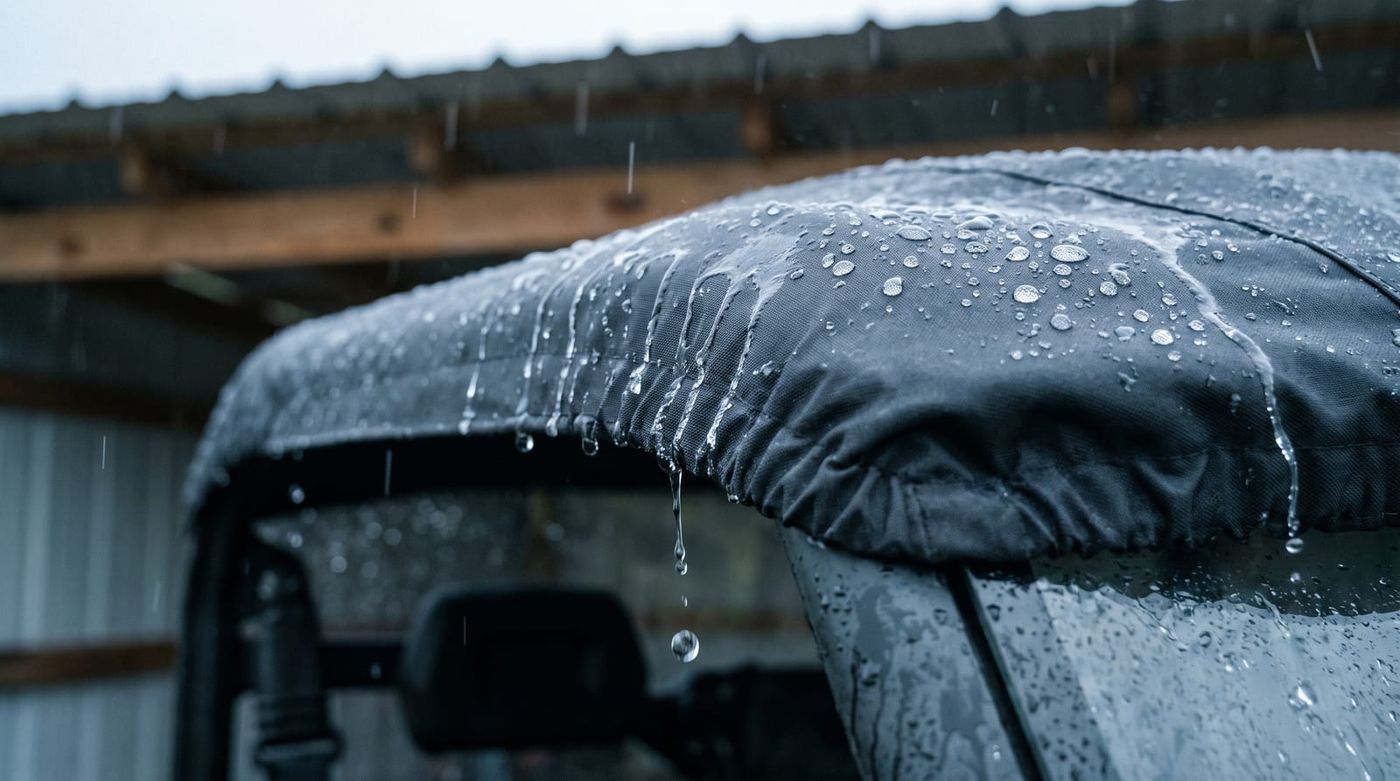
Leave an ATV uncovered for a few weeks and you'll start to see it in the details. Dust works its way into seams, settles into the seat foam, and finds its way into the air intake, where it doesn't belong. None of that is dramatic on day one. It adds up.
UV is the sneakier problem. Plastic body panels and decals fade from sunlight even through a garage window or an open-sided carport. You don't need direct outdoor exposure for UV damage to happen, just time and a light source.
Then there's condensation. Temperatures swing overnight, moisture forms on bare metal and chrome, and that moisture doesn't just evaporate cleanly. It sits. Racks, bumpers, and fasteners start showing surface rust faster than owners expect, especially in humid climates or near coastlines.
And the one nobody thinks about until it's too late: rodents and insects. An ATV that sits untouched for months is a quiet, warm, sheltered spot. Mice nest in the engine bay. Wasps build in the exhaust. Spiders move into the seat gap. A cover is a physical barrier between your machine and every creature looking for a winter home.
Does It Matter If the ATV Is Stored Indoors or Outdoors?
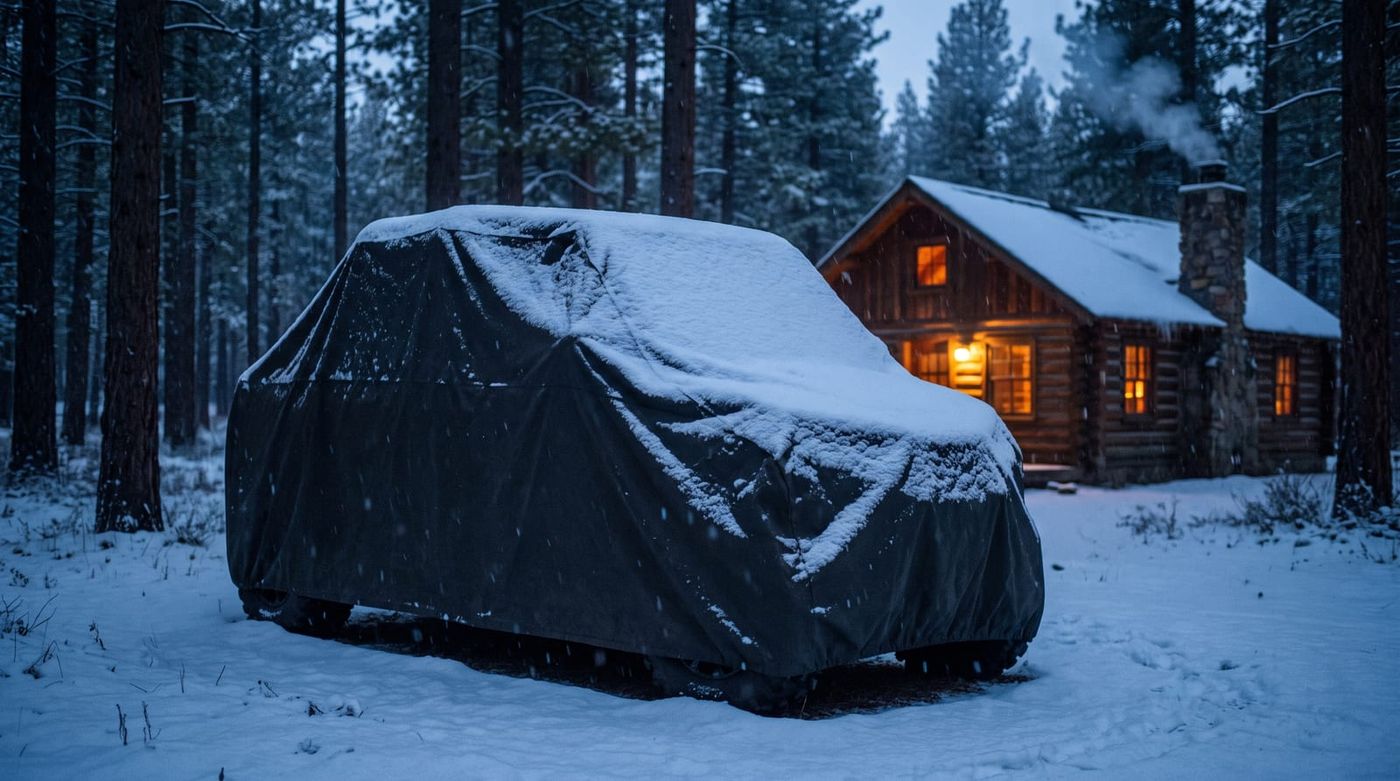
It matters for which cover you buy, not for whether you need one.
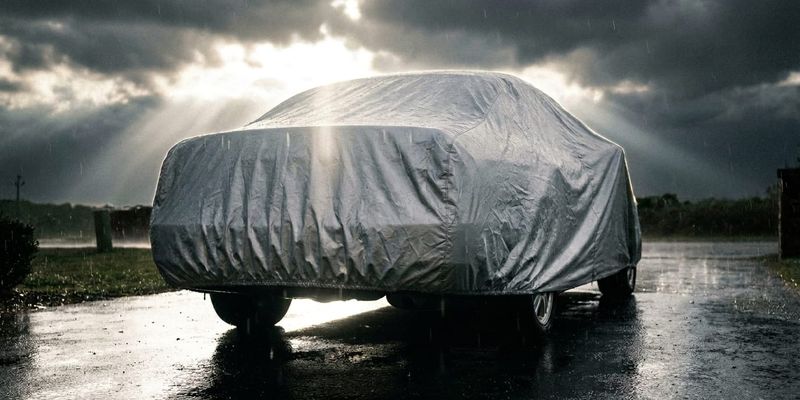
Outdoor storage is the harder environment, obviously. Rain, snow load, UV, and wind all hit the machine directly, so the cover needs to be genuinely waterproof, not just water-resistant, and it needs a secure strap or tie-down system. A cover that isn't cinched down will flap in the wind, and a flapping cover causes its own damage over time.
Indoor storage in a garage or shed is gentler, but "gentler" isn't "none." You're still dealing with dust, the odd scratch from tools or gear leaning against the ATV, and some pest risk if the space isn't sealed tight. A lighter, breathable indoor cover handles that fine. You don't need the heavy-duty waterproof version if the ATV never sees weather.
Picture a Polaris Sportsman left outside all winter under a carport, no real walls, just a roof. That setup needs the full outdoor treatment: waterproof material, straps, UV protection, the works. Owners can check Polaris-specific ATV covers or look at a fitted cover built for the Sportsman 570 to get something that actually matches the machine instead of a generic size. If you're not sure which category your setup falls into, the difference between indoor and outdoor cover specs is worth five minutes of reading before you buy.
How Do You Prep an ATV Before Covering It for Storage?
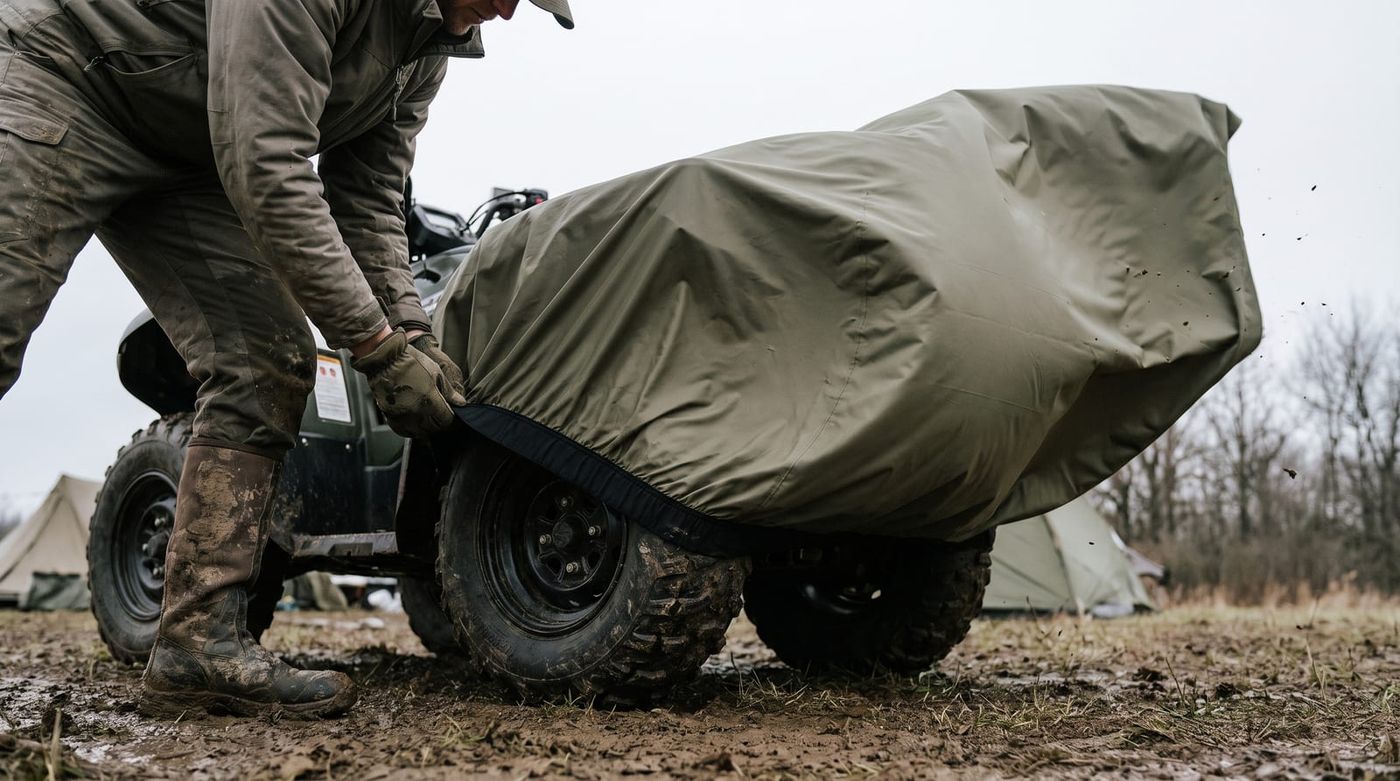
Covering a dirty, wet ATV is worse than not covering it at all. Wash it first, then dry it completely. Trapped moisture under a cover turns into mold, mildew, and rust, especially around the frame and undercarriage where water likes to hide.
Fuel and the battery need attention before the cover goes on, not after. Top off or stabilize the fuel depending on how long the ATV will sit, and either disconnect the battery or put it on a trickle charger. A dead battery in spring is a classic avoidable headache.
Check tire pressure too. A flat spot forms faster than people expect, and a cover resting against a slowly deflating tire just adds friction. Wheel chocks help here, keeping the ATV steady and the cover from sagging unevenly.
Last step: tuck in or remove anything loose. Racks, mirrors, add-on lights. Anything sticking out tents the fabric or, worse, tears it. A cover fits best when the ATV underneath it is as streamlined as you can make it.
What Type of Cover Should You Use for ATV Storage?
Match the cover to the environment, not the price tag.
Anything stored outside, or in an unheated shed that still sees wind-driven rain, needs a waterproof, all-weather cover. No shortcuts here. Garage storage is a different animal: you want something breathable so condensation doesn't get trapped underneath, which ironically can cause the same rust problems you bought the cover to prevent.
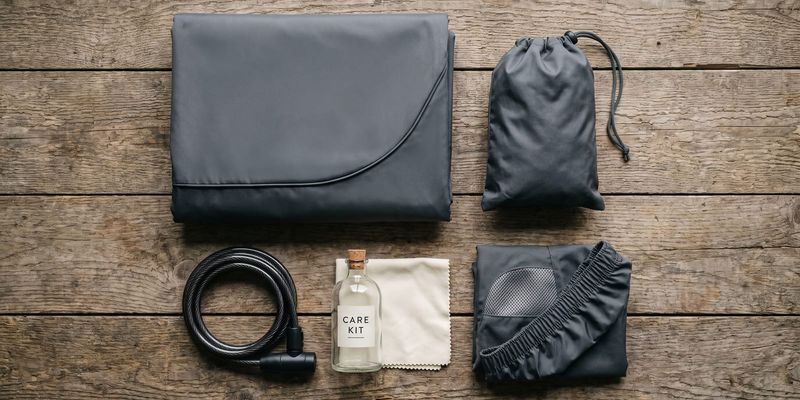
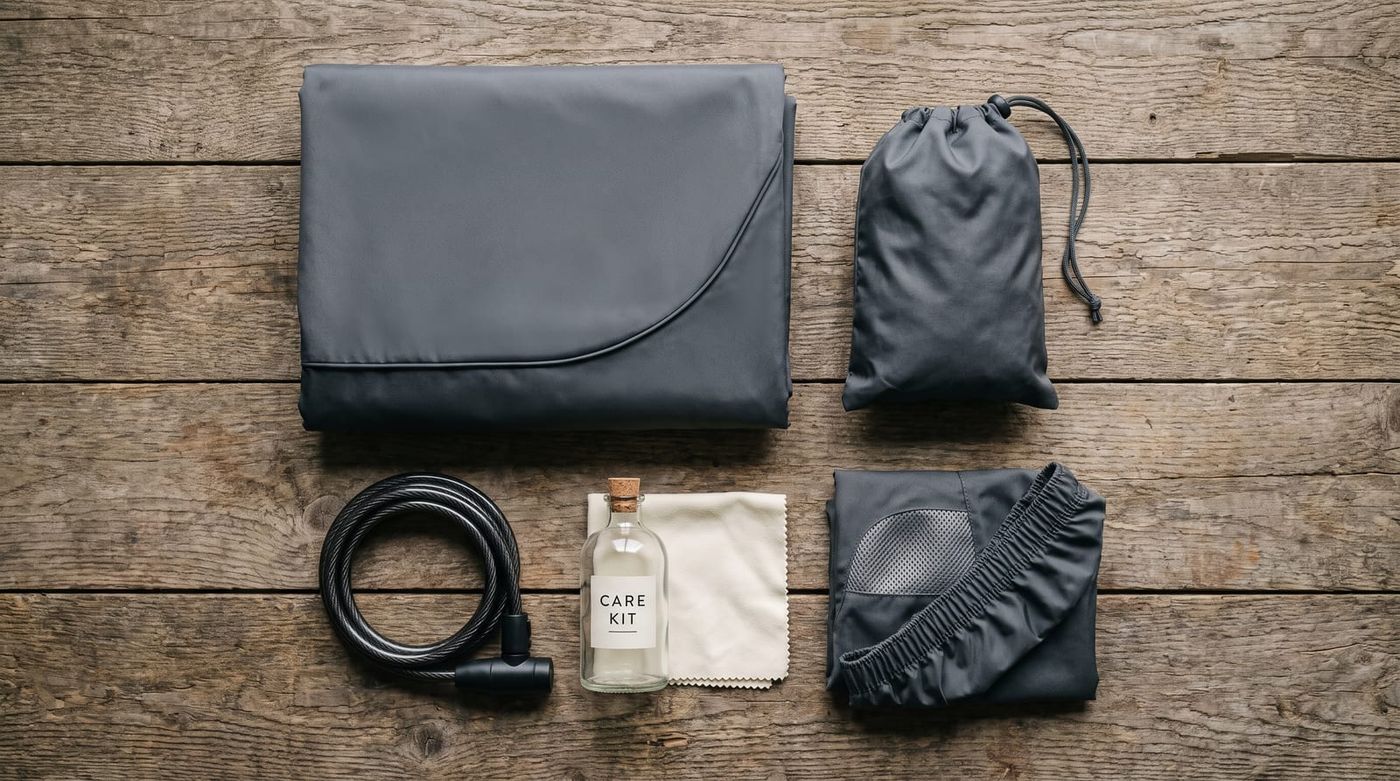
A few features actually matter when you're comparing options: an elastic hem or cinch straps so wind can't lift the edges, a UV-resistant coating if there's any sun exposure at all, and a snug, model-specific fit rather than a generic one-size tarp. Brands like Honda and Yamaha have different body shapes and rack configurations, so a cover cut for the actual model sits tighter and protects better than something draped over the top and hoped for the best.
Here's my honest take: a loose tarp usually does more harm than good. It flaps in wind, and that flapping scratches plastic panels and rubs paint thin over a season. It's not really a cover, it's a wrapper, and the two aren't the same job. If you're investing in a real fitted cover, it's worth checking whether it's backed by something like a lifetime warranty, since a cover that degrades after one season defeats the purpose.
Frequently Asked Questions About Covering an ATV in Storage
Can I use a tarp instead of a real ATV cover? You can, in a pinch, but it's not a great long-term solution. Tarps don't have a secure fit, they don't breathe, and they trap moisture against the body. In wind, a loose tarp also scratches plastic panels, which is the exact damage a cover is supposed to prevent.
How long can an ATV sit without being damaged if uncovered? Shorter than most people think. Even a few weeks outdoors is enough for noticeable UV fading and visible dust buildup. The safer habit is covering it from day one of storage, not waiting to see if it "needs" one.
Does a cover replace the need for fuel stabilizer and battery maintenance? No. A cover protects the exterior: paint, plastic, chrome, seat material. Fuel stabilizer and battery care are separate steps that protect the engine and electrical system. You need both, not one or the other.
Bottom Line: Cover It Before You Park It
If you take one thing from this: yes, you need a cover for an ATV in storage, indoors or out, short-term or all winter. The risk isn't dramatic in week one, but dust, UV, condensation, and pests all compound the longer the machine sits uncovered.
Match the cover to where the ATV actually lives, waterproof for outdoor exposure, breathable for garage storage, and skip the generic tarp if you can help it. Browse cover options sorted by fit and storage type, and if you want more storage and maintenance advice like this, it's worth poking around the rest of the site's articles before your next season of sitting idle.
Frequently asked questions
Can I use a tarp instead of a real ATV cover?
A tarp can work in a pinch but typically lacks a secure fit and breathable material, so it traps moisture and can scratch plastic panels in wind.
How long can an ATV sit without being damaged if uncovered?
Even a few weeks outdoors can cause noticeable UV fading and dust buildup, so covering from day one of storage is the safer habit.
Does a cover replace the need for fuel stabilizer and battery maintenance?
No, a cover protects the exterior, but fuel and battery care are separate steps needed for engine health during storage.