Why a UTV Needs More Than a 'Universal' Cover
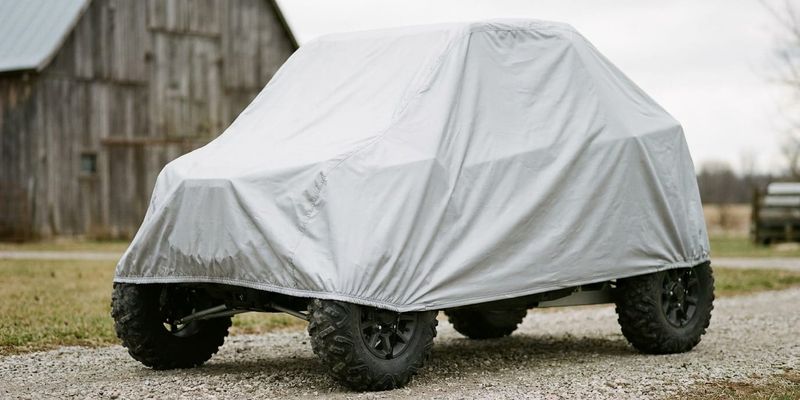
A UTV is not a shrunken truck or an oversized ATV, even though cover shoppers tend to treat it that way. Roll cages stick up. Winches jut out front. The stance is wider than most ATVs and the roofline is taller, sometimes by a foot or more depending on whether you're running a 2-seat RZR or a crew-cab Defender. A cover built for "powersports in general" usually ignores all of that.
Here's what an ill-fitting cover actually costs you. Water pools in the low spots where fabric sags between the cage and the hood. Loose material flaps in wind until it wears thin at the exact spots rubbing against sharp edges, like the corner of a brush guard. And even a cover that technically fits the length and width can leave a seat or dash exposed if it wasn't cut for your roofline, which means UV fading and cracked vinyl happen anyway, cover or no cover.
So picking the best cover for a UTV really comes down to three things: fit, waterproofing, and how well the strap system holds up outdoors. We'll walk through all three. Worth noting upfront, too: a UTV parked outside year-round under open sky needs a different cover than one that spends most of its life in a barn and only gets covered for the odd week between trail trips. Keep that distinction in mind, because it'll change which answer is "best" for your situation.
Getting the Fit Right for Your Specific UTV
Measure three things before you shop: width, height at the roll cage, and overall length. Cars have pretty standard proportions across models. UTVs don't. A 2-seat Polaris RZR and a 4-seat Can-Am Defender crew model aren't close in dimensions, and a cover sized for one will either swim on the other or not come close to covering it.
Accessories make this harder. Roof racks, light bars, brush guards, oversized tires, they all add width or height in places a basic measurement might miss. A cover that's listed as "fits most UTVs" often assumes a bare unit straight off the showroom floor. If you've added a light bar up top, that's a pressure point where fabric will seam-stress and eventually rub through.
This is where it's worth checking whether a model-specific or semi-custom option exists for your rig instead of grabbing a true universal cover. Brands like Polaris, Can-Am, Yamaha, and Honda have enough body variety across their UTV lineups that a cover built around the general category shape can leave gaps a dedicated fit won't. For a side-by-side with a lot of bolt-on gear, a closer match is worth the extra few minutes of comparing specs. Check what size car cover fits your vehicle as a general sizing reference if you're unsure how fit tolerances work before diving into UTV-specific listings.
One thing people get backwards: a loose cover isn't the safe choice. Excess fabric is exactly what catches wind, flaps around all night, and grinds against paint or plastic trim until it's worn a dull patch. Snug and correctly sized beats roomy and flappy almost every time.
Waterproofing: What Actually Keeps Water Out Long-Term
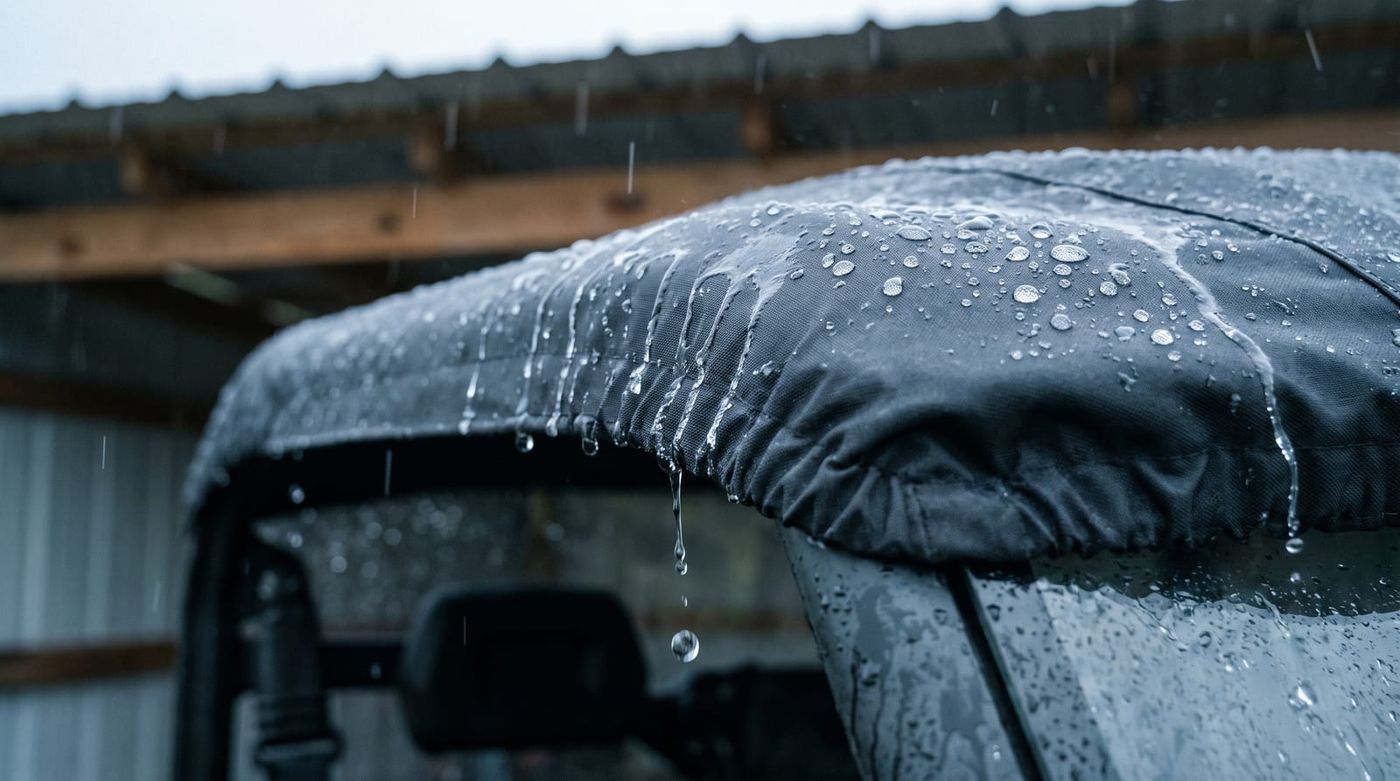
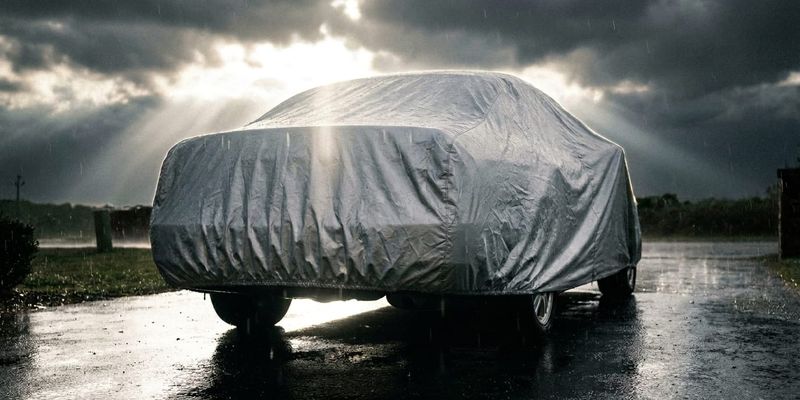
"Water-resistant" and "waterproof" get used interchangeably in marketing copy, and they shouldn't be. Water-resistant fabric handles light rain and morning dew fine. It won't hold up to a sustained downpour, standing snowmelt, or weeks of high humidity. If your UTV sits outside through actual weather seasons, you want fabric rated for sustained exposure, not just drizzle.
But the fabric rating is only half the story. Seams are where water actually gets in, even on fabric that's technically waterproof. Stitching punches tiny holes through the material, and without seam-sealing or taped seams, those holes are a direct path for water to wick through during heavy rain. A cover can advertise waterproof fabric and still leak at every seam line if that detail got skipped.
There's a flip side worth mentioning too: breathability. A cover that's completely sealed with no venting traps the moisture that's already under there, whether that's humidity, condensation, or a bit of rain that snuck in before you got the cover on. That trapped moisture turns into mildew on seats, in the footwells, and around electronics faster than if you'd left the UTV uncovered. The best cover for a UTV in most climates balances real waterproofing with enough breathability to let trapped moisture escape.
Match your choice to your storage setup. A UTV under a carport or in a covered lean-to can get by with lighter water-resistant fabric, since it's shielded from direct rain already. One parked fully exposed to rain, snow, or coastal humidity needs the heavier waterproof tier. Our waterproof car cover guide breaks down fabric ratings in more depth if you want the full picture before comparing specific products.
Strap and Tie-Down Systems That Keep a Cover On in Wind
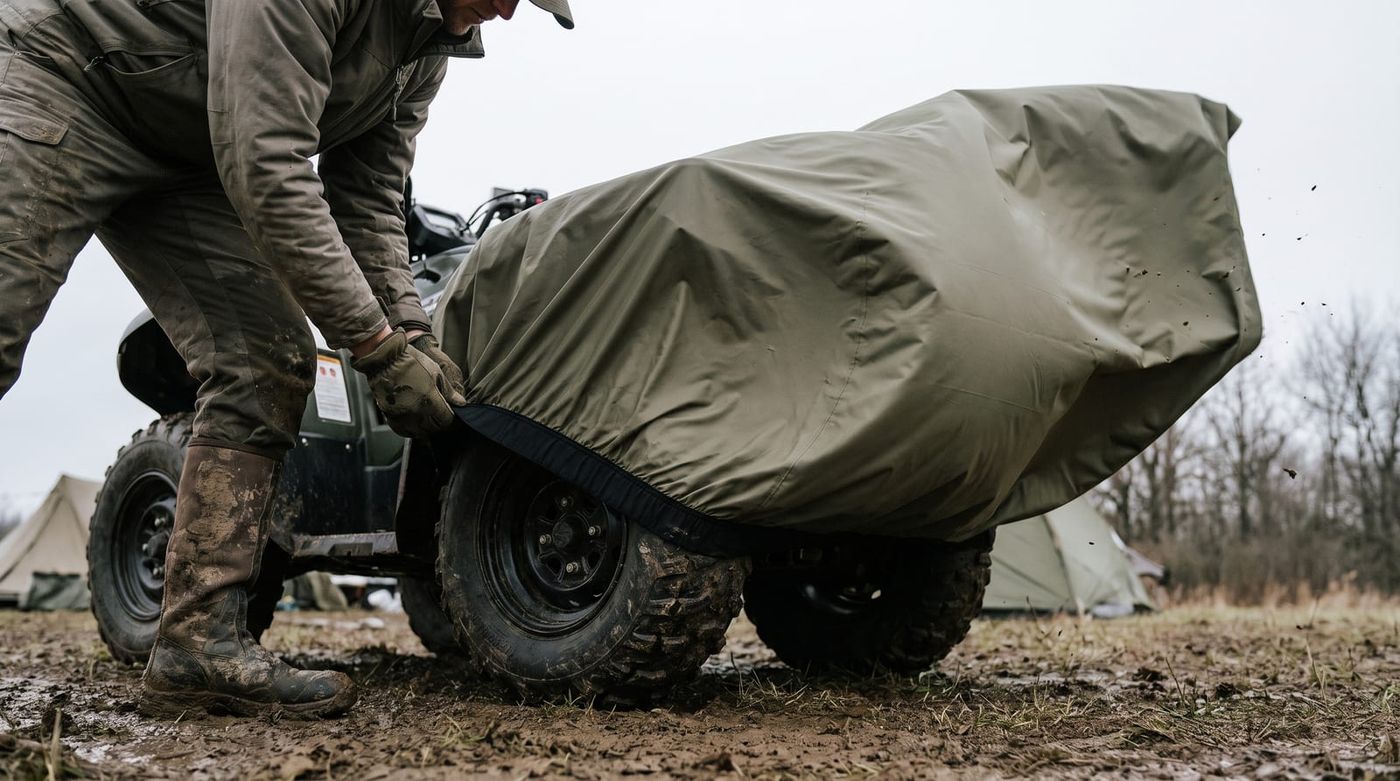
Open frames and roll cages catch wind differently than a car's smooth body does. A UTV cover has more surface area flapping loose around the cage structure, and in open country, that's basically a sail. This is where a lot of otherwise decent covers fail: fine fabric, weak strap system, gone in the first real gust.
There are a few common strap setups out there. Elastic hem cords are the most basic, cinching the bottom edge but doing nothing to stop the middle of the cover from billowing. Buckled straps that run underneath the frame hold a lot better, since they anchor the cover to the vehicle itself rather than just gathering fabric at the hem. Grommets for cable locks are a third layer, useful for security as much as wind resistance.
If your UTV lives outdoors full-time, especially somewhere genuinely windy like a ranch, a trailhead lot, or a job site, look for cross-body or underbody strap systems specifically. These are built for exactly that exposure. Our guide on installing gust straps and wind straps walks through the setup in detail, and it applies directly to UTV covers with the same strap hardware.
The habit that prevents most wind damage, and the one people skip: secure the straps under the frame or axle first, then cinch the hem last. Doing it the other way around, hem first, leaves the cover under-anchored at the points that actually matter. Straps under the frame are what keep the whole cover from lifting in a gust. The hem cinch is just cleanup.
Matching the Cover to Where and How You Store the UTV
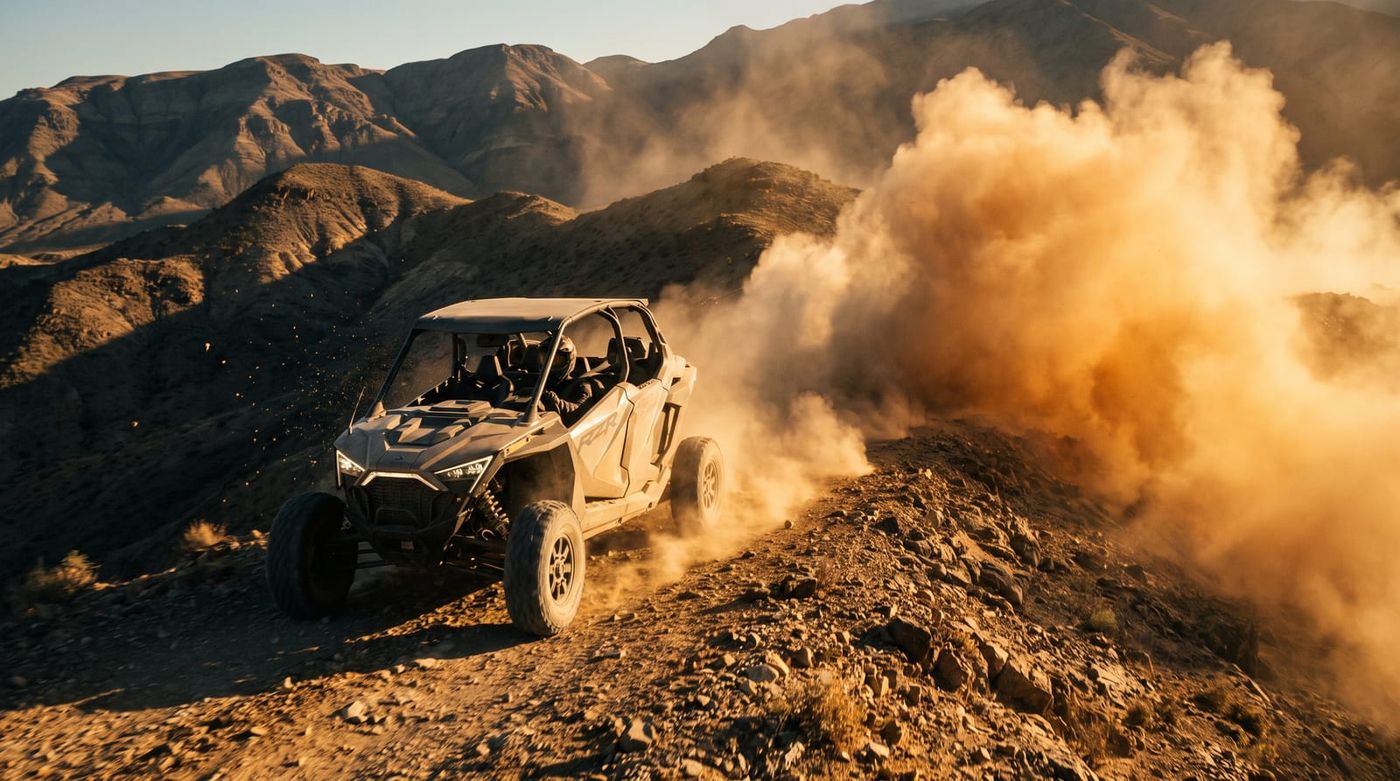
Full-time outdoor storage calls for heavy-duty, UV-resistant, genuinely waterproof fabric. There's no way around it. Sun breaks down fabric fibers over months of exposure, and if your UTV never sees a garage, that degradation is constant. Indoor or garage storage is a different problem entirely: you're protecting against dust and scratches more than weather, so a lighter, breathable fabric actually works better and won't trap heat or moisture in an enclosed space. Our outdoor car cover guide covers the fabric differences in more detail if you're deciding between the two.
Trailering changes the equation again. A cover that holds up fine parked in the driveway can shred at highway speeds if the straps aren't reinforced and the fit isn't snug. Wind at 65 mph finds every loose inch of fabric and works it loose fast. If you haul your UTV regularly, look specifically for a cover rated for transport, not just storage.
Seasonal shifts matter too. Winter brings snow load and ice buildup, which puts weight and stress on fabric that summer never does. Summer brings UV breakdown instead, quieter damage but just as real over a season of direct sun. If you're in a region with real winters and real summers, don't assume one cover handles both equally well.
And if your UTV does actual work, hauling feed, hunting trips, ranch chores, it's getting scraped against brush, fence posts, and gear more than a weekend trail rig would. That calls for more abrasion-resistant material than a purely recreational UTV needs.
Checking Fit and Compatibility by Brand
Polaris, Can-Am, Yamaha, Kawasaki, and Honda all build UTVs with distinct body shapes, rooflines, and cage structures. Enough variation exists between them that checking brand-specific fit options before buying saves you a return and a refund wait. A cover sized generically for "mid-size UTV" might miss the mark on any one of these by a few inches in exactly the wrong spot.
Before buying, confirm your cab height and width against the cover's listed dimensions, especially if you're running a crew or 4-seat model. Four-seat UTVs extend the cab significantly compared to 2-seaters from the same brand, and a cover sized for the shorter version will come up short at the back. If you're shopping for a Polaris, Polaris UTV covers list fit options by model, and the same goes for Can-Am, Yamaha, Honda, and Kawasaki lineups. If you're running something like a Polaris Sportsman 570 6x6 Big Boss, checking the model-specific page beats guessing from a general size chart.
Aftermarket add-ons are the most common reason a cover that's supposed to fit doesn't. A roof, a windshield, an aftermarket cage, any of these change the dimensions the manufacturer didn't account for when they listed "fits Model X." If you've modified your UTV at all, double-check clearance around those parts specifically before you buy.
Installing and Caring for Your UTV Cover
Installation order matters more than people expect. Drape the cover over the UTV first, lining up seams and openings (mirror pockets, antenna holes, whatever your model has) so the fabric sits where it's supposed to. Secure the straps under the frame or axle next. Cinch the hem last. Reversing that order is how you end up with a cover that looks secured but isn't actually anchored at the points that matter in wind.
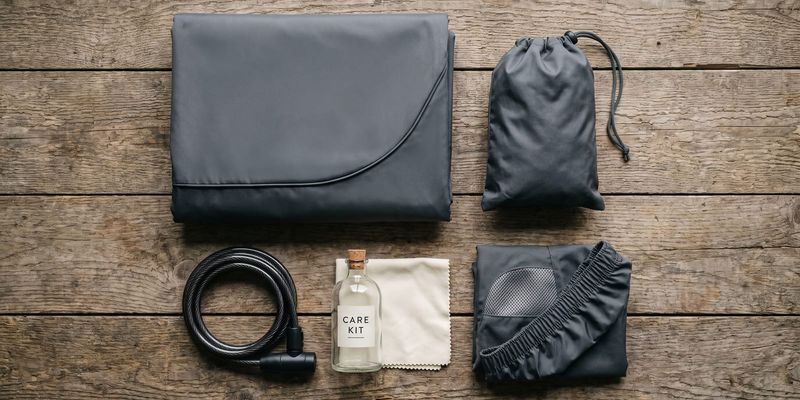
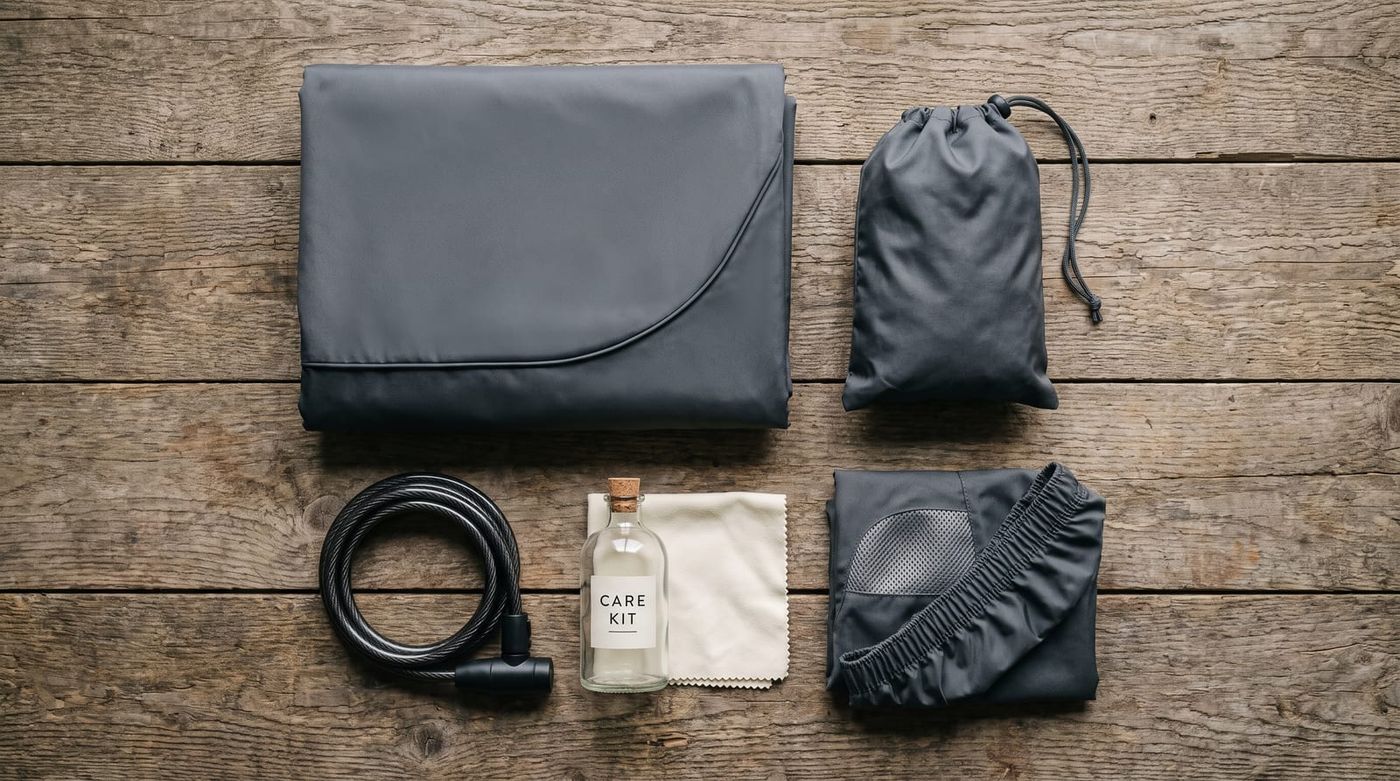
Care is mostly common sense, but a few habits extend a cover's life noticeably. Shake off dirt, leaves, and debris before folding it up for storage. Don't pack it away wet, ever, since that's a direct path to mildew. Most fabrics do better with spot-cleaning than a trip through the washing machine. Our cover care and cleaning guide covers the specifics by fabric type if you want to get it right.
Check straps and grommets periodically, because hardware fails before fabric does. A worn elastic cord or a cracked grommet won't necessarily look dramatic, but it's usually the first thing to give out in a storm.
None of this works, though, if the cover wasn't a good fit to begin with. A properly fitted, well-secured cover does more for your seats, gauges, and paint than where you park the UTV ever will. Storage location matters less than people think when the cover itself is doing its job.
Choosing the Right UTV Cover: Next Steps
Before you buy, run through the same three checks every time: measure the fit including any accessories you've bolted on, match the waterproofing level to how and where you actually store the UTV, and make sure the strap system is built for open-frame wind exposure, not just a car-style hem cinch.
Skip the generic ATV cover if you can help it. UTVs have different proportions, cage structures, and wind exposure than ATVs do, and a cover built around those differences fits better and lasts longer.
If you want to compare options by brand and fit side by side, browse CarCovers' UTV and ATV cover selection and see what matches your model. And if you're the type who likes to have this kind of reference on hand before gear season hits, it's worth bookmarking or subscribing for more guides like this one.