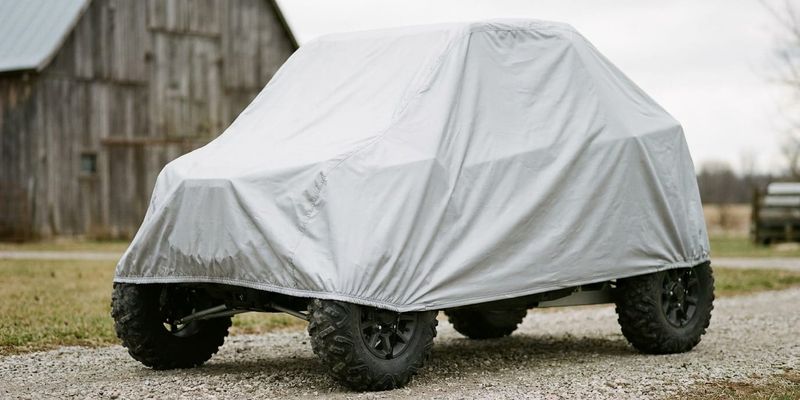
Yes, you need a cover for a UTV in storage. Dust, moisture, UV rays, and pests don't care whether your machine is parked in the driveway or tucked in a barn, and an uncovered UTV takes damage from all four even when nothing looks wrong on the surface. If you've been wondering whether a cover is really worth the hassle, the short answer is yes, and it's one of the cheapest insurance policies you can buy for a vehicle that often costs as much as a used car.
Do You Need a Cover for a UTV in Storage? (Short Answer: Yes)
Here's the one-sentence version: dust, moisture, UV exposure, and rodents all find their way to an uncovered UTV, even inside a garage or shed, and a cover is the simplest way to stop all four at once.
The exception worth mentioning: if your UTV sits in a fully enclosed, climate-controlled space, your risk is lower than it would be in a barn or outdoors. Climate control cuts down on temperature swings and the condensation that comes with them. But lower risk isn't no risk. Dust still settles, sunlight still streams through windows, and mice still find their way into garages more often than people expect.
So the real question isn't whether you need a cover. It's which type fits your storage situation. The rest of this article walks through what happens without one, how indoor and outdoor storage change your cover needs, what to look for in a cover, and whether your specific UTV model needs a closer fit than a generic one-size-fits-all option.
What Can Happen If You Store a UTV Without a Cover?
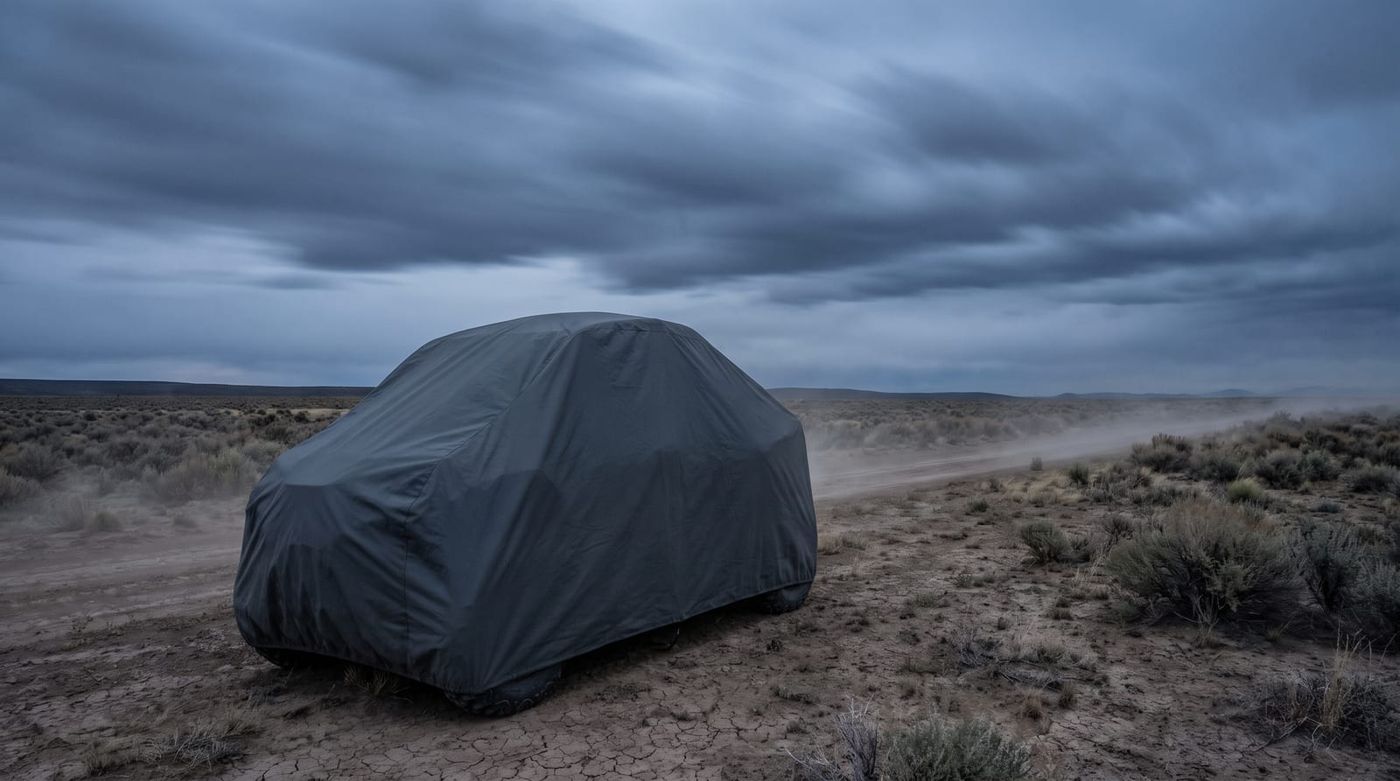
Plastic body panels fade first. UV rays work slowly, but a few months of sun through a garage window is enough to start cracking dashboards and bleaching color out of seats and fenders. You won't notice it day to day. You'll notice it when you compare photos from a year ago.
Dust is the quieter problem. It settles into the engine bay, works its way into the CVT intake, and coats electrical connectors. None of that causes trouble while the UTV sits still. It causes trouble the next time you turn the key and the engine hesitates or a connector reads a bad signal.
Then there's moisture. Temperature swings between day and night create condensation on exposed metal, and that condensation turns into rust over a season or two. Electrical contacts corrode. Seat foam gets that musty smell that never fully goes away. None of this requires rain to get in. It just requires humidity and time.
Rodents and insects are the worst of it. A UTV sitting uncovered in a shed over winter is basically an invitation. Mice chew wiring harnesses for the insulation, nest in seat foam, and leave a mess that can cost real money to repair come spring. This is one of the main reasons a cover earns its keep: it's a physical barrier between pests and the parts they're after.
Does It Matter If the UTV Is Stored Indoors or Outdoors?
It matters a lot, actually, because the cover doing the job outdoors isn't the same cover you want indoors.
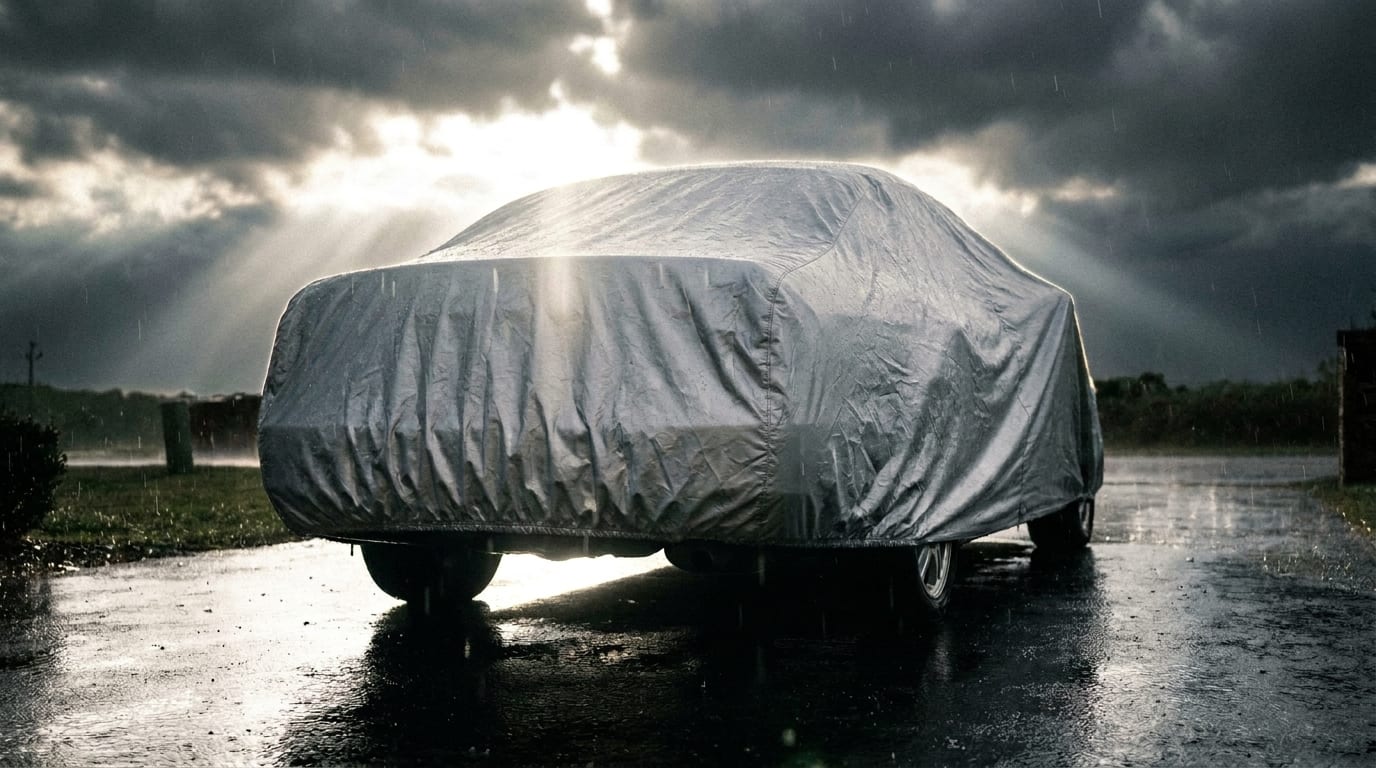
Outdoor storage needs a cover that's genuinely waterproof, UV-resistant, and breathable at the same time, rated to handle rain, snow, and direct sun without trapping moisture underneath. This is where a lot of buyers get tripped up: a cover that blocks water should also let trapped moisture escape, or you're just creating a greenhouse effect under the fabric. Browse the outdoor car covers category and you'll notice the better options are built with layered, breathable fabric for exactly this reason.
Indoor or garage storage is a different job. You don't need full waterproofing in there. You need something lighter that handles dust, prevents scratches, and shrugs off the occasional bit of condensation. A heavy waterproof outdoor-grade cover indoors can actually backfire, trapping humidity against the body panels instead of letting it breathe out.
Flip it around and the mismatch gets worse. A light indoor cover left outside won't survive a windy afternoon, let alone a storm. It'll flap, tear at the seams, or just blow off entirely. If you're not sure where to start, the guide to using a car cover outdoors breaks down what wind, UV, and rain each demand from a cover's construction. And for browsing actual options built for either setting, the UTV and ATV covers category is the place to start.
What Type of Cover Is Best for UTV Storage?
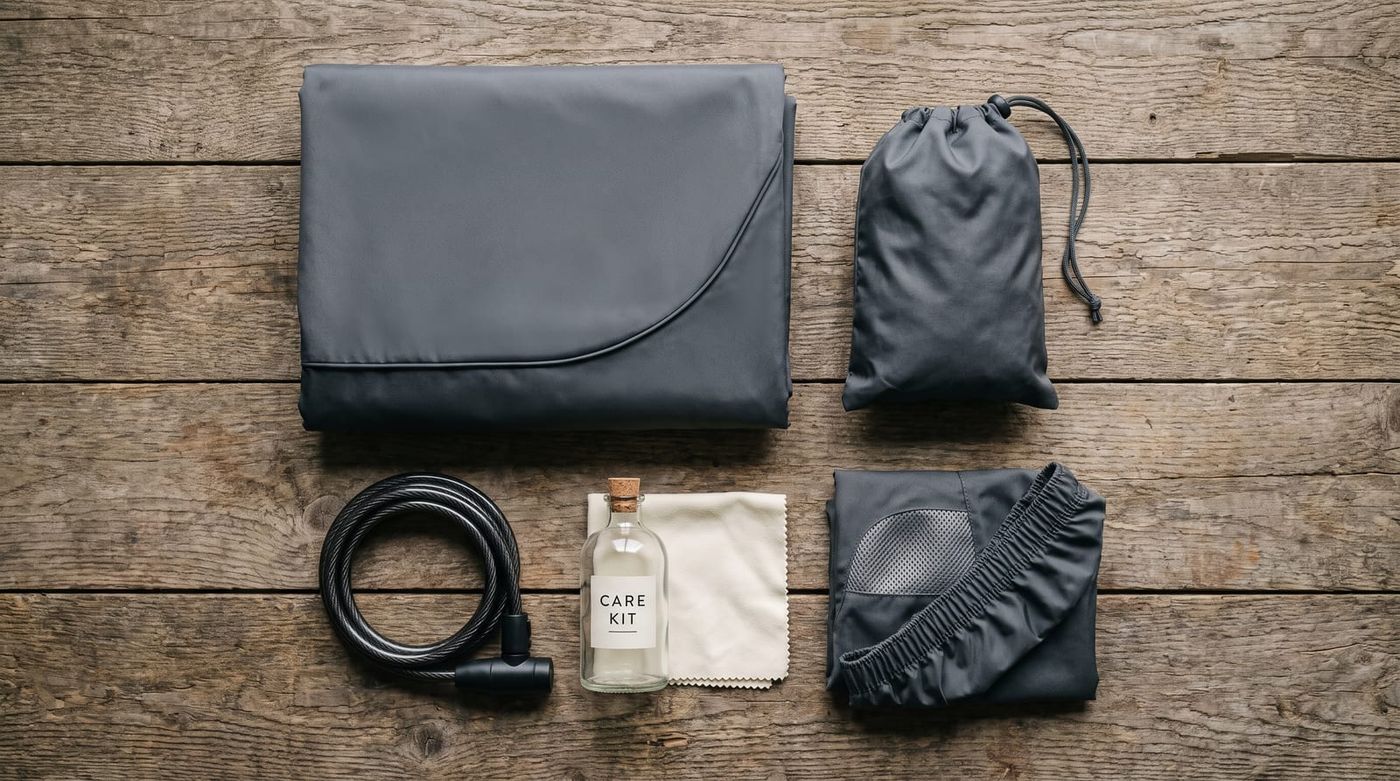
Skip the tarp. A plain plastic tarp or a cheap universal cover might look like it's doing the job, but it traps moisture against the body instead of letting it evaporate, which speeds up rust rather than preventing it. You want breathable, genuinely waterproof fabric, not just water-resistant plastic sheeting.
A few things separate a cover worth buying from one you'll replace in a season:
- Elastic hems, straps, or buckles. Wind gets under loose covers constantly, especially outdoors, and a cover that isn't secured will flap itself apart or blow off entirely.
- UV-stabilized material. The cover itself takes the sun damage so your UTV doesn't have to. A cheap cover without UV stabilization breaks down and gets brittle within a year or two of regular outdoor use.
- Proper fit for the model. Waterproof car covers built for a specific footprint protect mirrors, roll cages, and roofline edges in a way a generic tarp just can't. Gaps around those high points are exactly where wind gets a grip and where water pools.
A loose, generic cover technically covers the UTV. It just doesn't protect it the way a properly fitted one does.
How Should You Prep a UTV Before Covering It for Storage?
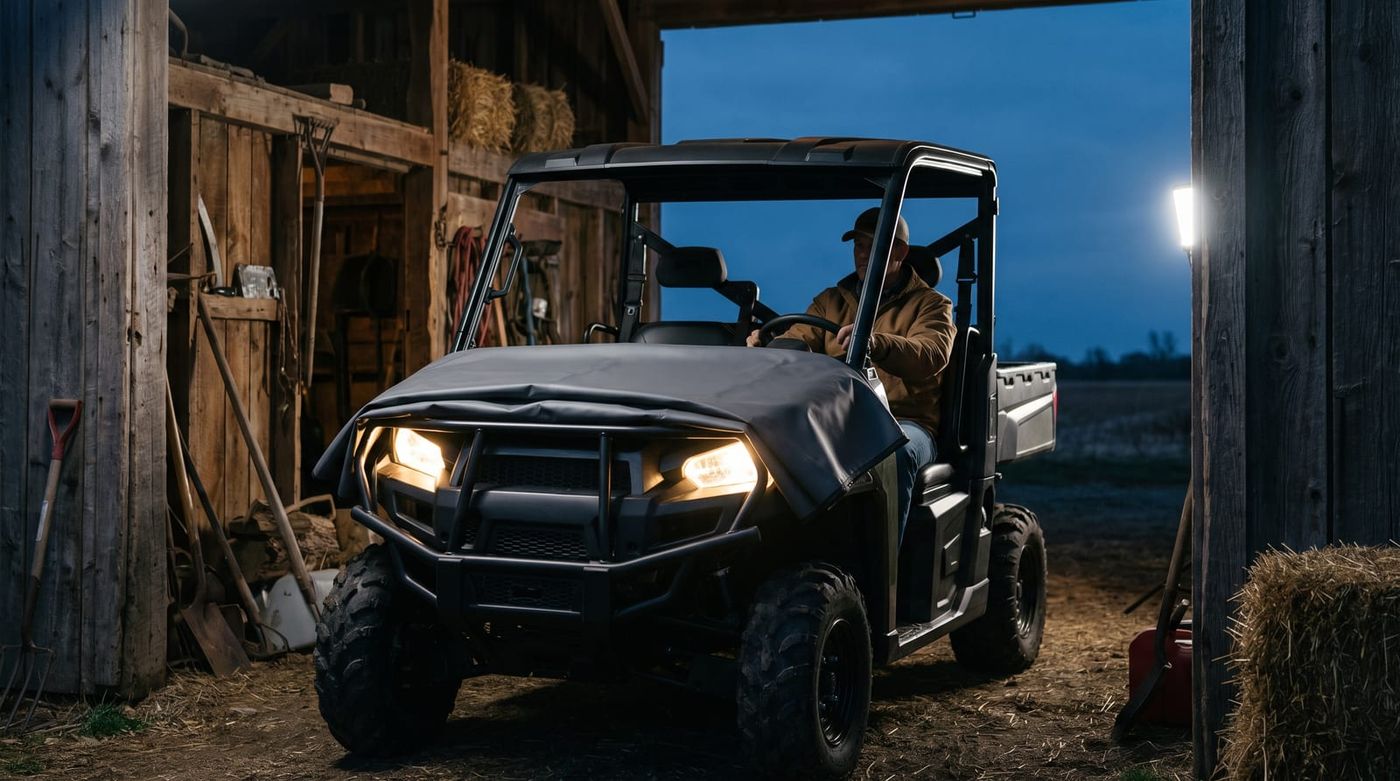
Don't cover a dirty UTV. Wash it, dry it completely, and only then put the cover on. Sealing in mud, dust, or leftover moisture under a cover is basically asking for mildew and corrosion to set in while you're not looking.
Check the wheel wells and undercarriage specifically. That's where trapped mud and moisture hide longest, and it's easy to miss on a quick wipe-down. Give it a few extra minutes before you throw the cover over.
Loose accessories matter too. Whip flags, antennas, winch cables, anything sticking up or dangling can poke through cover fabric or stretch it out of shape over a long storage stretch. Secure or remove them first.
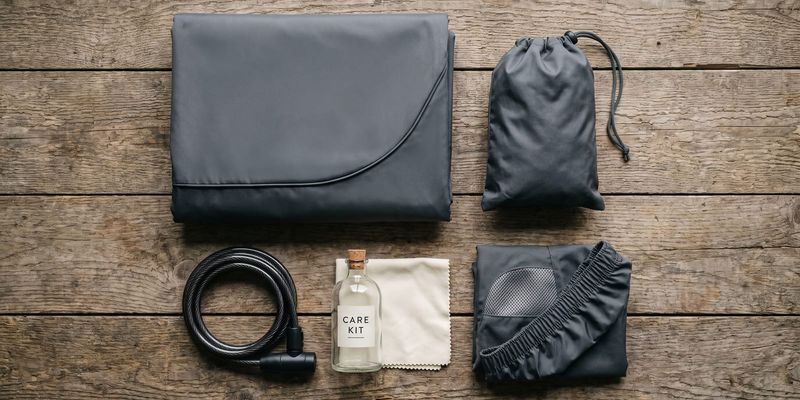
One more thing people skip: the cover itself needs occasional care during long storage periods, not just a one-time wash before you use it. A cover care guide is worth a look if your UTV is going to sit for months at a stretch, since a dirty cover can transfer grime right back onto the panels it's supposed to protect.
Do Different UTV Brands or Models Need Different Covers?
UTVs are not all the same shape, and that's the part a lot of buyers overlook when they grab the first universal cover they find. Cab height, roll cage width, bed length, these all vary enough between models that a "fits most" cover often leaves gaps right where water and debris get in.
Take two popular machines as an example. A Polaris Sportsman 570 6x6 Big Boss EPS has a totally different footprint than a Yamaha Wolverine RMAX2 1000. One's a wider, longer 6x6 workhorse. The other's built more like a sport UTV with a taller cage. A cover sized for one will sit loose or come up short on the other.
Worth checking before buying generic: most major brands have model-specific cover options listed by name. Polaris, Can-Am, and Honda all show up with dedicated cover pages, and matching your exact model gets you a fit that actually seals around the roll cage and mirrors instead of flapping around the edges.
Bottom Line: Protect Your UTV Investment With the Right Cover
So, do you need a cover for a UTV in storage? Yes, and the main things it's standing between your machine and are sun damage, rust from trapped moisture, and rodents getting into the wiring. Skip it and you're betting that none of those show up before you take the UTV back out. That's not a great bet over a full winter or an off-season layup.
Match the cover to where the UTV actually sits, waterproof and breathable for outdoors, lighter and dust-focused for an enclosed garage, and size it to your exact model rather than grabbing whatever's labeled "universal." If you're still narrowing down options, it's worth browsing by brand and model to see what's actually built for your machine before you commit to one.
Frequently asked questions
Do you need a cover for a UTV in storage?
Yes. A cover protects a UTV from dust, moisture, UV damage, and pests even when it's stored indoors in a garage or shed.
Is a cover necessary if the UTV is stored in a climate-controlled garage?
The risk is lower in a climate-controlled space, but dust, sunlight through windows, and rodents can still cause damage, so a lighter indoor cover is still recommended.
What type of cover is best for outdoor UTV storage?
A breathable, waterproof, UV-stabilized cover with secure straps or elastic hems handles rain, snow, and sun exposure better than a plastic tarp or light indoor cover.
Do I need a model-specific cover for my UTV?
Model-specific covers fit the cab height, roll cage, and bed length of a particular UTV better than a universal cover, reducing gaps where water and debris can get in.