Fitted Car Cover vs. Bubble/Inflatable Car Capsule: Which Protects Better?
Published
Quick Answer: Fitted Cover vs. Bubble Capsule
Can you compare a fitted car cover to a bubble/inflatable car capsule? Yes, and the short version is this: a fitted car cover is a breathable, custom-shaped fabric shell that hugs your vehicle's body panels and works indoors or outdoors, while a bubble/inflatable car capsule is a sealed, air-inflated clear enclosure built for stationary indoor storage only. One travels with the car. The other doesn't move at all.
The tradeoff is straightforward. Fitted covers give you flexibility, portability, and a much lower price tag, but you'll need to clean them periodically since they're exposed to whatever the car picks up. Capsules give you near-total isolation from dust and humidity, but they're bulky, need a constant low-level air pump running on household power, and go nowhere near a driveway or a road trip.
This comparison is built around passenger cars. If you're storing a classic or collector vehicle for years at a stretch, the math shifts toward the capsule. If you're protecting a car you actually drive, even occasionally, the math shifts hard toward the cover.
What Is a Bubble/Inflatable Car Capsule?
A bubble capsule is a clear PVC or vinyl envelope that zips closed around the entire vehicle. A low-wattage air pump runs continuously, filtering outside air and pumping it in to keep the enclosure rigid and inflated, sort of like a tent that never gets to deflate.
The use case is narrow by design: static, long-term indoor storage. Think collector cars, show cars, or anything that might sit untouched for months between outings. It's not a product for a car that leaves the garage on a regular basis.
Setting one up means committing real floor space. You'll need a footprint wider than the car itself, a dedicated electrical outlet that stays live around the clock, and a filtered pump unit that needs occasional cleaning or replacement to keep working properly. Factor in the material volume and the motor, and the price sits meaningfully above what most fitted outdoor covers cost.
What Is a Fitted (Custom) Car Cover?
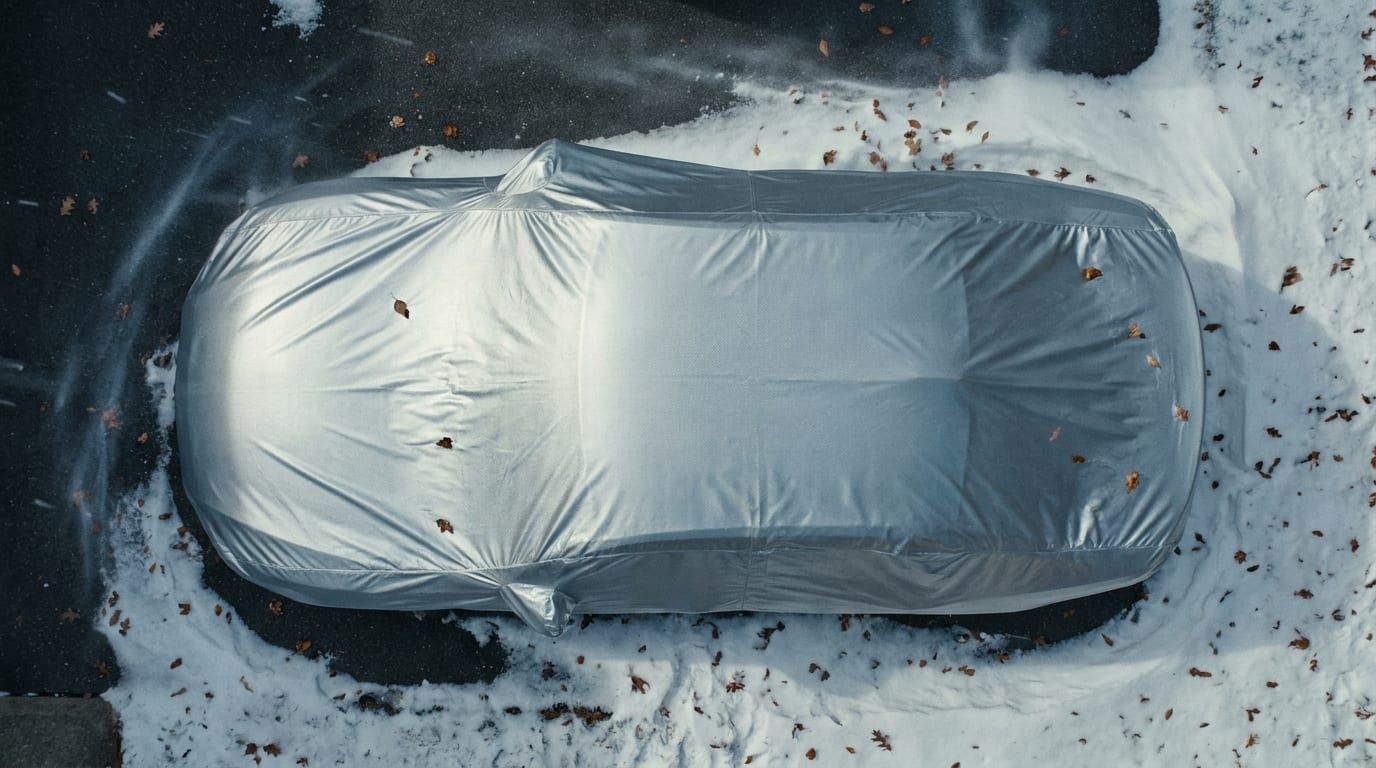
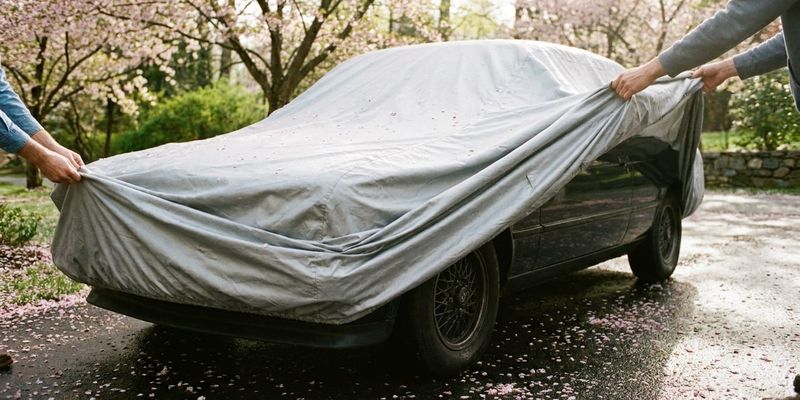
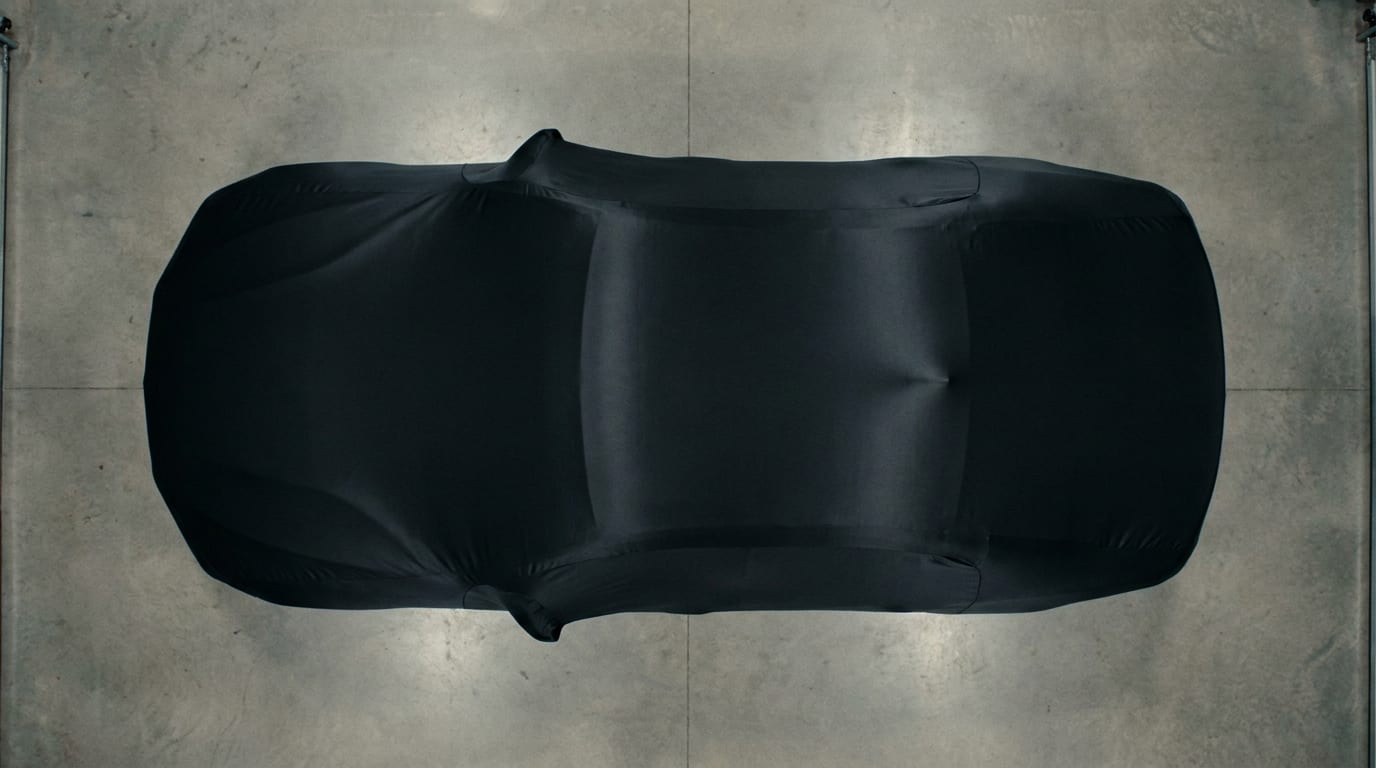
A fitted cover is patterned to the exact make, model, and year of your vehicle, so it follows the body lines, mirrors, and spoiler instead of draping loosely the way a generic one-size-fits-all cover does. That fit matters more than people expect. A loose cover flaps in the wind, lets dust settle into gaps, and can scuff paint over time from rubbing.
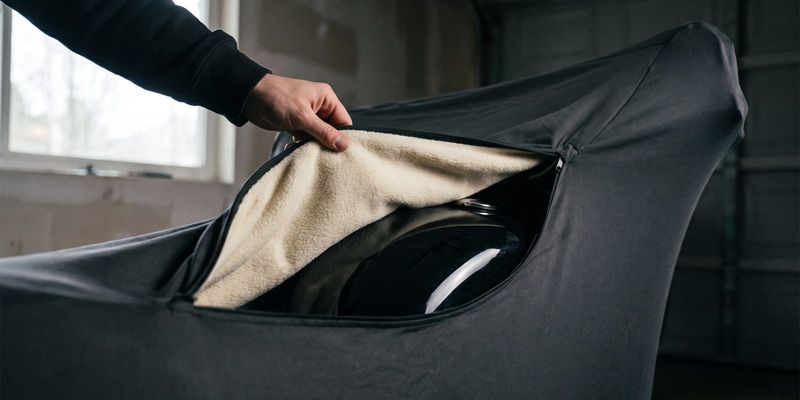
Material tiers matter here too. Breathable multi-layer outdoor fabrics add UV resistance and water resistance for cars parked outside, while soft indoor-only fabrics like satin or fleece are built purely to keep dust off a car that's already under a roof. Neither tier is trying to be the other.
The real advantage is portability. A fitted cover folds into a bag, rides in the trunk, and needs zero electricity or fixed garage footprint. Pull it out at a hotel parking lot, at the office, wherever. This is the category carcovers.com specializes in, and if you want the sizing and fit details worked out for your specific vehicle, the custom-fit car cover guide walks through it.
Protection Level: Dust, Moisture, UV, and Pests

Dust and pollen are where the capsule wins outright. The enclosure is airtight except for filtered airflow, so almost nothing settles on the paint. A fitted cover blocks dust from landing on the car itself, but the garage floor, tires, and the air right around the vehicle are still exposed.
Moisture is a closer call. A capsule actively manages humidity through continuous filtered air exchange, which cuts down condensation risk better than a cover sitting in a damp, unventilated garage. A breathable outdoor car cover still lets moisture vapor escape from under the fabric, but it isn't doing anything to dehumidify the air around the car. It's passive protection, not active.
UV exposure isn't even a fair fight. A bubble capsule offers zero protection outside, because it's not meant to go outside, full stop. A properly built waterproof car cover is made for exactly that scenario: sun, rain, wind, the whole outdoor punishment list.
Pests and scratches land close to even. Both create a physical barrier against rodents and curious animals. The capsule's rigid shell adds one more layer of separation from direct contact, but a cover that fits snugly and zips or straps down is doing the same basic job.
Cost, Space, and Day-to-Day Practicality
Fitted covers range from budget indoor dust protection up to premium weatherproof layers, and even the top end usually comes in well below what a capsule system costs once you add the motorized pump. That's just the reality of adding a mechanical component to the product.
Space tells a similar story. A capsule needs a fixed, wider floor area and stays in one spot permanently. A cover needs no extra floor space at all and can go on or come off anywhere, driveway, shared garage, hotel lot, doesn't matter.
Daily access is really where this comparison gets decided. Pulling a cover on or off takes a few minutes and the car is drivable right away. Getting in or out of a capsule means unzipping it and partially deflating the enclosure first. That's fine for a car you start up twice a year. It's a dealbreaker for anything you drive with any regularity.
Worth factoring into cost, too: look for a lifetime warranty on car covers when comparing fitted options, since that kind of long-term backing gives you a value comparison point capsules generally don't offer in the same way. It's worth reading why buy a car cover at all if you're still weighing whether protection is worth the spend in the first place.
Which One Fits Your Situation?

Go with a bubble capsule if the vehicle is a rarely-moved collector or show car, parked permanently in one climate-controlled spot, and the budget and floor space for a pump system aren't an issue. That's genuinely the environment this product is built for.
Go with a fitted cover if the vehicle actually gets driven, moves between indoor and outdoor storage, or needs protection while parked at work, on a trip, or anywhere outside a dedicated garage bay. For most owners, that's the more realistic day-to-day situation.
Some owners split the difference: a soft indoor cover, like a satin or fleece option, for garage dust protection, paired with a heavier-duty cover for whenever the car ends up parked outside. If you're not sure which indoor setup suits your garage, the indoor car cover guide and the broader indoor cover buying guide both break down the fabric differences. And before buying anything, run your vehicle through the sizing tool and the cover finder so you're not guessing at fit.
Bottom Line and Next Step
So, can you compare a fitted car cover to a bubble/inflatable car capsule directly? Yes, but they're solving different problems. Capsules maximize isolation for a car that sits still for months at a time. Fitted covers deliver flexible, portable, lower-cost protection for a car that actually leaves the garage.
If you're still deciding which fitted cover tier matches your storage setup, browse the sizing and fit guides, or just poke around the blog for more on keeping a car protected without overspending. For most daily-driven or occasionally-driven vehicles, a quality custom-fit cover gives you the best protection-to-cost ratio without asking you to rewire your garage for it.