How Do I Know If a Car Cover Will Fit My Car Before I Buy It Online?
Published
How Do I Know If a Car Cover Will Fit My Car Before I Buy It Online?
A car cover will fit if it's matched to your exact year, make, and model (custom-fit) or to your vehicle's precise length, height, and body style (semi-custom or universal) using the retailer's size chart or model lookup tool before checkout. If you skip that step and just eyeball a length range, you're guessing. So how do I know if a car cover will actually fit my car before I buy it online? You verify three things at once, not one.
Those three things: the correct fit category (custom vs. semi-custom vs. universal), the correct size range for your specific trim, and whether mirror pockets, antenna cutouts, or body modifications are accounted for. Miss any one of the three and you can still end up with a cover that technically "fits" on paper but flaps in the wind or won't clear your mirrors.
This applies whether you're shopping for a car, SUV, or truck cover. A pickup owner worrying about bed length and a sedan owner worrying about mirror pockets are solving the same problem with the same verification steps, just different numbers.
Check the Product's Fit Type: Universal vs. Semi-Custom vs. Custom-Fit
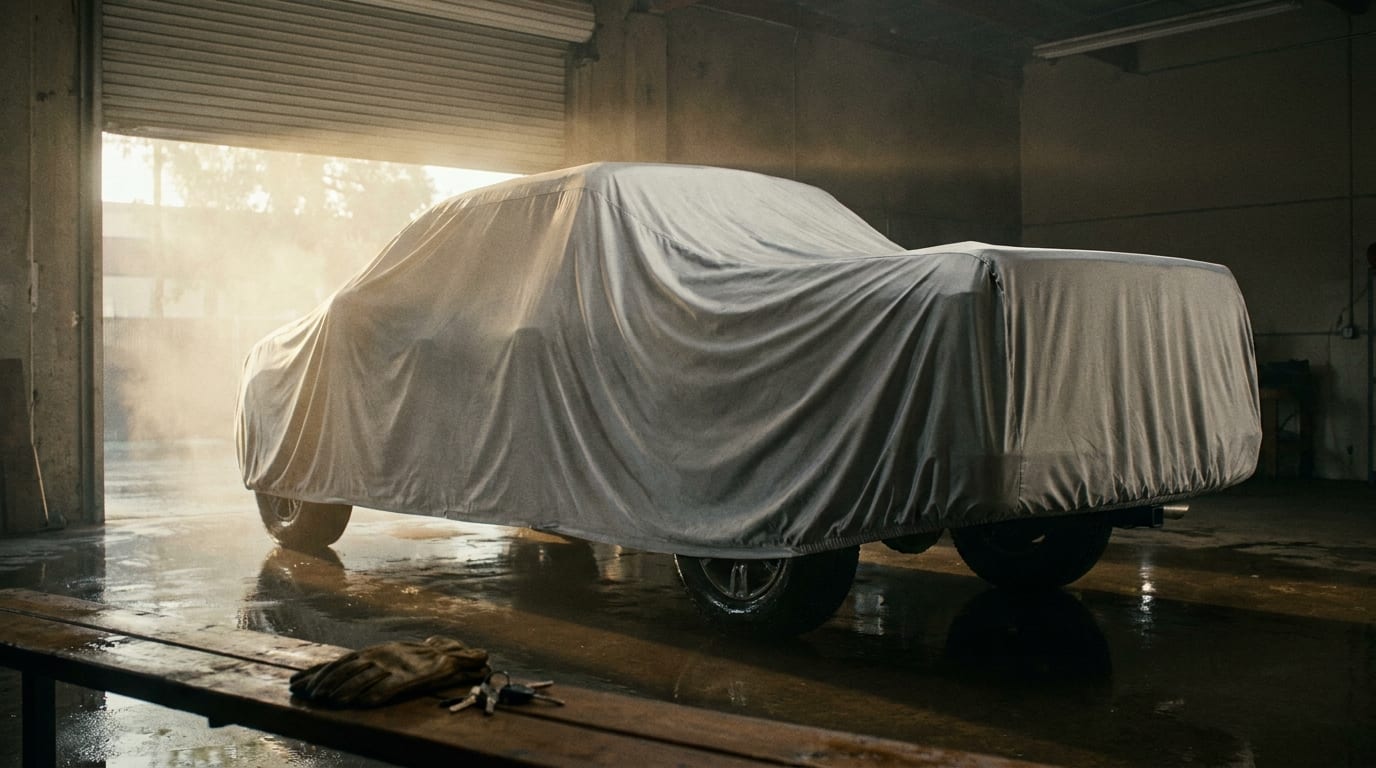
Not all covers labeled "fits your vehicle" mean the same thing. There are three tiers, and the difference between them is the whole ballgame.
Universal covers are sized by a length range, something like "fits sedans 180 to 190 inches." That's it. No regard for your roofline, your mirror shape, or where your bumpers actually sit. It's the loosest fit you can buy, and it's also the most likely to flap in wind, pool water at the mirrors, or leave gaps at the front and rear.
Semi-custom covers narrow things down. They're matched to a body style category (sedan, SUV, coupe) plus a length range, so the fit is noticeably tighter than universal. Still, the cover isn't contoured to your exact factory lines. Think of it as a size-medium shirt instead of a size-small-to-XL poncho.
Custom-fit covers are built from the exact pattern for your year, make, and model. Mirror pockets land where your mirrors actually are. Antenna cutouts line up. Body contours follow your car's actual shape instead of a generic silhouette. This is the tier that removes almost all the guesswork, because you're not matching against a range at all, you're matching against a specific vehicle.
If you're trying to decide which tier makes sense for your situation, budget, climate, and how often the car sits outside, the custom-fit car covers guide breaks down when the tighter fit is worth paying for and when a semi-custom option is good enough.
Measure Your Vehicle Correctly Before You Buy
Three measurements matter more than any others: bumper-to-bumper length, overall height from ground to roofline, and width at the widest point. On that last one, check the listing instructions carefully. Some size charts want width with mirrors included, some without. Get that wrong and the whole measurement is off.
No tape measure handy, or the car's at a storage lot across town? Pull the numbers from your owner's manual, the manufacturer's spec sheet, or a VIN lookup. All three give you factory dimensions you can cross-reference.
Here's where people trip up: trim level changes dimensions. A truck with a crew cab and long bed is a different shape than the base model with a regular cab and short bed. An SUV with a roof rack bolted on needs a few extra inches of clearance that the base spec sheet won't show. Always measure the vehicle sitting in your driveway, not the generic spec for "the 2022 model."
Trucks are the biggest offender here. Short bed versus long bed changes which cover size is correct, full stop, and getting it wrong usually means the cover is too short at the tailgate or bunches up at the cab. If you're not sure which bed length your truck has, the pickup truck bed size guide walks through how to check.
Use the Brand/Model Lookup Tool Instead of Guessing a Size Range
Honestly, this is the step most people skip and shouldn't. A cover finder tool takes your year, make, and model, and returns the exact cover (or covers) engineered for that vehicle. No measuring tape, no size chart math, no guessing whether "mid-size sedan" describes your car.
Start there. Use the cover finder tool first, and only fall back to manual measurement and a size chart if your specific model isn't listed yet. That's the order that saves you the most time and the most risk.
If you already know which brand you're shopping for, the brand-specific pages are worth checking too. They'll show you which cover lines actually exist for that manufacturer before you start narrowing down by model year, which is faster than scrolling through a generic results page.
Read the Size Chart and Fitment Notes on the Product Listing
Once you've got your measurements, or once the lookup tool has handed you a result, cross-check it against the listing's size chart. Look at the length range and any body-style qualifiers attached to it. This is the step that catches the "technically in range but barely" situations.
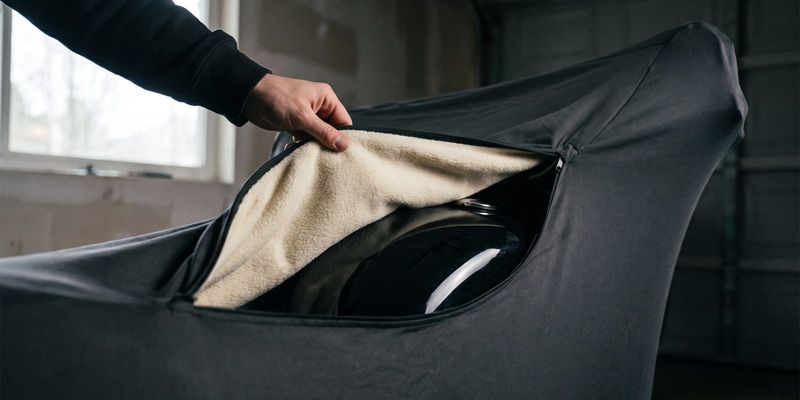
Then read the fitment notes, the part most shoppers skim past. You want to see whether the cover accounts for mirror pockets, whether there's an antenna accommodation, whether a roof rack or spoiler will clear, and whether it's built to handle any aftermarket changes. If the listing doesn't mention a roof rack and you have one, assume it isn't accounted for.
Got a modified vehicle? Lift kit, spoiler, wide-body kit, anything that changes the car's stock dimensions? Standard size charts are built around factory specs and won't reflect any of that. Check the fit modifications guidance before you buy, not after the cover arrives too tight across the fenders.
Watch for Red Flags That Signal a Bad Fit Before You Click Buy
Some listings are just riskier than others, and you can usually tell before you add to cart.
No size chart. No year/make/model lookup. Just a vague length range and a photo. That's a listing built for broad appeal, not accuracy, and it should make you slow down.
Reviews are another tell. If multiple customers mention the cover ran "loose," came up "too short," or that they "had to return it," take that seriously. That's not one unlucky buyer, that's a pattern tied to that specific listing. Double-check your measurements against the chart again before ordering, and don't assume your vehicle is the exception.
Last thing to confirm before checkout: the seller's return policy and whether there's a no-hassle guarantee attached. Even when you do everything right, sometimes a cover still doesn't sit the way it should. Knowing you can send it back without a fight, via a clear return policy or a no-hassle guarantee, is the safety net that makes the rest of this process low-risk.
What To Do If the Cover Doesn't Fit When It Arrives
First move: try the cover on before you remove any tags. Keep the packaging intact in case you need to send it back. Lay it over the car the way you would for actual use, not just draped loosely, and check it against the same fitment notes you read before buying. Mirror pockets where they should be? Antenna cutout lined up? Any gaps at the bumpers or tightness across the roofline? Photograph it. If something's off, you'll want that documentation handy.
A cover backed by a lifetime warranty or a no-hassle return process protects you here, assuming you followed the sizing steps and still ended up with a mismatch. That's the whole point of checking return terms before you buy, not after.
One more thing worth ruling out: a properly fitted cover should go on clean, without excess bunching or you wrestling it over the hood. Sometimes what looks like a fit problem is actually an installation problem. Before you request a return, run through the installation guide to confirm it's genuinely the size that's wrong, not just the way it's being put on.
Getting this right before you buy isn't complicated, it's just a handful of steps most people rush past. Measure the actual vehicle, run it through a lookup tool, read the fitment notes, and check the return policy as backup. If you want more guides like this on choosing and sizing covers for whatever you're parking outside, browse the vehicle covers section or stick around the blog for the next one.