How Do You Know What Size Car Cover to Buy? 6 Steps to Get It Right
Published

Why Getting the Size Right Matters
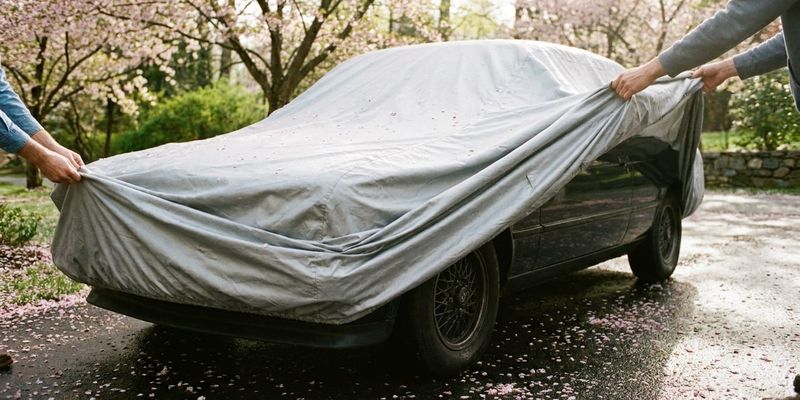
A car cover that doesn't fit is almost worse than no cover at all. Too loose, and it flaps around in every gust of wind, working like sandpaper against your paint while letting dust, pollen, and moisture sneak in underneath. Too tight, and you're stretching seams, forcing it to not fully close around the body, or leaving the bumper and mirrors sticking out in the open.
Sizing is the number one reason car covers get returned. Not material quality, not color, not price. Just a cover that doesn't match the vehicle it was bought for. So if you're asking how do you know what size car cover to buy, the honest answer is: you measure first, then match those measurements against real specs before you ever hit "add to cart."
That's what this guide walks through. Six steps: measuring your vehicle, pulling its exact factory specs, choosing between universal, semi-custom, or custom-fit, using a size chart or finder tool, accounting for add-ons like racks and antennas, and double-checking everything before you buy. Get through these in order and you'll land on the right size the first time.
Step 1: Measure Your Vehicle's Key Dimensions

Start with a tape measure, not a guess.
Length: measure from the very tip of the front bumper to the very tip of the rear bumper. Skip the mirrors for this one, they're accounted for separately on most covers.
Width: measure at the widest point of the vehicle. On most passenger cars that's mirror to mirror. On trucks and SUVs without big mirrors factored in, it might just be body width, so check what the brand's chart is actually measuring before you compare.
Height: ground to the highest point of the roof. If you've got a roof rack or antenna, note that height too, but separately (more on that in Step 5).
A few practical notes: use a flexible tape measure, not a rigid one, and measure on level ground so you're not getting a skewed reading from a slope or driveway dip. And if your number lands between two sizes on a chart, round up. A slightly looser fit is a lot easier to live with than one that won't close.
Step 2: Pull Your Vehicle's Exact Specs (Year, Make, Model, Trim)
Your own measurements are a great starting point, but pairing them with the manufacturer's official numbers catches mistakes a tape measure alone might miss. Check your owner's manual, the sticker inside the driver's side door jamb, or the manufacturer's website for the factory length, width, and height.
Trim matters more than people expect. A two-door coupe and a four-door sedan version of the same model can have different lengths. A short-bed truck and a long-bed truck of the same model year are not interchangeable when it comes to cover sizing. Know your exact trim before you shop.
Modifications complicate things further. A lift kit, oversized tires, or a roof rack can push your vehicle outside its stock dimensions, which means the factory specs alone won't tell the full story. If you've modified your ride, measure it as it sits now, not as it rolled off the lot.
Write all of this down before you start shopping. Year, make, model, trim, and any modifications. You'll move faster and make fewer mistakes at checkout.
Step 3: Decide Between a Universal, Semi-Custom, or Custom-Fit Cover
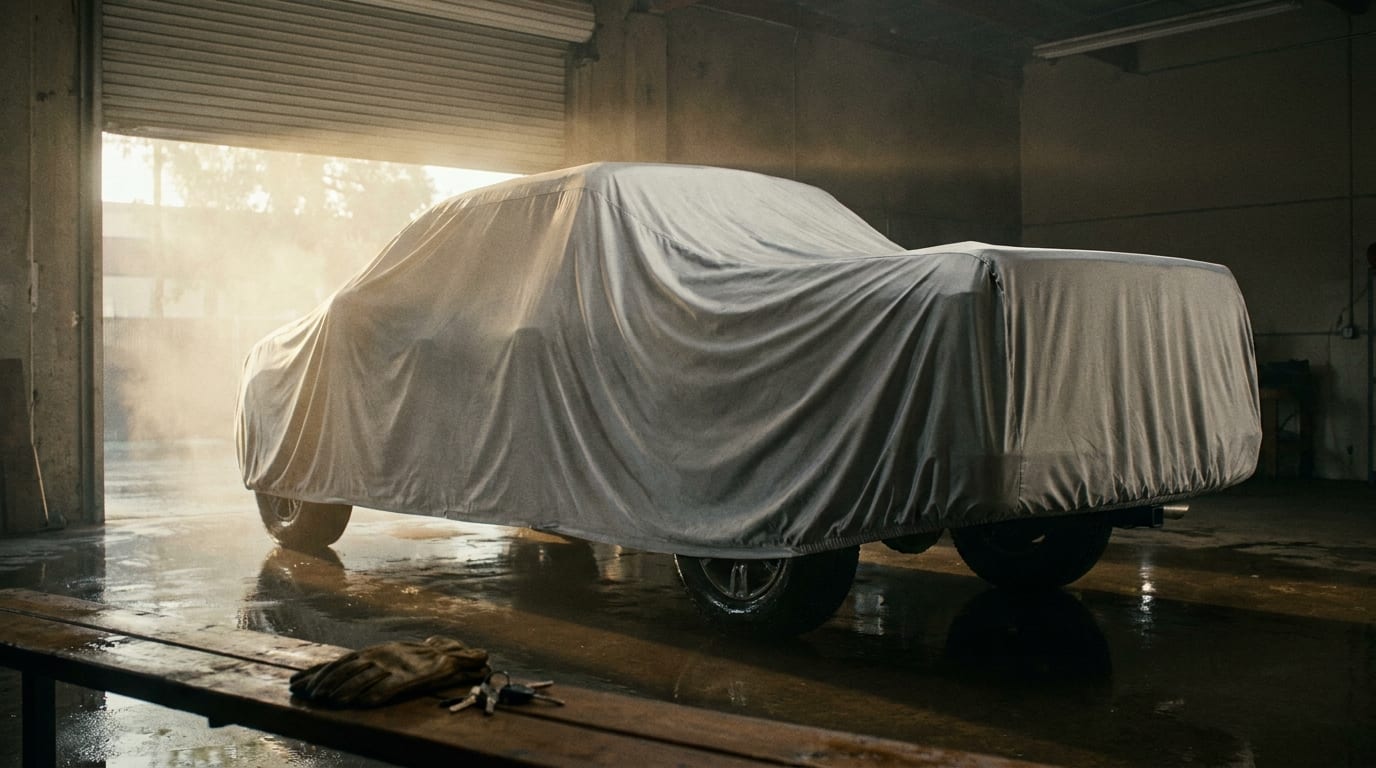
Not all car covers are sized the same way, and this is where a lot of buyers get tripped up.
Universal covers use broad length ranges, something like "fits vehicles 180 to 200 inches." They're the cheapest option and the easiest to find, but they're also the least precise. You're basically betting that a generic shape works for your specific car.
Semi-custom covers narrow things down by body style or category, so a sedan-shaped semi-custom cover fits differently than one built for a hatchback or SUV, even within the same length range. Better fit than universal, still not exact.
Custom-fit covers are built to your specific year, make, model, and trim. These hug the body lines of your actual vehicle, which means less flapping, less rubbing, and better protection overall. If precision matters to you, which it should if you're keeping the vehicle outdoors or long-term, this is worth the extra cost. We break down exactly how that fit process works over on our custom-fit car covers page.
Step 4: Use a Size Chart or Vehicle Finder Tool Instead of Guessing
Here's the mistake people make constantly: they eyeball a product photo, assume it looks about right, and order. Don't do that.
If you're going the universal or semi-custom route, pull up the brand's published size chart and compare it directly against the measurements you took in Step 1. Don't round down. Don't assume your vehicle is "probably a medium." Match the actual numbers.
If you're going custom-fit, you don't even need a chart. Just enter your year, make, and model into a vehicle finder tool and let it pull the exact match for you. We've got a full explainer on what size car cover fits your vehicle if you want the deeper version of this process, and you can jump straight into our find your car cover tool or the cover finder to look up the right size by vehicle instead of relying on guesswork. This single step answers how do you know what size car cover to buy better than anything else on this list, because it removes the guesswork entirely.
Step 5: Account for Mirrors, Antennas, Spoilers, and Other Add-Ons
Standard sizing assumes a stock vehicle. Yours might not be stock.
Tall antennas, roof racks, rear spoilers, and oversized aftermarket mirrors can all throw off a cover that would otherwise fit perfectly. Some covers include a separate mirror pocket or extra slack built in for this, but plenty don't, especially cheaper universal ones. If your vehicle has any of these additions, measure them separately. The size chart isn't going to know about your roof rack.
Trucks need extra attention here. A bed with a tonneau cover, bed rack, or toolbox changes the effective length of the vehicle, and standard truck cover sizing won't account for that automatically. If you're sizing a cover for a truck with bed accessories, our pickup truck bed size guide walks through how different bed lengths change what you need. It's worth a look before you buy, especially if you're shopping from our truck covers lineup or browsing general SUV covers with a roof rack installed.
Step 6: Double-Check Fit Before You Buy (and Know the Return Policy)

Before you check out, go back one more time and compare your measurements against the product's listed dimensions. It takes two minutes and it's the single easiest way to avoid a return.
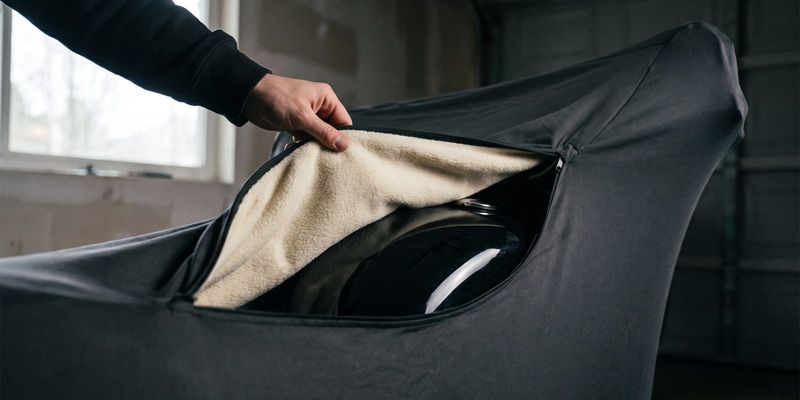
Also look at how the cover actually closes. Elastic hems, adjustable straps, and cable-and-buckle closures all build in a small margin of error, so a cover that's slightly off in one dimension might still work fine if it has enough adjustability. A cover with none of that margin needs to be closer to exact.
And even with all this care, sometimes a cover still isn't quite right once it arrives. That's normal. Know the policy going in: check our no-hassle guarantee and return policy before you buy so you're not scrambling to find that information after the fact. A good return policy is a safety net, not a reason to skip the measuring.
Final Check: Confirm Fit After Installation
Once your cover shows up, don't just assume it's right because the size matched on paper. Install it and actually look at it.
Check the bumpers for gaps. Check the beltline (the horizontal line where the body meets the windows) for excess slack bunching up. Check the roofline for any pulling or tightness across the seams. Our guide to installing your car cover walks through the proper steps, and following it will also surface fit problems you might otherwise miss.
A properly sized cover sits snug without straining any seams, and it fully closes around the vehicle using its straps or elastic hem, no gaps, no flapping. Once you've got that fit confirmed, keep it looking right with our step-by-step guide to cleaning a car cover.
If you've worked through all six steps and you're ready to shop with confidence, browse car covers by vehicle now that you know exactly what size you need. And if you want more buying advice like this sent your way, consider subscribing to our articles or poking around the blog for more guides on keeping your vehicle protected.