A breathable, properly fitted car cover can stay on for weeks or even months at a stretch, but it shouldn't go that long without being lifted off for a quick look underneath. So how long can you leave a car cover on? For long-term storage, the honest answer is: indefinitely, as long as you're checking on it every 1 to 2 weeks. The cover material and your local climate are what actually set that safe interval, not some universal number.
There's a difference between a cover physically staying put and a cover being fine to leave untouched. A cheap plastic tarp can technically sit on your car for a month. That doesn't mean it should. Condensation builds up underneath it, has nowhere to go, and starts working on your paint within days. A breathable fabric cover handles that same month without issue because it lets moisture pass through instead of trapping it against the finish.
Worth separating two very different use cases right away. If you're throwing a cover on overnight or over a weekend, there's no limit to worry about. On, off, on again. No real exposure window for problems to develop. It's continuous, weeks-long storage where the 1-2 week check-in habit actually earns its keep.
What Actually Determines the Safe Timeframe
There's no single countdown clock here. A few variables stretch or shrink your safe window, and material is the biggest one. Non-woven, breathable fabrics are built to let moisture vapor escape while still blocking rain and dust. Non-breathable vinyl or plastic covers don't do that. Water vapor off the car's surface (overnight temperature swings alone will generate some) gets sealed in, and that's how you end up with water spots and mildew in under a week in some cases.
Climate plays almost as big a role. A car cover left on in Phoenix is a different story than one left on in coastal Florida or the Pacific Northwest. Humidity, rain frequency, and salt air all shorten how long you can go between checks. If you're storing a vehicle outdoors in a wet climate, lean toward the shorter end of that 1-2 week window, not the longer one.
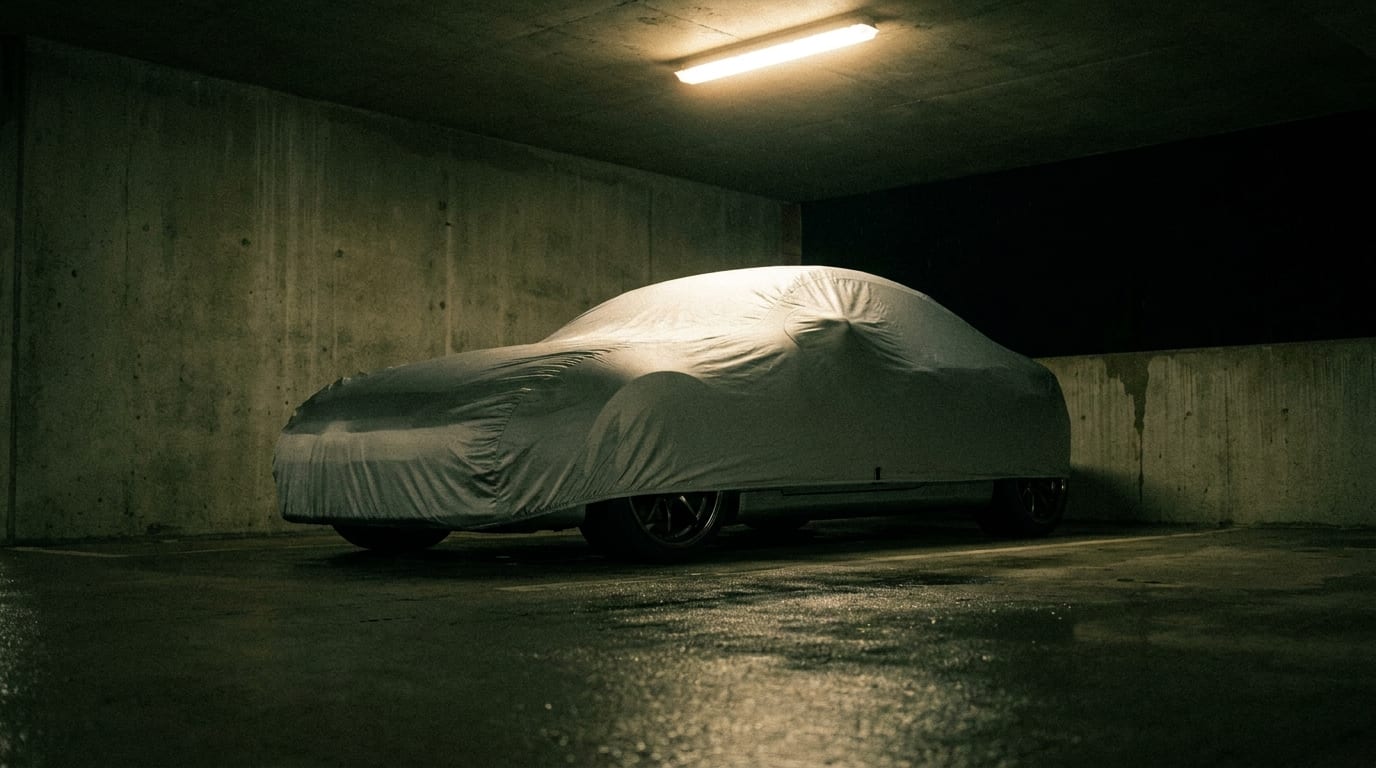
Where the car sits matters too. A vehicle in a closed garage under an indoor cover is shielded from rain, UV, and the daily heat-cool cycle that drives condensation. That's the scenario where a cover really can sit for months with minimal risk, because you've removed most of the variables that cause problems outdoors in the first place.
And then there's fit. A loose cover is its own hazard regardless of timeframe. Wind gets underneath it, it flaps, and the fabric rubs against the paint like fine sandpaper, slowly dulling the clear coat over weeks of movement. A snug, correctly sized cover with proper installation avoids that problem almost entirely, no matter how long it stays on.
Long-Term Storage vs. Everyday Use: Different Rules
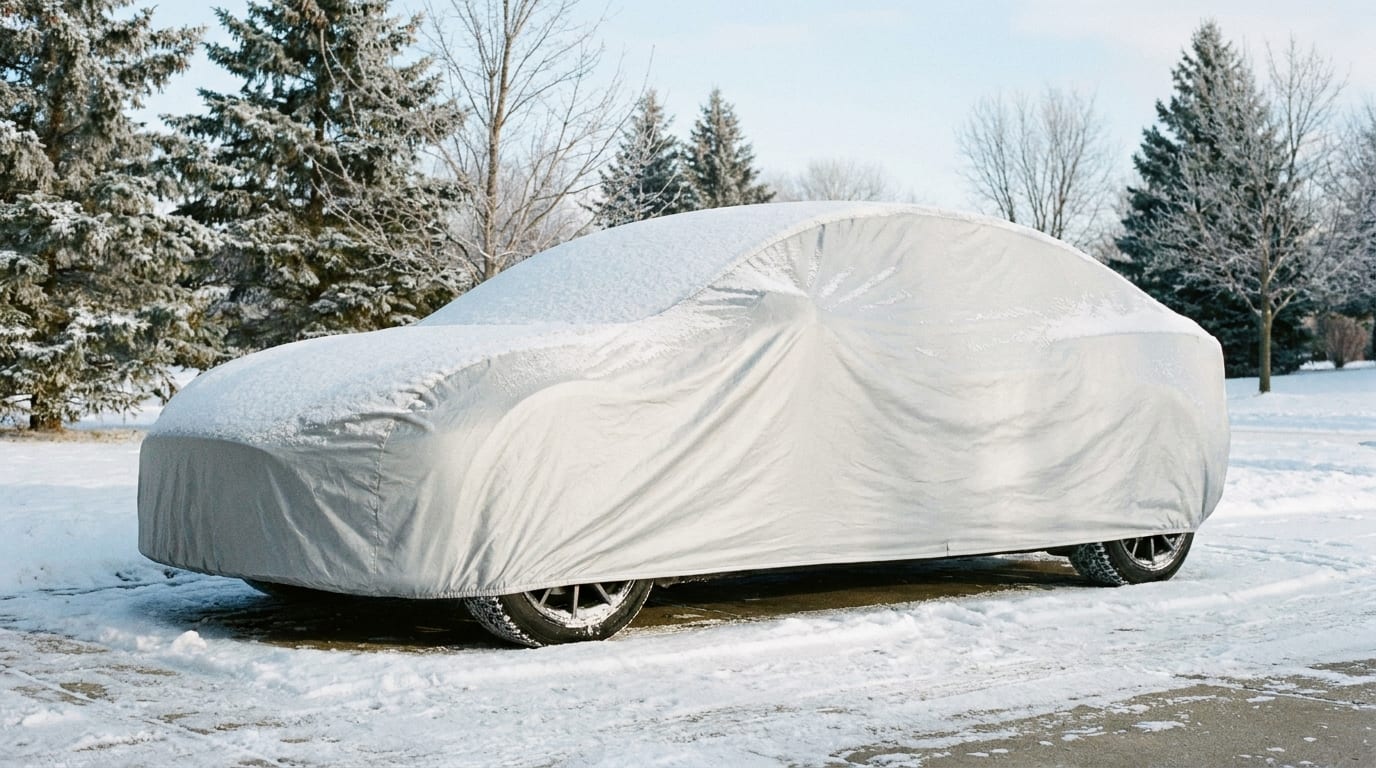
Daily use and long-term storage really are two different conversations. For everyday driving, covering the car overnight or for a weekend trip, don't overthink it. There's no clock running. Put it on, take it off, repeat.
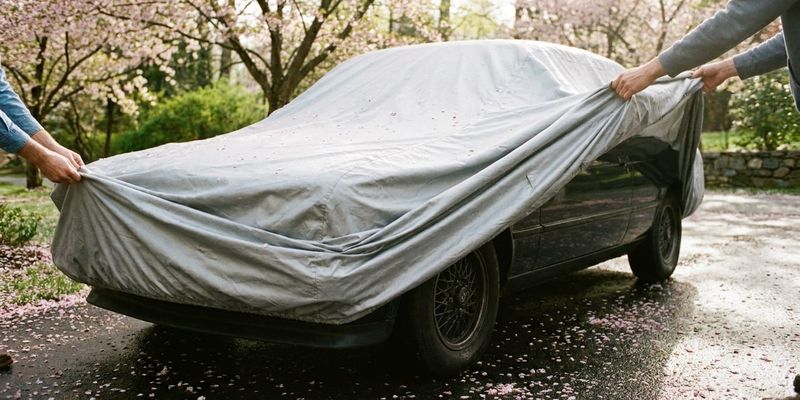
Seasonal storage is where the rules tighten up. Winterizing a car for a few months, or parking a project car for the season, calls for a cover that's actually built for sustained outdoor exposure, plus a standing reminder to check underneath it every 1 to 2 weeks. That check takes five minutes. Lift a corner, feel for dampness, glance at the paint, put it back down.
Vehicles parked for three months or more, classic cars, RVs, boats waiting out the off-season, benefit from more than just a cover check. Start the engine periodically if you can, and let the car air out for a bit while you're under there anyway. It keeps the battery alive and gives any trapped humidity a chance to escape before it becomes a problem.
This logic scales up, too. RVs and trailers sitting for a season follow the exact same breathability principle as a sedan in a driveway, just across a lot more square footage of fabric.
Signs You Left the Cover On Too Long

Your nose is usually the first warning sign. A musty smell when you pull the cover back means moisture has been sitting there longer than it should have, and mold or mildew spots on the paint or the underside of the fabric usually aren't far behind.
Water spots, swirl marks, or paint that's gone a little dull in patches are the next clue. That's trapped moisture sitting against the finish for too long, slowly etching into the clear coat instead of evaporating off like it should.
Debris is the sneaky one. Leaves, pollen, and dirt that get compacted between the cover and the body panels don't just sit there harmlessly. Every gust of wind grinds them against the paint a little more, and over weeks that adds up to real scratching.
Lastly, check the cover itself. Mildew staining on the fabric isn't just a cosmetic issue, it shortens the cover's own usable life. A cover that's constantly damp underneath breaks down faster than one that gets aired out regularly.
How to Extend Safe Wear Time

Start clean. Wash and fully dry the car before you cover it. Any moisture on the paint when you put the cover on just gets sealed in from day one, giving mildew a head start before storage even begins.
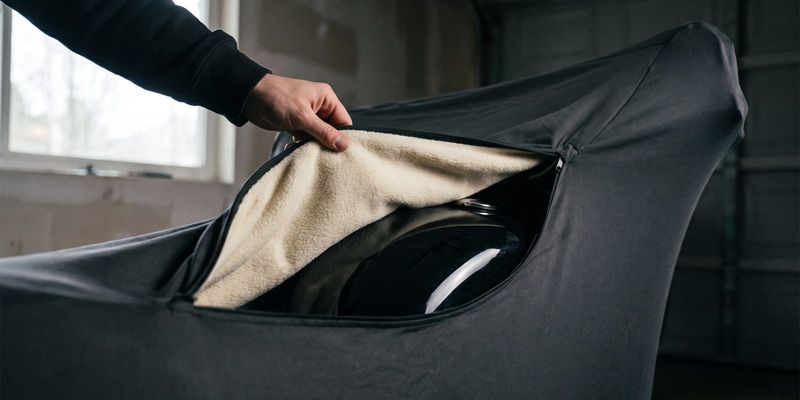
Match the cover to where the car lives. An outdoor vehicle needs a waterproof, breathable cover built to handle rain and UV over weeks of exposure. A car parked indoors doesn't need that heavy-duty construction, a softer indoor-specific fabric works better and won't trap heat the way an outdoor cover might in a closed garage.
Secure it properly. Straps, cable locks, or gust straps keep the cover from shifting in the wind, which is what prevents that slow grinding of dirt into your paint over a long storage stretch.
And set an actual reminder. Not a mental note, a calendar alert. Every 1 to 2 weeks, lift the cover, check for dampness, wipe down the underside if needed, and put it back on. It's a small habit that prevents most of the damage people blame on the cover itself.
Choosing the Right Cover for How Long You'll Leave It On
A short outdoor stretch, a few days to a week, doesn't demand much. A basic waterproof outdoor cover handles that fine.
Extended outdoor storage is where you need to upgrade. Look for breathable, UV-resistant, waterproof fabric specifically rated for weeks of continuous exposure. This is where the cheap tarp-style covers fall apart, literally and figuratively, because they weren't built to breathe over that long a window.
Indoor long-term storage is the most forgiving scenario. A soft, non-abrasive indoor cover can stay on for months with very little risk, since it's not fighting rain, UV, or temperature swings the way an outdoor cover is.
| Storage scenario | Recommended cover type | Realistic check-in interval |
|---|---|---|
| Daily driver, overnight/weekend | Basic outdoor cover | None needed |
| Outdoor seasonal storage | Breathable, UV-resistant, waterproof | Every 1-2 weeks |
| Indoor long-term storage | Soft, non-abrasive indoor cover | Every 3-4 weeks |
The mistake a lot of people make is buying one cover and expecting it to handle every scenario. A cover sized for weekend use isn't built for a three-month winter storage stretch, and an indoor cover left outside in the rain won't hold up either. Match the cover to the actual job.
Bottom Line
So, how long can you leave a car cover on? Long enough, if it's breathable and fits right, but not so long that you skip checking on it. Treat the 1 to 2 week look-under-the-cover habit as non-negotiable, regardless of what fabric you're using, and you'll avoid almost every problem people associate with long-term covering.
Pick the cover for the job you're actually doing, not the one you happened to grab off the shelf. If you're not sure which type fits your situation, our outdoor and indoor cover guides are worth a few minutes before you commit to a long storage stretch, and our car care hub has more on keeping your vehicle in shape while it's parked.