


How Many mm Should a Car Cover Be? A Thickness Guide
Ask five different car cover brands how thick their material is, and you might get five different answers in five different units. That's the real problem hiding behind a simple question.
How Many mm Should a Car Cover Be?
Most quality car covers run somewhere between 0.4mm and 1mm in single-layer thickness. But that number only tells part of the story, since multi-layer covers stack thinner films together and often outperform a single thick layer of material.
There's no universal mm answer to how many mm a car cover should be. The right thickness depends on where the car sits, outdoors or in a garage, and what kind of climate it's parked in. A cover built for a driveway in Phoenix needs different specs than one built for a garage in Seattle.
So instead of chasing one magic number, it helps to understand why mm alone doesn't determine how well a cover actually protects your paint. That's what the rest of this guide breaks down.
Is Car Cover Thickness Measured in mm or GSM?
Here's where a lot of shoppers get tripped up. Plenty of manufacturers don't list thickness in mm at all. They list GSM, grams per square meter, especially for woven or breathable fabrics.
Mm tends to show up on single-layer vinyl or plastic-style covers, the kind you'd find covering a car in an ad photo or a cheap online listing. GSM shows up on layered polypropylene and polyester blends, the fabric-style covers built for actual outdoor use over months at a time.
These two units aren't interchangeable, and treating them like they are is how people end up comparing apples to tarps. If one listing says 0.6mm and another says 300 GSM, you can't line those numbers up side by side and call it a fair comparison. Check which unit is actually listed before you assume anything about quality. For a deeper look at how different fabrics get rated and what actually separates them, this breakdown of car cover materials is worth a read before you buy.
What Thickness Works Best for Outdoor Car Covers?
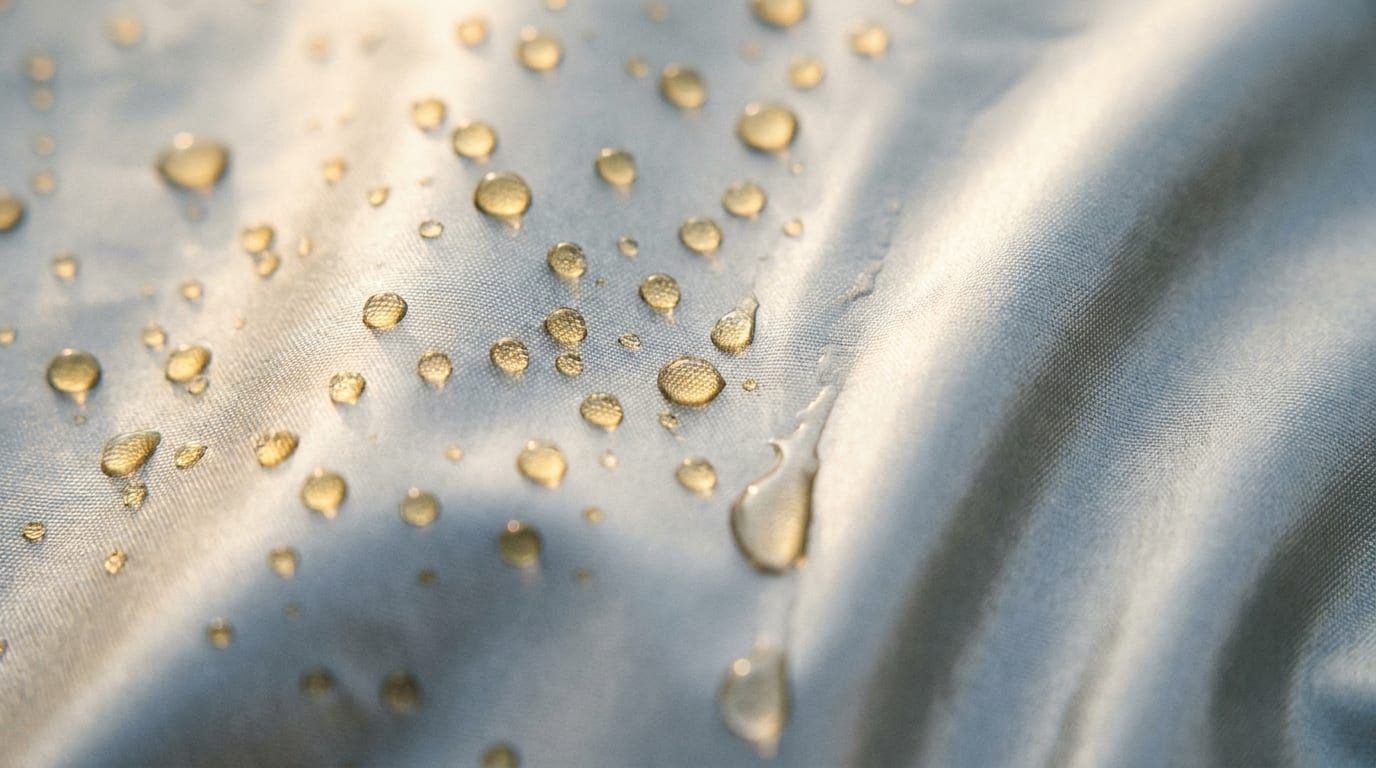
Outdoor covers have to survive sun, rain, wind, and whatever else lands on the car overnight. That usually means more layers, often 3 to 5 laminated layers, rather than one single-layer cover with a higher mm number.
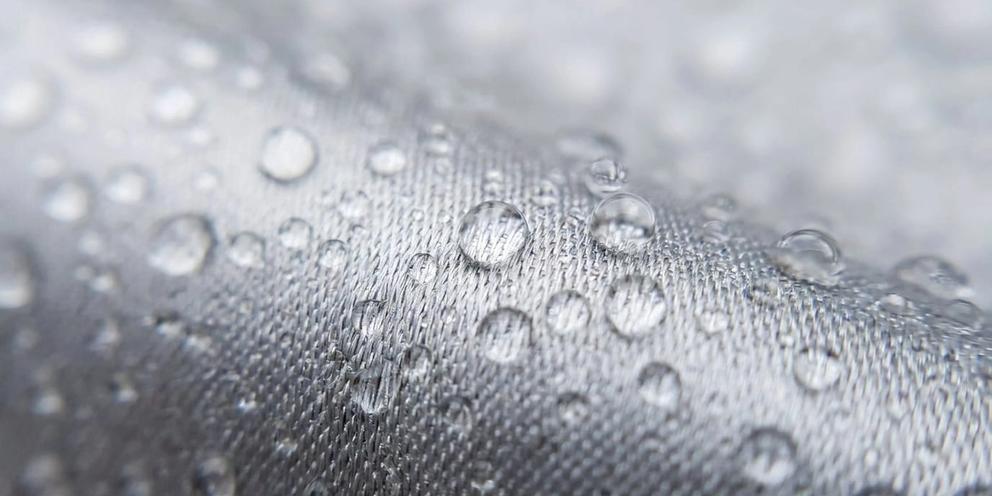
A thicker cover isn't automatically more waterproof. Weave tightness and coating quality do just as much work as raw thickness does. A tightly woven fabric with a good coating can outperform a thicker but loosely woven material, especially in steady rain.
If you're parking somewhere with real weather extremes, snow, hail, or brutal sun, layered construction matters more than chasing a single-layer mm figure. That's the piece people miss when they're just comparing spec sheets. For fit and material guidance built specifically around exterior storage, outdoor car covers covers the basics. And if you want the full rundown on what outdoor covers actually need to handle, from UV to wind gusts, this outdoor protection checklist walks through it.
What Thickness Works Best for Indoor Car Covers?
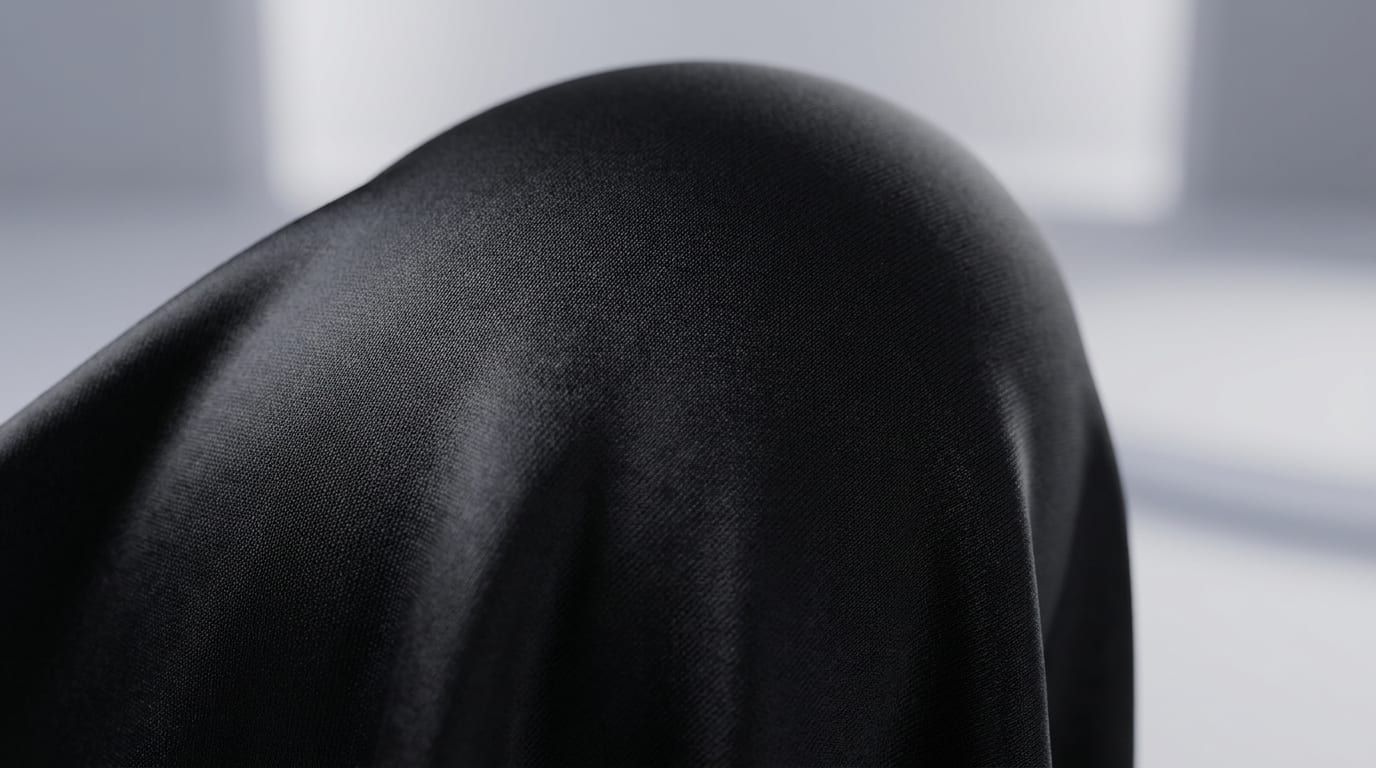
Indoor covers have an easier job. No UV, no rain, no wind whipping fabric against the paint overnight. So they can be a lot thinner, and honestly, thinner is usually the better choice here.
A soft, breathable fabric like satin or fleece-lined material does the job indoors without needing anywhere near the thickness an outdoor cover requires. The priority shifts from weatherproofing to scratch protection and keeping dust off the finish, which is a completely different set of demands.
Thinner indoor covers are lighter too. That matters more than people expect if you're pulling the cover on and off daily, folding it up, and storing it in a trunk or a shelf in the garage. A bulky, over-engineered cover gets left in a heap instead of folded properly, and that defeats the purpose. Check out indoor car covers for material options built around that daily-use reality.
Does a Thicker Car Cover Always Mean Better Protection?
No. And this is the part that trips up a lot of buyers who assume thickness is the whole story.
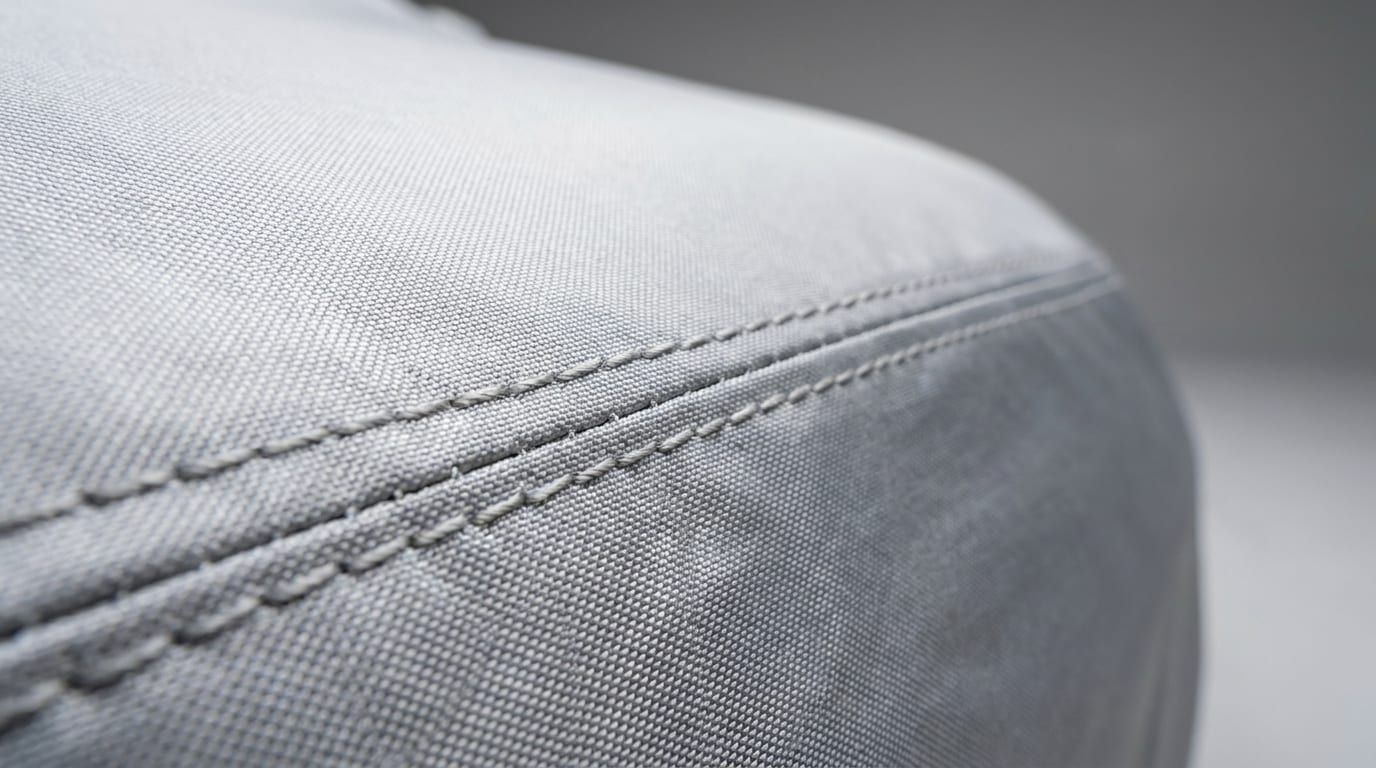
Seam construction, hem elastic, and coating quality matter just as much as how many mm a car cover measures. A cover can have an impressively thick shell and still leak at a poorly sealed seam, letting water track straight down onto the hood. Thickness doesn't fix bad stitching.
There's also a real downside to going too thick without breathability. A heavy single-layer cover that doesn't let moisture escape can trap humidity right against the paint, which causes more damage over time than a thinner, breathable layer would. Thicker isn't safer if it's also suffocating the finish.
Hail is the clearest example of this. Impact protection comes from padded, layered design, not from one thick sheet of material. A cover rated for hail is built with cushioning in mind, not just bulk. If that's a real concern where you park, hail car covers are built for that specific job. And if you're tempted to just throw a tarp over the car instead of buying a proper cover, this comparison of tarps versus car covers explains why a generic thick material isn't a substitute for something actually engineered for a vehicle.
How Do I Know If My Current Cover Is Too Thin?
A few signs are pretty obvious once you know to look for them. Sunlight visibly passing through the fabric when you hold it up. Water soaking through within minutes of a light rain instead of beading on the surface. Material that stretches or tears under normal wind, not a storm, just regular gusts.
Wear spots are another tell. If the roof or hood area is showing thinning or fraying after one season, the material wasn't built for the climate it's sitting in. That's not bad luck, that's an under-built cover doing its best against conditions it wasn't designed for.
Before you replace it, check the listing for layer count and material type, not just a single mm number sitting in the description. A cover with a decent mm rating but only one thin layer can still underperform a lower mm cover with better layered construction. Keeping the cover clean also extends its life either way, and this guide to cleaning a car cover covers how to do that without breaking down the coating early. If waterproofing is the actual issue, waterproof car covers are built with layers rated specifically for that.
Choosing the Right Cover Thickness for Your Vehicle
Boil it down and it's really three questions: where does the car sit, how rough is the climate, and how long does it go uncovered between uses. Answer those honestly and the thickness question mostly answers itself.
Don't default to "thickest available" just because it sounds like the safe choice. A thick, non-breathable cover on a mild-climate garage car is overkill, and it can actually work against you. Match the material to the actual use case instead of the biggest number on the spec sheet.
If you'd rather not guess your way through mm and GSM numbers, a fit tool can do the matching for you based on your vehicle and where you park it. Find the right car cover for your specific setup, and pair that with sizing guidance so fit and material line up together instead of just one or the other.
Still not sure what your car actually needs? Stick around and browse a few more guides, it's a lot easier to get this right once than to replace a cover twice.
Frequently Asked Questions
Is a thicker mm car cover always more waterproof?
No. Weave tightness, coating, and seam sealing affect waterproofing as much as thickness does. A thinner cover with a good coating can outperform a thicker one with weak seams.
Should I compare car covers by mm or by GSM?
Check which unit each listing actually uses. Mm usually applies to single-layer vinyl or plastic covers, while GSM applies to layered woven fabrics. They aren't directly comparable.
Do outdoor car covers need to be thicker than indoor ones?
Generally yes, but it's less about raw mm and more about layer count. Outdoor covers rely on 3 to 5 laminated layers for UV, rain, and wind resistance, while indoor covers can stay thin and breathable.
Updated