
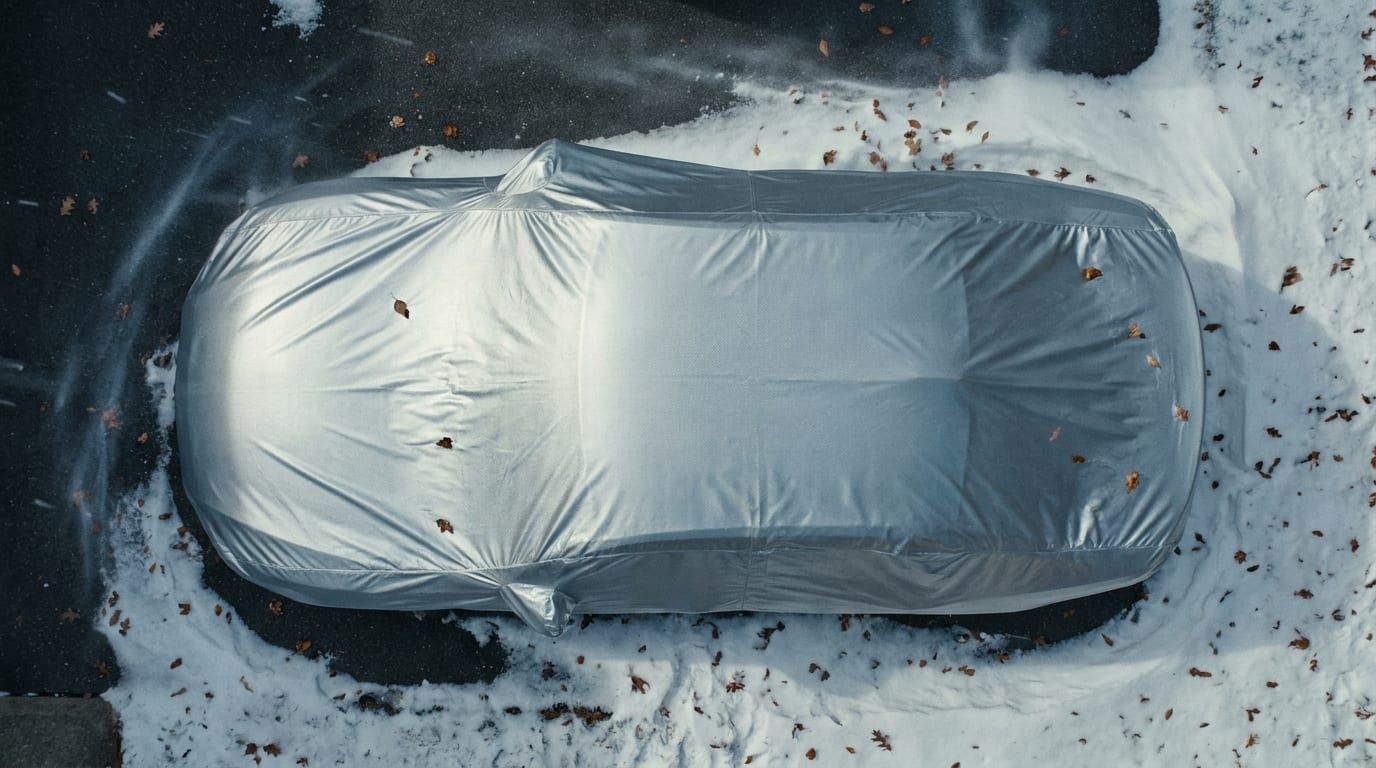
A good quality car cover typically costs between $100 and $300. Budget universal covers start around $30 to $50, and if you want a premium custom-fit or fully weatherproof option, expect to pay $350 to $500 or more. So if you've been asking yourself how much should I pay for a good quality car cover, that $100 to $300 range is your realistic target for most vehicles and most storage situations.
But "good quality" isn't just a price tag. It comes down to three things: how well the cover fits your specific vehicle, how much weather it's actually built to handle, and how long the material holds up before it tears, fades, or stops repelling water. A $200 cover that fits loosely and flaps around in the wind will wear out faster than a tighter $150 one.
The right number for you depends on where your car lives (garage, driveway, or curb), what climate you're in, and how many years you need the cover to last. Go in blind and pay under $50, and you're almost certainly trading away fit accuracy and fabric life. We'll get into exactly what that trade-off looks like next.
What Actually Drives the Price Up or Down
Four things move the price needle more than anything else.
Fit type comes first. Universal covers are the cheapest because one size (loosely) fits a whole category of cars. Semi-custom covers cost more because they're sized to your vehicle's general body style, sedan, SUV, or truck. Custom-fit covers sit at the top because they're built to your exact year, make, and model, down to the mirror pockets and antenna placement. If you're not sure which fit type your car actually needs, the what size car cover guide walks through how to measure and match before you buy.
Material layers matter just as much. A single-layer polyester or cotton blend is cheap to produce and cheap to buy. Multi-layer laminated fabrics with built-in UV resistance and water repellency cost more to manufacture, and that cost gets passed straight to you.
Then there's hardware. Grommets for a padlock, cable locks, tie-down straps, antenna patches: these small additions can tack on $10 to $40 to the base price, but they're often the difference between a cover that stays put in wind and one that ends up three driveways down.
Warranty length plays a role too. A cover backed by a multi-year or lifetime warranty costs more upfront because the manufacturer has priced in eventual replacement. That's not padding, it's insurance built into the sticker price.
Typical Price Ranges by Cover Type
Here's how the three main fit types typically break down on price:
| Fit Type | Price Range | Best For |
|---|---|---|
| Universal | $30 to $80 | Occasional, short-term use |
| Semi-custom | $80 to $180 | Better shape match, moderate weatherproofing |
| Custom-fit | $150 to $400+ | Exact match, outdoor or long-term storage |
Universal covers are the cheapest option, but that loose coverage means gaps where wind, dust, and moisture sneak in. They're fine for a weekend tarp-and-go situation. They're not built for daily outdoor duty.
Semi-custom covers close the gap a bit. Sized by body style rather than exact model, they fit noticeably better than universal and usually come with moderate weatherproofing.
Custom-fit covers cost the most because the manufacturing is precise, cut to your vehicle's actual dimensions rather than a general shape. That precision is also why they last longer outdoors. A loose cover flaps in wind, and that flapping wears down the fabric (and can even scuff your paint) far faster than a cover that sits snug. If you store your car outside year-round, the custom-fit car covers option often pays for itself through sheer longevity, even at a higher sticker price.
Indoor vs. Outdoor Covers: Why Weatherproofing Changes the Price
This is where a lot of the price confusion comes from, and it's an easy fix once you see it clearly.
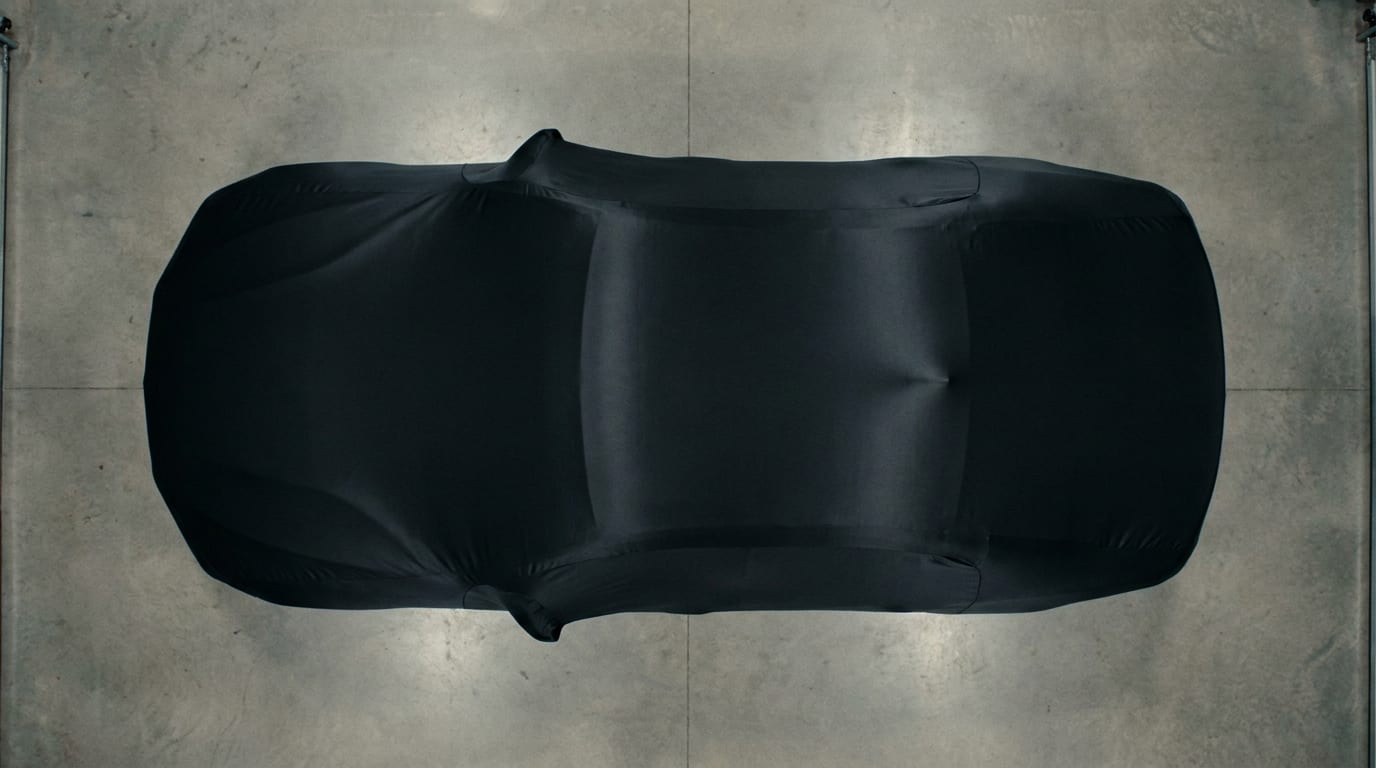
Indoor covers run $30 to $100. They're lightweight, built to stop dust and surface scratches, and don't need waterproofing because, well, they're not getting rained on. If your car lives in a garage, you genuinely don't need more than this.
Outdoor covers run $100 to $300 or more. They're built with water-resistant or fully waterproof layers, UV-stabilized fabric that won't break down in direct sun, and reinforced seams that hold up to repeated weather exposure. That jump in price is doing real work.
Fully waterproof covers for harsh conditions, heavy rain, snow, coastal salt air, sit at the very top of the range. Taped seams and heavier-gauge material cost more to produce, and they need to, because the alternative is water finding its way through and sitting against your paint.
The most common overspend mistake we see: buying an outdoor-rated, fully waterproof cover for a car that spends 95% of its life in a garage. You end up paying for weather protection you'll never actually use. Match the cover to the storage condition first. The indoor car covers and outdoor car covers guides break down exactly what each is built for, and if you're dealing with serious weather, the waterproof car covers guide covers what "fully waterproof" actually means versus water-resistant.
What You Actually Get at Each Price Point
Under $50, you're getting basic dust and light sun protection. The fabric is thin, and it's common for these covers to tear at the seams or fade noticeably within a season or two of regular use. Fine for short-term or occasional coverage. Not something you want protecting a car through a full winter outside.
In the $100 to $200 range, you start seeing real weather resistance. Stitching is better, and most covers at this level include straps or elastic hems that keep the cover anchored instead of sliding around in wind.
At $200 to $350 and up, you're paying for premium multi-layer fabric, reinforced panels at high-wear points, and often a long-term or lifetime warranty. Custom-fit tailoring usually lives in this tier too. The lifetime warranty on car covers page lays out what that coverage actually includes, since "lifetime warranty" means different things depending on the brand.
Here's the honest take: the biggest jump in durability per dollar happens between the under-$50 tier and the $100-to-$200 tier. Going from $200 to $350 gets you nicer extras, but going from $50 to $150 is where you stop replacing the cover every year.
When Paying More Is Worth It and When It's Not
Paying more makes sense when your car sits outside full-time, when you're in a harsh climate (heavy snow, intense sun, coastal salt air), or when it's a higher-value vehicle where paint protection actually matters financially. In those cases, the extra $100 or $200 is cheap compared to what a scratched clear coat or water-damaged paint costs to fix.
It's not worth paying more if your car is garage-kept and only needs occasional dust protection, or if you're covering it for a short seasonal stretch. A $60 indoor cover does that job fine. No need to buy the $300 outdoor version "just in case."
One real caution: ultra-cheap covers under $30 often have poor inner linings that can actually scratch paint, especially in wind where the fabric rubs against the body. You can end up paying more in detailing than you saved on the cover. On the flip side, don't overpay for specialty features, heated elements, extra-thick linings for climates you don't live in, that don't match how or where you actually store the car. If you're still weighing whether a cover is worth buying at all, why buy a car cover covers the baseline case before you even get to picking a price tier.
Finding the Right Cover for Your Budget
Match your storage condition and climate first. Then pick the fit type and price tier that supports it. That's the whole decision path, really: everything else is details.
If you're still unsure where your vehicle lands, skip the guesswork. A cover finder tool that matches your exact year, make, and model to in-budget options beats eyeballing a generic price chart every time.
Before you buy, it's worth a few extra minutes comparing options rather than grabbing the first listing you see. Browse what other owners rate highly, or explore a few guides on the CarCovers blog to see what fits your specific situation. A little research now saves you from re-buying a cover in six months.






