


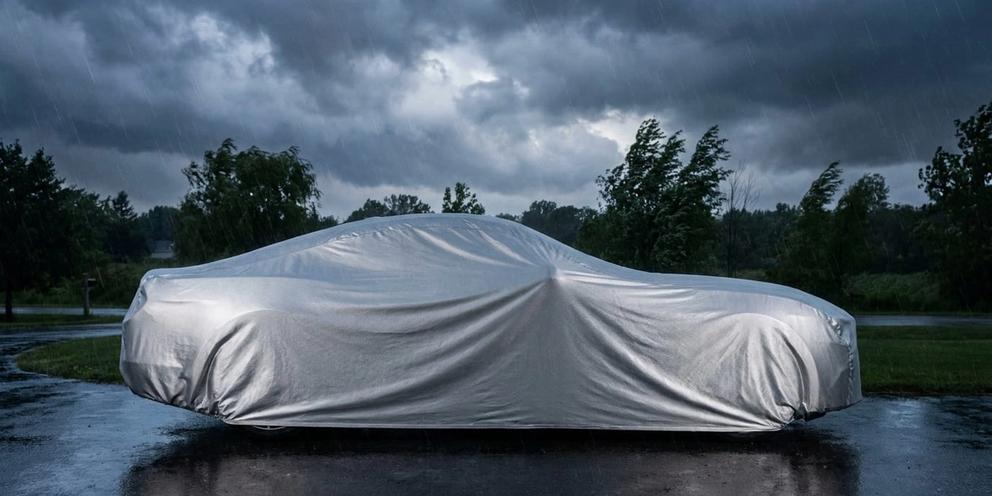
How to Keep a Car Cover From Blowing Off
Wind doesn't ask permission. One good gust under the wrong edge and a car cover that cost real money is now three houses down, wrapped around a mailbox. If you're trying to figure out how to keep a car cover from blowing off for good, the fix isn't one trick, it's a handful of small ones working together: fit, straps, tie-downs, and a correct install.
How Do You Keep a Car Cover From Blowing Off?
Use a cover that actually fits your vehicle, then secure it with the built-in straps or a separate gust strap kit. Add a cable lock or grommet tie-downs at the lowest points of the car for extra anchoring. Check the fit around the mirrors and wheels, since any gap there is where wind gets a foothold and starts lifting the whole cover.
That's the short version. Below, we'll break down why covers blow off in the first place and walk through each fix so you're not just guessing next time the forecast says "windy."
What Actually Causes a Car Cover to Blow Off in the Wind?
Wind doesn't need much. A gap near the front bumper, a loose flap by the mirror, a hem that's riding a few inches above the rocker panel. Once air gets under any part of the cover, it stops behaving like fabric and starts behaving like a sail. It lifts, it billows, and if nothing's holding the edges down, the whole thing goes airborne.
The usual suspects are pretty predictable. An oversized universal cover with yards of extra material flapping around. A hem that never got cinched down after install. Grommets that came with the cover but never got used because nobody bothered running a cord through them. None of these are exotic problems, they're just skipped steps.
Here's the thing worth remembering: even a genuinely well-made cover will blow off if it's not installed and secured right. Material quality matters, but it's not a substitute for actually anchoring the thing. For more on how wind, rain, and UV all interact with an outdoor cover, this outdoor cover guide covers the bigger picture beyond just wind.
Does Cover Fit Matter for Wind Resistance?
Fit matters more than most people expect. A universal cover is built to loosely fit a range of vehicle shapes, which means it's rarely snug on any single one of them. All that slack is exactly what wind grabs onto.
Semi-custom covers narrow the gap. Custom-fit covers close it almost entirely, because they're cut to your vehicle's actual length, height, and body lines. Less loose fabric means less surface area for wind to catch and lift. It's a simple equation: tighter fit, less flapping, fewer blow-off incidents.
If your current cover shifts around or billows every time a truck passes on the highway, it's probably not sized right for your car. Worth checking a custom-fit car cover option, or at minimum running your measurements against a sizing guide before you buy again. Baggy covers aren't just annoying, they're the number one reason people end up chasing their cover down the street.
Do Straps and Cable Locks Really Help Keep a Cover On?
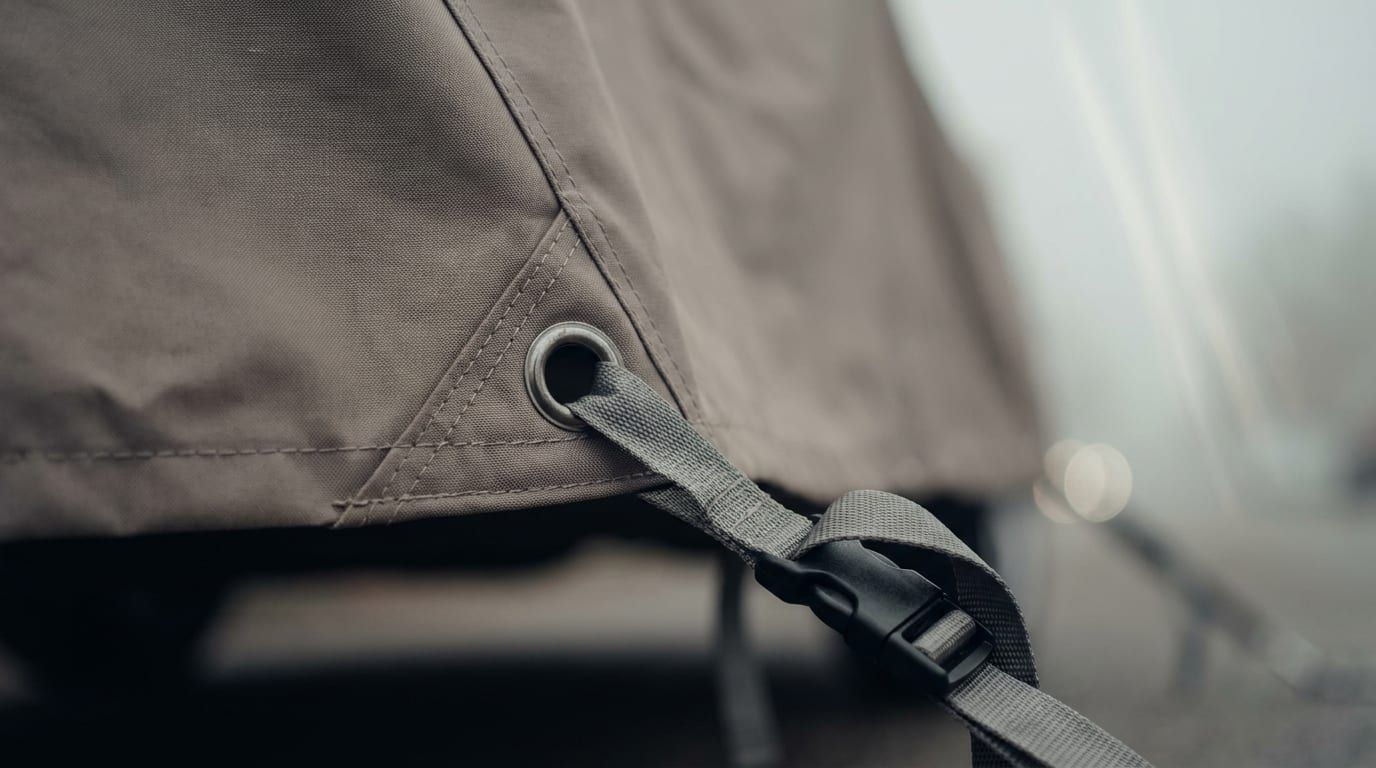
Straps and locks solve two different problems, and people mix them up constantly.
A gust strap (sometimes called a wind strap) runs underneath the vehicle and clips the two sides of the cover together. That connection pulls down against lift instead of letting the cover flap freely at the sides. It's a cheap add-on, and it makes a bigger difference than most owners expect.
A cable lock works through the cover's grommets, cinching low points to each other or to something fixed. That gives you two things at once: a theft deterrent, and a low anchor point that resists exactly the kind of upward pull wind creates.
Used separately, each helps. Used together, they cover both bases, security and wind resistance, which is why it's common practice for anyone storing a car outdoors long-term. If you haven't set either up yet, the gust strap installation guide and the cable lock installation guide both walk through it step by step.
Can You Use Extra Weights or Anchors for Windy Areas?
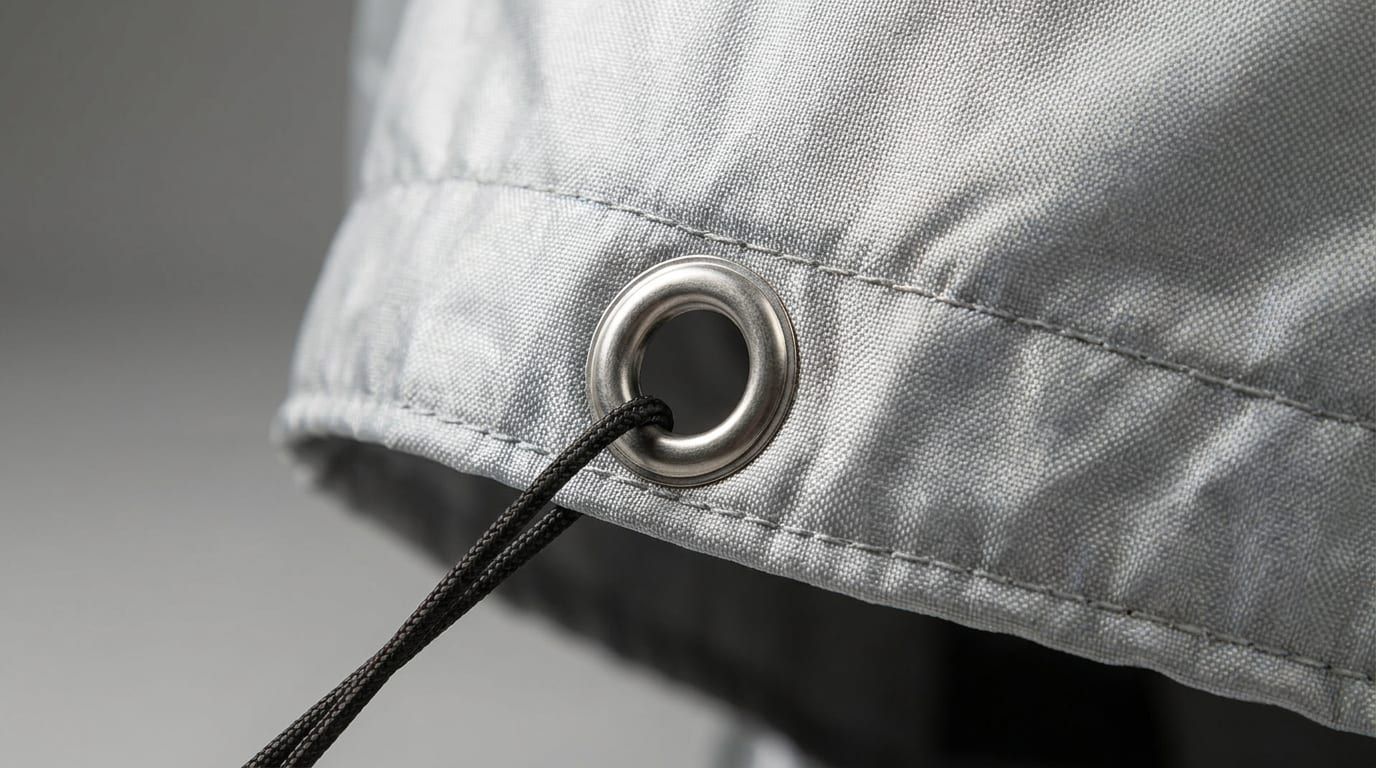
Most covers come with grommets and a cord specifically for this. Thread the cord through, then anchor it to something that isn't moving: a trailer hitch, an eyelet set into the driveway, even a heavy planter if that's what you've got. The point is a fixed anchor, not just a loop tied to itself.
In regions where wind is a near-daily fact of life, some owners add soft weights or sandbags along the hem for extra insurance. It's a reasonable supplement, not a replacement for tie-downs or a snug fit.
One caution, though: don't improvise with anything hard, sharp, or unpadded. A brick or a chunk of concrete against the hem sounds like a solid idea until it's scraping paint or wearing a hole through the fabric on a breezy night. If you're adding weight, pad it or use something purpose-made. Anyone storing a car outdoors regularly should also glance at the outdoor car cover guide for what else outdoor exposure demands beyond just wind.
How Do You Install a Car Cover So It Stays Put?
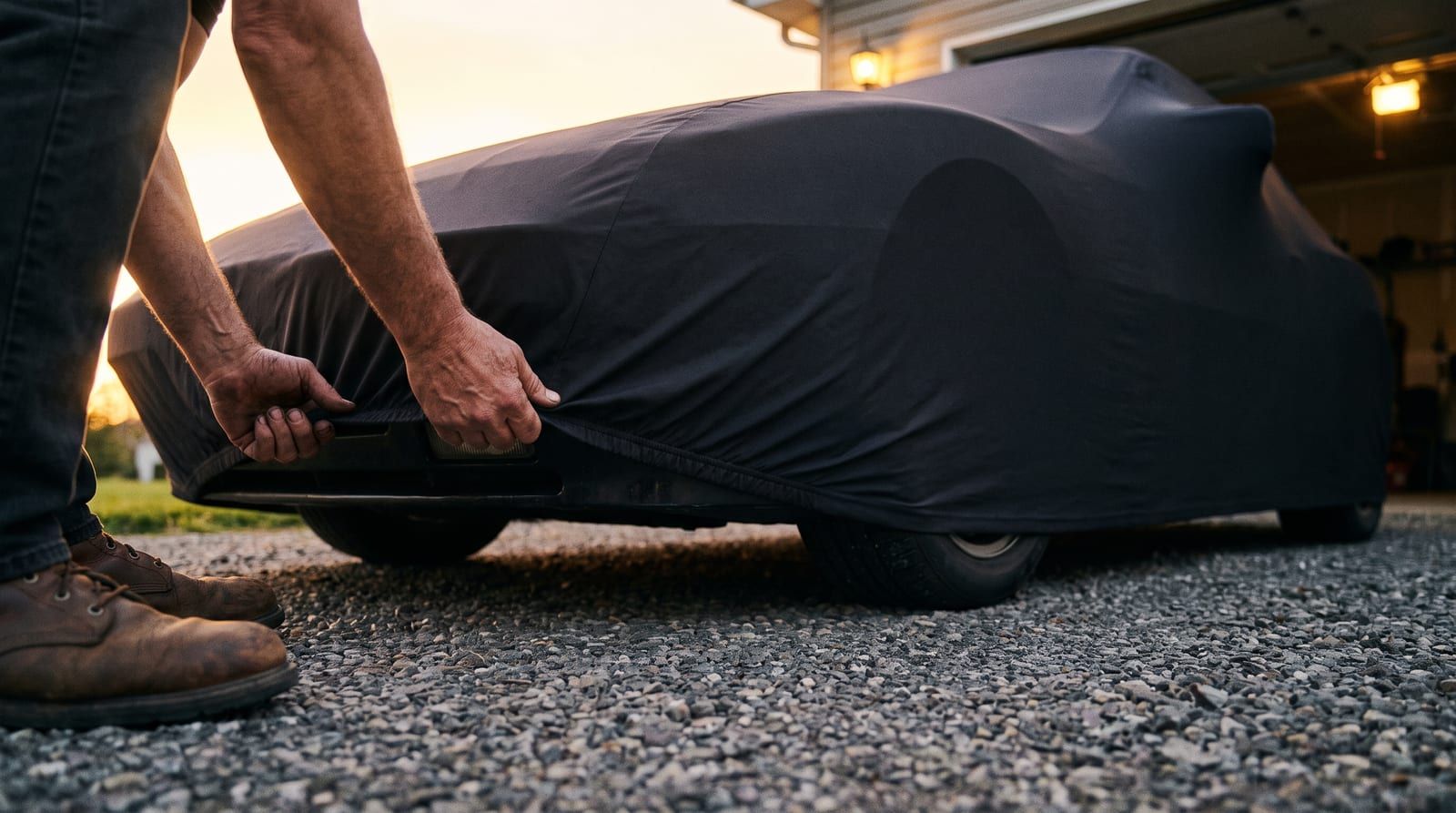
Order matters here more than people think. Drape the cover front to back, not the other way around, so you're not fighting the shape of the car. Tuck it carefully around the mirrors, that's a high-lift point and a sloppy tuck there undoes everything else you do right. Then cinch the elastic hem down under the rocker panels, pulling it snug rather than leaving it resting on top of the body line.
Straps and cable locks go on last, once the cover itself is seated correctly. Attaching them to a loose, uncinched cover just means they're holding the wrong thing in place.
Here's the part almost everyone skips: the hem cinch. It takes ten extra seconds and it's the single most common reason a cover that seemed fine on day one is loose and flapping by day three. Skip it, and you're basically betting on calm weather.
For the full walkthrough with photos at each step, the car cover installation guide is worth bookmarking, especially if this is a new cover on an unfamiliar vehicle shape.
Is a Tarp a Safer Bet Than a Car Cover in Windy Weather?
No, and it's not close. A tarp has no fitted hem, no strap points, no shape matched to a vehicle. It's just a flat sheet of material draped over curves it was never cut for. Wind finds every one of those gaps immediately, and a tarp flapping hard enough will tear before it'll stay put.
There's a second problem tarps create that has nothing to do with wind: they trap moisture against the paint. A fitted cover made from breathable material lets that moisture escape. A tarp just seals it in, which is a slow way to damage a finish you're trying to protect in the first place.
If you want the longer comparison, this breakdown of tarps versus car covers goes deeper, and this guide to cover materials explains why breathable, purpose-built fabric outperforms a generic tarp on every front that matters for outdoor storage.
When Should You Replace a Car Cover That Keeps Blowing Off?
Sometimes it really is the cover's fault, not your install. A few signs it's time to move on: elastic hem that's gone slack and won't cinch tight anymore, torn or missing grommets, straps that are long gone or never came with it, or a fit that was clearly too loose from the start.
Before you buy a replacement, recheck your vehicle's exact measurements against a sizing chart instead of grabbing whatever's labeled closest. Buying the same loose fit twice just repeats the problem.
If you're shopping for something built with tie-down points already in place, take a look at the full car cover lineup and match it against your vehicle's actual dimensions this time.
Windy driveway or not, the fix is almost always the same combination: right fit, hem cinched, straps and anchors doing their job. Get those three right and blow-offs mostly stop being a thing you think about. If you want more of this kind of practical, no-fluff car care advice, it's worth poking around the rest of our articles for what else might be costing you time or money on upkeep.
Updated