


How to Measure Your Car for a Cover: A Step-by-Step Guide
How Do You Measure Your Car for a Cover? (Quick Answer)
To measure your car for a cover, run a tape measure in a straight line from the front bumper to the rear bumper, measure height from the ground to the roof peak, and measure width at the widest point (usually mirror-to-mirror). Round each number up to the nearest inch, then match those figures to the cover's size chart, or skip the math entirely and order by year, make, and model if you're going custom-fit.
That's the short version. The rest of this guide walks through each measurement in detail, plus the mirror, spoiler, and roof rack quirks that trip people up.
What Tools Do You Need to Measure a Car for a Cover?
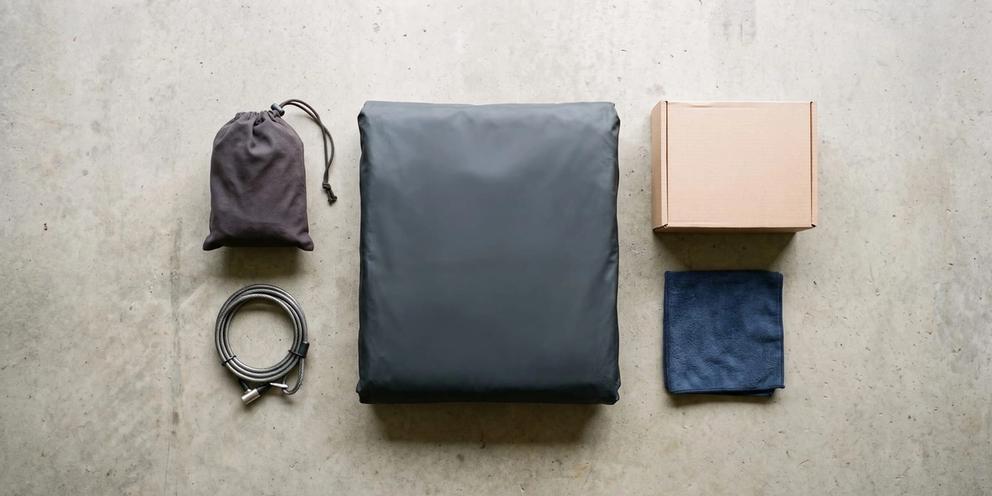
You don't need much. A soft fabric tape measure is the one non-negotiable, the kind used for sewing or body measurements, not a rigid metal contractor's tape. Metal tape doesn't bend around a bumper or roofline without kinking, and kinks mean bad numbers.
Beyond that:
- A notepad or your phone's notes app to log three figures: length, height, width
- A second person for anything bigger than a sedan. Trucks and vans are long enough that the tape sags or drifts off-line if you're holding both ends yourself
- Chalk or painter's tape, optional, to mark exactly where you started and stopped on the ground. Handy if you want to double-check a measurement later without redoing the whole thing
That's the full kit. No lasers, no apps, no guesswork required, though if you'd rather not measure at all, there's a coverfinder tool that looks up dimensions by vehicle instead.
How Do You Measure Length, Height, and Width?
Three numbers, that's it.
Length gets measured in a straight line from the tip of the front bumper to the tip of the rear bumper. Not along the curve of the body, straight through. If you follow the contour of a sloped hood or a sedan's rounded trunk, you'll come up short.
Height runs from the ground straight up to the highest point of the roof. Keep the tape vertical here. It's easy to let it lean toward the windshield or lean back toward the rear glass, and either way you'll end up with a number that's technically wrong even if it looks close.
Width gets measured at the car's widest point, which on most sedans, SUVs, and trucks is mirror-to-mirror. Some vehicles are actually widest at the rear fenders or wheel arches instead, so eyeball the whole car before you commit to a spot.
Once you've got all three, round up. Not down, not to the nearest half-inch, up to the next full inch. A car cover that's a hair short is a cover that won't close around the wheels properly, and this is the single easiest way to avoid that headache.
Where Exactly Should You Start and End the Bumper-to-Bumper Measurement?
This is where people lose accuracy without realizing it.
Start the tape flush against the outermost edge of the front bumper. Not the grille, not the license plate frame, the actual bumper edge, because that's the part sticking out furthest. Then run the tape in a straight horizontal line, parallel to the ground the whole way. Ignore the dips and curves in the body panels between the wheels. Those don't matter for length.
End at the outermost edge of the rear bumper. If there's a permanent tow hitch or a fixed step bar back there, include it. Those are part of the vehicle's real footprint now, and a cover that stops short of them is a cover that won't fully close.
Once you've got a number, sanity-check it against the overall length listed in your owner's manual or the manufacturer's spec sheet. If your tape measurement and the manual are off by more than an inch or two, remeasure. Somebody's tape drifted off the straight line.
Do You Need to Account for Mirrors, Spoilers, or Roof Racks?
Mostly, yes, though it depends on the cover.
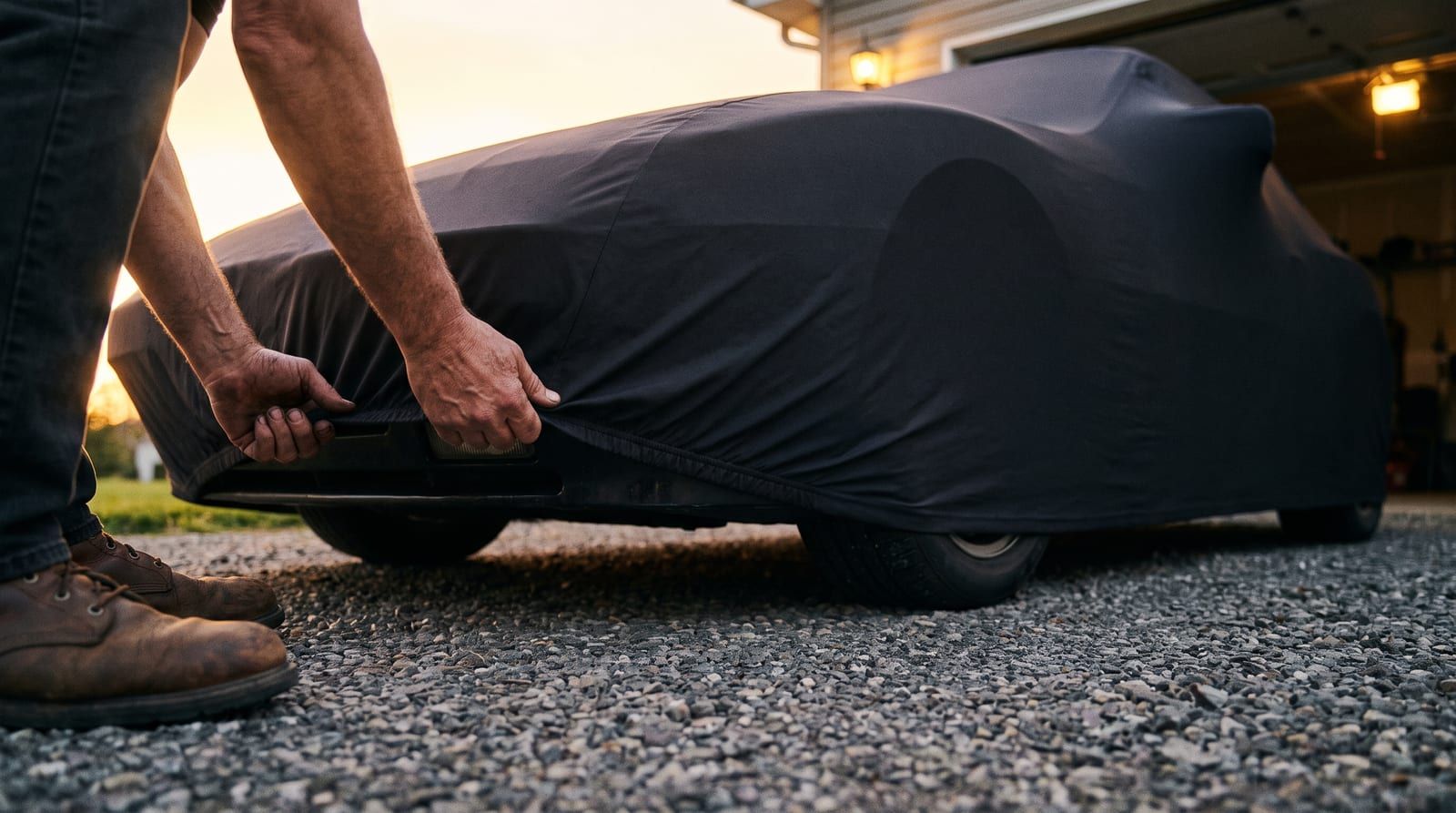
Most standard covers are cut with enough clearance to pass over side mirrors, but designs vary. Some have built-in mirror pockets that hug the mirror shape, others expect you to fold the mirrors in before covering up. Check which one you're buying before you assume either way.
Roof racks, light bars, and oversized spoilers are a different story. These add real height and width beyond the vehicle's stock dimensions, and a cover sized only to the factory body won't stretch over them without straining or tearing at the seam. If you've got any of these, measure the added height and width separately from the core three measurements, and look for a cover that either includes a cutout or offers a compatible accessory.
Antennas deserve a mention too. A short factory stub antenna usually isn't an issue. A tall aftermarket whip antenna might be, and in that case you're looking at either working around it or adding an antenna patch so you're not putting a permanent hole in a new cover.
Same logic applies to wide-body kits, ground effects, or anything else that pushes the car past its stock silhouette. If your vehicle isn't stock, treat "stock dimensions" as a starting point, not the final answer, and flag those differences before you order. The fit modifications guide covers this in more depth if your vehicle has any of these extras.
Does It Matter If You Choose a Custom-Fit or Universal Cover?
It changes what your measurements are actually for.
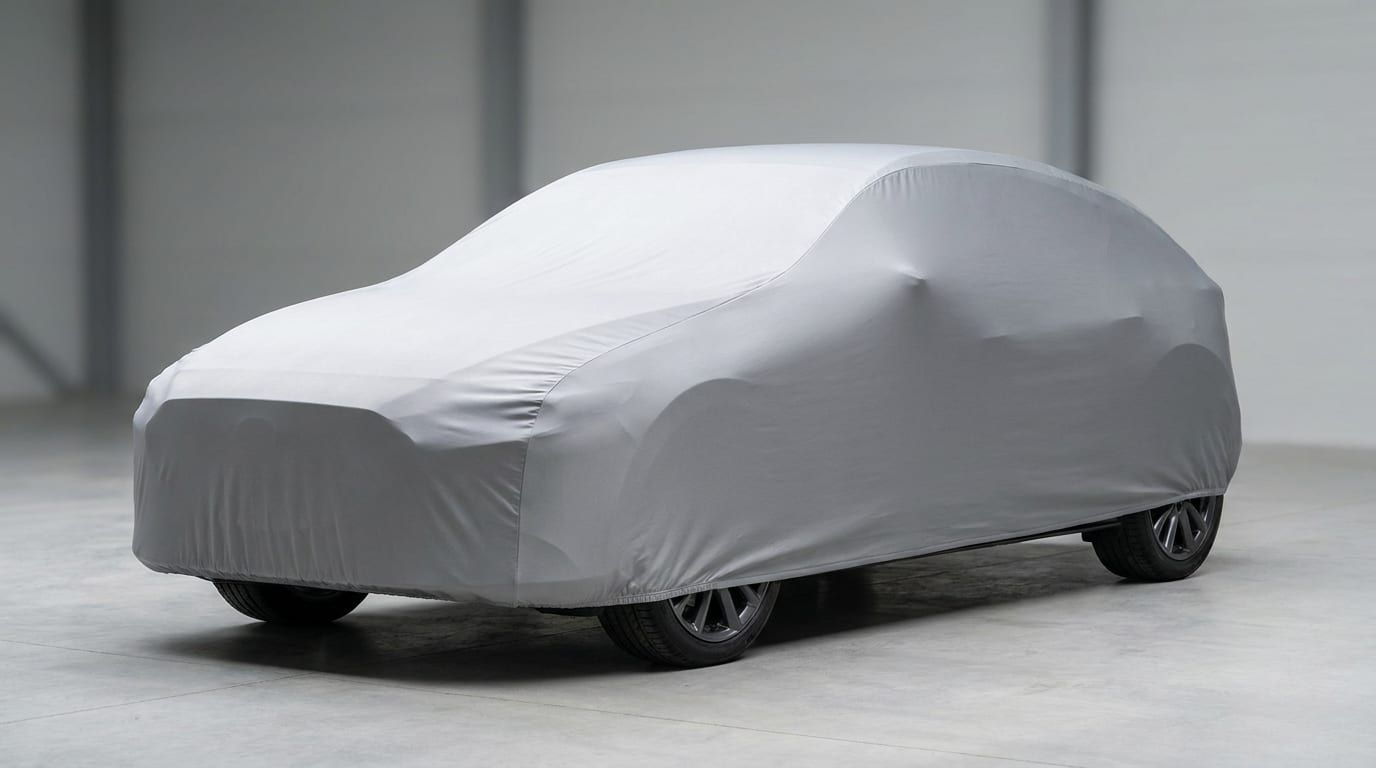
Universal and semi-custom covers use your three core measurements, plus general body style (sedan, SUV, truck), to slot you into the closest size range available. You're fitting your car to a range, not an exact shape.
Custom-fit car covers work differently. Instead of your tape measure numbers, they're built off the exact year, make, and model you provide. The fit precision there depends less on how carefully you measured and more on whether the model data on file matches your actual vehicle, trim included.
Here's the tradeoff, plainly: universal covers forgive small measuring errors better, because they're built with some slack built in already. Custom-fit covers trade that slack for a tighter seal against wind and water, since they're cut to match a known shape rather than a size range. Neither one is wrong, they just solve for different things.
One thing worth doing either way: measure your car even if you're going custom-fit. It's a useful gut-check, especially if your vehicle has been modified from stock in any way that the year/make/model data wouldn't catch. If you're unsure which route fits your situation, this sizing guide breaks down the decision in more detail.
What Happens If Your Measurements Are Off?
Both directions cause real problems, just different ones.
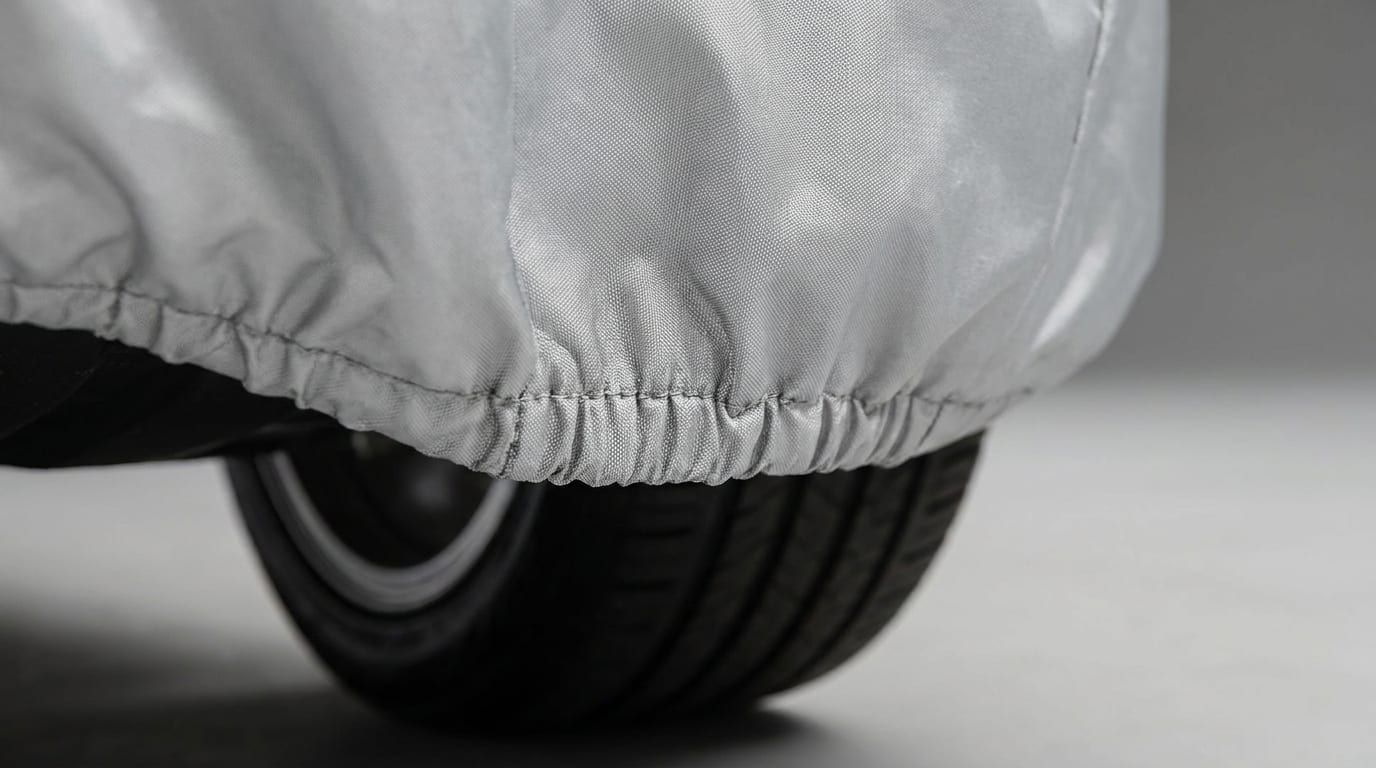
Too small, and the cover strains at every seam. It won't close properly around the wheels, and a strong gust of wind can pop it off entirely, which defeats the entire point of owning one.
Too large, and you get the opposite problem: loose material flapping in the wind, pooling water and debris in the slack fabric, and over time that loose fabric rubbing against paint in the wind. That's not a hypothetical, it's just physics: unanchored fabric moves, and moving fabric against a clear coat leaves marks eventually.
Remeasuring before you order takes five extra minutes. Skipping that step and discovering the fit's wrong after it arrives costs you a return or exchange cycle, and in the meantime your car's sitting there uncovered. Worth getting right the first time.
Fit isn't the only variable either. How well a properly sized cover performs also comes down to the material it's made from, which is worth reading up on separately if you haven't already looked into what makes a good car cover material. A snug fit and the wrong fabric for your climate will still leave you with problems, just different ones than a bad fit alone.
Ready to Find Your Perfect Fit?
Three numbers, that's really all this comes down to: length, bumper to bumper, height, ground to roof peak, and width, at the widest point. From there you've got two paths, matching those numbers to a universal size chart, or ordering custom-fit by year, make, and model instead.
Neither path is complicated once you know what you're looking for, and now you do. If you want to skip the manual matching, a size chart or coverfinder tool can take your numbers and point you straight to the right option, whether you're covering something that lives outdoors year-round or a garage-kept car that just needs indoor protection from dust.
Once the right cover shows up, it's worth a quick read through our installation guide too, since a well-measured cover still needs to go on correctly to do its job. And if you're the type who likes having this stuff sorted before you need it, our other car care guides are worth a browse next time you're deciding what your vehicle actually needs protection from.
Updated