
I Have a Hatchback in a Hail-Prone Area—What Car Cover Should I Buy?
Published
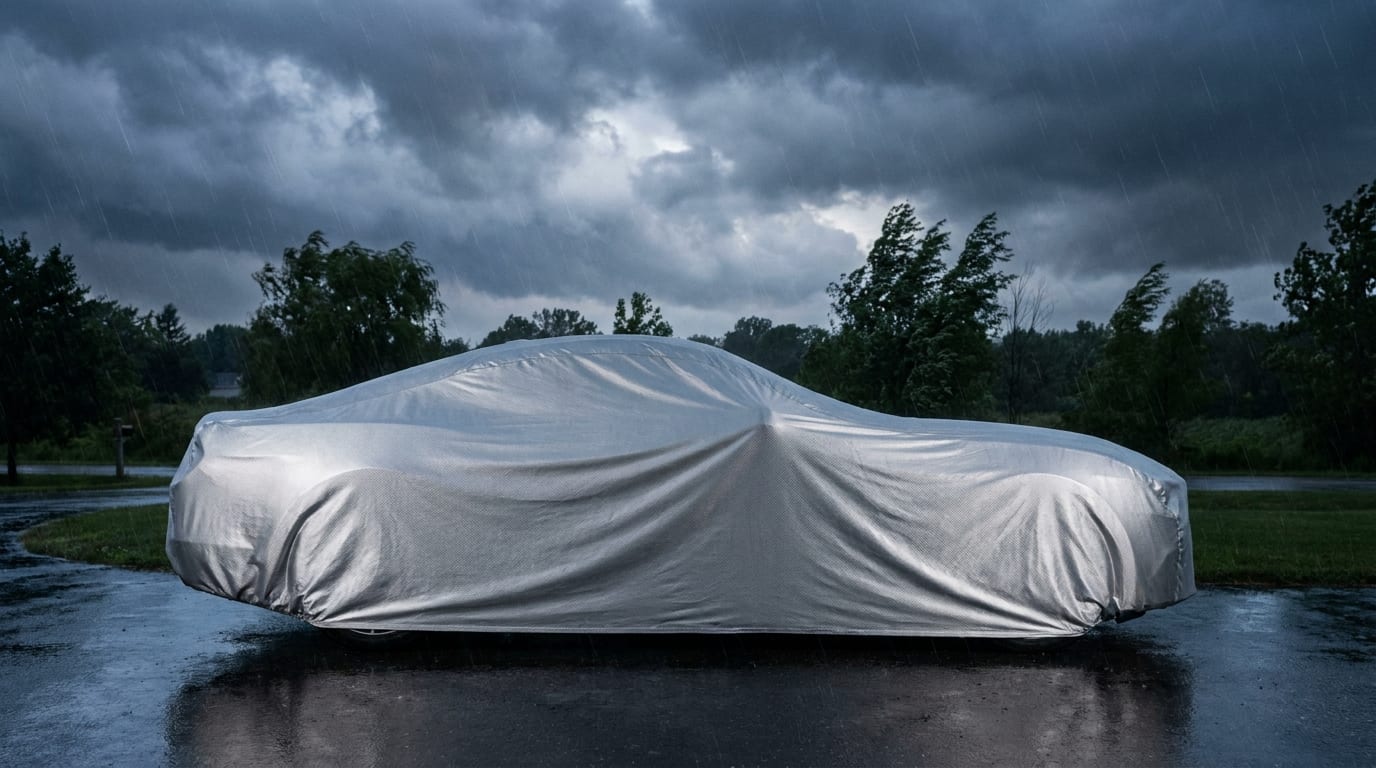
The Quick Answer
If you have a hatchback and live somewhere hail shows up every spring, buy a custom-fit, multi-layer hail-rated cover and secure it with gust straps or a cable lock. Skip anything marketed as "universal" or single-layer, those are built for dust and sun, not ice falling out of the sky. The real question isn't brand, it's whether the cover has enough padding to absorb an impact before it reaches your roof and rear glass.
Thickness matters more than the logo on the bag. A cover needs real cushioning layers, foam or dense quilted fill, not just a waterproof shell, because moisture resistance and impact resistance are two completely different jobs. And fit isn't optional here: a loose cover shifts in wind, bunches up, and leaves gaps exactly where hail needs cushioning the most. So if you've been asking yourself "I have a hatchback and live in an area with frequent hailstorms, what car cover should I buy," the short version is: custom fit, multiple layers, and a way to anchor it down.
Cover Types Compared: Which One Actually Stops Hail Damage

Not all car covers are doing the same job. A cover built to keep pollen off your paint is not the same product as one built to survive a hailstorm, even if they look similar hanging on a rack. Here's how the three main tiers stack up.
| Cover Type | Layers/Padding | Hail Protection Level | Price Range | Best For |
|---|---|---|---|---|
| Basic/single-layer outdoor | Thin woven fabric, little to no padding | Low | $ | Light rain, dust, UV exposure |
| Waterproof/multi-layer deluxe | 3-4 layer fabric, light cushioning | Moderate | $$ | Mixed climates, occasional small hail |
| Hail-specific/heavy-duty padded | Thick foam or quilted inner layer plus weatherproof shell | High | $$$ | Frequent or severe hailstorm regions |
The jump from tier two to tier three isn't marginal. A deluxe waterproof cover will keep your hatchback dry through a downpour and shrug off a few pea-sized pellets, but it's not engineered to absorb a direct hit from golf-ball hail. Only the hail-specific tier actually has foam or quilted padding whose job is to soak up kinetic energy, not just repel water. If you're shopping based on price alone, you'll likely end up with a cover that handles the rain fine and does nothing for the storm that actually worries you.
Why Hatchbacks Need Extra Thought in Hail Country
Hatchbacks catch hail differently than sedans do. That sloped rear glass and short roofline sit at a more direct angle to falling ice than a sedan's trunk-and-rear-window setup, so there's more exposed, vulnerable surface taking hits straight-on instead of glancing.
Fit complicates things further. Hatchbacks frequently share a platform across two or three body lengths and trim levels, hatchback, wagon variant, sometimes even a crossover cousin, and a generic "universal" cover cut to fit all of them usually fits none of them well. That often means the rear hatch glass or the side mirrors end up exposed or awkwardly tented, which is precisely where you don't want a gap.
This is also where cushioning quality gets undermined by poor sizing. A cover only protects as well as it sits. If there's slack, the padding isn't in constant contact with the body panel, and hail punches through that air gap before the foam ever gets a chance to absorb the hit. Tight, even contact across every panel is what turns a padded cover into actual hail protection instead of decoration.
What Actually Makes a Cover Hail-Resistant
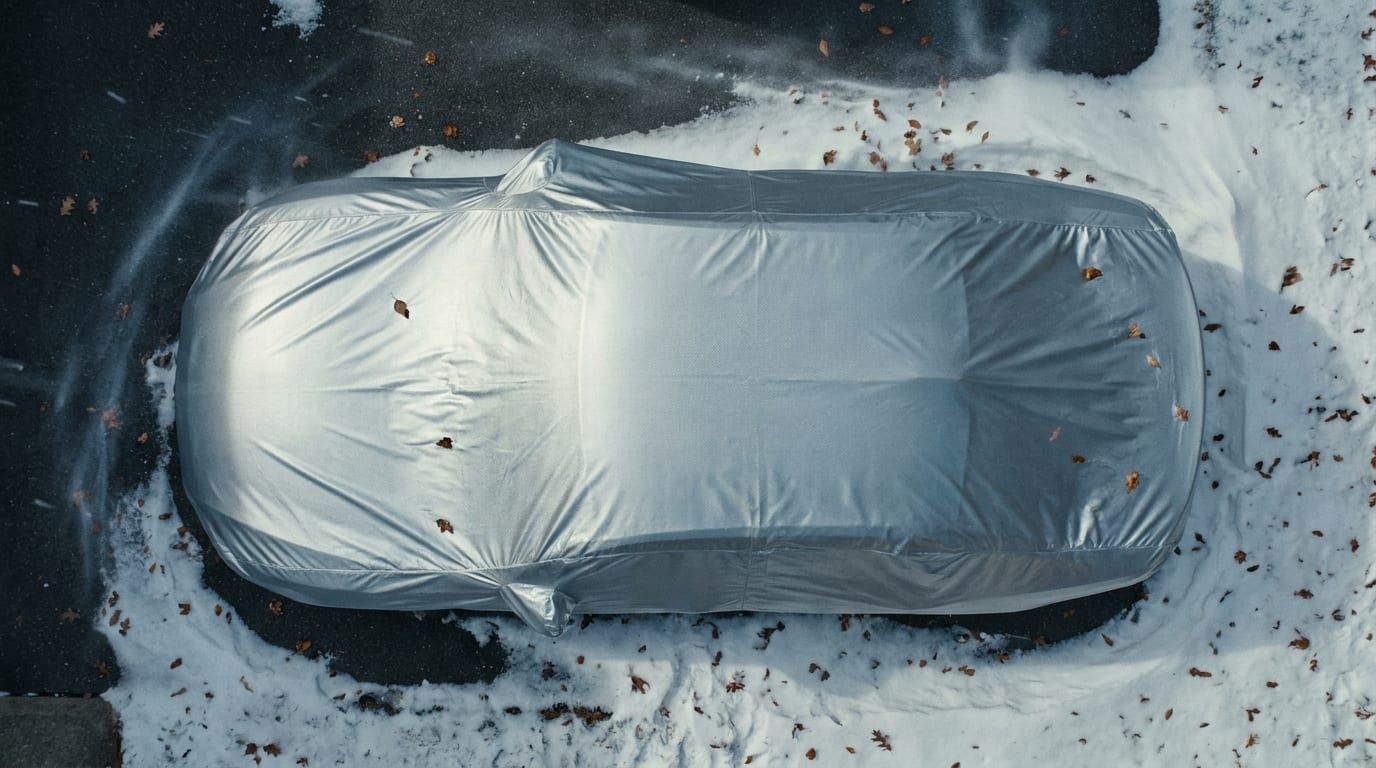
Three things determine whether a cover can actually take a beating: layer count, padding density, and the toughness of the outer shell. More layers generally means more energy absorbed before it reaches the paint. Foam or thick fleece padding matters because it's the material doing the actual cushioning work, not the water-resistant coating people tend to focus on when they're shopping.
That's worth repeating: waterproofing and hail resistance are not the same feature. A cover can be fully waterproof, sealed against rain and humidity, and still offer almost no impact protection, because waterproofing is about the outer membrane, not what's underneath it. If you want both, look specifically for a cover built with hail protection in mind, not just one labeled waterproof.
This isn't an overreaction, either. Hail events in the US regularly cause dent damage severe enough to total vehicles, and some of the worst hailstorms in US history produced stones large enough to crack windshields, not just dimple sheet metal. If you live in a region that sees that kind of weather even occasionally, a heavier cover is a reasonable investment, not overkill. For the full rundown of what to check before buying, the hail car covers buying guide covers it in more depth than we can here.
Custom-Fit vs. Universal: Why It Matters More for Hail
Universal covers are cut to rough size categories: small, medium, large, maybe "hatchback" as a loose bucket. Custom-fit covers are patterned to your exact make and model, down to where the mirrors sit and how the rear hatch curves.
For hail, that precision isn't a luxury. Wind usually shows up before or during a hailstorm, and a loose universal cover will billow, shift, and pull away from the body exactly when you need it pinned down. A custom fit stays put because there's no slack for the wind to grab. It also means the padding actually sits against the glass and panels instead of floating an inch above them.
Before you buy anything, confirm your exact measurements. Trim differences and body length variants within the same hatchback model can change what "correct fit" means, so it's worth checking the sizing guide against your specific VIN or trim rather than guessing from the model name alone.
Securing the Cover Before a Storm Hits
A great cover that isn't anchored down is just an expensive tarp waiting to blow off. Wind gusts ahead of a hailstorm can flip a loose cover or peel it back enough to expose the roof and hood right as the ice starts falling, which defeats the entire point of buying one.
Two methods handle this. Gust straps (sometimes called wind straps) cinch under the vehicle and keep the cover from lifting in routine wind. Cable locks add a layer of theft deterrence while also giving you a more secure hold-down point than straps alone. Most serious hail covers are designed to work with both.
Install these the first dry afternoon after your cover arrives, not the day a storm warning pops up on your phone. You want the fit dialed in and the straps adjusted before you're racing a radar app. The gust strap installation guide and cable lock installation guide both walk through the process in a few minutes.
Worth a quick word on tarps here too, since people reach for them as a cheap stand-in. A tarp isn't a substitute for a real car cover: it has no padding to absorb impact and no proper anchor points, so it either flies off in the wind or sits there doing nothing when hail actually hits. Skip it.
Bottom Line: What to Buy and Next Steps
If you've landed here asking what car cover to buy for a hatchback in hail country, the answer stays the same: a custom-fit, multi-layer hail-rated cover, strapped or cable-locked down, not a generic waterproof cover and definitely not a tarp. Fit and padding density do the actual work; everything else is secondary.
Before you check out, look at the warranty on whatever premium hail cover you're considering. A lifetime warranty is a decent signal that the manufacturer trusts the materials to hold up to repeated impact, not just one bad storm season.
If you want to stop guessing and just find the right fit for your specific hatchback, poke around the car cover selection or run your make and model through the cover finder tool to see what's actually built for your vehicle. And if you're the type who likes to be ready before storm season rolls in, it's worth subscribing or bookmarking our guides so you're not scrambling to research this the week hail is in the forecast.






