
I Have a Minivan and Live in a Snowy Climate Like Minnesota — What Car Cover Should I Buy?
Published
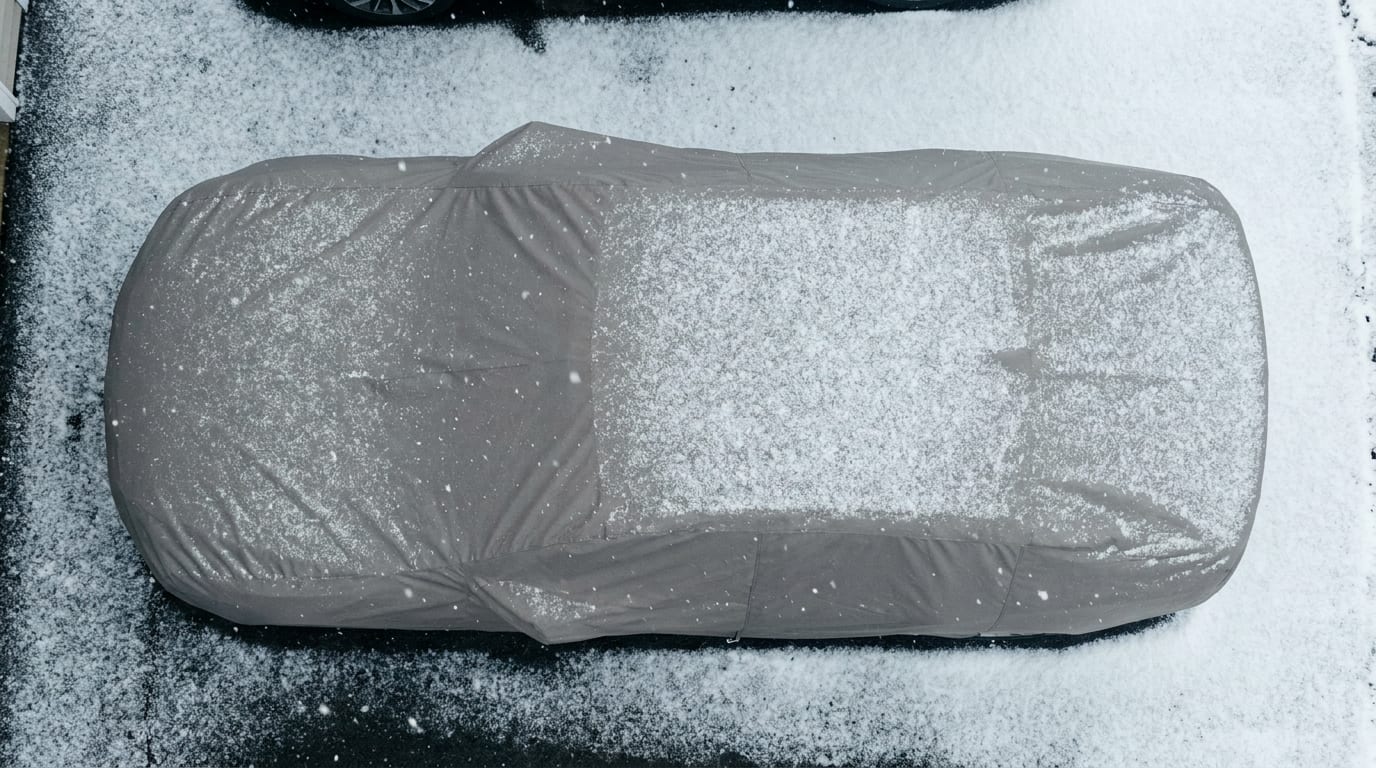
The Quick Answer: What to Buy for a Minivan in Minnesota Winters
If you have a minivan and live in a snowy climate like Minnesota, what car cover should you buy? A custom-fit, heavy-duty outdoor cover rated for waterproofing, snow load, and wind resistance, with a reinforced elastic hem and either sewn-in straps or grommets for a cable lock. Skip anything labeled "universal" or "indoor" and you'll save yourself a ruined cover and a scratched-up hood by February.
Here's why generic covers fall apart out there. A universal cover is cut to loosely fit a size range, not your exact minivan, so the hem doesn't seal against the body. Wind-driven snow and slush work their way in through those gaps, soak the fabric, and freeze. Thinner material sags under wet snow, and once it sags, it tears. A custom-fit outdoor cover is built with Minnesota-style weather in mind: snug fit, sealed seams, fabric rated to carry weight without stretching out.
Here's how the main options stack up:
| Cover Type | Waterproofing | Snow/Load Durability | Fit | Best For |
|---|---|---|---|---|
| Custom-fit outdoor/all-weather cover | Fully waterproof | High, built for snow load and wind | Precise, model-specific | Driveway or carport parking all winter |
| Universal outdoor cover | Water-resistant at best | Moderate, sags and gaps over time | Loose, generic sizing | Mild climates or short-term use |
| Indoor/light cover | Not waterproof | Low, not rated for snow weight | Varies | Garaged vehicles needing dust protection |
| No cover | None | None | N/A | Not recommended in sustained snow and road salt |
One more thing before you buy: think about where the van actually sits. A minivan that's garaged most of the winter has different needs than one parked under a carport, and both are different from a van that sits fully exposed in an open driveway catching every gust off the field behind the house. The more exposure, the more that waterproofing, wind rating, and tie-down hardware matter.
Why Minnesota Winters Are Especially Hard on a Parked Minivan
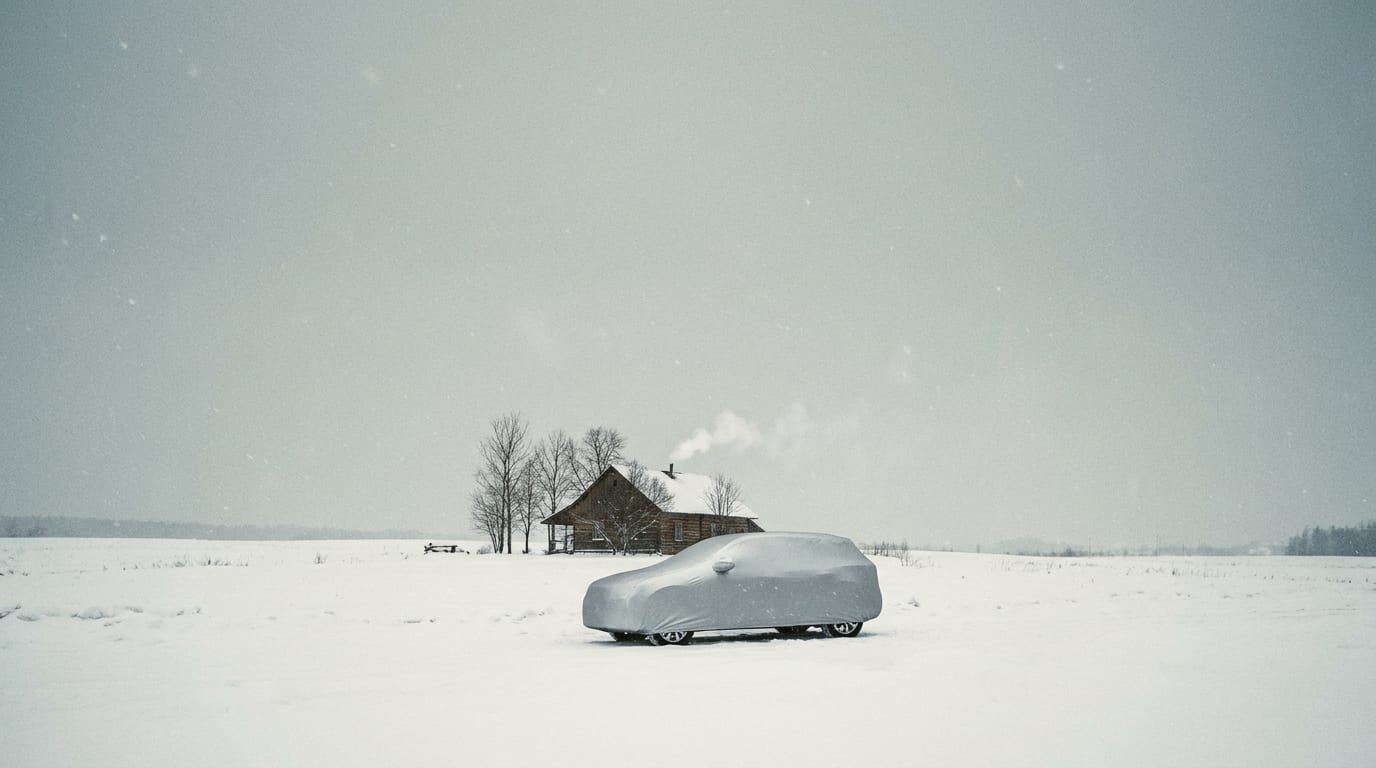
Minnesota doesn't do a "light dusting" of snow. It does wet, heavy snow that piles up on flat surfaces, then freezes, then gets buried under the next storm. A minivan's roof and hood are both large, flat expanses, which means more surface area for snow to pack onto and compress over days. Add in ice forming on mirrors and wiper blades, road salt kicked up onto lower body panels every time you drive, and temperature swings that go from single digits to above freezing and back again, and you've got a vehicle under constant stress even when it's just sitting still.
Minivans have a few extra pressure points sedans don't. Sliding door tracks and rear hatch seams are prime spots for snow to pack in and refreeze, which can gum up the mechanisms or force water into places it shouldn't be. A cover that's actually shaped for a minivan, rather than stretched over it, keeps that snow off those seams in the first place.
And don't assume winter means you can ignore sun damage. Glare bouncing off snowfields is intense, and UV exposure doesn't take a break just because it's cold out. A cover still needs UV-stabilized fabric to keep paint and trim from oxidizing over a long Minnesota winter, not just waterproofing.
None of this is cheap to undo later. Faded paint, rust creeping up from salt exposure, and rubber seals that crack from repeated freeze-thaw cycles all cost a lot more to fix than a decent cover costs to buy. If you're asking what car cover to buy for a minivan in a snowy climate like Minnesota, the honest answer is: whatever keeps you from paying for those repairs later.
The Must-Have Features for a Snow-Ready Minivan Cover
Not all "waterproof" claims are equal. You want a multi-layer shell fabric that's genuinely waterproof, not just water-resistant, so melting snow and slush can't soak through to the paint underneath. Check the waterproof fabrics guide if you want to understand the difference between coated fabrics that shed water short-term and true waterproof laminates built for sustained exposure.
Beyond the fabric itself, look for:
- A reinforced elastic hem or hem cord, paired with grommets for a cable lock, so wind can't get underneath and lift the cover during a storm
- Built-in vents that let moisture escape instead of condensing underneath the cover during freeze-thaw swings
- UV-stabilized exterior fabric, since sun-off-snow glare is a real factor even in January
- A rating for outdoor, all-season use, not an indoor-only dust cover
That last point trips people up more than it should. Indoor covers are lightweight, soft, and completely unsuited to snow weight or wind. They're built to keep dust off a garaged car, not to survive a Minnesota blizzard. If you're shopping, go straight to an outdoor car cover built for the conditions, and confirm waterproofing specifically through a waterproof car cover option rather than assuming "outdoor" automatically means fully sealed.
Custom-Fit vs. Universal Covers for Minivans: Which Matters More in Snow

Fit matters more in snow than in rain. In light rain, a loose cover with minor gaps might shed most of the water fine. In a snowstorm with wind, those same gaps at the hem and around the mirror pockets become entry points. Snow gets driven in sideways, settles, melts a little during the day, and refreezes at night, right against your paint.
Minivans have their own fit challenges too. Roof rails, sliding door tracks, and rear spoilers or hatch shapes all need a cut that accounts for them. A generic universal cover doesn't know your van has a sliding door track two feet back from where a sedan's door would be. It bunches up fabric in the wrong spots, that bunched fabric collects snow, and the extra weight stresses the seams exactly where you don't want stress.
This is where going custom or semi-custom actually pays off, especially if you drive one of the common minivan models on the road in Minnesota: Honda Odyssey, Toyota Sienna, Chrysler Pacifica, Kia Carnival or Sedona, Dodge Grand Caravan. Brand and model-specific sizing accounts for each van's roofline, mirror placement, and rear hatch angle, so the cover sits snug instead of sagging. If you drive one of these, it's worth checking the model-specific pages directly: Honda van covers, Toyota van covers, Chrysler van covers, Kia van covers, or Dodge van covers.
Don't eyeball length and height and hope for the best. Run your exact year and trim through a sizing guide before you buy, and lean toward a custom-fit cover if you're serious about getting through a Minnesota winter without gaps.
Installing and Securing Your Cover Through a Minnesota Winter
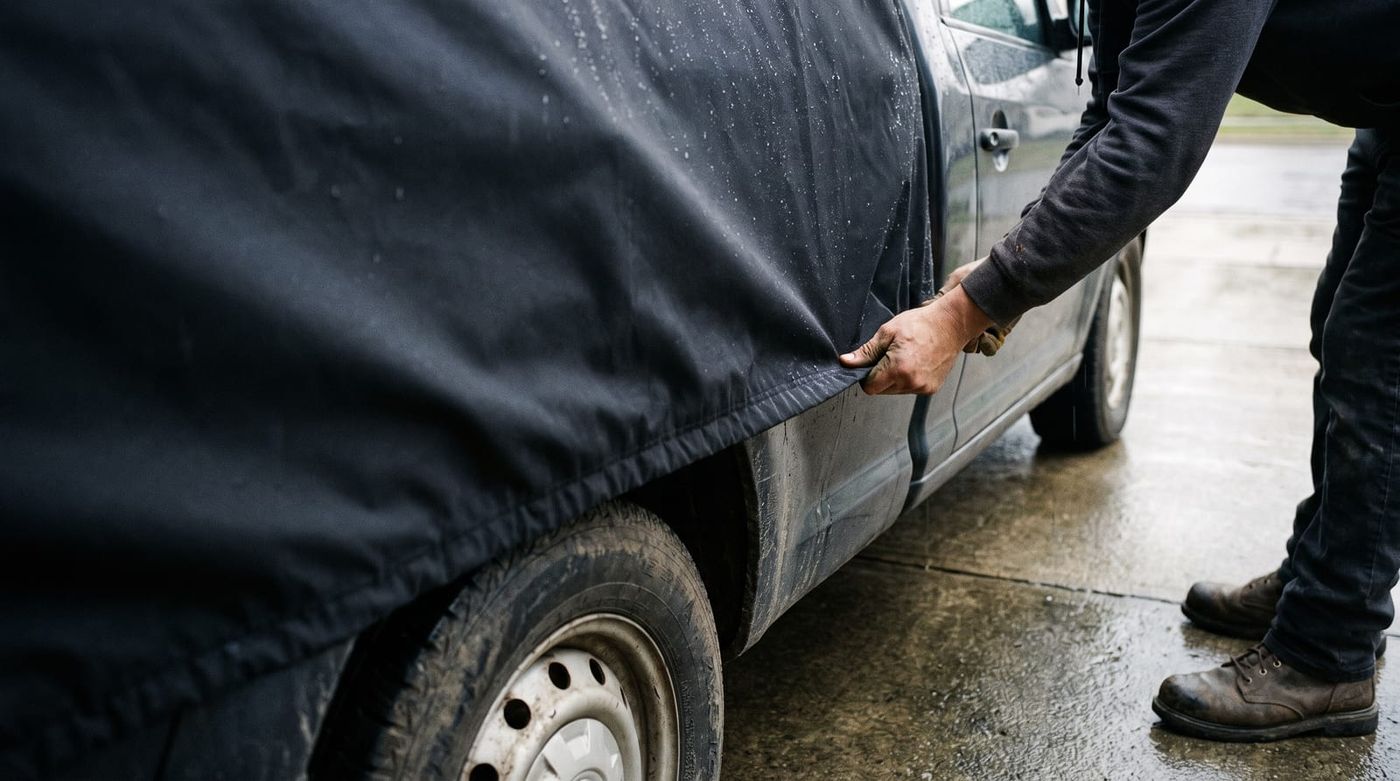
Clear the snow and ice off the van completely before you put the cover on. Putting a cover over a layer of ice just locks that ice against the paint and gives the fabric an uneven surface to stretch over. Once the van is clear, fit the cover front to back so the elastic hem seats evenly around the whole body line, no twisted panels, no corners left loose.
If your minivan sits in an open driveway, which is common in Minnesota's flatter suburban and rural lots, add wind straps underneath the vehicle. Open exposure means more sustained gusts, and straps keep the cover from working loose over a long storm instead of just the first hour of it.
A cable lock threaded through the grommets does double duty. It deters anyone thinking about messing with the cover or what's underneath, and it keeps high winds from peeling the cover off mid-storm, which happens more than people expect with an unsecured cover in an open lot.
Through the season, brush off accumulated snow regularly rather than letting it sit and pack into ice. A few inches of fresh snow is light. That same snow, compressed and refrozen over a week, is a lot heavier and puts real strain on the seams and hem. Five minutes with a soft brush every storm or two beats dealing with a torn cover in March.
Keeping the Cover Itself in Good Shape All Winter
The cover takes a beating too, and it needs its own upkeep if you want it to last more than one season. Shake off snow before it compacts, and never chip ice off the fabric with a scraper or anything sharp. One stray scrape through the shell fabric and you've created a spot where water gets through all winter.
Road salt residue lands on the cover just like it lands on your bumper, and it can degrade fabric coatings if it sits there for months. Rinse the cover off periodically, especially after a slushy stretch where you've been driving through a lot of treated roads. And before you store it long-term at the end of the season, make sure it's fully dry. Packing away a damp cover is how mildew shows up by next fall.
Partway through the season, give the elastic hem and grommets a quick check. Repeated wind exposure stretches elastic out over time, and grommets can work loose from constant strap or cable tension. Catching that early means a tighter fit for the rest of winter instead of a gap that lets snow back in. If the cover's picked up a heavier coat of grime or salt than a quick rinse can handle, the cover cleaning guide walks through a proper deep clean without damaging the coating, and the broader guide to using a cover outdoors covers wind, waterproofing, and UV exposure together if you want the full picture in one place.
Bottom Line: Match the Cover to Minnesota's Worst Weather, Not Just Average Days
So, if you have a minivan and live in a snowy climate like Minnesota, what car cover should you buy? A custom-fit, waterproof, snow and wind-rated outdoor cover with strap or cable lock hardware, full stop. Buying for an average snowfall day instead of the worst storm of the season is how people end up replacing a cover (or a paint job) in March.
Size it to your exact minivan model and year, not a generic "fits most minivans" label. A half-inch of slack here and there adds up to gaps that let snow in exactly where you don't want it.
If you want to see what's actually out there, browse the van cover category and run your specific model through a fit tool before you buy. And if winter car care is something you're still figuring out as you go, it's worth sticking around for more of these breakdowns before the next storm rolls in.






