


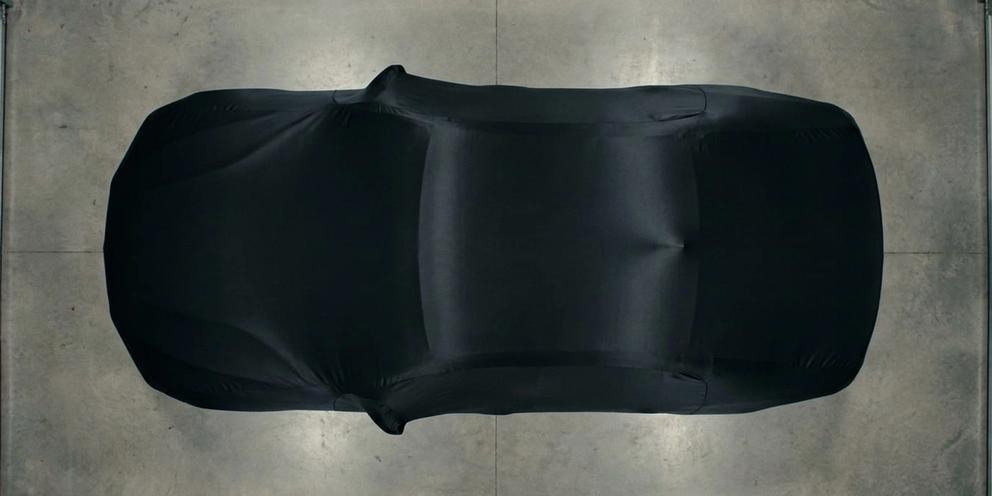
Indoor Car Cover for Honda Civic: Soft Lining & Dust Protection for Garage-Kept Cars
Why a Garage-Kept Civic Still Needs an Indoor Cover

A garage feels sealed. It isn't. Every time that door rolls up, you're letting in pollen, road dust, and whatever's blowing around the driveway. Add drywall dust from a nearby project, pet hair drifting off a dog bed in the corner, and the fine grit that just naturally settles out of still air over weeks, and your Civic's paint is collecting a film even if it never sees a drop of rain.
Here's the part people miss: the cover itself can cause damage if it's the wrong one. Pull a stiff, unlined cover on and off a few times a week in a cramped garage, and you're dragging fabric across the hood, brushing against mirrors, catching a zipper on the fender. That friction, repeated over months, is how you end up with faint swirl marks you can't quite explain. And sunlight through a garage window or a skylight can fade a dash or a hood finish over time, even without full outdoor UV exposure.
So the real job of an indoor car cover for Honda Civic owners isn't waterproofing. It's a soft interior lining paired with a fit snug enough that the cover isn't sliding around while it sits there. That combination is what separates a cover built for indoor use from an outdoor cover you're just using inside because it's what you had on hand.
What Actually Makes a Cover 'Indoor' vs 'Outdoor'
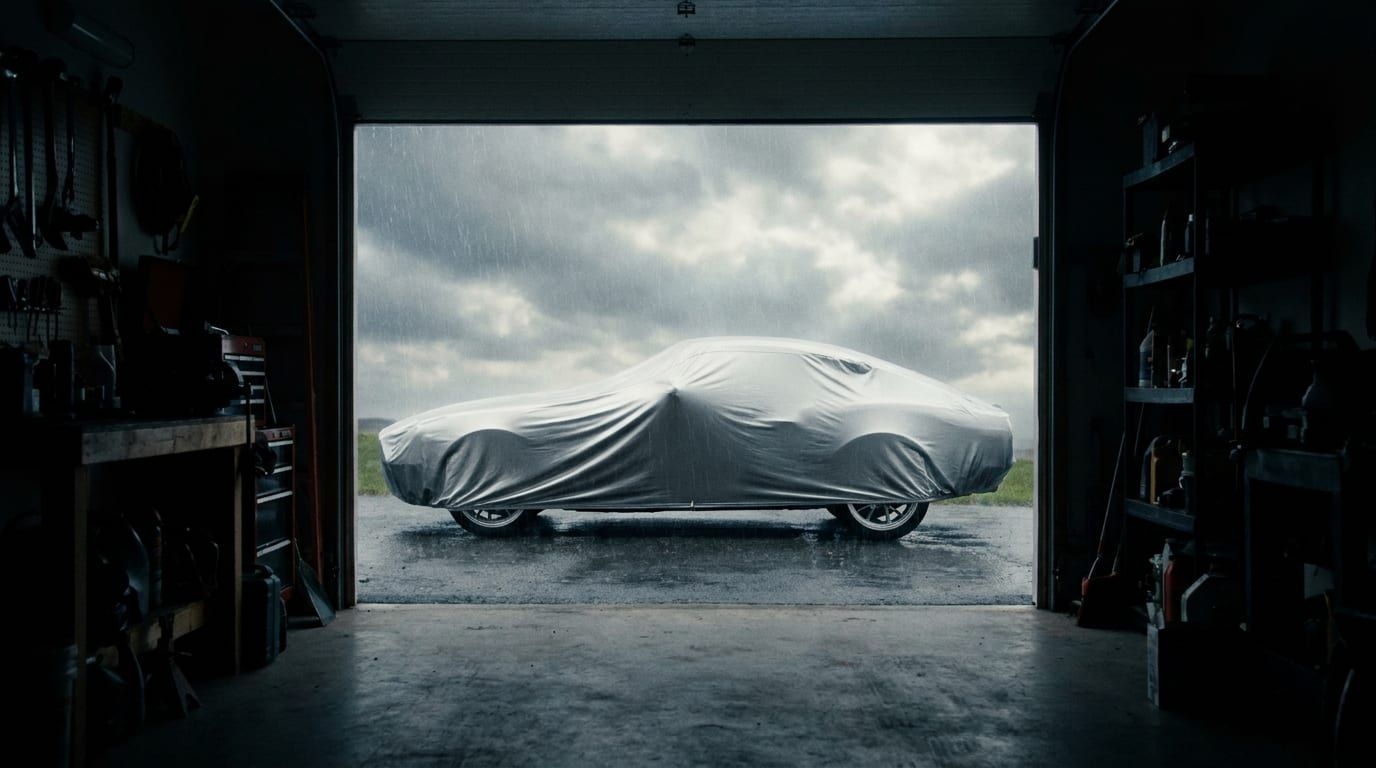
Outdoor covers are built to fight rain, UV, and wind, which means heavier fabrics with waterproof coatings. Bring one of those inside and you've got a problem: garages trap humidity, and a non-breathable shell can hold moisture right against the clear coat overnight. Indoor covers flip the priority. They use lighter, breathable materials like satin or fleece blends that let air move while still keeping dust off the surface.
The interior matters as much as the fabric itself. A quality indoor cover has a soft-touch napping layer on the inside, the part actually touching your paint, so if the cover does shift while you're getting in and out of the garage, it's cushioning the surface instead of sanding it with trapped grit.
Fit plays into this too. Elastic hems and tailoring designed for your specific car keep the cover anchored in place, rather than loose and prone to bunching. A loose cover moves every time a breeze from the garage door sweeps through, and that movement is exactly what creates friction points over time. For a deeper look at how these covers are actually built, the indoor car cover guide breaks down the construction differences in more detail.
Fit Considerations for the Honda Civic Specifically
Civics aren't one shape. Sedan, hatchback, and the Si or Type R variants each have a different roofline, different rear-end profile, and in the Type R's case, a rear wing that a generic cover wasn't designed to clear. A universal "compact car" cover might technically stretch over any of them, but it won't sit right on any of them either.
This is where semi-custom and model-specific covers earn their keep. Mirror pockets that actually land where your mirrors are. Antenna cutouts in the right spot. Enough shape around the rear to clear a spoiler without the fabric pulling taut and creating stress points that flex every time the cover shifts. A generic cover just drapes and hopes.
One more thing worth double-checking before you buy: Civic generations have changed body dimensions more than once, so a cover sized for a 2016 sedan isn't guaranteed to fit a 2022 model the same way. Confirm your trim and year range first. For Honda-specific fit options, start at the Honda covers page, and if you're unsure what size category your Civic falls into, the car cover sizing guide walks through it.
Soft Lining and Dust Protection: The Features That Matter Most
This is the section that actually answers the question most Civic owners are asking: what's protecting the paint, specifically. The answer is the inner lining. A fleece or satin lining cushions the surface, so instead of dust particles grinding into the clear coat every time the cover moves, they're resting against a soft layer that doesn't act like sandpaper.
Breathability isn't just a comfort feature, it's a dust-and-moisture control feature. A cover that can't breathe traps whatever humidity is in your garage air right against the car, and that's how you get its own separate paint problem indoors, condensation spots and hazing, no rain required.
Small details matter more than people expect. Soft binding around grommets and hem edges keeps those spots from becoming rough friction points where grit collects and rubs. A cheap cover skips this and just leaves a raw edge, which is exactly where you'll find a scuff mark six months later.
And if you share garage space with a cat, or any animal that treats a parked car like furniture, a well-fitted indoor cover blocks claws and shedding fur from ever reaching the paint. Worth reading if that's a real situation in your garage: protecting your car from cat and animal scratches.
Comparing CarCovers' Indoor Options for a Civic
Not all indoor covers are built to the same standard, and the differences show up in four places: fabric, fit precision, price, and warranty.
| Factor | Standard indoor satin | Premium black satin |
| Lining feel | Soft, lightweight | Softer, denser weave |
| Breathability | Good | Good, with added weight for stability |
| Best for | Everyday dust protection | Maximum paint protection, longer-term storage |
| Typical price position | Entry-level | Higher tier |
On fit, you've got a choice between semi-custom and true custom-fit. Semi-custom gets close to your Civic's shape and works fine for most garages. Custom-fit tightens up the gaps around mirrors and door seams specifically, which matters if dust intrusion at those points is your main concern. The custom-fit car cover option is worth the upgrade if you want the snug022est possible seal.
If you want the top tier of lining softness, the indoor black satin cover is the one to look at, it's the premium option built specifically for buyers prioritizing paint protection over anything else. Whichever tier you land on, know what's backed by the lifetime warranty on car covers versus standard terms, so you're not guessing what's covered if something wears out early.
Installing and Maintaining Your Indoor Cover
Daily use matters more than people think. Drape front to back, not back to front, so you're not dragging the fabric across the hood and picking up whatever dust settled on the garage floor. Small habit, but it's the difference between a cover that stays clean for weeks and one that's redistributing grit onto the paint every time you use it.
Wash it periodically. A soft lining that's been quietly accumulating dust for a month stops acting soft and starts acting like fine-grit paper. It doesn't take much, just a light wash on a regular cycle to keep it doing its job. Full steps are in the car cover cleaning guide, and if you're new to the whole process, the installation guide covers the basics of getting it on and off without snagging anything.
Where you store it when it's not on the car matters too. Tossing it on the garage floor between uses just reloads it with the same dust and grit you're trying to keep off the paint. A shelf, a bag, a clean bin, anything dry and off the floor works.
Buy the Right Indoor Cover for Your Civic Today
The decision path is simpler than it looks. Confirm your Civic's body style and year first, sedan and hatchback fit differently, and Si/Type R trims need extra clearance. Then pick your fit level, semi-custom for general use or custom-fit if you want the tightest seal around mirrors and seams. Last, pick your lining tier, standard satin for everyday dust protection or premium black satin if you want the softest possible barrier against scratches.
If you're still on the fence, the no-hassle guarantee and the lifetime warranty take a lot of the risk out of trying a new cover for the first time.
Browse the full lineup of options built for your car, or start broader and compare all the indoor styles side by side before deciding. Either way, a soft-lined indoor cover pays for itself the first time it saves you a scratch, or saves you an afternoon of dust-and-buff detailing you didn't want to do. And if you want more guides like this one before you buy, the CarCovers articles section is worth a browse.
Updated