


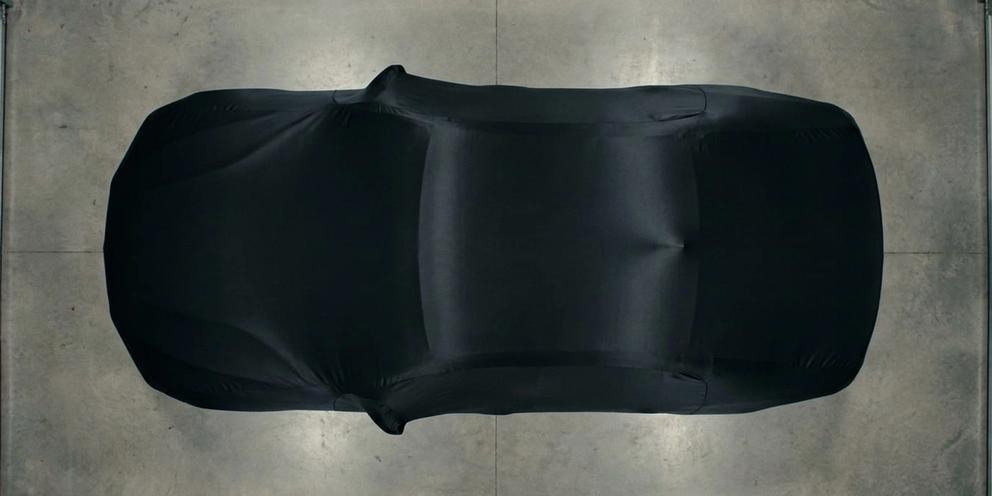
Indoor Car Cover for Lexus ES: Soft Lining & Dust Protection for Garage-Kept Cars
A garage keeps rain and road salt off your Lexus ES, no question. But park it there and assume you're done, and you're missing a slower, quieter kind of wear. Dust, static, incidental bumps from whatever else lives in that garage. An indoor car cover for Lexus ES owners isn't about weatherproofing. It's about protecting a paint job that already has nothing else attacking it except air and gravity.
Why a Garage-Kept Lexus ES Still Needs an Indoor Cover
Even a sealed garage has air moving through it. Fine dust and particulates drift in every time the door opens, settle overnight, and build a thin film on horizontal surfaces, your hood and trunk included. It's not visible dust you'd notice walking past. It's the kind that turns into a light abrasive the next time something rubs across it.
And something usually does. Shared garages mean bikes leaning near a bumper, a ladder getting moved, a tool bag set down a little too close to the quarter panel. One bump, one scrape, and you've got a fine scratch in clear coat that wasn't there yesterday.
Then there's light. Garage windows, a skylight, even just the door standing open for an afternoon, all of it throws UV at the car. Clear coat fades and dulls with repeated exposure, even indoors, even in short daily doses.
None of this is dramatic. That's the point. It's slow, cumulative, and easy to ignore until you're trying to sell the car or trade it in and the paint doesn't look as sharp as the mileage suggests. An ES holds its value well when it's cared for, and a cover is one of the cheapest ways to keep that factory finish intact.
What "Soft Lining" Actually Means in an Indoor Cover
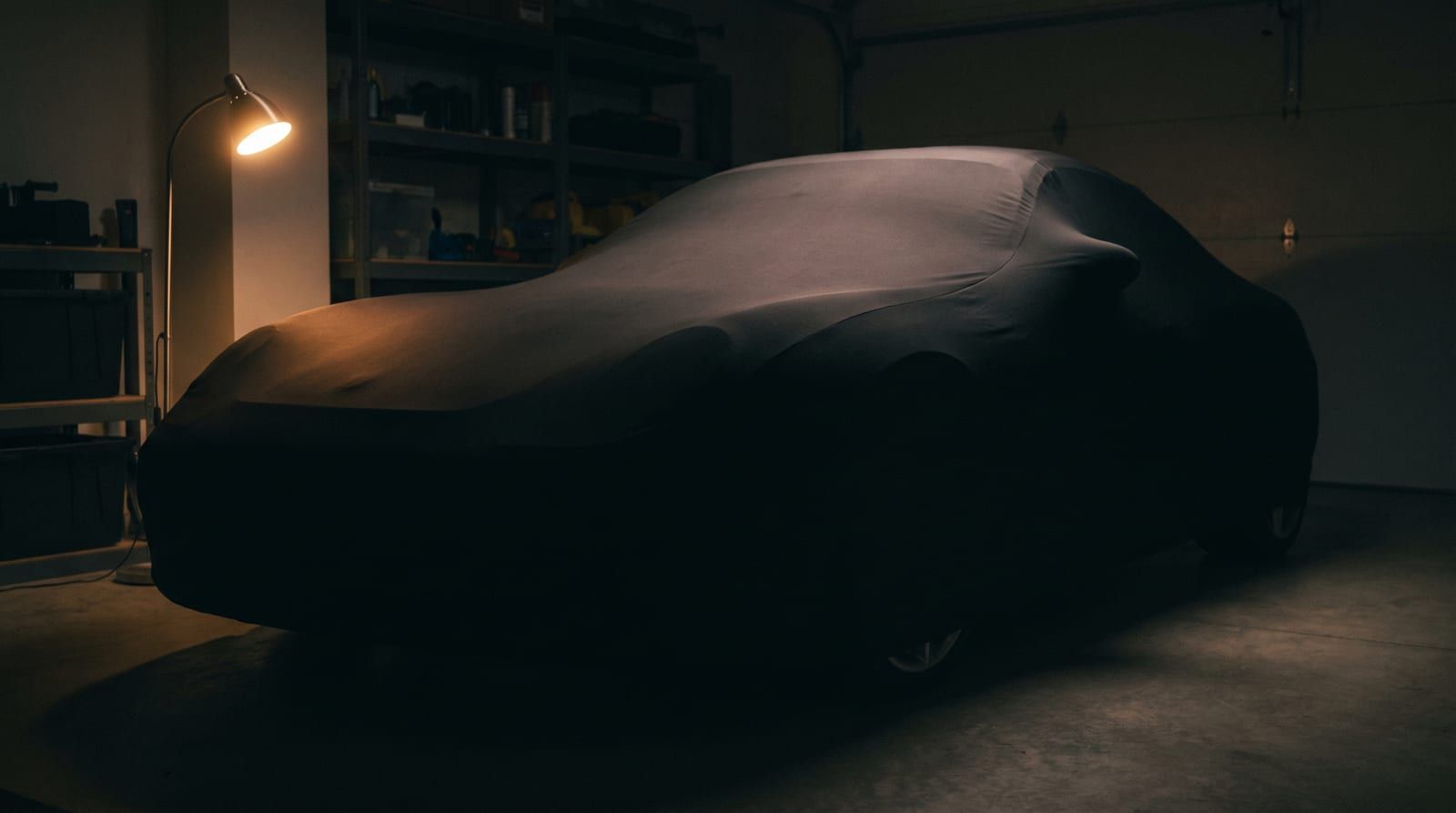
Not all indoor covers are built the same, and the lining is where the real difference shows up. A single-layer sheet, the kind of thin cover sold as a generic dust sheet, has no cushioning between fabric and paint. A properly made indoor cover has a fleece or flannel inner layer with a napped texture, soft to the touch, designed to sit against your clear coat without biting into it.
That matters most during install and removal, honestly. That's when most cover-related swirl marks happen, not from months of sitting still but from someone dragging a stiff cover on and off the hood. Soft lining glides instead of grabbing.
Breathability is the other half of this. A cover that doesn't let air move traps moisture underneath, and trapped moisture on a sealed-up car is exactly how you get mildew spotting on paint you thought was protected. Good indoor fabric is woven to breathe while still blocking particles.
The outer shell matters too. Satin and microfiber shells resist static cling, which sounds minor until you've folded a cover that's clinging to every speck of dust it's holding and then watched that dust redistribute itself back onto the car the next time you use it.
How Indoor Covers Stop Dust and Fine-Debris Damage
There's a difference between the dust that settles daily and the grit that accumulates if a car sits covered for months in long-term storage. Daily dust is light and easy to manage. Long-term grit works its way into seams, hems, and anywhere airflow sneaks under the edge of a loose cover.
A tight-weave fabric is what actually stops the fine stuff. Open-weave or thin universal covers let particulates pass straight through, which defeats the purpose of covering the car at all. You want something dense enough that dust settles on the cover's surface, not on your paint underneath it.
The hem matters more than people expect, too. Elastic hems pull the bottom edge snug against the body, and cable-and-grommet systems let you cinch it down tighter still, both of which stop drafts from pulling dust in underneath. A cover that balloons at the bottom is basically an open door for garage dust.
If you're trying to decide between fabric types for an indoor setup, it's worth reading through a material comparison for car covers before buying, since not every fabric marketed as "indoor" performs the same way.
Fit Matters: Choosing the Right Size and Shape for the ES
The ES has changed shape across generations. The XV60 and XV70 body styles differ enough in mirror placement, roofline, and antenna position that a cover built for one won't sit right on the other. Mirror pockets that don't line up, or a cutout in the wrong spot, and you're left with a cover that gaps open at exactly the places most likely to let dust and incidental contact in.
Custom-fit, semi-custom, and universal covers all trade off differently on a sedan. Universal covers are cheap and sized to roughly fit "most cars," which on a sedan silhouette usually means excess fabric pooling at the hood and trunk. That slack is exactly what shifts around in a garage every time a door opens or a draft moves through, and shifting fabric means repeated light friction against paint. Semi-custom narrows that gap. Custom-fit removes it almost entirely, built to the ES's actual dimensions so there's nothing loose to rub.
Before buying anything, it's worth checking your exact car cover sizing guidance against your ES's model year, and looking at what custom-fit car covers actually include for mirror and antenna cutouts on a sedan body.
Choosing the Right Indoor Cover Tier for Your Garage Setup
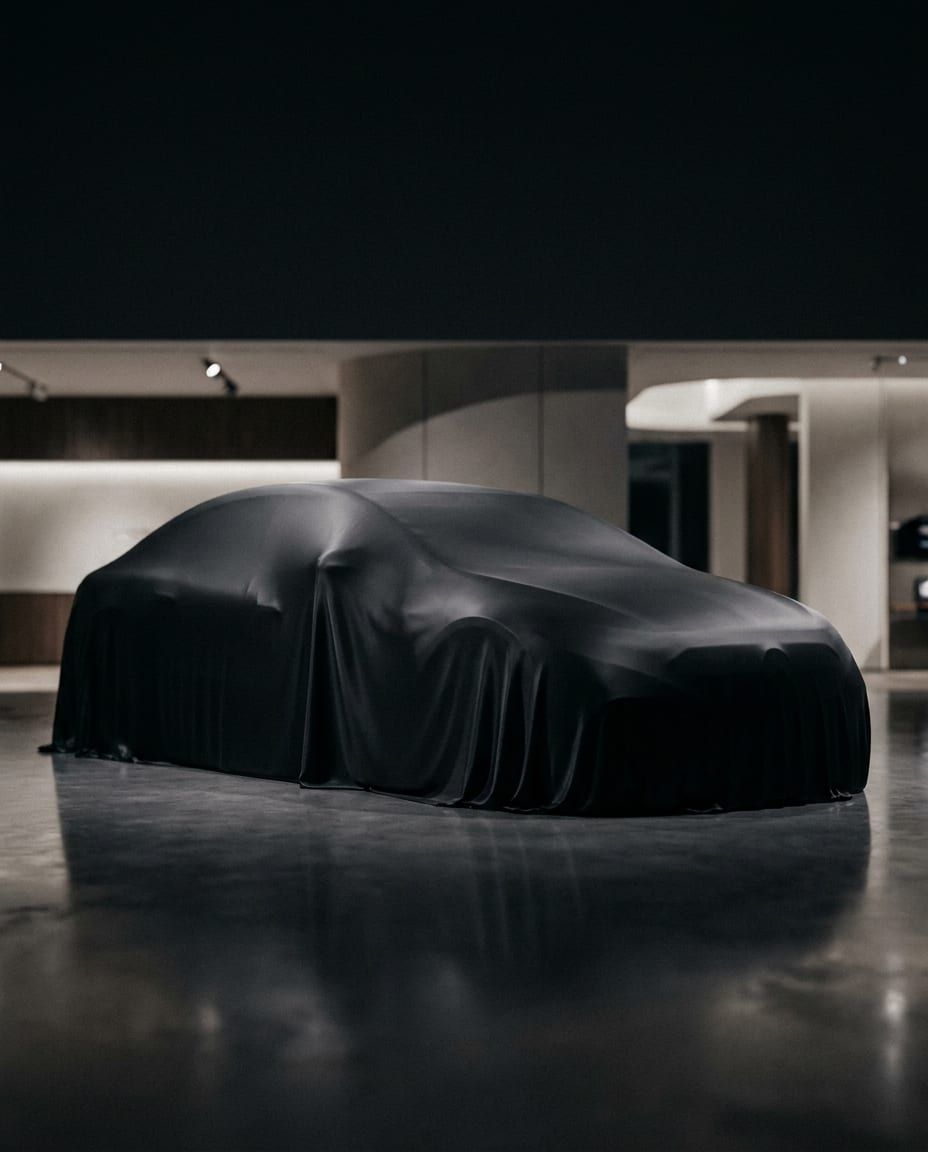
Not every cover needs to handle rain, UV, and wind all at once. A lot of multi-layer outdoor-rated covers are overbuilt for a garage. That thickness is solving a problem you don't have indoors, and it usually costs you breathability and flexibility you'd rather keep.
When you're comparing indoor-specific products, check three things in the spec sheet: the lining material (fleece or flannel, not a plain synthetic backing), the fabric weight in ounces, and the stated breathability rating. These three numbers tell you more than any marketing copy will.
A few accessories round things out. A soft storage bag keeps the cover itself clean between uses instead of getting tossed on a shelf collecting its own dust, and an antenna patch solves one of the more annoying cutout mismatches on sedans with a fixed antenna.
For a deeper look at tiering, the indoor car cover buying guide breaks down what separates entry-level indoor fabric from something built to last, and the Black Satin indoor cover is a solid example of what a dedicated garage-use product looks like in practice.
Protecting Against Scratches from Pets, Tools, and Shared Garage Space
If a dog or cat has access to the garage, a thinly lined cover is basically an invitation. Pets jump up, scratch at fabric, settle in for a nap on the hood. A thin cover offers almost no buffer between claws and clear coat. A thicker lined cover with reinforced seams holds up to that kind of incidental contact a lot better than a thin plastic or vinyl sheet, which tends to tear or puncture rather than absorb the contact.
If bikes, tools, or lawn equipment share the same garage, it's worth adding a physical barrier too, a mat or a simple divider so nothing leans directly against the car. A cover protects the paint from fabric contact and dust; it's not meant to absorb a dropped rake.
For anyone dealing with pets specifically, there's a dedicated guide on how to protect a car cover from cats and animal scratches that's worth a look before you assume any cover will do.
Installing and Caring for Your Indoor Lexus ES Cover

Installation order matters more than people think. Align the mirror pockets first, work the cover down over the body, and secure the hem last. Dragging fabric across the hood to adjust it after it's already down is how you introduce the exact scratches you bought the cover to prevent.
Garage-kept covers need far less washing than outdoor ones. Most of the time, shaking the cover out before folding it is enough to clear loose dust between washes. When it does need a real clean, follow a proper car cover cleaning routine rather than just tossing it in with regular laundry.
One thing to never do: fold it away damp. Moisture trapped in folded fabric breeds mildew fast, and the next time you use the cover, that moisture transfers straight back onto your paint. Let it dry fully first, even if that means draping it somewhere for an hour before storage.
Worth checking before you buy, too: what the warranty actually covers, since some care mistakes (washing wrong, storing wet) can void coverage you'd otherwise have. And if you want a full walkthrough instead of the short version above, there's a complete cover installation guide worth bookmarking.
Final Decision: Is a Soft-Lined Indoor Cover Right for Your ES?
This makes the most sense for ES owners storing the car in a garage long-term, prepping it for a private sale, or trying to hand a lease back in the best shape possible. In all three cases, the paint is the thing being judged, and dust plus incidental scratching are the two things most likely to degrade it while you're not looking.
Compare that to leaving the car uncovered, and the case is simple: a cover is cheap insurance against damage that's slow enough you won't notice it happening, only the result.
If you're ready to look at options, check the Lexus cover page for what's compatible with your model year, confirm your sizing first, and if you want the longer version of everything above, there's a full guide to using car covers indoors worth reading. And if you'd rather keep learning before you buy, our articles page has more on car care and storage worth subscribing to or browsing through.
Updated