


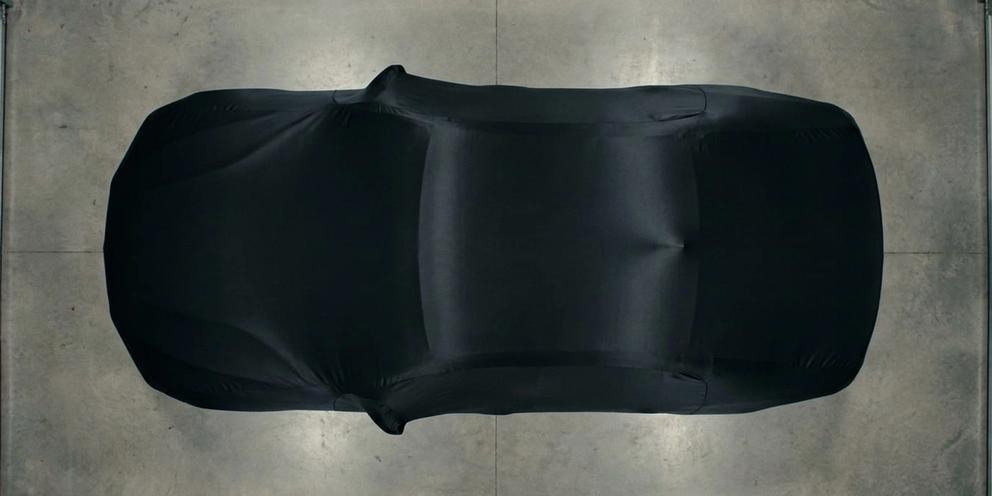
Indoor Car Cover for Mercedes-Benz C-Class: Soft Lining & Dust Protection for Garage Storage
Why Your Garage-Kept C-Class Still Needs a Cover
A garage feels like a safe box. It isn't, not entirely. Dust settles anyway, pollen drifts in every time the door opens, and fine grit from the driveway rides in on your shoes and tires. Over a few weeks, that film builds up on paint and glass whether you notice it or not.
Then there's everything else sharing the space. A bike leaned against the wall, a rake, a kid's scooter, the dog wandering through. One bumped handlebar or dropped tool and you've got a scratch on a car that's never seen a drop of rain. Garages don't protect against contact damage, only weather.
The C-Class also has soft-touch interior trim and a factory clear coat that do better with less direct exposure to temperature swings, even indoors, where unheated garages still shift 30 or 40 degrees between morning and afternoon. An indoor car cover for Mercedes-Benz C-Class owners handles both problems at once: it keeps dust off the surface and buffers the car from incidental contact. This isn't about waterproofing. That's an outdoor cover's job. Indoors, the focus is soft lining and dust protection, full stop.
What Makes an Indoor Cover Different From an Outdoor Cover
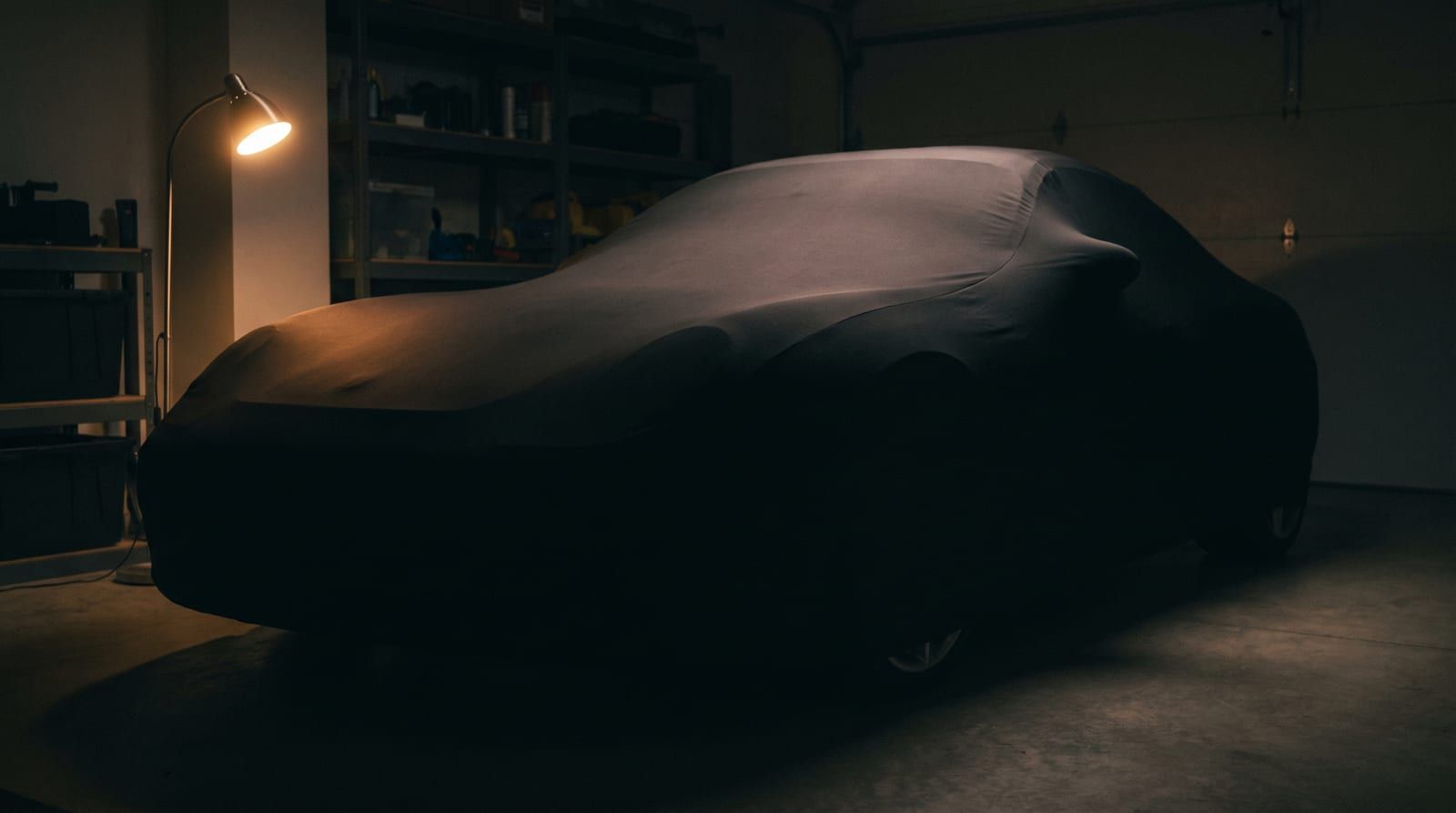
Outdoor covers are built like rain jackets: coated fabric, UV-resistant layers, seams sealed against water. That construction makes sense when a car sits under open sky. Indoors, it's the wrong tool. Coated, waterproof material is heavier, stiffer, and noisier to handle, and worse, it can trap humidity against the paint if any moisture gets underneath at all.
Indoor covers go the other direction. They use a soft-napped fleece or satin-like lining over a breathable, non-coated fabric. No waterproof membrane means no trapped moisture, and the fabric itself is lighter to pull on and off daily. That matters more than it sounds like it would.
The real difference you'll feel is during install and removal. A stiff universal tarp drags across the hood and can grind dust particles into the clear coat like sandpaper. A soft lining glides. On a C-Class, where the hood and roofline curve in a way that's easy to snag a stiff cover corner on, that soft touch is the whole point of going indoor in the first place. If you're still weighing indoor against outdoor for your situation, the indoor car covers guide walks through the decision in more depth.
Custom Fit for the C-Class: Sedan, Coupe, and Wagon Body Styles
A universal cover is a compromise by design. It's cut to fit "most sedans," which in practice means it fits none of them well. On a C-Class, with its lower stance and more contoured shoulder line than a generic mid-size sedan, a universal cover sags at the doors and bunches at the mirrors. That loose fabric shifts every time a breeze from the garage door or an HVAC vent moves through, and shifting fabric drags dust across paint instead of holding it still.
CarCovers builds fitted options for all three C-Class body styles: sedan, coupe, and wagon. Each one accounts for mirror pockets and antenna cutouts specific to that body style, which is what actually gets you a snug, no-flap fit rather than a cover that's just "close enough." A properly sized cover holds the soft lining in constant, light contact with the paint instead of letting it slide around and work dust into the surface like a rag.
If you're not sure which year or trim you've got, or how the fitment differs between a W205 sedan and a wagon, the vehicle sizing guide will get you to the right spec before you buy. And if you want to see the full range of what's built specifically for your car, the custom-fit car covers line is where that starts.
Comparing Indoor Cover Tiers for a C-Class Owner
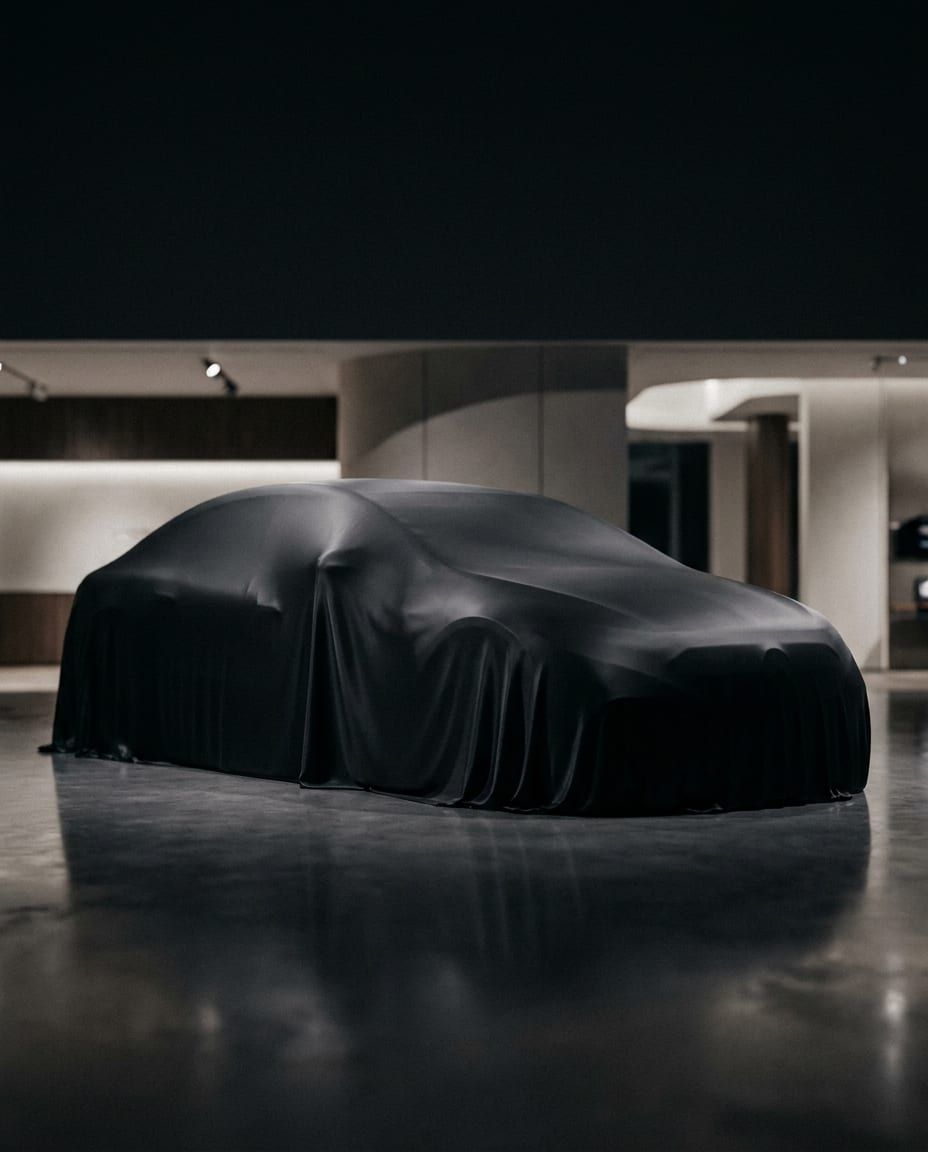
Not every garage situation calls for the same cover. Here's how the three common tiers stack up for a C-Class owner deciding where to land.
| Tier | Lining | Best for | Durability (daily use) | Price position |
| Entry | Single-layer soft-knit | Stable-climate garage, basic dust protection | Moderate | Lowest |
| Mid | Brushed fleece plus breathable layer | Garages with some temperature swing or light workshop dust | Good | Mid-range |
| Premium (Black Satin) | Plush satin-like lining, reinforced seams | Daily driver or collector car, showroom-level paint care | Best | Highest |
The entry tier is fine if your garage is climate-stable and the car isn't getting covered and uncovered twice a day. It does the basic job: keeps dust off, softens incidental contact. It's just not built for heavy daily handling.
The mid tier adds a breathable layer under the brushed fleece, which helps if your garage runs warm in summer and cold in winter, or if there's a workbench nearby kicking up sawdust or drywall dust now and then.
The premium tier, CarCovers' indoor Black Satin cover, is the one I'd point a collector-car owner toward. The lining is noticeably plusher, the seams are reinforced for the wear that comes from being pulled on and off constantly, and it's the closest thing to showroom-level paint protection you'll get from a cover rather than a climate-controlled bunker. If your C-Class only comes out on weekends and spends the rest of its life under a cover, this is the tier that earns its price.
For a daily-parked garage car, mid tier is usually the sweet spot. For long-term indoor storage of a car you actually care about keeping pristine, go premium. Entry tier is a budget decision, not a wrong one, just a limited one.
Installing and Living With an Indoor Cover Day to Day
Daily install doesn't need to be complicated. Drape the cover from front to back, settle it over the mirrors and into the pockets, then secure the elastic hem or strap underneath. One habit worth building: don't drag the cover across the hood to position it. Lift and place instead. Dragging grinds whatever dust settled on the fabric since last use straight into the clear coat, which defeats half the reason you bought an indoor car cover for Mercedes-Benz C-Class protection in the first place.
Give the cover a quick shake-out or light brush before you put it on, especially if it's been folded in a corner for a few days. Dust collects in the folds, and that trapped grit is exactly what causes fine scuffing once the cover's back on the car and shifting even slightly.
Wash the cover itself periodically too. A soft lining that never gets cleaned just turns into a dust reservoir sitting directly against your paint, which is the opposite of what you want. The cover cleaning guide covers wash intervals and methods that won't wear down the lining early. If you want a full walkthrough on technique beyond what's above, the installation guide is worth five minutes.
Warranty and Buying Confidence
CarCovers backs its indoor covers with a materials and workmanship warranty, and there's a longer-term option detailed on the lifetime warranty page for buyers who want that extra assurance on a cover they'll be using daily for years.
Fit issues are the most common reason anyone returns a car cover, and C-Class trim variations (different years, different body styles) are exactly where a generic size guess goes wrong. That's covered too, under the no-hassle guarantee, so a sizing mismatch isn't a dead end.
Honestly, most of that risk disappears if you just start with the model-specific fit instead of a universal cover. Getting the sedan, coupe, or wagon cut right the first time is the single biggest thing you can do to avoid a return at all.
Get the Right Indoor Cover for Your C-Class
Soft lining and a correct fit are what actually stop dust and scratches on a garage-kept car. Everything else, waterproofing, UV coatings, is for a car parked outside, not yours.
If your C-Class is otherwise well looked after, this is one of the cheapest ways to protect the resale value you've already built up. A few minutes of research now against a clear coat repair bill later isn't a close call.
Browse the Mercedes-Benz cover lineup to find the right fit for your year and trim, and if you want more car care reading along the way, keep an eye on the blog for new guides.
Updated