
Is There a Scratch-Proof Car Cover for Cats? What Actually Stops Claws
Published
Is There a Scratch-Proof Car Cover? The Direct Answer
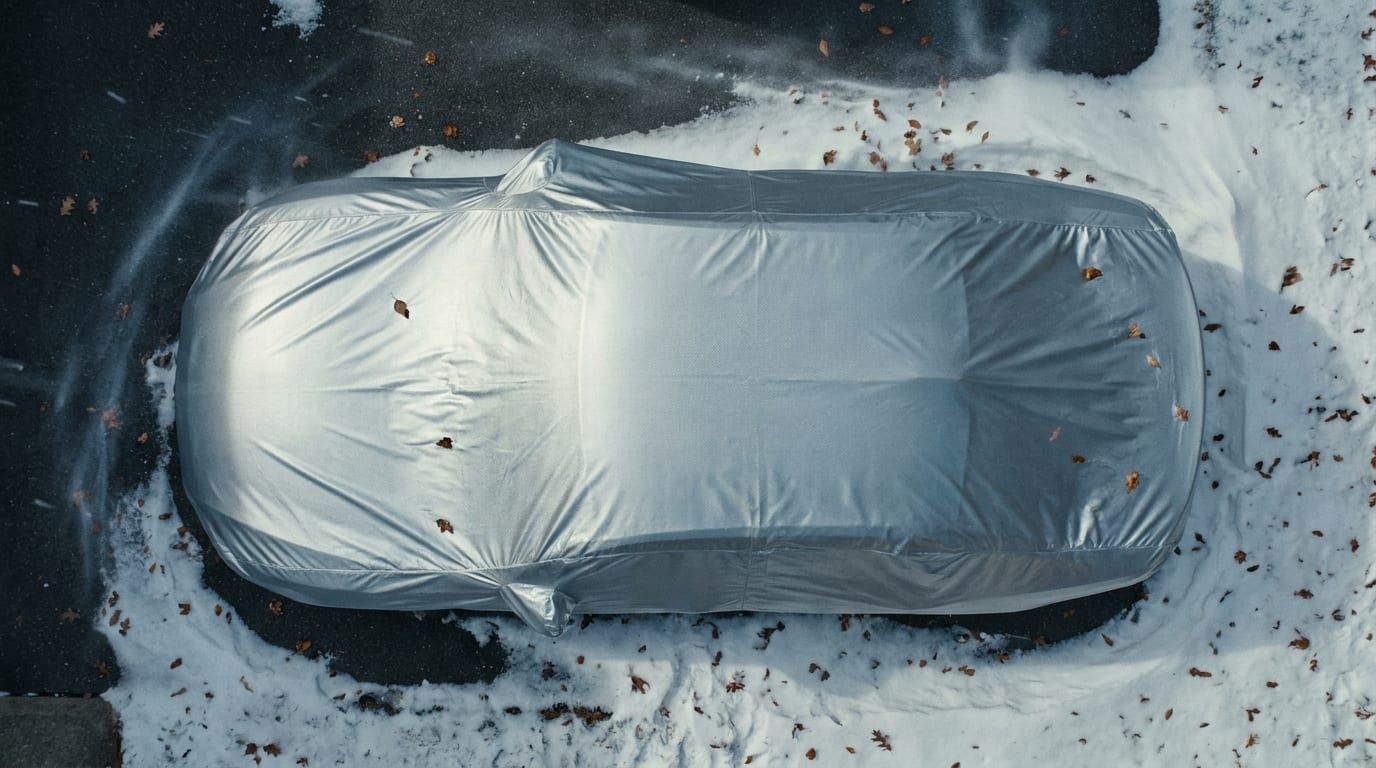
No. There's no such thing as a truly claw-proof car cover fabric. If you've landed here searching "my car cover keeps getting torn by my cat, is there a scratch-proof option," the honest answer is that nothing on the market is 100% immune to a determined cat. What exists instead are densely woven, multi-layer outdoor covers with a tight denier count that resist puncture and snagging far better than thin, single-layer, universal-fit covers.
Here's the practical version of "scratch-resistant" in this product category: a tight weave, stacked fabric layers, and a smooth top surface give claws less to catch on. No loose threads to hook into, no soft nap to dig through. That combination won't stop a cat from trying, but it dramatically cuts down on how much damage a few minutes of clawing actually does.
So before going further, set your expectations here. "Scratch-proof" as an absolute claim doesn't exist in outdoor fabric protection, full stop. What you're actually shopping for is scratch resistance, and that comes down to specific, checkable fabric traits, not marketing language.
Why Cats Target Car Covers in the First Place
Cats aren't attacking your cover out of spite. There's a reason behind it, and it's mostly about warmth and instinct.
A car hood or windshield area holds heat for a while after you've driven it. Outdoor and feral cats know this, and they'll climb up to nap on that warmth the same way they'd curl up on a sunny windowsill. Once they're up there, soft fabric under their paws triggers the same kneading and clawing behavior they'd direct at a scratching post. It's not aggression. It's comfort-seeking that happens to shred your cover in the process.
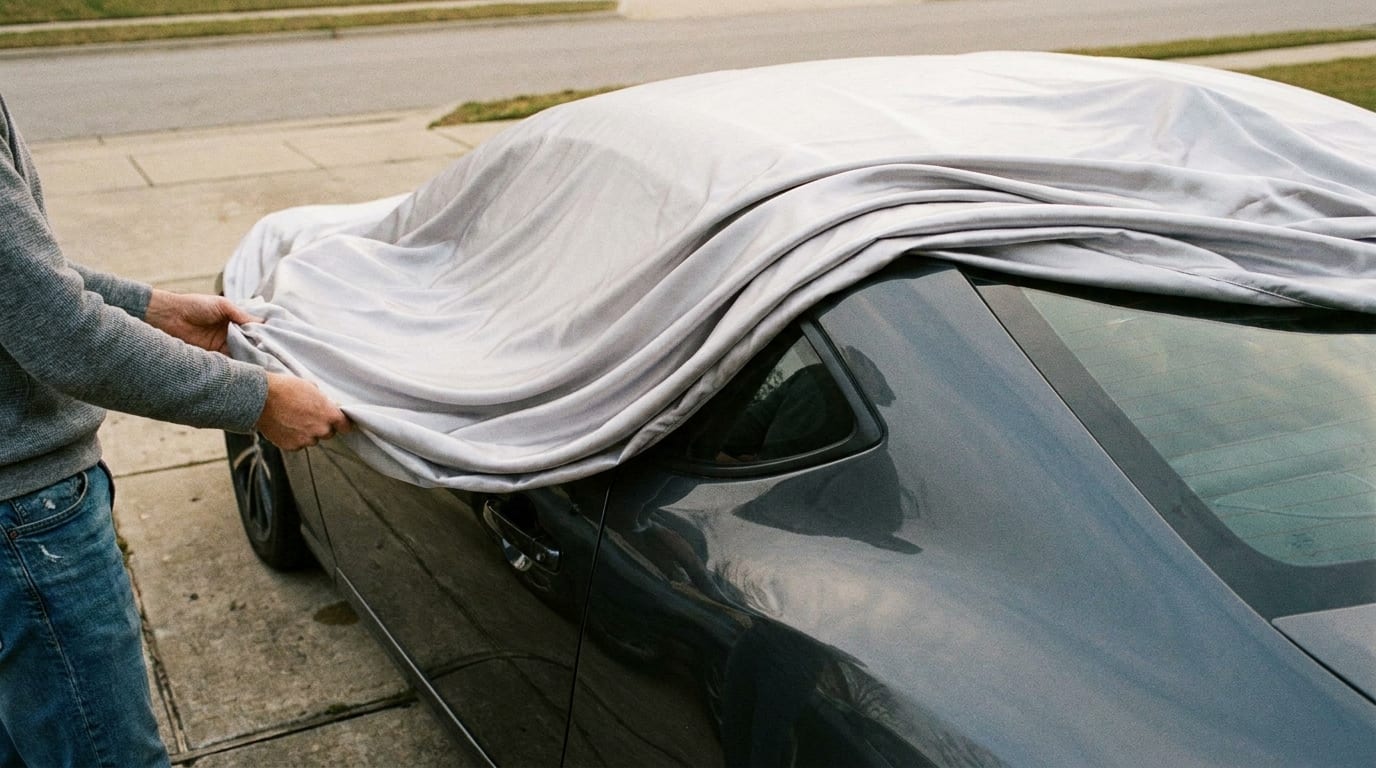
Fit matters more than people expect, too. A loose or ill-fitting cover flaps in the wind, and that movement looks a lot like prey to a cat watching from the ground. A snug cover that hugs the body panels just sits there, which gives a cat far less reason to pounce on it in the first place. This is part of why fit and scratch resistance aren't separate issues. They're the same issue.
And lining matters. Soft fleece or felt linings, the kind you'll find on a lot of indoor car covers, feel inviting to a cat's claws in a way that tighter, slicker outdoor shells don't. If your cat has a favorite cover to destroy, there's a decent chance it's the plush one.
What Actually Makes a Car Cover Scratch-Resistant

If you're asking whether there's a scratch-proof option because your current cover keeps getting torn, the fix usually isn't a different brand. It's different fabric specs.
Look at three things specifically: weave density (often described by denier or thread count), the number of bonded layers, and whether the outer surface is smooth woven fabric or something looped and textured. Tight weaves give claws fewer gaps to hook into. Multiple bonded layers matter because they distribute puncture force across the stack instead of letting one claw punch straight through in a single spot, which is exactly what happens with thin single-ply knit or felt fabric. A multi-layer woven shell acts more like a tarp than a t-shirt.
Fit is the other half of the equation, and it's the half people underrate. A custom-fit car cover follows the exact contours of your make and model, so there's no excess fabric bunched up at the mirrors or billowing at the bumper. Universal-fit covers, by contrast, almost always leave slack somewhere, and slack is exactly what a cat's claws need to get a grip and start pulling at threads. If you're trying to figure out whether a scratch-proof option exists for your situation, checking the actual cover-to-vehicle fit is a faster diagnostic than reading fabric marketing copy. Eliminate the loose material, and you eliminate most of what a cat can grab onto in the first place.
Outdoor vs. Indoor Covers: Which Holds Up Better Against Claws
This one's not close. Outdoor car covers are built with heavier, tightly woven shells designed to survive UV exposure, rain, and general abrasion, and that same toughness happens to double as claw resistance. Indoor covers are engineered for a different job: a soft finish that won't scratch your paint while the car sits in a garage. That softness is great for your clear coat and terrible against a cat's claws.
| Factor | Outdoor cover | Indoor cover |
|---|---|---|
| Primary design goal | UV, rain, abrasion resistance | Soft, paint-safe surface |
| Outer texture | Tight, woven, often coated | Soft fleece or felt |
| Claw resistance | Higher | Lower |
| Best use if cats are an issue | Yes, even in a garage | Not recommended |
If cats are a known problem at your place, even for a car that lives in a garage most nights, an outdoor-rated cover is the safer default. The tougher outer layer is the whole reason.
Waterproof outdoor covers take this a step further. The tightly bonded coating that keeps rain out also adds a layer of puncture resistance you don't get from a breathable-only fabric. It's a side benefit of the waterproofing, not the main selling point, but it's a real one if claws are your actual concern.
Extra Steps to Keep Cats Off the Cover Entirely
A tougher fabric helps, but pairing it with a few deterrents gets you a lot further than fabric alone.
- Motion-activated sprinklers or lights near where the car's parked. Cats dislike the surprise more than most other things you can do.
- Citrus-scented or commercial pet-safe repellent sprayed along the cover's edges and corners, the spots cats tend to investigate first.
- Aluminum foil or strips of double-sided tape across the hood area. Cats generally hate the texture and the sound, and it's cheap to test.
- A cable lock or tensioned straps to keep the cover taut against the body. Less give in the fabric means less for claws to grab onto, which matters as much as the fabric itself.
- Garage or carport parking when it's an option. The simplest fix is removing the target. A car that's never covered outdoors isn't getting clawed outdoors.
None of these guarantee a cat-free cover on their own. Combined with a tighter-woven fabric, though, they stack the odds in your favor.
Already Have Claw Damage? How to Handle a Torn Cover
Found a few punctures already? Don't panic and don't assume you need a full replacement.
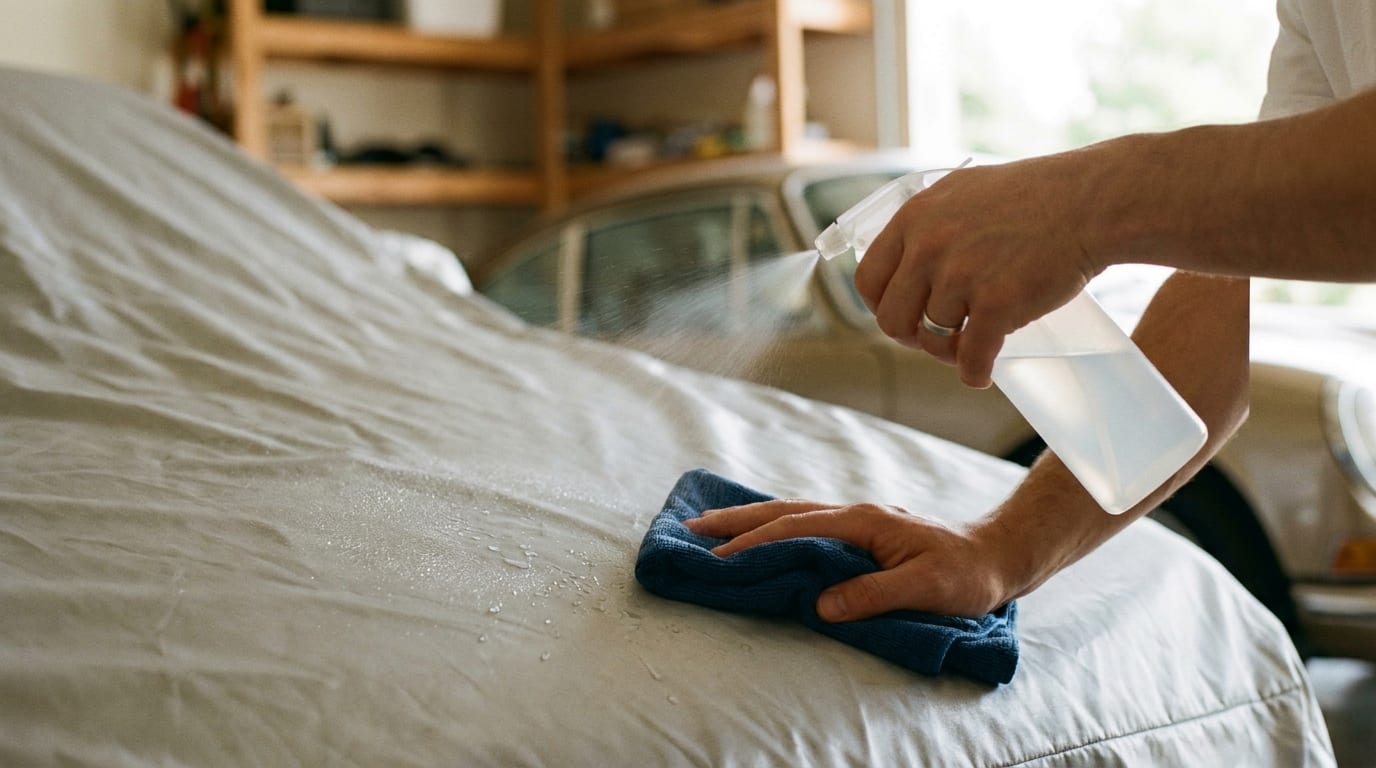
Small claw marks in a woven, multi-layer fabric usually stay contained. They don't unravel the way a snag would in a knit fabric, because there's no continuous thread to pull. Check the damage, brush off any loose fibers, and clean the area so dirt and moisture don't work their way into the opening and widen it over time. A quick wipe-down now saves you a bigger repair later. For the full process, this guide to cleaning a car cover covers what to use and what to avoid.
If the tears keep spreading or keep showing up in new spots no matter what you do, that's your signal. It's not a sign you need to clean more carefully. It's a sign the fabric itself is too thin for what you're dealing with, and it's time to size up to an outdoor-grade cover instead of buying the same thin universal replacement again.
Choosing a Tougher Replacement Cover
If you're ready to swap it out, work through a short checklist before you buy:
- Confirm it's a custom fit for your exact make and model, not a generic "fits most" sizing.
- Choose a multi-layer outdoor fabric, ideally with a waterproof bonded coating for the extra puncture resistance.
- Make sure it comes with a snug strap system or cable lock option, since fit alone won't stop flapping without one.
- Check the warranty terms before you commit.
That last point matters more than people think. Testing a new cover against a cat that's already proven it'll go after fabric is a bit of a gamble, and a solid lifetime warranty on car covers takes some of the risk out of trying something tougher.
If you've been dealing with a shredded cover for a while now, it's worth browsing outdoor car covers built for exactly this kind of wear, and pairing one with the fit tools on CarCovers to match it to your vehicle instead of guessing at a universal size. Stick around the blog for more real-world car care guides while you're at it, there's more than just cats working against your cover out there.






