


Outdoor Car Cover for Nissan Altima: Waterproofing & UV Protection Guide
Why Your Altima Needs More Than a Basic Cover Outdoors
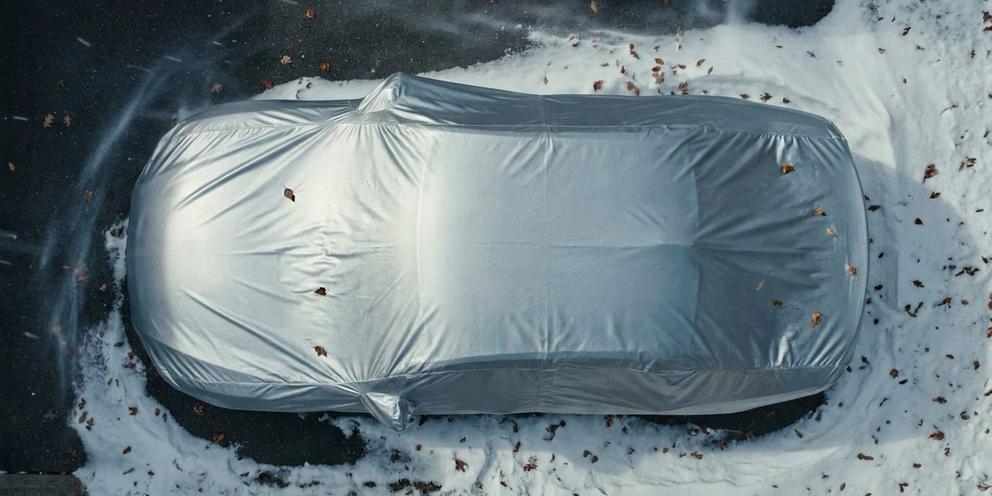
If your Altima sleeps in a driveway, carport, or open lot every night, you're asking one piece of fabric to do two very different jobs at once. It has to shed rain and keep moisture off the paint, and it has to survive hours of direct sun without breaking down. Most shoppers assume any cover labeled "outdoor" handles both. It doesn't.
Waterproofing and UV protection are separate specs, tested differently, and priced differently. A cover can be great at one and mediocre at the other. So before you buy an outdoor car cover for Nissan Altima, you need to know what you're actually checking: the material's waterproof rating, its UV/fade protection, how accurately it fits the Altima's body style, and whether the manufacturer backs any of it with a warranty. Get those four right and the rest takes care of itself.
What Outdoor Exposure Actually Does to an Altima's Paint and Interior
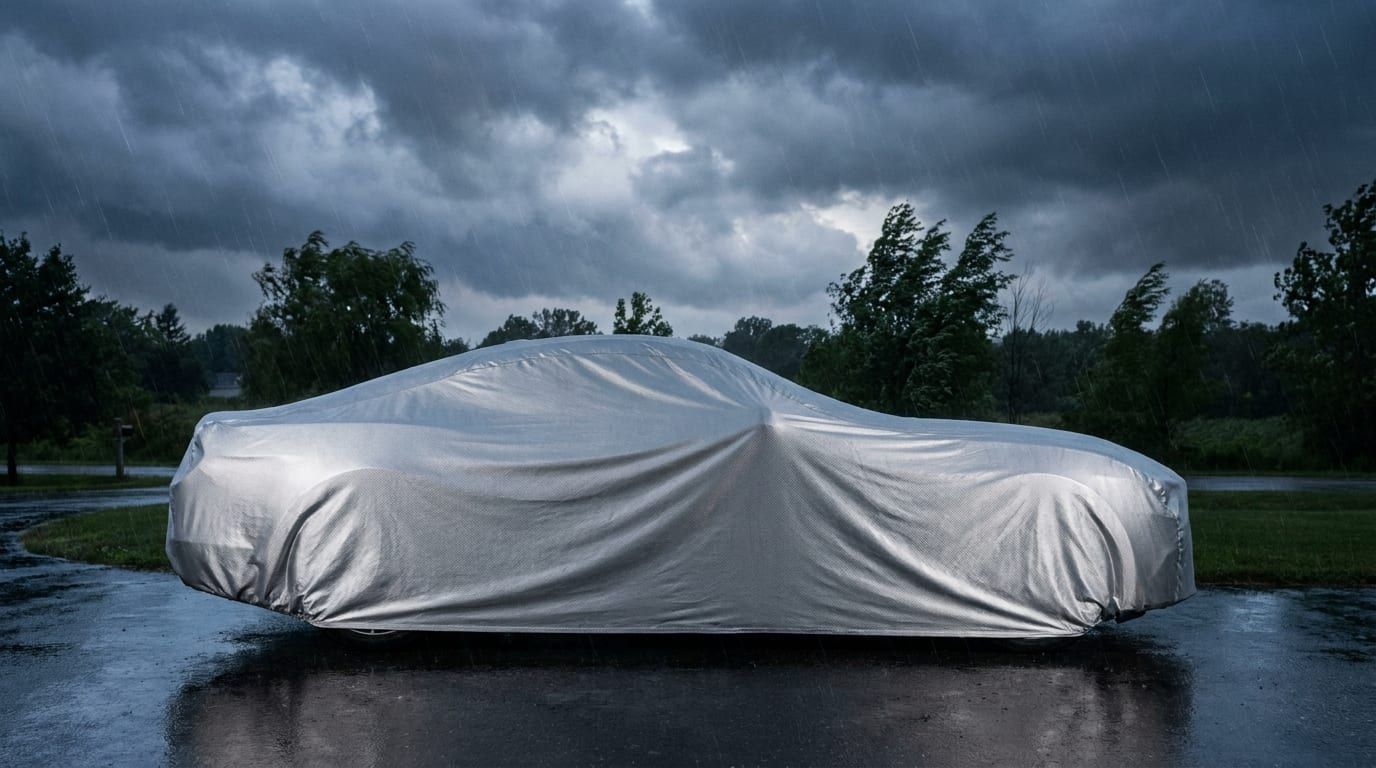
Sun damage is slow and sneaky. UV rays break down the clear coat over time, which leads to oxidation, chalky patches, and eventually fading you can see from across the parking lot. Inside, UV exposure cracks dashboard plastic and fades upholstery, especially on the Altima's sedan roofline where sun hits the same interior spots day after day.
Water does its own kind of damage. Rain that dries unevenly leaves mineral spots etched into the clear coat. Moisture that creeps into door seals and trunk gaskets sits there, and in humid regions that moisture turns into mold or mildew you won't notice until it smells like it. Neither of these problems shows up overnight. They show up a year or two later, when the paint looks tired and the trunk smells musty.
How much weight you put on waterproofing versus UV protection depends heavily on where you park. Coastal humidity, desert sun, and freeze-thaw winters each stress a cover (and your Altima) differently. If you want the full breakdown of how climate specifically wears down an exterior, it's worth reading this guide on the most damaging climates for your car's exterior before you settle on a cover tier.
Waterproof vs. Water-Resistant: What to Check on the Spec Sheet
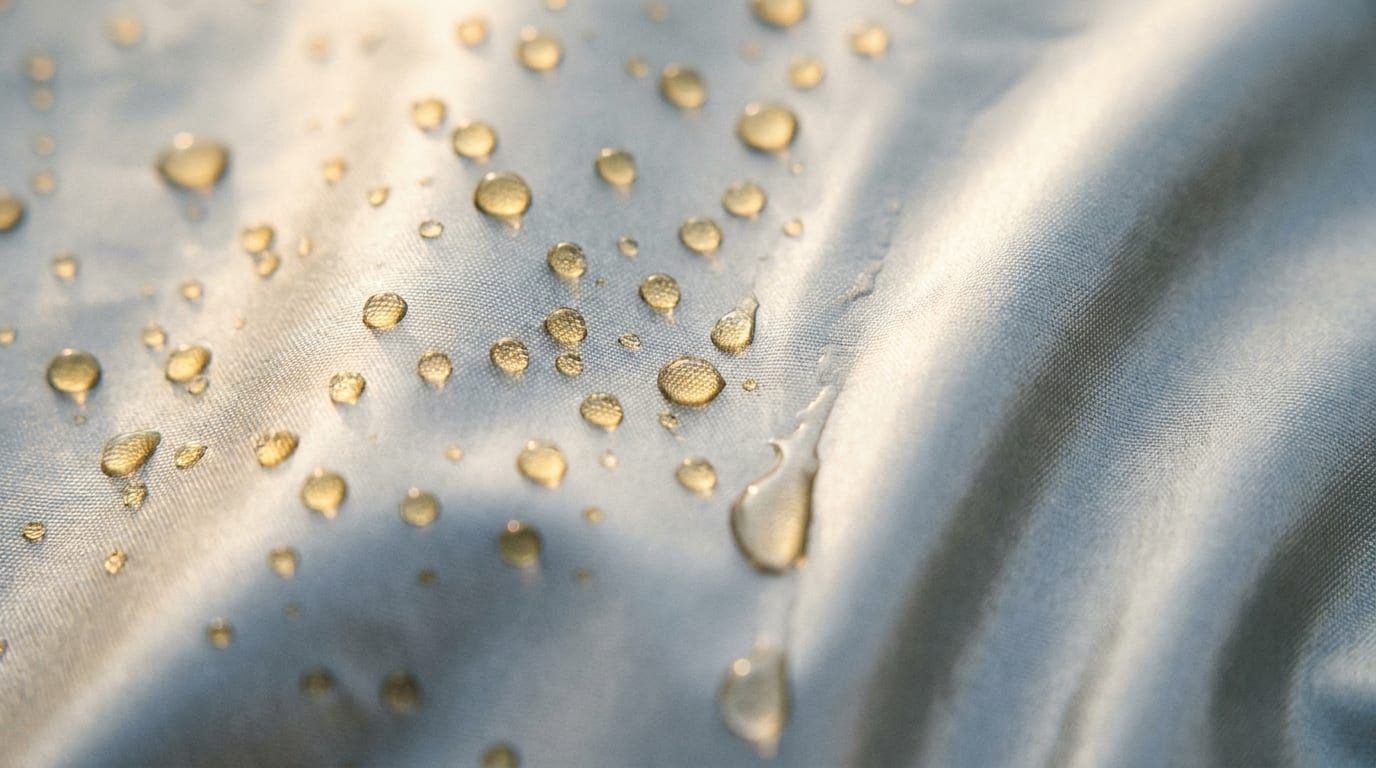
These two words get used almost interchangeably in product listings, and they shouldn't be. Fully waterproof means sealed seams and a coated fabric that blocks standing water, full stop, even if your Altima sits through an hour of heavy rain. Water-resistant means the fabric repels light drizzle fine but can saturate through in a real downpour.
When you're comparing specs, ask about four things: denier count (the fabric's thickness and durability), the coating type used to block water, how the seams are sealed (taped, stitched, or both), and breathability. That last one trips people up. A cover that's completely sealed with no breathability can trap condensation underneath it, which means moisture sits against your Altima's paint all night, every night. That's arguably worse than a little rain exposure, because it's constant and it's hidden under the cover where you won't see it forming.
For Altima owners parking outdoors long-term, you want a fabric that blocks liquid water from above while still letting vapor escape from below. Waterproof car covers built for outdoor use are engineered around this balance, and if you want to go deeper on fabric science, the waterproof fabrics breakdown covers coating types and denier ratings in more detail.
UV Protection: What a Rating Should Actually Promise
A real UV-resistant coating works by blocking or reflecting UV rays before they ever reach the clear coat. No coating, or a thin one, means the sun's rays pass straight through the fabric and the cover is really just providing shade, not protection.
There's a second benefit people miss: UV protection also keeps cabin heat down. If you've ever skipped the windshield sunshade and come back to a steering wheel too hot to touch, you know what unchecked solar heat buildup does to an Altima's interior. A properly UV-rated cover cuts that down noticeably, which matters more in summer than most buyers expect going in.
Here's a quick way to vet a product page's UV claims:
- Does it state an actual UV rating or block percentage, or just say "sun protection"?
- Does it mention a specific coating or treatment process, or is it vague marketing copy?
- Does the description separate UV protection from waterproofing, or lump them together as one generic "outdoor" feature?
If the answer to all three is "vague," keep looking. For more on fighting heat buildup specifically, this guide on keeping your car cool in summer is a useful companion read.
Custom-Fit vs. Universal: Which Actually Protects an Altima Better
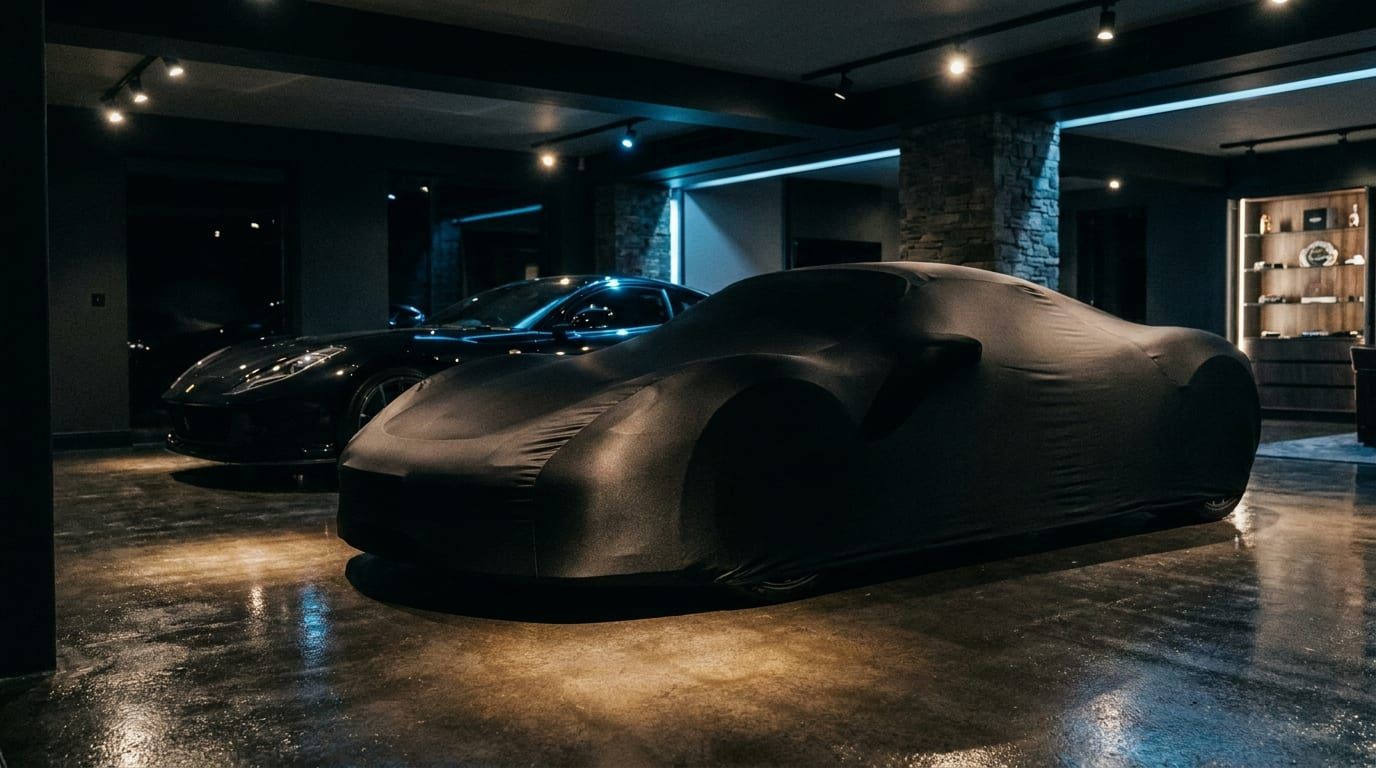
A loose, generic cover undoes both of the things you just paid for. Gaps around the hood and trunk let rain blow in sideways. Excess fabric flaps in the wind, and that flapping wears down the UV coating and stresses seams far faster than a snug fit would. You can buy the best-rated waterproof, UV-treated fabric on the market and still get poor results if the cover doesn't actually sit against the car.
A custom or semi-custom fit for the Altima's sedan body means mirror pockets that sit where the mirrors actually are, an antenna cutout in the right spot, and a hem length that matches the car instead of pooling fabric at the wheels. Generic "fits all sedans" covers get close, but close isn't the same as tailored.
Here's the decision rule: if your Altima lives outdoors year-round, prioritize fit first and treat the fabric spec as the second decision. Occasional outdoor use (weekend trips, overflow parking a few nights a month) is where a well-rated universal cover is a reasonable compromise. Check what size car cover fits your vehicle before buying anything, and look at custom-fit car covers if daily outdoor parking is your situation. Nissan-specific options are listed on the Nissan covers page if you want to browse by vehicle instead of by cover tier.
Choosing Between Outdoor Cover Tiers for an Altima
Entry-level outdoor covers and premium all-weather tiers differ in two places that matter most: the waterproofing rating and how long the UV coating lasts before it needs reapplying or the cover needs replacing. Cheaper covers often cut corners on seam sealing first, since it's invisible on a spec sheet until you're standing in your driveway watching water seep through a seam.
| Climate Use Case | Suggested Tier | Why |
| Mild sun, occasional light rain | Mid-tier outdoor cover | Basic waterproofing and UV coating handle moderate exposure |
| Coastal humidity | Premium waterproof + UV tier | Constant moisture needs sealed seams and breathable fabric |
| Desert, heavy sun | Premium UV tier | Thicker UV coating resists faster fade and cracking |
| Storm-prone regions | Premium waterproof tier | Heavier denier and taped seams hold up to driving rain |
The price difference between tiers isn't padding, it's where the money actually goes: seam sealing method, coating thickness, and fabric weight. A cheap cover might look identical in a product photo, but it'll show leaks and fading within a season if your Altima sits outside daily. Browse outdoor car covers by tier, or use the best car cover comparison tool to line up options side by side before deciding.
Installing and Maintaining the Cover to Keep It Waterproof and UV-Rated
Even the best fabric fails early if it's installed loosely. Wind lift is the real enemy here, not just rain, because repeated flapping stresses seams until they give. Secure straps and cable locks snugly, every time, not just when you remember.
Cleaning matters more than most owners think. Harsh detergents strip UV coatings faster than sunlight does on its own, and high-heat drying can do the same to both the coating and the waterproof seal. Stick to mild soap, cool water, and air drying.
Check the cover periodically for wear at seams and grommets. Those are the first spots waterproofing fails, long before the main fabric panel shows any wear at all. A five-minute inspection once a month catches small tears before they become leaks. For step-by-step help, see the guide to installing your car cover and how to clean a car cover properly without damaging the coatings you paid for.
Final Check Before You Buy: Warranty and Next Steps
A warranty on a car cover isn't just about stitching holding together. It's a signal that the manufacturer will stand behind the waterproof seal and the UV coating lasting as long as advertised, not just the fabric not ripping. If a listing is vague about how long the UV or waterproof performance is guaranteed, that's worth asking about directly before you buy.
Before you check out, run through this:
- Confirm the fit matches your Altima's exact year and body style, not just "fits sedans."
- Confirm the waterproof rating is stated in writing, not implied by the word "outdoor."
- Confirm the UV coating is named specifically, not folded into generic marketing language.
Get those three confirmed and you've done the hard part already.
If you want to keep learning before you commit, our articles section has more on car care and cover maintenance worth bookmarking. And when you're ready to compare options directly, browse car covers or check the details on our lifetime warranty coverage to see what's actually backed long-term.
Updated