


What Car Cover Do You Recommend If I Park Under a Tree With a Lot of Sap and Bird Droppings?
What Car Cover Do You Recommend for Sap and Bird Droppings?
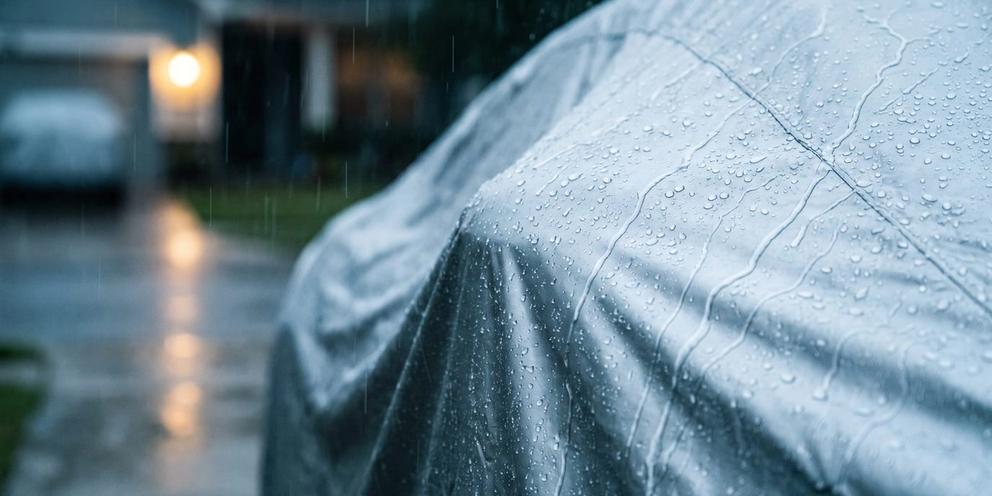
If a tree hangs over your parking spot, the short answer is this: get a waterproof, multi-layer outdoor cover with a tightly woven, UV-stabilized outer shell and a soft, non-scratch inner lining. Sap and bird droppings are both acidic, and if they sit under a cover that's only breathable or single-layer, they'll work through the fabric and start etching your clear coat before you even notice. So when someone asks what car cover do you recommend if I park under a tree with a lot of sap and bird droppings, the fabric spec matters more than the price tag.
Fit matters just as much as the material. A loose, generic cover leaves folds and gaps where sap and droppings can pool instead of sliding off, and pooled acid sitting in one spot for days does a lot more damage than a thin film that gets wiped away weekly. A custom-fit car cover hugs the body lines closely enough that there's nowhere for that mess to settle.
This is really a buying decision, not a chore you can wipe your way out of. You can wash your car every weekend, but if the cover underneath is the wrong material, you're still fighting a losing battle every time it rains sap.
Why Are Sap and Bird Droppings So Damaging to a Car's Finish?
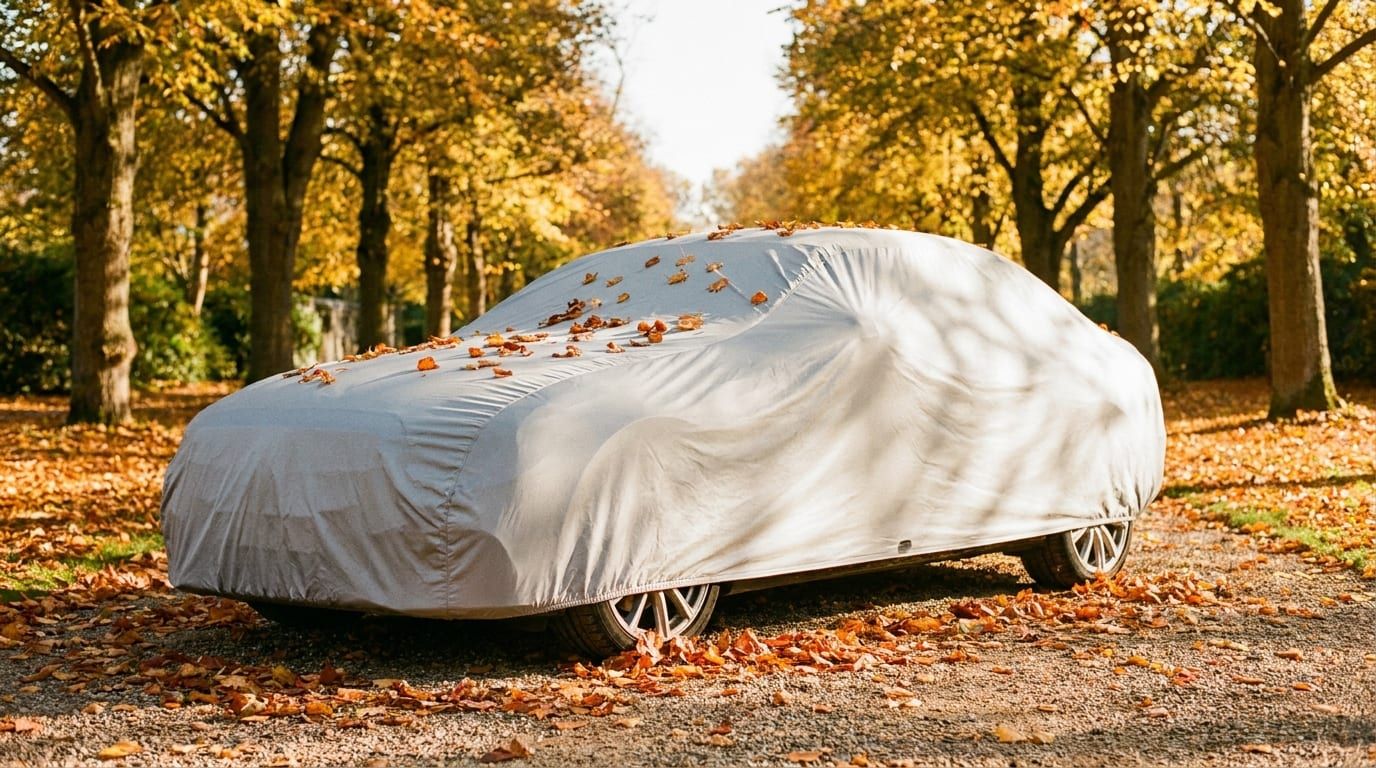
Bird droppings contain uric acid, which is nasty stuff on paint. Left in direct sun, it can start reacting with clear coat in a matter of hours, not days. Sap works differently but ends up in the same place: it's sticky when it lands, then bakes hard under UV heat, and once it's cured, it's basically welded itself to whatever's under it.
Here's what makes tree parking uniquely rough on a car: it's never just one threat. You've got sap and droppings, sure, but also constant UV exposure through gaps in the canopy, plus leaves, twigs, and pollen raining down on top of it all. A cover that only solves one of those problems isn't doing its job. You need something built for the whole combination, not just the sap.
To be clear about what a cover actually does here: it doesn't stop sap or droppings from landing on your car. Nothing short of parking somewhere else does that. What it stops is direct contact between that acidic mess and your paint, buying you time to clean it off on your schedule instead of the tree's. That's the entire value proposition, and it's worth understanding before you shop, because it changes what you're looking for in a fabric.
What Features Should a Cover Have for Sap and Bird Dropping Protection?
Not all covers are built the same, and under a tree, the differences show up fast.
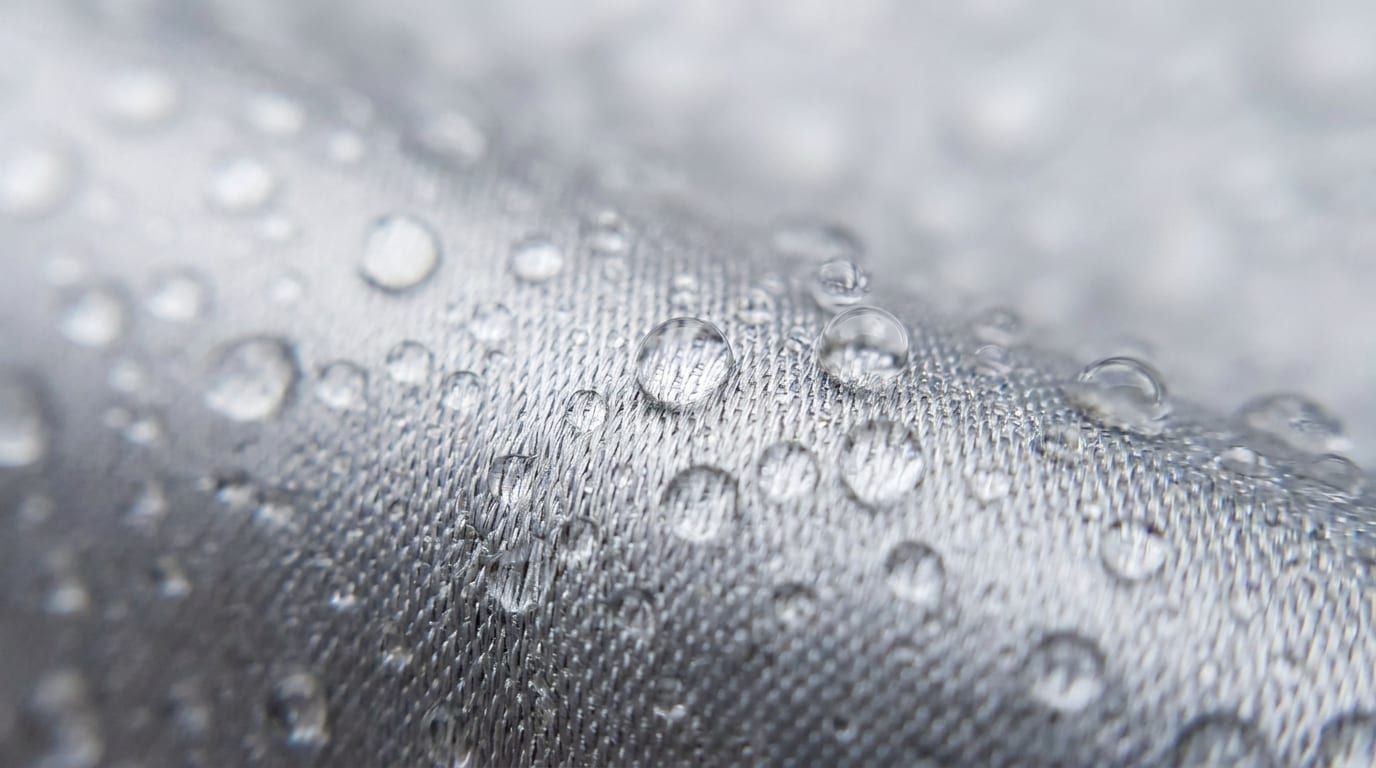
Water and UV-resistant outer layer. You want treated woven fabric that beads liquid instead of soaking it in. If sap and droppings sit on top of the fabric instead of sinking into it, you can wipe them off before they set. A waterproof car cover is built around exactly this kind of surface treatment.
Soft, non-abrasive inner lining. Grit and pollen get trapped near the fabric surface, and every gust of wind rubs that grit against your paint like sandpaper. A soft lining keeps that friction away from the finish.
Breathability balance. Here's a mistake I see a lot: buying the most waterproof cover you can find and assuming more is better. Fully waterproof-only fabrics trap condensation underneath, and moisture sitting on a sap-covered panel overnight isn't a great combination either. The better outdoor covers blend water resistance with some airflow, so moisture doesn't just get sealed in with the mess.
Fit precision. Same point as above, worth repeating here: a custom or semi-custom fit means less flapping and fewer low spots for droppings to collect and dwell.
Reinforced seams and grommets. Sap and grit accelerate wear right at the stress points, seams, straps, grommets. Double-stitching there means the cover survives years of tree debris instead of fraying apart after one season. This full breakdown of outdoor car cover use covers wind and UV exposure too, if your tree spot also gets a lot of open sky.
Which Cover Type Works Best When Parking Under Trees?
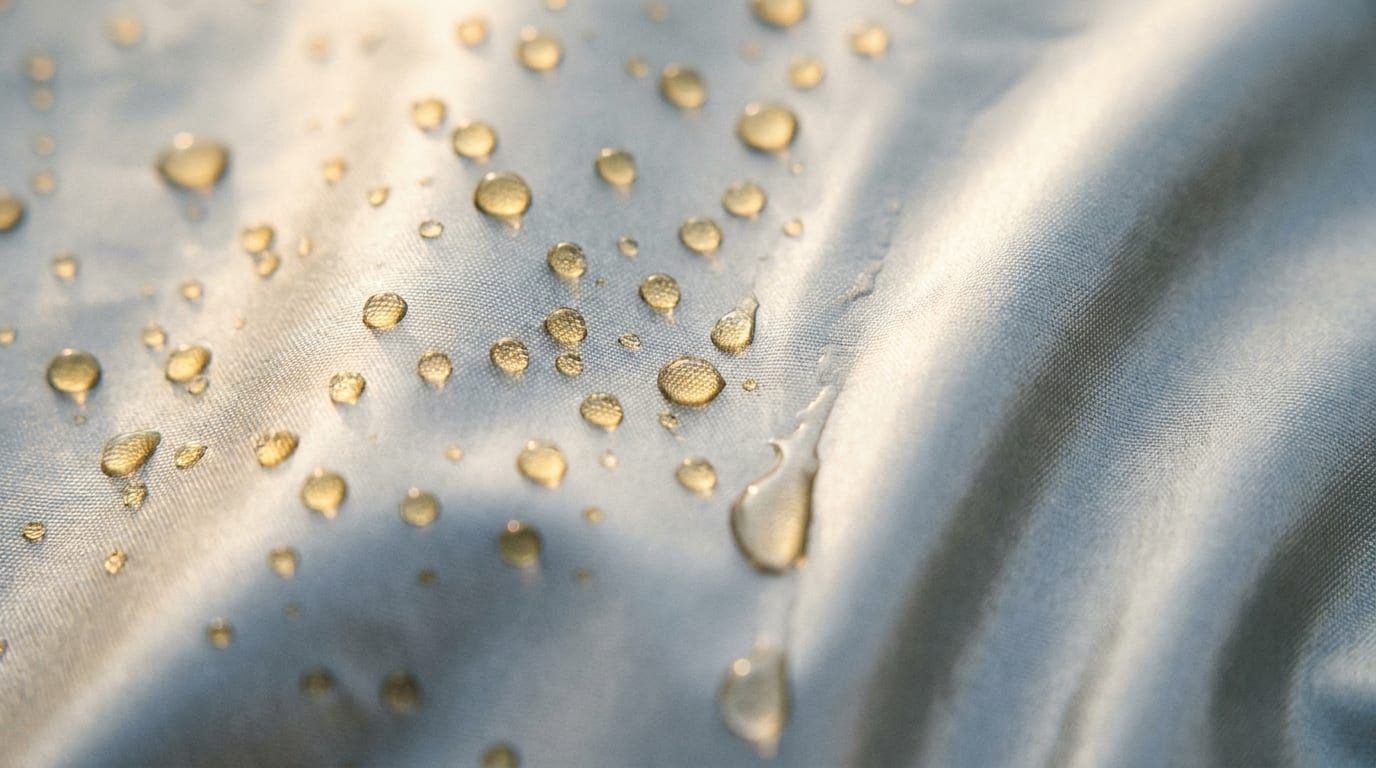
Not every cover on the market is built for this job. Here's how the main types stack up.
Basic outdoor cover
- Water/Sap Resistance: Moderate
- UV Protection: Moderate
- Breathability: Good
- Best For: Mild climates with only occasional light sap
Waterproof outdoor cover
- Water/Sap Resistance: High
- UV Protection: High
- Breathability: Lower
- Best For: Heavy sap or dropping zones in dry climates
Custom-fit multi-layer cover
- Water/Sap Resistance: High
- UV Protection: High
- Breathability: Balanced, via layered design
- Best For: Daily parking under trees, long-term
Indoor/light-use cover
- Water/Sap Resistance: Low
- UV Protection: Not built for sap or droppings
- Breathability: High
- Best For: Garage storage only, not outdoor tree parking
If you're parking under trees daily, the custom-fit multi-layer option is the one that earns its keep. The outdoor car cover category is a good place to start browsing, and if fit is your main concern, the custom-fit buying guide walks through sizing options by vehicle.
How Do You Remove Sap and Bird Droppings From a Car Cover?
Speed matters more than technique here. Spot-clean with lukewarm water and a mild soap as soon as you notice sap or droppings on the cover, before either one hardens into a crust that needs scrubbing. Once sap cures in the sun, it's a much bigger job to get off, and aggressive scrubbing on treated fabric isn't something you want to do often.
Skip the harsh solvents. It's tempting to reach for something stronger when sap won't budge, but solvents strip the water-repellent coating over time, and then you've traded one problem for a worse one down the line.
If you're parking under a tree regularly, your cleaning schedule needs to be tighter than someone parking in the open. Weekly spot-checks make sense here, not the seasonal wipe-down that works fine for a driveway with no overhead branches. For the full process, from washing through drying and storage, the step-by-step cover cleaning guide and the general cover care guide both cover it in detail.
Frequently Asked Questions
Can bird droppings damage a car cover permanently?
Yes. Left on too long, the acid degrades the fabric's protective coating and can cause visible discoloration. Prompt spot-cleaning keeps this from becoming permanent.
Is a waterproof cover always better than a breathable one for tree parking?
Not necessarily. A cover that's waterproof and nothing else can trap condensation underneath, which creates its own moisture problem. A blended water-resistant, breathable fabric is usually the safer long-term choice for tree parking specifically.
How often should I clean a cover if I park under a tree daily?
Weekly spot-checks and a full monthly wash are reasonable for heavy sap or dropping areas. Compare that to seasonal cleaning, which is fine for open parking with no trees overhead.
Does a car cover void my paint warranty concerns from sap?
A cover reduces direct contact and lowers the risk, but it's not a substitute for cleaning it off promptly. Check the lifetime warranty on car covers for what's actually guaranteed on the material itself, separate from your vehicle's paint warranty.
Find the Right Cover for Your Driveway
If trees are a permanent fixture over your parking spot, don't settle for a basic universal cover. A waterproof, UV-treated, custom or semi-custom multi-layer cover costs more upfront, but it's the difference between wiping sap off a protected shell and finding it etched into your clear coat six months later.
Not sure which one fits your car? Give the cover finder a spin, or browse our library of car care guides if you want to go deeper on paint protection before you buy.
Updated