The Direct Answer: What Makes a Car Cover Hot-Climate Ready
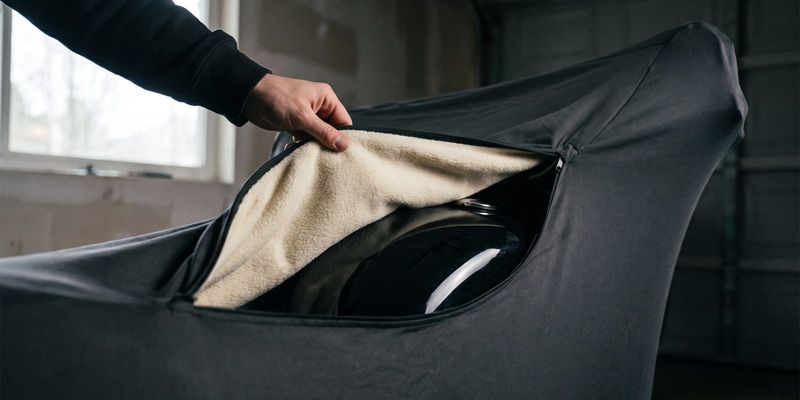
If you're trying to figure out what type of car cover is best for hot climates, here's the short version: look for a multi-layer, UV-reflective woven fabric, usually a light-colored outer shell paired with a soft inner lining. That combination blocks UV rays, reflects heat instead of absorbing it, and still breathes enough to keep moisture from getting trapped against your paint.
Single-layer vinyl covers, especially dark ones, do the opposite of what you want. They soak up sunlight all day, which means the heat sits right against your clear coat instead of bouncing off. Vinyl also tends to break down faster under constant UV exposure, going brittle and cracking within a season or two in places like Arizona or South Texas. A cover that can't handle its own sun exposure isn't going to protect your car from the sun either.
Really, hot-climate owners are trying to prevent two specific things. One is UV-caused paint oxidation and fading, the slow chalky breakdown you see on cars that sit outside year after year. The other is heat-trapped condensation, where a non-breathable fabric lets moisture collect underneath, leading to water spotting or mold on the interior. A good cover solves both at once.
Below is a quick comparison of the main fabric types, followed by a closer look at the features and fit details that actually matter once you've narrowed down the material.
Comparison: Car Cover Materials/Fabrics for Hot Climates
Not all "outdoor" covers are built the same, and the material is where most of the performance difference comes from.
| Material/Fabric | UV Resistance | Breathability | Heat Reflection | Best For |
|---|---|---|---|---|
| Multi-layer woven polyester (UV-treated) | High | High | High | Daily outdoor use in sun-heavy, arid climates |
| Non-woven polypropylene (lightweight) | Moderate | High | Moderate | Mild sun exposure, short-term outdoor parking |
| Vinyl/PVC-coated | Low-Moderate | Low | Low (absorbs heat) | Indoor storage or rainy climates, not recommended for intense heat |
| Cotton/poly blend (satin-style) | Low | High | Low | Indoor garage use only, not sun-rated |
| Reflective laminate-layer covers | Very High | Moderate | Very High | Extreme desert heat, long-term outdoor storage |
The takeaway: if you're genuinely dealing with hot, sun-heavy conditions, it comes down to two real contenders, multi-layer UV-treated woven fabric or a reflective laminate cover. Everything else on that table is better suited to a different climate or a different storage situation.
Why Heat and UV Rays Damage Unprotected Cars

UV rays don't just fade paint, they break it down at a molecular level. Clear coat and pigment degrade under constant exposure, which is what turns a glossy finish chalky and dull over a few summers. Once that starts, you're not cleaning it off. You're looking at paint correction or a respray.
Heat does its own kind of damage, separate from the sun's rays. Rubber seals around doors and windows soften and lose their shape. Trim and dashboard plastics get brittle faster than they would in a milder climate. Even tire sidewalls take a hit from prolonged, direct heat exposure, which matters if your car sits in the same spot every day.
Then there's the cabin itself. A car sitting uncovered in direct sun can heat up fast inside, and that kind of repeated temperature spike works against upholstery, adhesives, and anything electronic on your dash. A reflective cover knocks a meaningful amount of that heat back before it ever reaches the glass.
None of this happens overnight. It's cumulative. A car that gets daily sun exposure in Phoenix or Las Vegas is going to show wear years before the same model parked under a carport in Seattle. That's exactly why the fabric choice matters more in hot states than it does almost anywhere else, it's not a one-time decision, it's protection against something that happens every single day the car sits outside.
Key Features to Look for Beyond the Fabric

Material is the foundation, but a few other features decide how well a cover actually performs once it's on your car.
- Light or reflective exterior color. Lighter shades reflect more solar heat than black or dark gray covers. A dark cover sitting in the sun all day heats up almost like dark pavement does.
- Breathable multi-layer construction. This is what keeps condensation from building up when a hot day turns into a cooler desert night. Without it, moisture gets trapped and sits against the paint overnight.
- UV-stabilized stitching and seams. Cheap thread breaks down under the same sun that's attacking the fabric. Seams are usually the first thing to fail on a budget cover.
- Elastic hem or strap system for a snug fit. A loose cover flaps in the wind and rubs against paint as the fabric expands and contracts with heat. Over time, that friction wears through clear coat in the same spots.
- Water resistance as a secondary feature. Not the main reason you're buying a cover in Arizona, but useful if you get occasional monsoon season storms or live somewhere coastal and humid on top of the heat.
For a deeper breakdown of how covers hold up against sun, wind, and water outdoors, this guide to using a car cover outdoors covers the full picture. And if water resistance matters where you live, it's worth understanding the difference between waterproof fabrics and the water-resistant coatings used on most outdoor covers.
Custom-Fit vs. Universal-Fit Covers in Hot Climates
Fit matters more in heat than people expect. A universal cover that's slightly too big will shift around as the fabric heats up and expands during the day, then contracts again at night. That constant movement means friction, and friction against hot paint is a slow way to dull a finish.
A precise, custom-fit car cover also closes off the gaps where a universal cover tends to leave slack, around mirrors, at the hood line, along the bumpers. Those gaps are exactly where hot air and direct sun can sneak through and hit the paint anyway, which defeats the purpose of covering the car in the first place.
Universal covers aren't useless. They're a reasonable, lower-cost option if you only need occasional coverage or you're protecting a car for a short stretch. Just know you're trading some precision for the lower price, and in a climate where heat exposure is constant, that trade-off shows up faster than it would somewhere milder.
Fit and fabric aren't really separate decisions. A great UV-reflective material in a loose, ill-fitting shape still lets heat and friction do damage. You need both working together.
Outdoor Daily Use vs. Garage Storage in Hot Regions
How you park matters as much as where you live. A car that sits outside in direct sun every single day needs the most protective option, a reflective or UV-treated multi-layer fabric built specifically for outdoor sun exposure. That's non-negotiable if your driveway doesn't have shade.
A garaged car has more room to use a lighter, indoor-only cover, since it's not fighting direct UV rays all day. But don't assume a garage solves the heat problem entirely. In places like Texas or inland California, an uninsulated garage can still climb into the 90s or higher during summer afternoons. Breathable fabric still matters indoors, just not UV-blocking fabric specifically.
Quick rule of thumb: outdoor and direct sun means reflective or UV-treated multi-layer, every time. Indoor and shaded means you can step down to a lighter, breathable indoor cover without losing anything.
Choosing and Maintaining Your Hot-Climate Car Cover
So, back to the original question. For daily outdoor sun exposure, a multi-layer UV-reflective fabric wins. For genuinely extreme desert heat, a reflective laminate cover earns its higher price tag. And if your car is truly garaged, shaded, and never sees direct sun, a lighter indoor cover is all you need, no reason to overspend on UV protection you won't use.
Before buying anything, confirm the cover actually matches your vehicle's dimensions. A size that's even slightly off undoes a lot of the heat protection, since loose material is exactly what causes friction wear in the first place. Tools like CoverFinder or a general sizing guide make this a lot less guesswork-y.
Once you've got the right cover, a little upkeep goes a long way. Clean it regularly, and check seams periodically for sun damage, since that's usually the first part of a cover to give out in a hot climate. There's a full rundown on technique in this cover cleaning guide if you want specifics.
If you're still weighing whether a cover is worth it at all for your situation, this breakdown of why a car cover matters is a good next read, and our car care hub has more on keeping a vehicle in shape once summer really sets in. Worth a browse before you commit to one cover over another.