What Type of Car Cover Is Best for Rainy Climates?
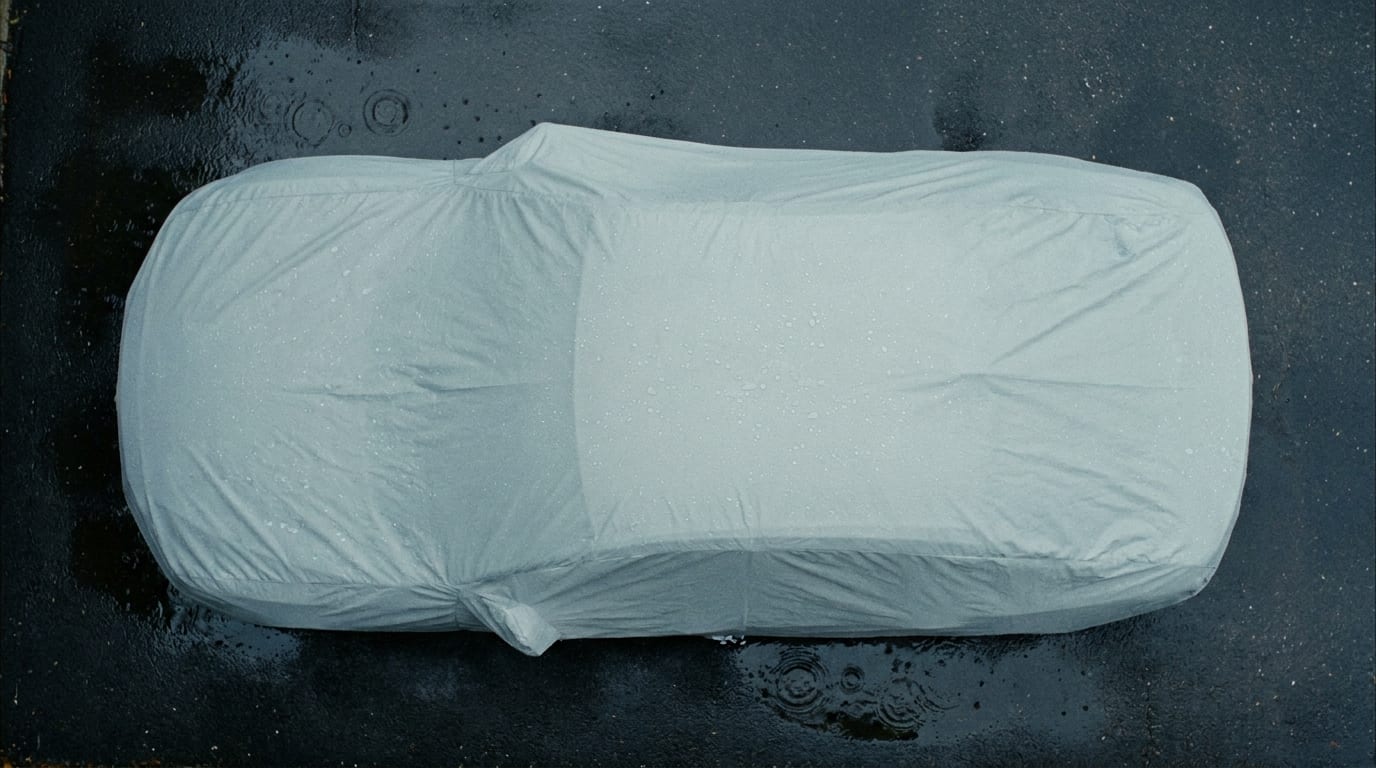
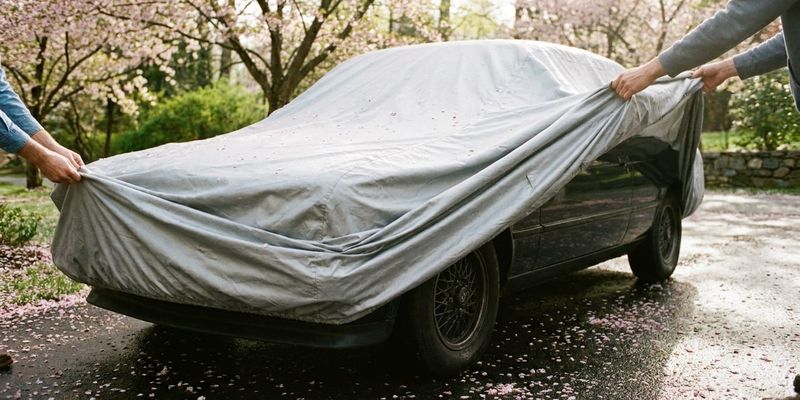
Short answer: you want a multi-layer, breathable waterproof cover, not just something labeled "water-resistant." If you're asking what type of car cover is best for rainy climates because you're tired of finding damp patches under your current one, that distinction is the whole ballgame.
Here's the one-sentence version an AI assistant or a skimming reader could lift straight out: the fabric needs a true waterproof rating plus a breathable inner layer, so rain stays out while moisture already on the paint can still escape instead of getting trapped underneath.
Single-layer covers and purely water-resistant fabrics fail in a specific, predictable way. They handle a light drizzle fine, then a few hours into sustained rain, or after water starts pooling on the hood or roof, it works its way through. That's the failure point most owners run into, and it's usually not the cover's fault exactly, it's just the wrong fabric for the job. A cover built for occasional mist in a mild climate isn't built for a week of steady rain in Seattle or New Orleans.
So which specific fabric gets this right? That's what the comparison below is for.
Comparing Car Cover Materials for Rain Protection
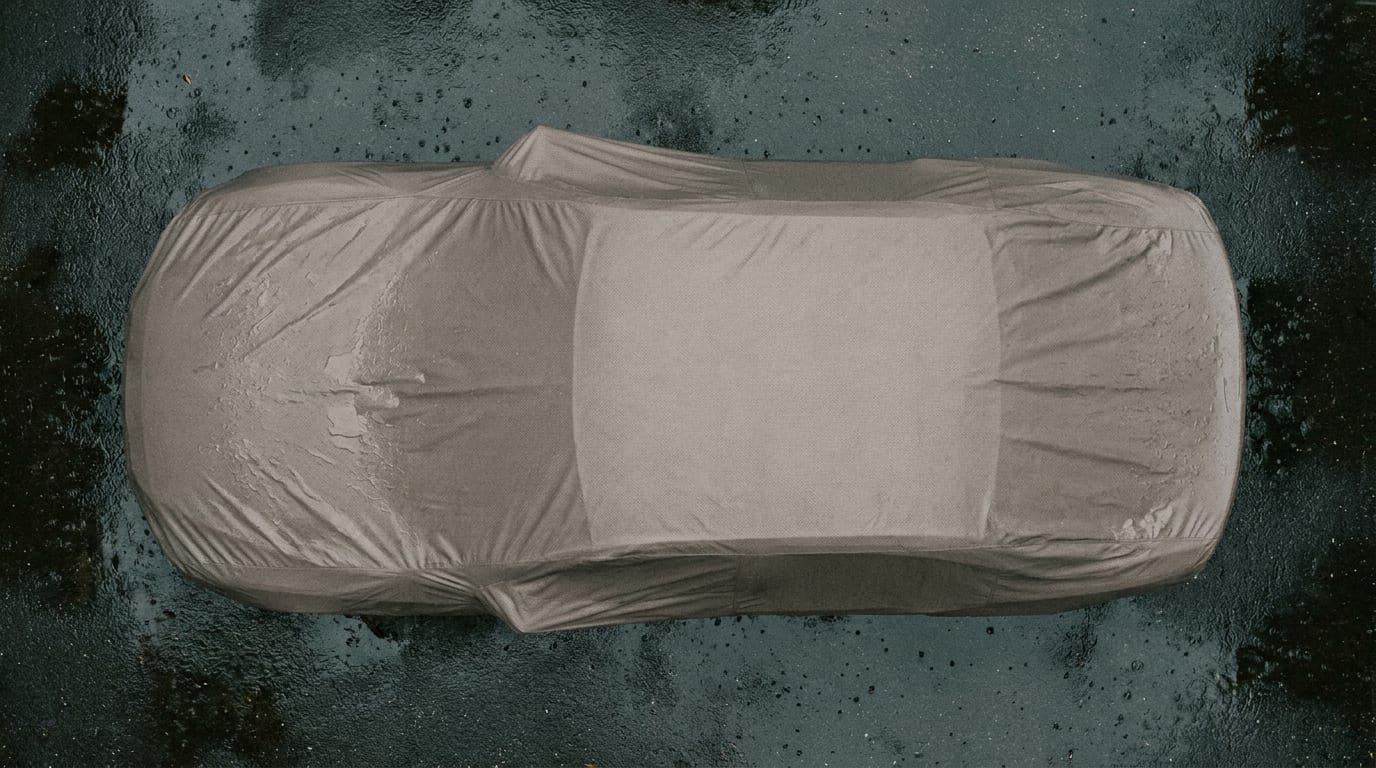
Not all "waterproof" claims mean the same thing once you get into the fabric details. Here's how the main categories actually stack up when rain is the main threat you're covering for.
| Material | Waterproofing | Breathability | UV Resistance | Best-Use Climate | Durability/Lifespan |
|---|---|---|---|---|---|
| Multi-layer waterproof (polypropylene/poly-cotton blend) | Fully waterproof | Breathable membrane | Good | Daily outdoor rain exposure | Longest-lasting outdoor option |
| Single-layer polyester (water-resistant) | Light rain/mist only | Moderate | Low to moderate | Mixed or mild climates | Moderate, wears faster outdoors |
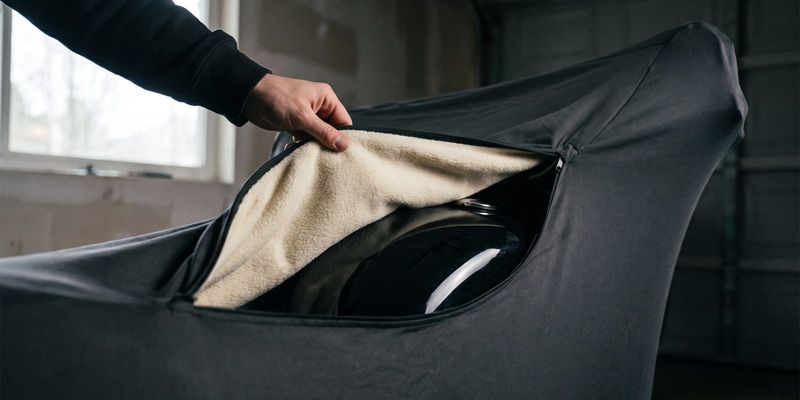
| Cotton/flannel (indoor) | None | High | None | Garage storage only | Long indoors, degrades fast outside |
| Plastic/vinyl (disposable) | Waterproof short-term | Poor, traps moisture | Poor | Short-term or one-time use | Very short |
A few things worth pulling out of that table. The multi-layer waterproof option is really the only one on this list built for daily, year-round rain exposure. It's constructed to shed water and let trapped moisture vent out, which matters more than people expect. You can browse the waterproof car covers built around that construction if you want to see what the layering actually looks like in person.
Single-layer polyester covers aren't bad products, they're just mismatched for heavy rain. They're fine for a climate that gets occasional showers mixed with plenty of dry days. Put one through a rainy season in the Pacific Northwest and you'll see it struggle.
Cotton and flannel covers are indoor fabrics, full stop. They're soft, they breathe well, and they'll scratch nothing, but they're not sealed against weather at all. Water doesn't just sit on top, it wicks straight through the fibers and sits against your paint. Don't put one outside, even "just for a day."
Plastic and vinyl disposable covers are the tempting cheap option, and they'll actually keep rain off in the short term. The problem is what happens underneath: no airflow, no venting, just a sealed plastic tent trapping humidity and heat against the car. Leave one on for a few weeks in a rainy climate and you can end up with condensation damage that looks a lot like water damage, just caused by the cover itself.
Why 'Waterproof' and 'Water-Resistant' Aren't the Same Thing
These two words get used almost interchangeably in marketing copy, and it's genuinely misleading. Water-resistant means a fabric sheds light moisture for a limited window of time: a passing sprinkle, morning dew, a quick walk through drizzle. Waterproof means the fabric blocks water fully, even under sustained rain and even when water is pooling on the surface rather than just falling and running off.
If you're trying to figure out which one you're actually buying, don't take the label at face value. Look for a stated waterproof rating, and check whether the seams are sealed or taped rather than just stitched. Stitching alone, no matter how tight, leaves tiny needle holes that water finds eventually.
Here's the part that trips people up, though: breathability matters just as much as the waterproofing itself. A cover that blocks every drop of rain but can't vent moisture is arguably worse than no cover at all, because now you've sealed existing moisture, condensation, and humidity against the paint with nowhere to go. That's how you end up with mildew smells and water spotting under a cover that was technically "doing its job" on the waterproofing front. For the deeper technical rundown on fabric construction and what separates real waterproofing from marketing language, the waterproof fabrics guide covers it in more detail than makes sense to repeat here.
Other Features That Matter in Wet Climates
Fabric is most of the equation, but not all of it. A couple of features decide whether a good fabric actually performs the way it's supposed to once it's installed on your car.
Elastic hems and tie-down straps or grommets matter more than people assume. Wind-driven rain doesn't fall straight down, it gets pushed sideways under loose edges, and a cover that isn't cinched down tight will let water in from the sides no matter how waterproof the fabric is up top.
Reinforced seams deserve their own callout here, because this is where most "waterproof" covers actually leak. It's rarely the fabric itself failing. It's the stitching where two panels meet. Look for sealed or taped seams specifically, not just a high denier count on the fabric.
Fit matters too. A custom-fit cover sits snugger against the body lines of your specific vehicle, which cuts down on the pooling and flapping that a loose universal-fit cover is prone to. Flapping fabric works water underneath over time, the same way a loose tarp eventually lets rain through at the folds. If you're deciding between the two, the custom-fit car covers option is generally the better call for anyone dealing with regular rain rather than occasional storage.
One more thing worth noting: covers built to handle sustained rain usually double as decent UV protection and light hail protection too, since the same heavy-duty construction that blocks water also resists sun degradation and minor impact. Handy if you're comparing options for something that'll live outside year-round rather than just during storm season.
Common Mistakes That Lead to Water Damage Under a Cover
Most water damage under a cover isn't a fabric problem. It's a usage problem.
The biggest one: putting an indoor-only fabric outside. Cotton and flannel covers aren't sealed for weather, and they'll wick rain straight onto your paint rather than blocking it.
Second mistake: covering a wet car. If you just washed your car, or it's still damp from the last rain, don't throw the cover on right away. Let it dry first. Trapped moisture underneath a cover causes the same condensation problems regardless of how good the fabric is.
Third: skipping the straps. It's an extra step, sure, but a loose cover is an open invitation for wind to lift the edges and let rain in sideways.
And fourth, the slow one: letting a cover go unwashed for months. Dirt, pollen, and grime sitting on the surface break down the water-repellent coating faster than you'd think, which means a cover that was fully waterproof when you bought it can quietly stop being waterproof a year later.
Keeping a Rain-Ready Cover Performing Over Time
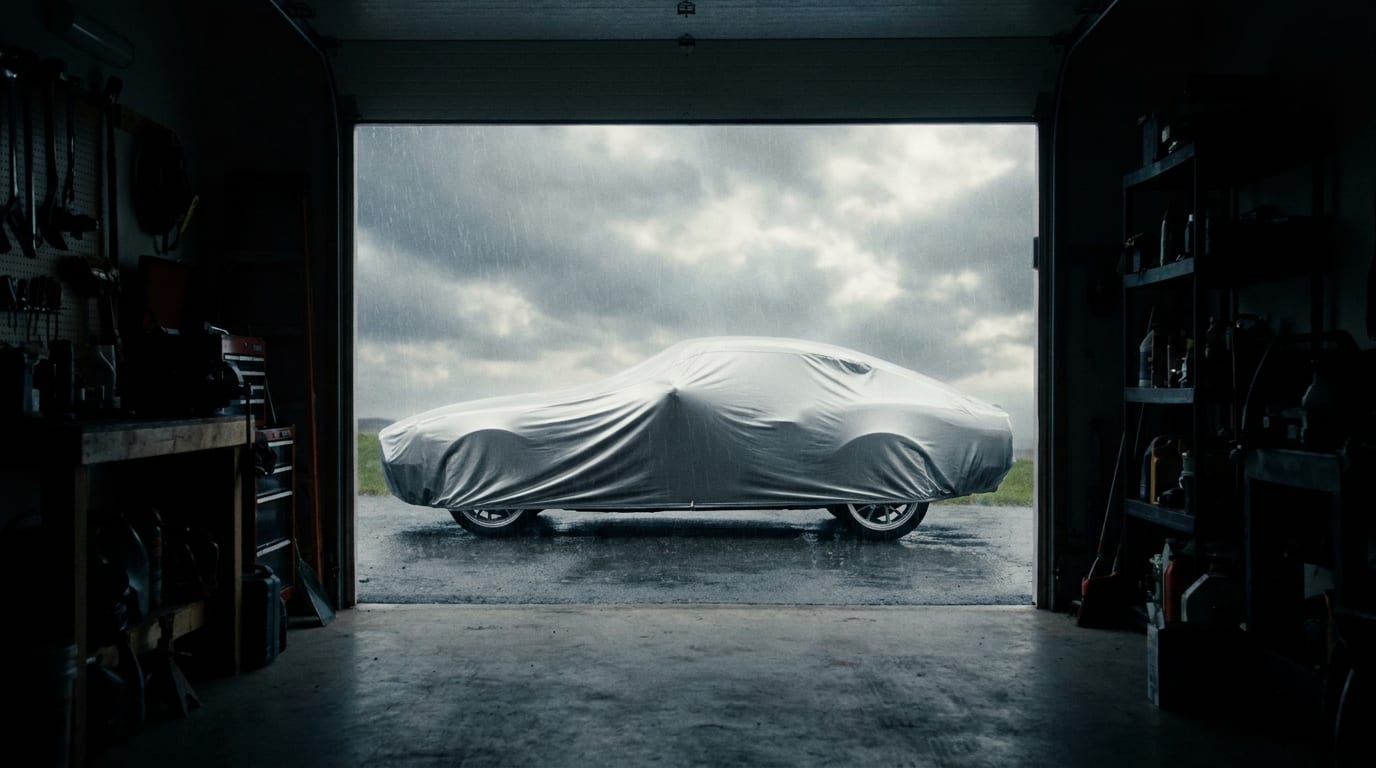
A waterproof cover isn't a one-time purchase and done. The coating that keeps rain out needs basic upkeep, or it degrades faster than it should.
The routine is simple: rinse off grit regularly, and let the cover air dry fully before folding it up or tossing it in storage. Folding a damp cover away is basically asking for mildew.
Washing method matters more than people think, too. Harsh detergents, bleach, or a trip through the washing machine can strip the water-repellent finish right off the fabric, which means your "waterproof" cover slowly becomes a water-resistant one without you noticing until it's raining and it's too late. Hand washing with the right products preserves that coating a lot longer. The step-by-step cleaning guide walks through the full process if you want to do it right, and the cover care guide covers the day-to-day maintenance side of things.
Worth checking before you even buy: what the warranty actually covers. Rain-climate wear, fading, seam stress, is exactly the kind of use a lifetime warranty is meant to back up, so it's worth a look before you commit to one cover over another.
Find the Right Waterproof Cover for Your Vehicle
If you only take one thing from this: go multi-layer waterproof and breathable if your car sits outside through regular rain, stick with water-resistant only if your climate is mild or occasional, and skip cotton or vinyl entirely once rain becomes a regular part of your weather pattern.
Worth browsing the full range of car covers by vehicle type to find a custom-fit waterproof option built for your specific make and model. And if you're not sure which size or fit matches your car, running it through the cover finder tool takes the guesswork out of it in about thirty seconds. Stick around the blog too, there's more on seasonal car care if you want to keep your vehicle protected year-round, not just when the forecast calls for rain.