
What's the Best Car Cover for a Sedan in a City with Street Parking?
Published
The Quick Answer
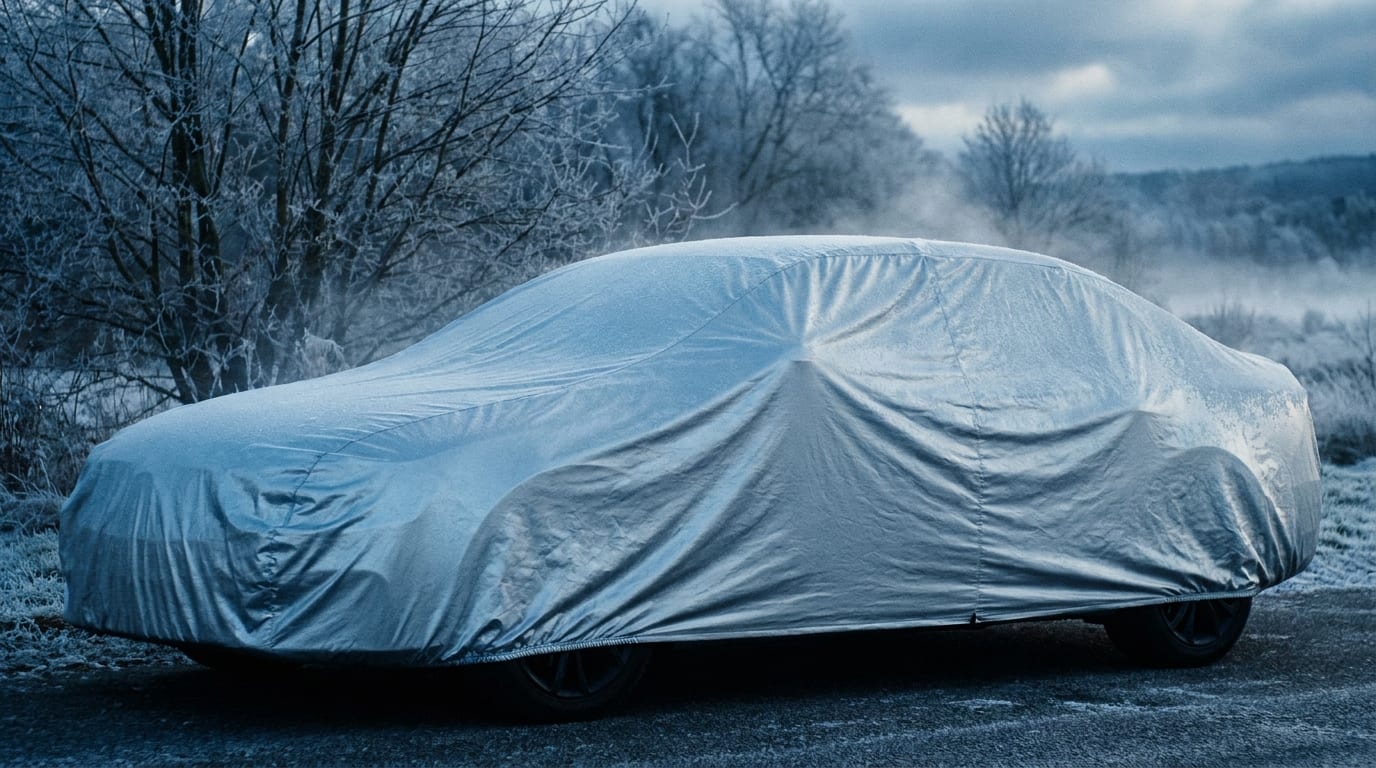
If you park on the street every night, the best car cover for a sedan in a city with lots of street parking is a heavy-duty, multi-layer waterproof outdoor cover with reinforced grommets and a cable-lock point, built in a custom fit for your exact model rather than a generic universal one. That combination handles the wind kicked up by passing traffic, keeps road grime out from under the edges, and gives you a real deterrent against anyone trying to mess with your mirrors or get at your car overnight.
For daily street parking, that generally means stepping up to a Deluxe or Platinum-level outdoor cover. A Basic cover can work fine in a mild, low-traffic climate where the car barely sees rain or sun, but that's not most street parking situations. Here's how the tiers stack up:
| Tier | Waterproofing | UV Protection | Security Features | Best For |
|---|---|---|---|---|
| Basic | Light rain resistance | Basic UV protection | Simple grommets | Mild climate, occasional use |
| Deluxe | Heavier rain and snow resistance | Strong UV protection | Grommets, cable-lock compatible | Typical city street parking, year-round |
| Platinum | Full all-weather, hail-adjacent durability | Maximum UV protection | Integrated lock pocket plus reinforced grommets | Harsh climates, long-term outdoor street parking |
And custom-fit wins over universal here, flat out. A model-specific cover drapes tight against your sedan's actual lines, so there's less flapping in the wind, less snagging on side mirrors and antennas, and a faster on/off routine when you're doing this every single day on a sidewalk instead of in a quiet garage.
Why Street Parking Is Harder on a Car Cover Than a Driveway or Garage
A driveway is a controlled environment. A curb on a city street is not.
Cars parked near traffic corridors pick up exhaust soot, road salt, tree sap, and bird droppings faster than anything sitting in a driveway ever will. You're closer to the exhaust pipes of every bus and delivery truck that rolls by, and that grime settles into any gap your cover leaves open.
Then there's the wind. Passing vehicles push air sideways across your car in a way a driveway never does, and splash-back from rain or slush adds another layer of punishment. A loose universal cover flaps under that kind of pressure, working its edges loose hour after hour until it's half off by morning. A custom-fit cover, cinched to the actual shape of your sedan, just doesn't move the same way.
Street parking also means more exposure to people. Theft, keying, mirror snapping, antenna snapping, all of it happens more on a public street than in a locked garage. A cover that fully conceals the car and locks down with a cable at a reinforced grommet does double duty: it hides the car from opportunists, and it makes tampering obviously harder than just walking up and testing a door handle.
And then there's just proximity. Car doors, bike handlebars, pedestrians with backpacks, all brushing past your car at curb height. A thin cover tears under that kind of contact. A stiff, cheap one can actually scuff paint if it's shifting around while someone bumps it. Neither is what you want for a car you're relying on every day.
Must-Have Features for a Street-Parked Sedan Cover

A handful of features separate a cover that survives city street parking from one that falls apart on week two.
Start with the fabric. You want multi-layer waterproof material, not just water-resistant. Water-resistant covers hold up fine in a light drizzle, but overnight rain or melting snow will soak through and sit trapped against the paint, which is worse than no cover at all. True waterproof fabric that still breathes keeps moisture out without cooking condensation underneath.
Next, UV protection. Street-parked sedans rarely get the shade a garage or carport offers, so they sit in direct sun for hours most days. A cover without real UV-rated material will fade and crack faster than you'd expect, and it stops protecting your paint the moment that happens.
Security is non-negotiable for this use case specifically. Look for built-in grommets paired with a cable lock, or an integrated lock pocket. This is the single feature that separates a cover meant for garage storage from one actually built for public parking.
Soft fleece or felt lining at contact points, mirror pockets and the roofline especially, matters more here too, since you're installing and removing this cover daily and that repeated handling is exactly what causes scratching over time.
Fit matters as much as fabric. A snug, model-specific custom fit stops wind flap and keeps grime from working under the edges, which is the whole battle with street parking.
One small bonus worth mentioning: reflective trim or piping. On a narrow city street at night, a sedan under a plain gray cover is nearly invisible to other drivers. Reflective accents help with that, and it's a nice extra on top of the practical stuff.
Comparing Cover Tiers for City Street Parking
Breaking the tiers down by what actually matters for a street-parked car:
| Tier | Weatherproofing | Security | Fabric Durability | Best-Fit Scenario |
|---|---|---|---|---|
| Basic | Light rain, UV only | None or basic grommets | Lighter-weight fabric | Mild climate, occasional use |
| Deluxe | Heavier rain and snow resistance | Grommets with cable-lock compatibility | Mid-weight, multi-layer | Typical city street parking, year-round |
| Platinum | Full all-weather, hail-adjacent durability | Integrated lock pocket plus reinforced grommets | Heaviest-duty multi-layer with reinforced seams | Harsh climate or long-term outdoor street parking |
Basic covers aren't bad products, they're just built for a different job: occasional use, mild weather, someone who tosses a cover on for a weekend trip. Daily street parking in a real city, with real traffic and real weather, asks more of a cover than that tier is designed to give.
Deluxe is where most street-parked sedan owners land, and for good reason. It handles rain, snow, and daily on/off wear without the price jump of the top tier. Platinum earns its keep in harsher climates, think heavy snow regions or areas with serious UV exposure, or for anyone leaving the car on the street for extended stretches without daily access to bring it indoors.
Custom-Fit vs. Universal Fit for City Sedans
Universal covers get sold on convenience: one size, grab it, go. For a garage-stored car that rarely moves, that's a reasonable shortcut. For a street-parked sedan, it's a compromise that shows up fast.
A model-specific custom fit drapes correctly the first time, every time, which matters a lot when you're installing and removing the thing daily on a public sidewalk. You're not wrestling with extra fabric pooling at the bumper or fighting a loose section near the mirrors while people walk past.
Universal covers can work as a budget stopgap. But they tend to loosen over time from the wind generated by passing traffic, and that loosening means more wear at the seams and a less secure lock-down overnight, exactly when security matters most.
Before buying, run your sedan's dimensions through a vehicle sizing tool or use a cover finder built around your exact model. Even a small size mismatch, an inch or two off at the mirrors or trunk, shows up fast under daily street-parking wear. Custom-fit covers also handle sedan-specific features like antennas without needing a separate patch kit, which universal covers often require as an afterthought.
Daily-Use and Security Tips for Street-Parked Sedans
Getting the cover on and off without a hassle is half the battle. Start at the windshield, work the cover back toward the trunk, and keep it clear of curbs, parking meters, and your own side mirrors as you go. Rushing this step is how covers snag and tear.
Use the cable lock properly: thread it through the reinforced grommets near the wheels, not just through the fabric loop, and lock it around something solid like the wheel itself. This is covered in detail in a guide to cable-lock installation, and it's worth the five extra minutes if theft or tampering is a real concern on your block.
If you're only covering the car at night or during work hours, a compact storage bag or a pouch stashed in the trunk makes the daily routine painless. No fumbling for where you left it.
On material: street-parked sedans need a tougher, higher-grade fabric than cars tucked away in a garage, full stop. The full installation walkthrough covers technique, but no technique fixes a cover that's the wrong grade for the job.
Street-parked covers also need washing more often, since they're catching soot and grime a garage-stored cover never sees. A step-by-step cleaning guide walks through the process, but the short version: shake off loose debris, hand wash with a mild soap made for cover fabric, rinse thoroughly, and air dry flat before folding it away. Monthly is a reasonable cadence if your street sees heavy traffic.
Bottom Line and Next Step
For a sedan parked on the street, the best car cover for a sedan in a city with lots of street parking is a custom-fit, waterproof, Deluxe or Platinum-tier outdoor cover with lock-ready grommets. Anything less and you're trading away either weather protection or security, and street parking doesn't give you much margin on either.
Given how much daily wear a street-parked cover takes on, it's worth checking that whatever you buy comes backed by a real warranty, since that heavier use is exactly when manufacturing defects or premature wear show up.
If you're ready to look at options, browse car covers built for outdoor use, or run your sedan through a fit tool to land on the exact model match. Either way, it's a small step that saves your paint a lot of grief.






