


Why Does My Car Cover Keep Fading? Causes and Fixes
Sun bleaches paint, fabric, and yes, your car cover. If you've noticed the color going chalky or patchy after a season outdoors, you're not imagining it. Why does my car cover keep fading? Mostly it comes down to repeated UV exposure breaking down dye and fabric fibers, made worse by thin or low-grade material, harsh detergents, and long stretches parked in direct sun.
Fading itself is usually cosmetic. Your cover still does its job for a while after the color starts going. But here's the catch: the same UV rays eating away at the dye are also degrading the fabric's protective coating underneath. So a faded cover is often a warning sign, not just an eyesore. Below, we'll walk through the specific causes, UV exposure, material quality, washing habits, and color choice, and what you can actually do about each one.
Does UV Exposure Cause Car Cover Fading?
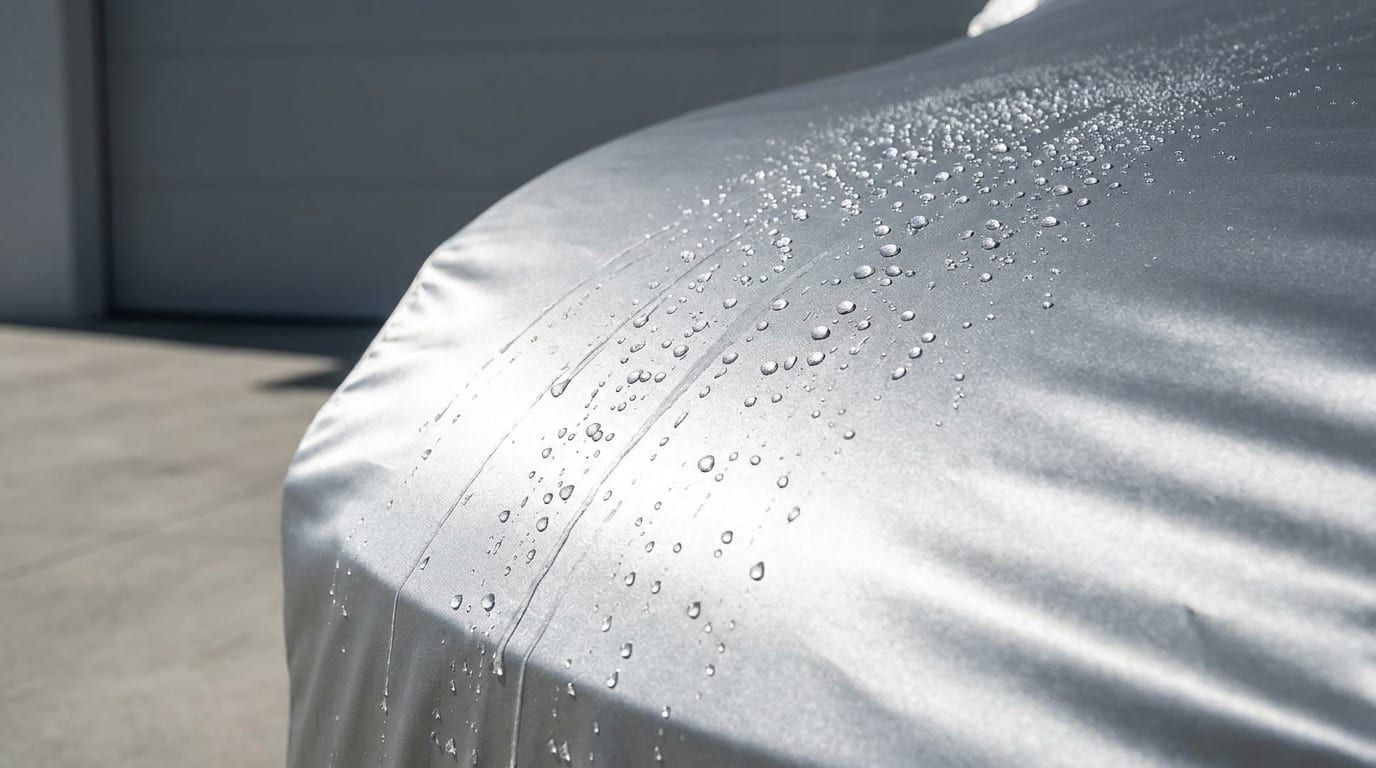
Short answer: yes, and it's the biggest factor by far. UV radiation breaks down dye molecules at a chemical level, which is why colors dull and shift over time. It also attacks the polymer chains in synthetic fibers like polyester and polypropylene, making the fabric brittle even before you notice a color change.
A cover that lives outside year-round, on a car parked in the same spot every day, is going to fade faster than one used seasonally or moved between sun and shade. Consistency is what does the damage. An hour of sun here and there is nothing compared to eight hours a day, every day, for months.
You'll usually see it first on the roof and hood, the panels facing the sun most directly. If your cover looks noticeably lighter up top but still holds its original color along the sides or rear, that's UV breakdown, not general wear. For more on managing this kind of exposure, our guide to using a car cover outdoors covers wind, water, and sun protection together, since they tend to hit a cover at the same time.
Can the Wrong Cover Material Cause Faster Fading?
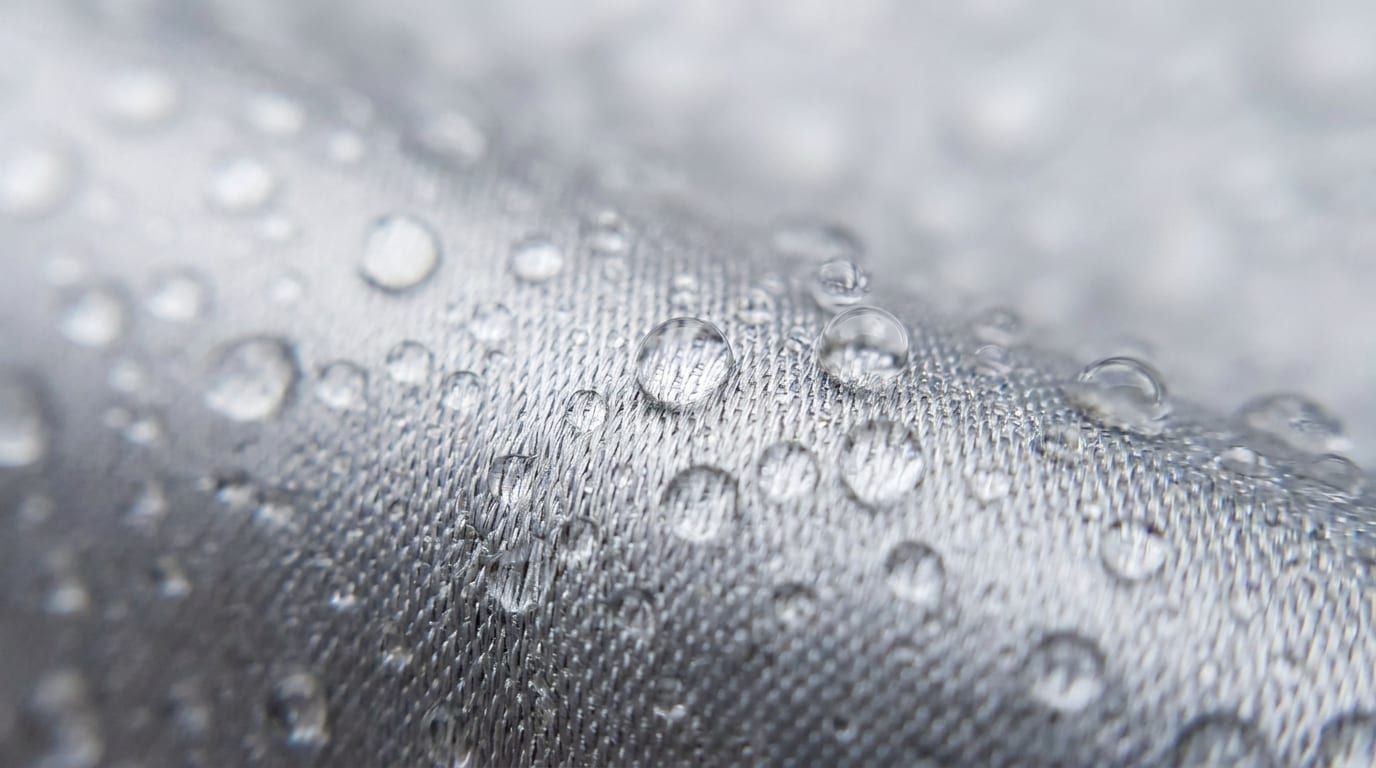
Not all fabric is built for the same job, and this is where a lot of fading complaints actually start. Budget single-layer fabrics often skip UV inhibitors entirely, or use just enough to pass a spec sheet. They fade fast because there's nothing in the weave actually fighting the sun. Multi-layer or UV-treated fabrics, on the other hand, are engineered specifically for long-term outdoor exposure, with stabilizers built into the fibers rather than just sprayed on top.
Weave density matters too. A tightly woven fabric blocks more UV from penetrating to the dye layer underneath, while a loose weave lets more light through with every use. If you want the deeper breakdown of which fabrics hold up and which don't, our car cover material guide walks through the differences panel by panel.
One mistake we see a lot: using an indoor car cover outside. Indoor covers are built for dust and light scratches, not sun. They skip UV treatment because they're not designed to need it, so if yours is living outdoors, that's likely accelerating the fade regardless of how well you maintain it otherwise.
Does Improper Washing Make Fading Worse?
Washing habits quietly wreck a lot of covers. The usual suspects: harsh detergents, bleach, high-heat drying, and tossing the cover into a washing machine on a heavy-duty cycle like it's a bedsheet. None of that is necessary, and all of it strips away the coatings and dyes faster than sun exposure alone would.
Here's the thing, that protective coating is thin by design, so it doesn't take much to wear it down. Bleach in particular breaks down dye almost instantly. High heat from a dryer can warp the fibers and bake in fading that wasn't even there before you washed it.
Stick with mild soap, cold water, and air drying. It's not glamorous advice, but it's the difference between a cover that looks decent after two years and one that looks trashed after six months. For the full process, our cover care and cleaning guide breaks it down step by step, including what to avoid and how often to actually wash it.
Does Cover Color Affect How Fast It Fades?
Darker colors, black, navy, deep red, absorb more UV energy and heat than lighter ones. That absorbed energy is exactly what accelerates dye breakdown, so a black cover will typically show visible fading sooner than a silver or tan one under the same conditions.
Lighter and reflective covers also help regulate heat buildup underneath the fabric, which matters more than people think. Less heat trapped against the paint means less thermal stress on the material itself, not just the color. It's a small compounding effect, but over a couple of summers it adds up.
This isn't a reason to abandon a color you like. It's a trade-off. If you love how a black cover looks on your car, that's a fair call, just know you're accepting faster visible fading in exchange for the aesthetic.
How Can I Prevent My Car Cover From Fading?
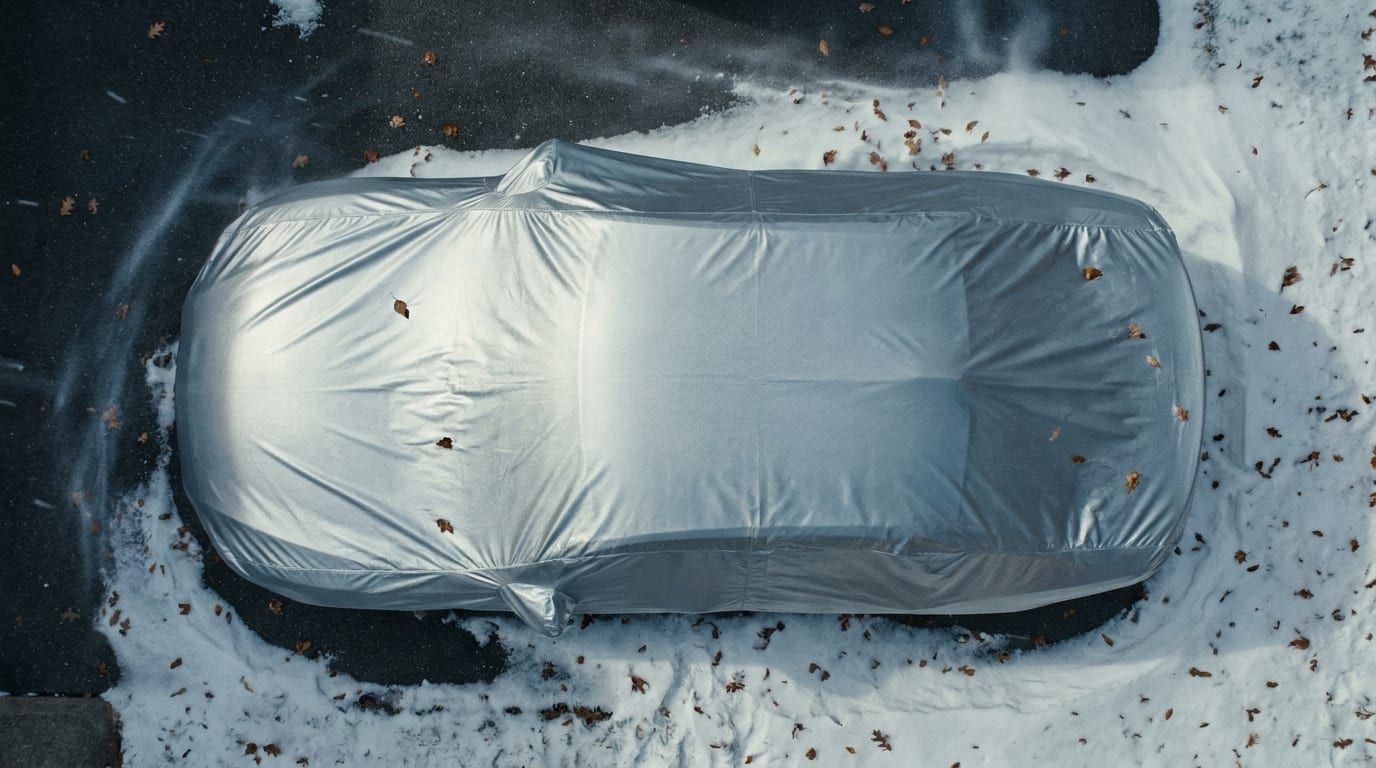
Start with the cover itself. If your vehicle sits outside, you need a cover actually rated for outdoor UV exposure, not an indoor-only fabric pressed into a job it wasn't built for. This one decision affects everything else on this list.
Beyond that, shade still beats any fabric. If you've got a garage, carport, or even a shaded corner of the driveway, use it, cover or no cover. If the car isn't being driven daily, consider pulling the cover during peak midday sun and putting it back on later. It sounds like extra work, but it meaningfully cuts down cumulative UV hours.
And keep circling back to washing habits. Mild soap, cold water, no bleach. It's the cheapest, easiest lever you have, and it's the one most people skip because it feels unnecessary until the fabric already looks tired.
If you're shopping for a replacement and want something built specifically for your vehicle's dimensions rather than a generic fit, a custom-fit car cover also seals more tightly against the body, which cuts down on the flapping and rubbing that speeds up wear in general.
When Should I Replace a Faded Car Cover?
Fading alone isn't a reason to toss a cover. Color loss is cosmetic until it isn't. What actually signals it's time to replace is fading paired with something structural, thinning fabric, water soaking through instead of beading off, torn seams, or a stretched-out fit that no longer hugs the body.
A quick test: pour a small amount of water on the surface. If it beads up and rolls off, the weatherproof coating is still doing its job. If it soaks in, that coating is gone, and the cover is basically just fabric at that point, no matter how it looks.
Worth checking, too, if your cover is failing well before you'd expect it to. A cover under a lifetime warranty may qualify for replacement if it's degrading prematurely rather than from years of normal use. Worth a look before you buy a new one out of pocket.
Choosing a Fade-Resistant Cover Going Forward
Fading isn't one problem, it's four working together: UV exposure doing the chemical damage, thin or untreated material giving it less resistance, harsh washing stripping away what protection was there, and darker colors soaking up more punishment than lighter ones. Address one and you'll slow things down. Address all four and you'll actually get years out of a cover instead of months.
The real fix is matching the cover to how you actually store the vehicle, not to what looked good on the shelf. Parked outside daily in a sunny climate is a different situation than a garage-kept car that only sees a cover during road trips, and the right fabric for one is often the wrong fabric for the other.
If you're due for a change, it's worth browsing outdoor-rated cover options built for sun and weather before the current one gives out completely, and while you're at it, our car care hub has more guides worth bookmarking for keeping the rest of the vehicle in shape too.
Frequently Asked Questions
Why does my car cover keep fading faster than expected?
It's almost always a combination of UV exposure and material quality. If the fabric wasn't treated with UV inhibitors, or it's thin single-layer material, it won't hold color nearly as long as a multi-layer outdoor fabric under the same sun.
Is a faded car cover still doing its job?
Sometimes, but not always. Check whether water still beads on the surface. If it soaks in instead, the protective coating is gone along with the color, and the cover isn't doing much anymore.
Does washing my car cover cause fading?
It can, especially with bleach, harsh detergents, or high-heat drying. These strip dye and coatings faster than normal sun exposure. Mild soap and cold water go a long way toward preserving color.
Updated