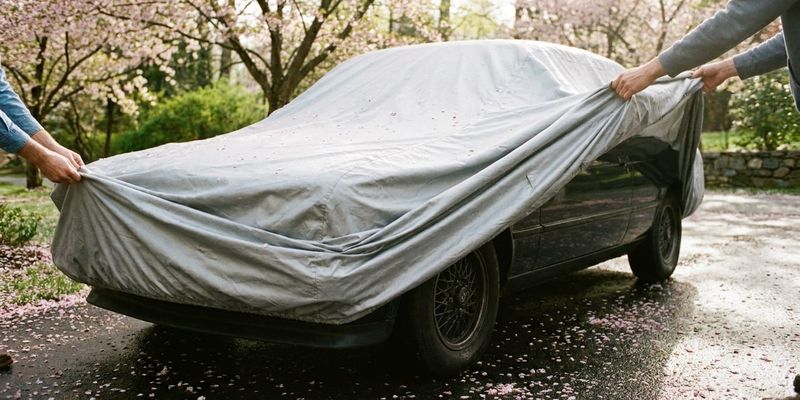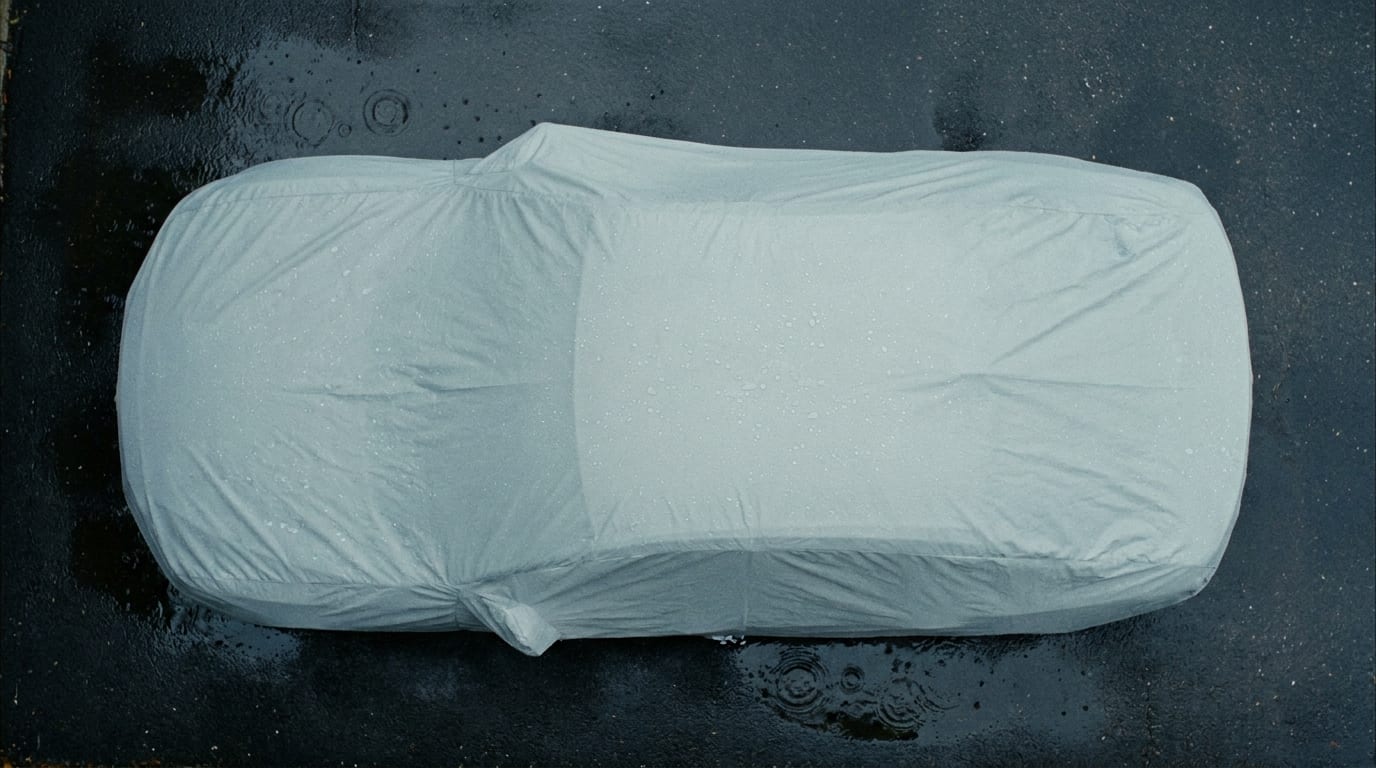
Search "affordable car cover for Dodge Charger" and you'll get a wall of options that all claim to be the cheapest, the best, the only one you'll ever need. Most of that is noise. The real problem isn't finding a cheap cover, it's finding one that's actually worth the money, because a lot of Charger owners buy the $25 special, watch it shred after two months of wind and sun, then buy a second cover anyway. That's not budget shopping. That's paying twice.
This guide walks through realistic price ranges for a Dodge-specific cover, what actually pushes the cost up, and the minimum features you shouldn't skip even when you're trying to spend as little as possible. Affordable and protective aren't opposites here. You just have to know what you're looking at before you click buy.
Why Charger Owners Don't Have to Overpay for Protection
Here's the trap: "cheap" and "affordable" get used interchangeably, but they're not the same thing. A cheap cover is priced low because corners got cut somewhere, usually the fabric. An affordable car cover for a Dodge Charger is priced reasonably because it's built to do the job without the extras that drive up premium pricing. Different goals entirely.
The Charger's a big car with a lot of painted surface area to protect, and it's often parked outside at least part of the time. That combination means the thinnest universal covers on the market just don't hold up. This guide isn't trying to talk you into spending more than you planned. It's trying to help you spend your budget on the right things instead of the wrong ones.
What Actually Drives Car Cover Prices Up (and Where You Can Save)
A few things separate a $35 cover from a $150 one: fabric layers and denier count, UV-resistant coatings, whether the cover is cut for your exact car or just "fits most sedans," and whatever accessories get tossed in the box.
Multi-layer fabrics cost more to produce and they're the reason a cover can handle sun, rain, and road grime without breaking down in a season. Waterproof car covers built with tighter weaves and sealed seams run higher than single-layer options, and that price difference is mostly honest. Same with custom-fit covers versus universal ones. Tailoring a cover to the Charger's body lines takes more material planning than cutting a generic rectangle, so you pay for that precision.
Where can you actually save? Skip the cable lock if your Charger sleeps in a locked garage. Skip the bundled mirror pockets if you're not worried about wind catching under them. What you shouldn't cut is fabric quality or seam construction, because those two things determine whether the cover survives its first real storm.
If the car never sees rain or sun, an indoor-only cover is going to be lighter and cheaper, and that's fine. If it's outside year-round, you're paying for weather resistance no matter what, so don't fight that cost.
The Minimum Quality Bar: What Not to Skip Even on a Budget

Even on the tightest budget, a few things are non-negotiable. Water resistance is one. You don't need a fully waterproof cover if the Charger's in a carport most nights, but some resistance to moisture matters everywhere, because dew alone can sit on an unprotected hood and start staining clear coat over time.
UV protection matters just as much. The Charger's clear coat fades under direct sun exposure faster than most owners expect, and a cover with zero UV rating is basically just a dust sheet. Pair that with a soft inner lining, since a rough-backed fabric rubbing against your paint every time the wind shifts will leave swirl marks you'll notice eventually, even if you don't see it happening day to day.
Elastic hems or a basic strap system aren't luxury features here, they're what keeps a budget cover from becoming a kite in a parking lot. Watch for covers that say nothing about breathability, too. A cover that traps moisture against the paint can do more damage than no cover at all, which defeats the entire purpose of buying one.
My gut-check rule: if a listing doesn't mention fabric weight, UV rating, or fit type anywhere in the description, that's a red flag. Sellers who've actually engineered a decent product tend to talk about it. Vague listings usually mean there's nothing specific worth mentioning.
Budget Price Tiers for a Dodge Charger Cover
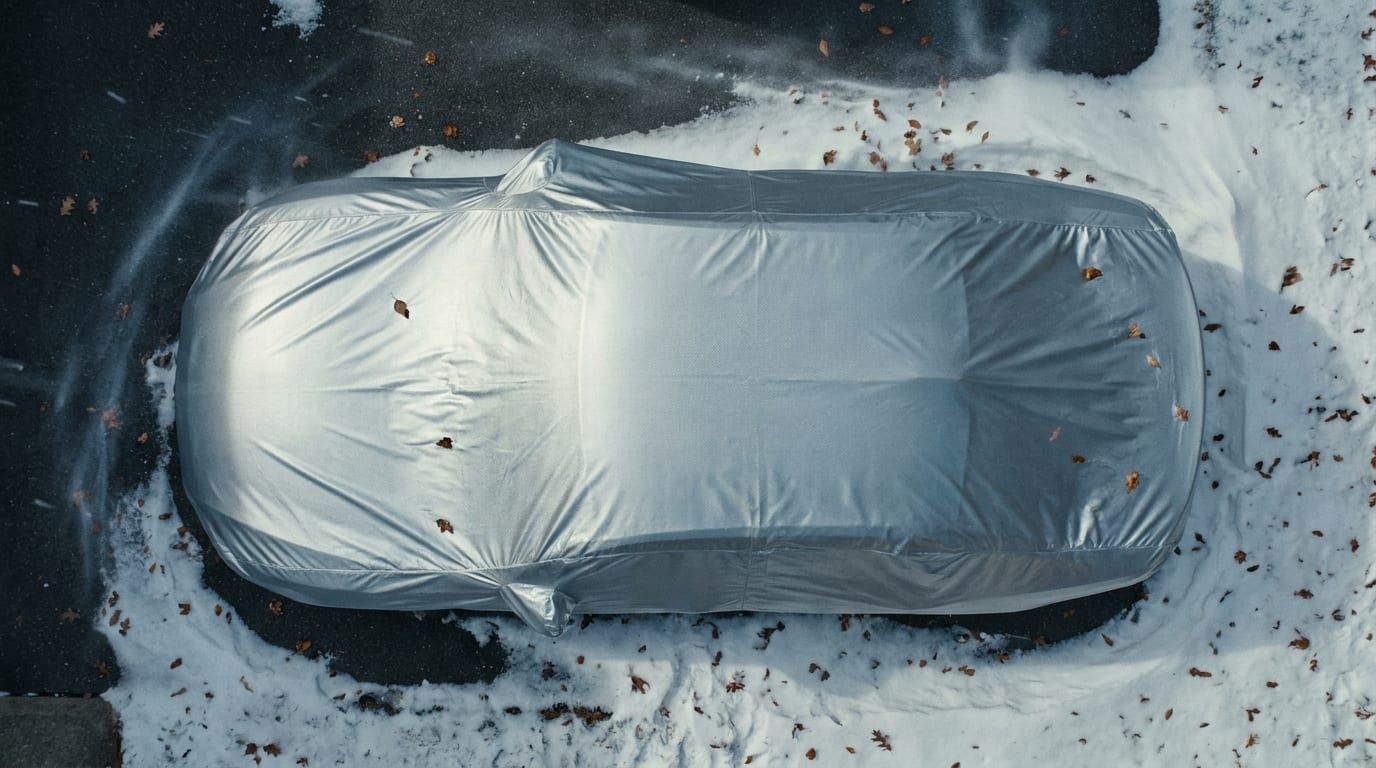
Pricing on car covers for the Charger generally breaks into three bands. Here's roughly what you get at each one.
| Price Tier | Typical Range | Best For |
|---|---|---|
| Entry | $30 to $60 | Short-term indoor storage, occasional dust protection |
| Mid | $60 to $120 | Regular outdoor use in moderate climates |
| Upper-budget | $120 to $180 | Daily outdoor exposure, more extreme weather |
Entry tier covers are fine if your Charger's mostly indoors and you just want something to keep dust off between drives. They're lightweight, usually universal-fit, and not built for repeated outdoor exposure.
Mid tier is where things get real for most owners. Semi-custom or true custom-fit options start showing up here, along with better UV and water resistance. If your Charger spends regular time outside, even just overnight, this is probably your floor, not your ceiling.
Upper-budget tier covers use heavier multi-layer fabric that holds up to daily sun, rain, and wind without needing replacement every year. Still well under what you'd pay for a premium or show-car cover, but noticeably tougher than anything in the entry tier. Browse the full range of car covers to see how fabric and price scale together, or use a cover finder to narrow things down by your specific Charger year and trim.
Bottom line on tiers: if the car lives outside at all, "affordable" realistically means mid-tier. Entry-tier pricing sounds great until the cover's falling apart by month three.
Universal vs. Semi-Custom vs. Custom-Fit: Which Stretches Your Budget Furthest
Universal fit is the cheapest option on the shelf, and it's also the one most likely to disappoint you. Excess material flaps around in wind, and that flapping fabric rubbing against the paint over months is exactly how a budget cover starts causing the damage it was supposed to prevent.
Semi-custom splits the difference. These are shaped more specifically for sedan and muscle-car body styles, so there's less loose fabric than a true universal cover, at a price that's still below full custom-fit.
Custom-fit costs more up front, no way around that. But it reduces wind damage and wasted material, and if you're keeping the Charger more than a couple of years, it often works out cheaper per year of actual protection than replacing a flapping universal cover twice. Before buying anything, check a sizing guide so you're matching the cover to your Charger's specific trim and body length. Chargers vary enough year to year that guessing on size is a common and avoidable mistake.
How to Get the Best Deal Without Sacrificing Protection
A few practical moves can shrink the real cost of a budget cover without touching quality. Free shipping offers matter more than they sound like they should, since shipping on a bulky item can add real money to the total.
Check the return policy before you buy, not after. Fit issues happen, and you don't want a wrong-size purchase turning into a sunk cost sitting in your trunk.
A warranty is also a useful signal, even on a budget cover. If a seller backs their product with a lifetime warranty, that tells you something about how long they expect the thing to actually last. Sellers don't warranty products they expect to fail in a season.
And if you know you'll want straps or a basic accessory down the line, buy it bundled with the cover up front. It's almost always cheaper than adding it on later as a separate purchase.
Making a Budget Cover Last Longer

Installation matters more than people think. A loosely fitted cover is the single fastest way to kill a budget cover, because wind gets underneath it, and that constant flapping abrades the fabric from the inside out. Taking an extra minute to secure it properly pays off over months, not days.
Regular cleaning helps too. Dirt and grit sitting on a lower-denier fabric act like sandpaper every time wind moves the cover against itself, so keeping it clean using methods that are actually safe for the fabric slows that wear down considerably.
If you've got the option, rotate storage: garage during bad weather, cover outdoors when it's mild. That alone can stretch a budget cover's usable life well past what it'd manage sitting outside full time. Worth factoring in alongside other ownership costs too, the same way you'd budget for Charger maintenance generally.
Bottom Line: Protecting Your Charger on a Budget
The minimum bar doesn't move just because your budget's tight: some water resistance, real UV protection, a soft inner lining, and a fit that's snug enough to stay put in wind. Skip any of those and you're not saving money, you're just delaying the cost of a replacement.
For most Charger owners who park outside even occasionally, mid-tier pricing is the realistic sweet spot. That's where fabric quality and price actually line up.
If you're still narrowing things down, it's worth browsing Dodge-specific cover options and running your Charger's measurements through a fit guide before you commit to anything. A few extra minutes there saves a lot of hassle later.