
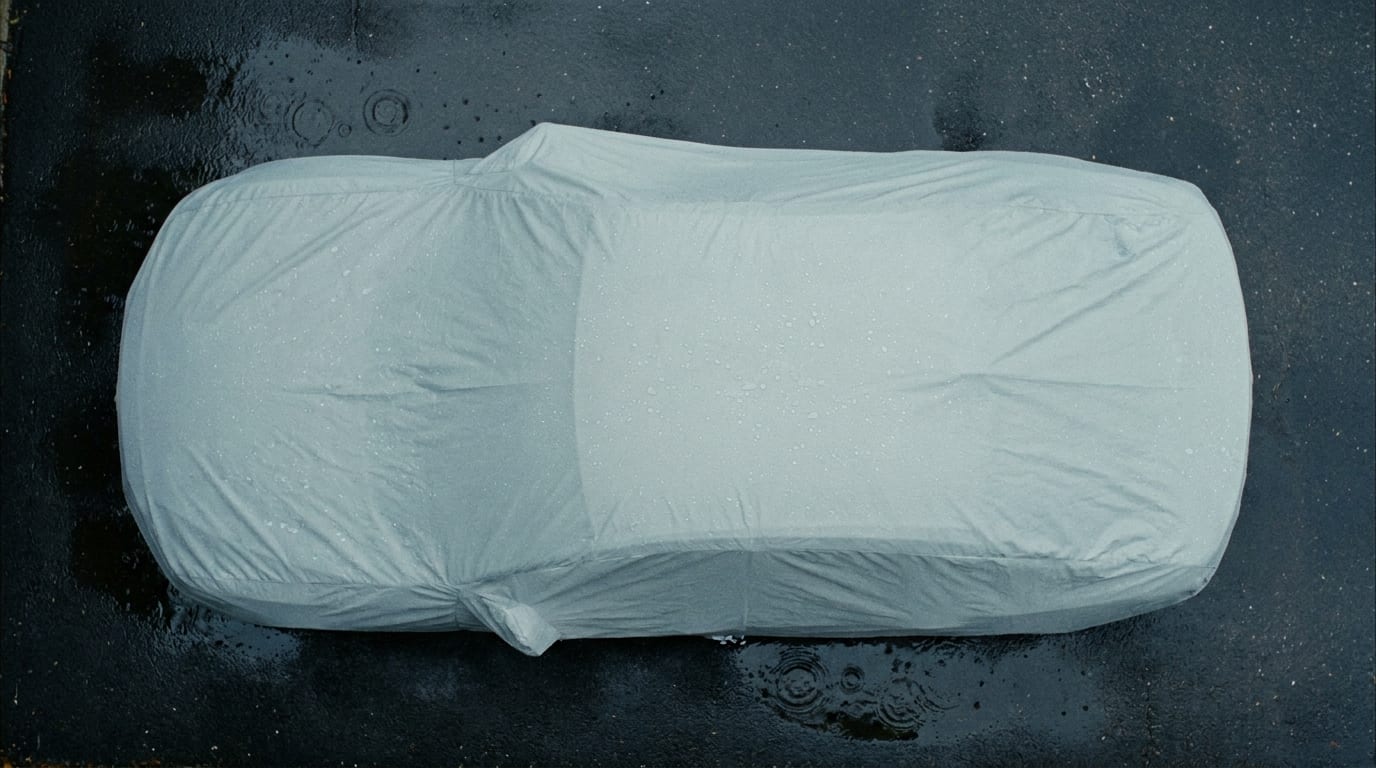
Shopping for an affordable car cover for Nissan Altima usually starts with one question: how cheap is too cheap? There's a real answer. Altima sedans are compact enough that you don't need to spend big to get solid protection, but "affordable" still has a floor. Go below it and you're just buying a cover you'll replace twice before winter. This guide walks through what to expect, price-wise, and how to buy smart instead of just buying cheap.
What 'Affordable' Really Means for an Altima Cover
Basic universal-fit covers sit at the bottom of the price range. They're cut for a generic sedan silhouette, not the Altima specifically, and the price reflects that. Semi-custom covers cost more, sized to a vehicle class like mid-size sedan, and fit noticeably better. True custom-fit covers for the Altima sit at the top, built to the car's actual length, width, and body lines.
Here's the good news: because the Altima is a sedan and not a three-row SUV or a full-size truck, it needs less fabric, less elastic, and less overall material to cover properly. That alone puts Altima owners in a better spot than someone shopping for a Suburban cover. You're working with a smaller budget range across every tier.
This guide's promise is simple: show you how to spend less without ending up with a cover that's cracked, faded, or flapping itself apart by next summer. But don't confuse cheap with affordable. Cheap means lowest price, full stop. Affordable means the best cover you can get for a reasonable price, one that still clears a minimum quality bar. That distinction is the whole point of this guide.
The Minimum Quality Bar: What You Should Never Cut on Price
Even on a tight budget, a few things aren't optional. UV-resistant fabric is first on the list. Skip it, and the cover will crack and fade within a single season of sun exposure, no matter how little you paid. That's not a maybe. It's just what unprotected fabric does under UV. Buying a cheap cover with no UV treatment isn't saving money, it's prepaying for a replacement in six months.
Second: an elastic or strapped hem. Without one, wind gets under the cover and flaps it around, which chafes the paint and eventually tears the fabric at the seams. Third: a breathable, non-scratch inner layer, so moisture doesn't get trapped against the paint and the fabric doesn't grind dust into your clear coat every time the wind moves it.
Before you buy, do the in-hand test if you can, or at least scrutinize product photos. Check the stitching. Loose, uneven seams are the first thing to fail. Tight, double-stitched seams are a quick visual signal that a budget cover was actually made to last, not just made to ship.
Small details matter more than people expect, too. Mirror pockets keep the cover snug around your side mirrors instead of pulling at the fabric every time the wind blows. Antenna cutouts matter for the same reason: a cover that doesn't account for your antenna will either rip or leave a gap right where water gets in. If you already own a cover that's missing this, the antenna patch accessory fixes that gap without needing to replace the whole cover.
Comparing Price Tiers: Universal, Semi-Custom, and Custom-Fit Altima Covers
Universal covers are the cheapest option upfront, and that's really their only advantage. They're cut loose to fit "most sedans," which in practice means they fit none of them well. Loose fabric catches wind, flaps against the paint, and pools water in the sagging spots instead of shedding it.
Semi-custom covers split the difference. They're sized by vehicle class (sedan, mid-size, and so on), so the fit is noticeably tighter than universal without being tailored to the Altima's exact dimensions. For a lot of owners, this tier is the sweet spot between price and performance.
Custom-fit covers built specifically for the Altima cost more upfront. But the fit eliminates most of the wind flap and pooling problems that cause universal covers to fail early, which means you're not replacing it every year. Over two or three years, a custom-fit cover often works out cheaper per year of use than a universal one you keep rebuying.
So which tier is actually worth it? Ask three questions. How often does the car sit outside unprotected? How long do you plan to keep it? And what's the climate like where you park? A car that's garaged most nights and only sees the cover occasionally can get away with a cheaper tier. A car parked outside daily, in sun or near the coast, earns out a better cover fast. If you're on the fence, the custom-fit car covers guide breaks down the upgrade case in more detail.
Where Climate Changes the Math

If you're in a mild climate and your Altima spends most of its time in a garage or carport, you can buy lighter and cheaper without much risk. The cover isn't fighting constant sun, rain, or humidity, so a basic fabric holds up fine.
That changes fast in harsh conditions. Intense sun, coastal humidity, or snow and hail all put more stress on a cover, and that means budgeting slightly higher even within the "affordable" tier, specifically for UV-rated and waterproofed material. A cover that's merely water-resistant isn't the same as one that's actually waterproof, and in a wet climate that difference shows up the first week. The outdoor car covers and waterproof car covers guides are worth a read if you're trying to figure out how much weather protection you genuinely need versus what you're tempted to skip to save a few dollars.
One trap to watch for: buying an indoor-only cover because it's cheaper, then using it on an Altima that's parked outside every day. Indoor covers are built for dust and light scratches, not UV or rain. That's not a budget win, it's a cover that fails in week one.
Getting the Size Right So You Don't Waste Money
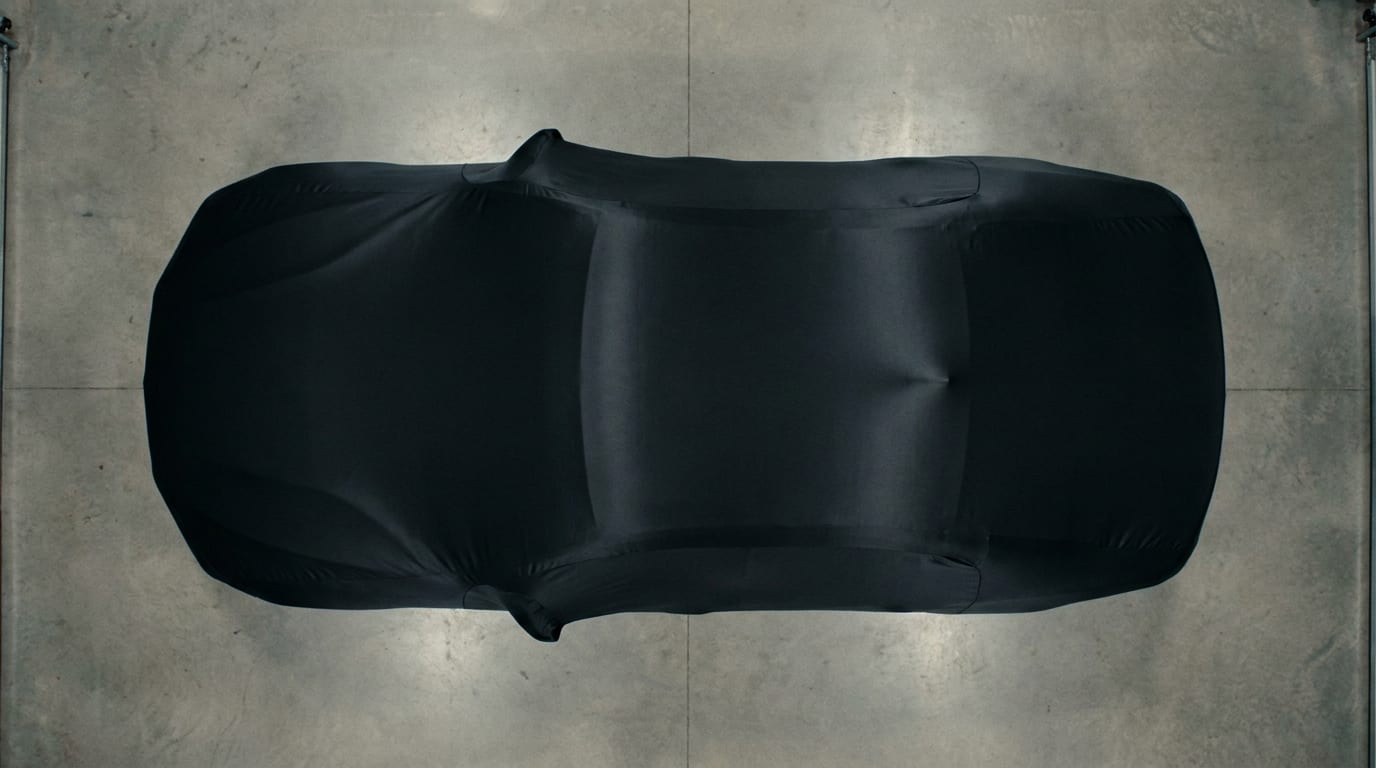
Fit is where most budget buyers lose money without realizing it. An ill-fitting cover, whether too loose or too tight, is the single biggest reason people end up buying a second cover within a year. The first one either flaps itself apart or never seals properly against water and dust.
Altima generations aren't all the same length and width. A cover sized for a 2015 Altima may not sit right on a 2022 model, even within the same "universal sedan" listing. Matching your model year matters even when you're not springing for a fully custom cover. Check the sizing guide and run your Altima through the coverfinder tool before you check out, not after.
Here's the part that surprises people: a correctly sized budget cover will outperform an oversized "premium" one in actual wind and rain conditions. Fit beats fabric grade when the fit is bad enough. Don't let a higher price tag talk you out of checking the size first.
Cheap Alternatives to Avoid (And Why They Cost More Long-Term)
It's tempting to grab a tarp instead, especially if you've already got one in the garage. Don't. Tarps trap moisture against the paint, lack any breathable layer, and their rough underside scuffs the clear coat every time wind moves it against the body. The tarp vs. car cover comparison covers this in more detail, but the short version is: a tarp is not a budget car cover, it's a paint hazard with a low price tag.
No-name covers are the other trap. If a listing can't tell you what the fabric actually is, that's not an oversight, it's a missing spec because there's nothing good to report. Assume it won't hold up. For a deeper look at what separates one fabric from another, the which-material-is-best article is worth reading before you commit to a budget pick.
The math here is simple. Spending twenty dollars more upfront on a legitimate budget cover beats buying a fifteen-dollar cover three times over two years. You're not saving money by going cheaper, you're just spreading the same cost out and adding hassle on top.
How to Buy Smart: Warranty, Returns, and Deals
A warranty tells you something about the maker's confidence in their own product. If a budget cover comes with a real warranty, that's a signal the material is expected to last, not just survive shipping. Worth checking the lifetime warranty terms before you buy, even on a lower-priced item.
Also worth checking: the clearance collection, where in-season overstock from higher tiers sometimes shows up at a lower price. That's a legitimate way to land a better cover than your budget would normally get you, not a gimmick.
Buying a cover sight-unseen for fit is always a bit of a gamble, which is why a no-hassle return policy matters more here than on most purchases. Check the no-hassle guarantee terms so you're not stuck with a bad fit.
Quick checklist for checkout: material spec actually listed, size matched to your model year, warranty stated in writing, return policy confirmed before you pay.
Finding Your Affordable Altima Cover
The decision path isn't complicated. Match your climate and parking situation to a price tier, confirm the sizing against your model year, check the warranty, and buy. Skip any of those steps and you're gambling with money you were trying to save in the first place.
If you want to see what's out there across price points, the Nissan brand page is a good starting point for browsing Altima-compatible covers. Or skip the guesswork entirely and run your car through the find-car-cover tool, which filters by vehicle and budget instead of leaving you to compare generic listings by hand.
Affordable doesn't have to mean disposable. Respect the minimum quality bar, and a budget cover can do the job just as well as one that costs twice as much. If you're still weighing options, poke around the rest of our buying guides before you decide.






