
Can you recommend a good car cover for a sports car parked in a humid climate like Florida? Yes: get a custom-fit, breathable, multi-layer waterproof cover with UV protection, built for outdoor use. It keeps rain and sun off the paint while still letting trapped moisture vent out from underneath, which is the part most cheap covers get wrong. If your car lives outside in Florida, that combination isn't optional. It's the whole ballgame.
The Quick Answer: Best Car Cover for a Sports Car in Florida's Humidity
A custom-fit, breathable, multi-layer waterproof car cover with built-in UV resistance is the right call for a sports car stored outside in Florida. It blocks the rain from daily storms and the sun from cooking the paint, but it's still engineered to let water vapor escape, so condensation doesn't sit against the clear coat overnight. That breathability piece is what separates a good outdoor car cover from a bad one in a climate this wet.
If your car's garage-kept and only sees pavement, an indoor cover in satin or fleece is actually the better pick, since it's softer and cheaper, and it never has to deal with rain or UV in the first place. Save the heavy-duty outdoor gear for cars that actually live outside.
What you don't want, flat out, is a universal, non-breathable vinyl cover. Those trap condensation right against the paint in a humid climate. You'd basically be wrapping your car in a damp plastic bag and leaving it there for a week at a time.
Why Florida's Humidity Is Uniquely Hard on a Sports Car Cover

Florida doesn't just get rain. It gets heat, humidity, and sun working against each other all day long, and a cover has to survive all three at once.
Here's the mechanism: ambient humidity stays high, temperatures swing from hot afternoons to cooler nights, and that swing causes condensation to form under any cover that can't breathe. Trapped moisture sits against the clear coat and rubber trim for hours. Do that every night for a season and you've got the setup for mold, mildew, and etched paint.
Then there's the sun. Florida's UV exposure runs year-round, not seasonal like it does up north, and cheap cover fabrics break down faster under that kind of constant exposure. Fabric cracks. Water resistance drops. The cover that worked fine in March is useless by August.
If you're anywhere near the Gulf or the Atlantic coast, add salt air to the list. Salt accelerates corrosion on exposed metal trim, wheels, and hardware, and a loose-fitting cover that lets air move freely underneath just gives that salty air more access to the car. For details on handling all three of these stressors together, our guide to using a car cover outdoors walks through wind, UV, and waterproofing in more depth.
And Florida storms don't build gradually. They show up in the afternoon out of nowhere and dump an inch of rain in twenty minutes. A cover needs to be waterproof from the first use, not "water-resistant until it's been through a few washes."
Comparison: Cover Types for Humid, High-UV Climates
Not every cover type is built for this. Here's how the main categories stack up:
| Cover Type | Breathability | Waterproofing | UV Resistance | Best Use Case |
|---|---|---|---|---|
| Custom-Fit Multi-Layer Outdoor | High | Fully waterproof | Strong | Daily-parked sports cars in Florida |
| Universal Outdoor (budget) | Moderate | Water-resistant only | Moderate | Short-term or infrequent exposure |
| Indoor Satin/Fleece | Low (not built for rain) | Not waterproof | Low (not needed) | Garage-only storage |
| Basic Single-Layer | Low | Not reliably waterproof | Weak | Not recommended for Florida outdoor use |
If you're trying to decide between fabric types specifically, which material is best for a car cover breaks down the fabric science in more detail. But for a sports car sitting outside in Florida, the custom-fit multi-layer outdoor option is the only row on that table that checks every box.
Must-Have Features for a Humid-Climate Sports Car Cover
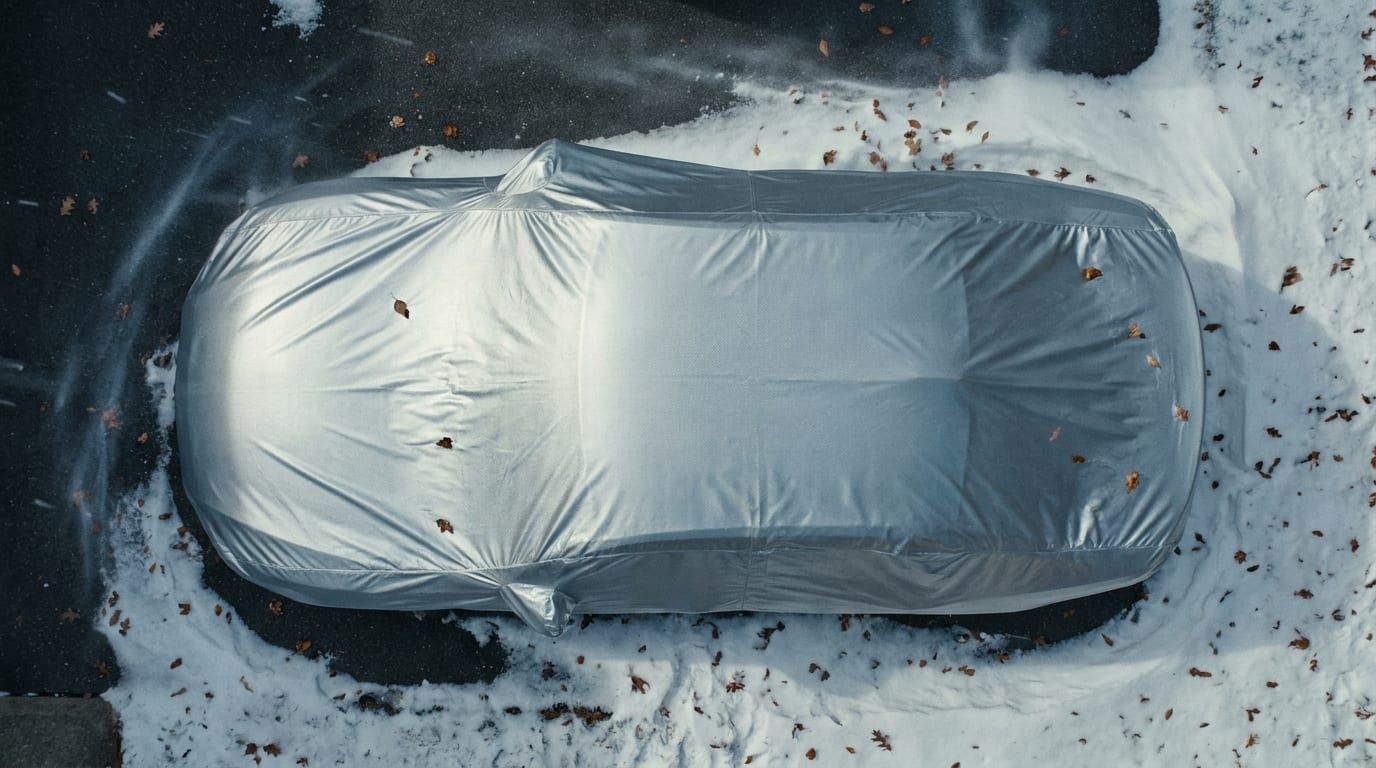
A few features matter more than the rest. Skip any of these and you're compromising somewhere you can't afford to.
Breathable, multi-layer fabric comes first. Moisture vapor needs somewhere to go, and a breathable shell lets it escape instead of condensing against the paint overnight.
Next, a soft fleece or microfiber inner lining. Sports cars tend to have low-profile panels, aggressive curves, and spoilers, and a stiff or scratchy lining will mar the finish over months of use.
Taped or sealed seams matter too, along with an elasticized hem or cable-lock system. Florida storms come in sideways half the time, and wind-driven rain finds any gap it can.
The outer shell needs to be UV-stabilized, since constant sun exposure is what breaks down fabric fastest in this state. And check the fabric's water resistance claims against something real, like how waterproof fabrics actually work, before trusting the marketing copy.
Last, and this one gets skipped more than it should: get a true custom fit for your specific make and model. A custom-fit cover accounts for low clearance, wide fenders, and spoilers that a generic universal shape just can't seal around.
Custom-Fit vs Universal: Why Fit Matters More in Humid Climates
Fit isn't a nice-to-have here. It's the difference between a cover that protects your car and one that slowly damages it.
A loose universal cover sags. Fabric pools, air pockets form, and rain collects in those low spots instead of running off. That trapped water sits against the body and rubber seals, and in Florida's humidity, that's exactly the environment mold and mildew need to take hold.
There's a wind problem too. A cover that isn't snug flaps every time the coastal breeze picks up, and that flapping rubs fine grit against the clear coat over weeks and months. Detailers call it marring. It looks like a dull haze on an otherwise clean paint job, and it's avoidable.
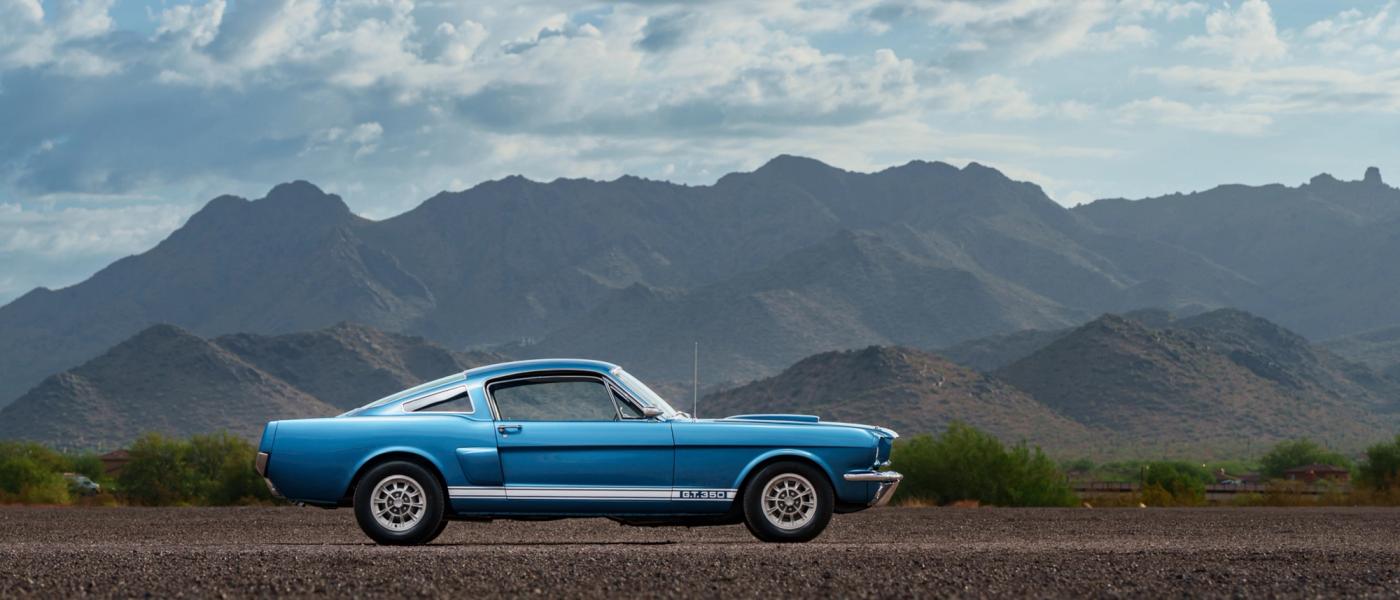
Think about what a generic "sports car" universal shape actually has to accommodate. A Porsche with a low front splitter, a Corvette with a wide rear haunch, a Mustang GT with an aggressive front chin, none of those fit the same silhouette. A cover cut for a Porsche is patterned around that specific splitter and roofline. A Chevrolet Corvette needs room for its wide fenders. A Ford Mustang GT needs a pattern that clears its front lip without sagging over it. A "universal sports car" cover is a compromise shape that fits none of them particularly well.
Keeping Your Cover Mold- and Mildew-Free in Florida
Even the right cover needs some upkeep in this climate. Buying it isn't the finish line.
Rule one: never fold up and store a cover while it's still damp. That's the single biggest cause of mildew smell and staining, full stop. Let it air dry completely first, even if that means draping it over a chair for an hour.
During peak humidity months, don't wait for visible grime to build up before you clean it. A quick rinse and air-dry every few weeks keeps mildew from ever getting a foothold. Our guide to cleaning a car cover covers the actual steps if you're not sure what's safe for the fabric.
One more thing worth checking before you buy: the warranty. A lifetime warranty on materials is a pretty direct signal that the manufacturer expects the cover to hold up for years in conditions like these, not just survive one Florida summer. If a warranty is thin or vague, that tells you something too.
Find the Right Cover for Your Sports Car
So, to put it plainly: if your sports car sits outside in Florida, you want breathable, waterproof, UV-resistant, and custom-fit. All four, not three out of four. Indoor satin is the right call only if the car never sees rain or sun in the first place.
Sizing is where most people get this wrong, guessing at a fit instead of matching it to their exact year, make, and model. A cover finder tool takes that guesswork out of it entirely.
If you're still weighing your options, it's worth browsing a few before you commit. Explore what fits your car, and if you want more guides like this one, stick around and keep reading.






