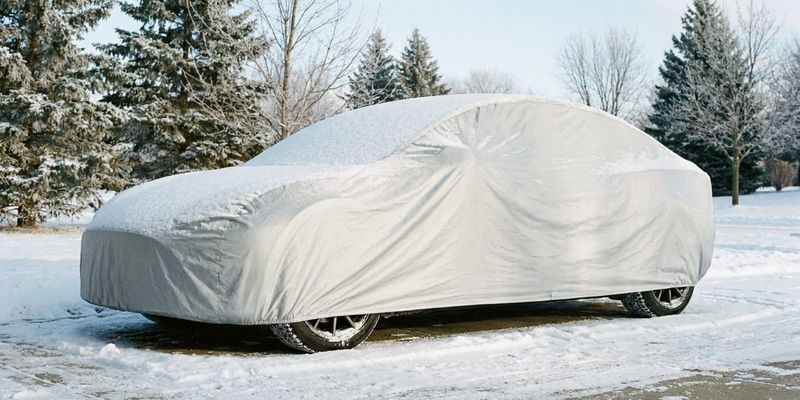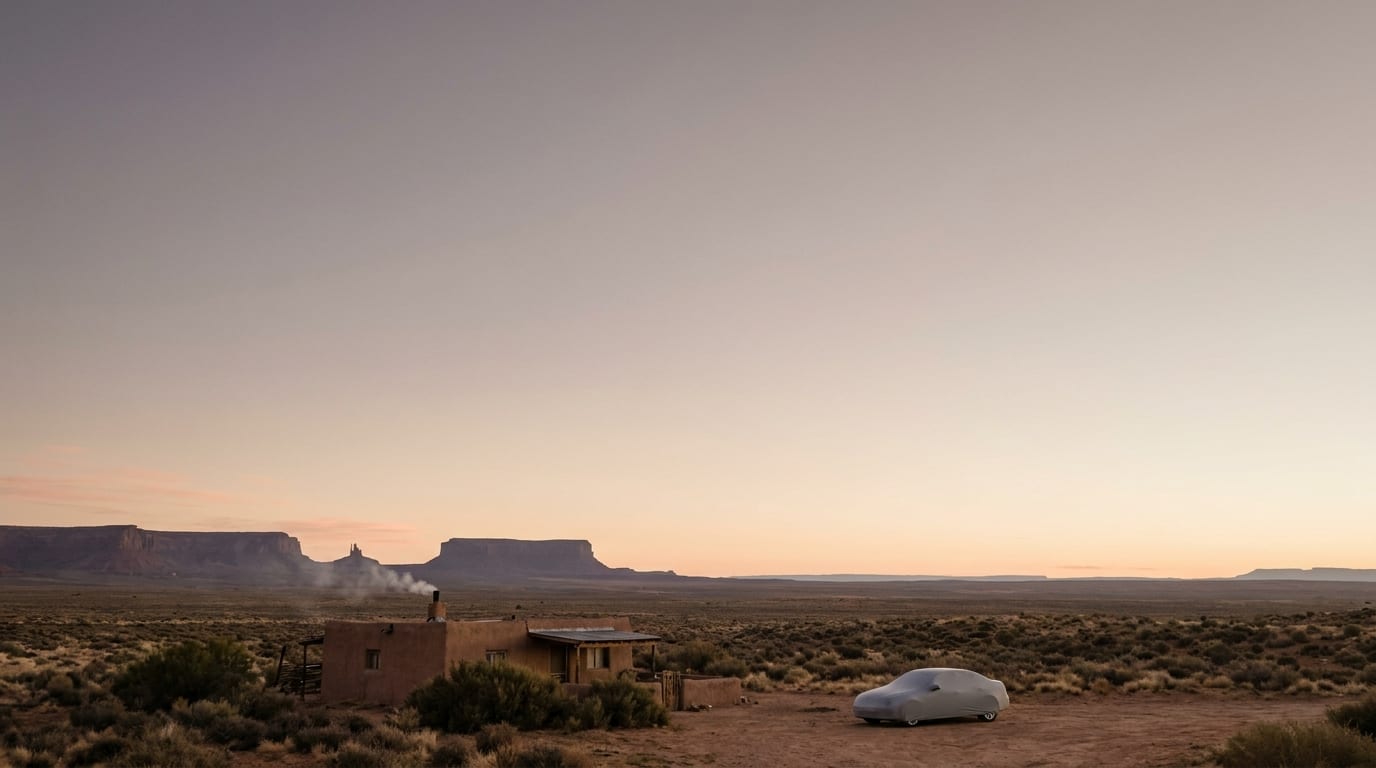
The Quick Answer: Best Car Cover for an EV in Arizona's Heat and Sun

Can you recommend a good car cover for a electric car parked in a hot, sunny climate like Arizona? Yes: get a breathable, multi-layer, UV-reflective outdoor cover custom-fit to your specific EV model. That combination handles the two things desert parking throws at your car daily, brutal sun and heat buildup, without trapping moisture underneath or chafing against panels shaped differently than a gas car's.
Each piece of that recommendation earns its place. A UV-reflective outer layer blocks the sun that fades paint and chalks clear coat over time. Breathable fabric lets hot air and condensation escape instead of cooking against your paint all afternoon. And a custom fit matters more on an EV than on most cars, since it protects flush door handles, low-profile mirrors, and charge port doors that a loose universal cover will rub or snag.
A universal cover or an indoor-only satin cover isn't the right call here. Universal covers are cut generously to fit "most" vehicles, which means slack fabric flapping in desert wind, and indoor covers skip UV treatment entirely because they're not built to sit in direct sun. If your EV lives outside in Arizona-style heat, you need a cover built for that job specifically, which is where the tiers below come in.
Car Cover Comparison for Hot, Sunny Climates
Not all covers are built for the same climate, and the differences actually matter once you're talking about triple-digit pavement temperatures and monsoon season back to back. Here's how the common tiers stack up on the things that count in the desert.
| Dimension | Basic | Deluxe | Platinum | Indoor Satin |
|---|---|---|---|---|
| UV/heat resistance | Single-layer woven fabric, moderate UV block | Multi-layer UV-resistant material | Highest-grade UV-reflective shell, built for daily extreme sun | No UV treatment, garage-only |
| Breathability | Basic venting, can trap some heat | Good airflow, resists condensation | Engineered to vent heat and moisture even in sustained sun | Breathable but irrelevant outdoors |
| Dust/water resistance | Water-resistant, light dust protection | Water-resistant to light waterproof | Waterproof, handles dust storms and monsoon downpours | None, not meant for weather |
| Best use case | Occasional outdoor use | Daily outdoor parking in moderate sun | Daily full-sun outdoor parking in extreme heat | Garage-only storage |
| Relative price tier | Budget | Mid-range | Premium | Budget to mid-range |
If your EV sits outside every day under Arizona sun, the takeaway is simple: a custom-fit car cover in the Platinum or Deluxe outdoor tier is the practical choice, not the Basic or Indoor Satin options.
Why Arizona-Style Heat and Sun Are Tough on Electric Cars
Desert sun isn't just hotter, it's relentless. Intense, sustained UV exposure fades paint and oxidizes clear coat faster than it would in a milder climate, because there's no cloud cover or humidity buffer cutting the dose. A car parked outside in Phoenix for a year takes more UV punishment than one parked outside in Seattle for three.
Heat compounds it. Direct sun turns an EV's cabin into an oven, with dashboard surfaces regularly hitting temperatures that stress interior plastics, crack seat materials, and shorten the life of infotainment screens. That's a real cost on cars where the center screen often runs most of the vehicle's controls.
Rubber takes a beating too. Seals, trim, and charge port door gaskets dry out and crack faster under constant desert heat cycling, the daily swing from scorching afternoon to cooler night. And EVs tend to have more exposed glass and smoother aerodynamic panels than older gas cars, think panoramic roofs and unbroken body lines. That means less trim to hide wear, so sun damage and heat distortion show up more visibly, sooner.
What to Look for in a Cover Built for Extreme Heat
The single most important spec for Arizona-style sun is a UV-reflective or UV-treated outer layer. Everything else matters, but skip this and you're just delaying the inevitable fade.
After that, look for breathable, multi-layer construction. Heat and moisture need somewhere to go. A cover that seals in warm, humid air does more harm than parking with no cover at all, trapping condensation against hot paint overnight.
A soft inner lining matters more than people expect. Clear coat softens slightly in extreme heat, and a cover with a rough or thin liner can leave fine scratches as wind shifts it around during the day. Reinforced grommets or access points are worth checking too, especially if you charge at home overnight and don't want to pull the whole cover off just to plug in. And don't skip the basics: a secure elastic hem plus included straps or tie-downs, because gusty desert wind and sudden monsoon storms will find any slack in a cover that isn't locked down.
For more on what separates a weatherproof cover from one that just looks the part, our guide to using a car cover outdoors covers wind, UV, and rain resistance in more depth.
Custom-Fit vs. Universal Covers for EVs Like Tesla and Rivian
EVs just aren't shaped like the cars universal covers were designed around. Flush door handles, low-drag mirrors, unique charge port placement on the fender or rear, these details mean a generic cover either hangs loose or doesn't close properly around them. Loose fabric in desert wind turns into a sanding pad, rubbing the same spot on your hood or roof for hours.
A custom-fit cover follows the actual contours of your specific model. Less flap, less rub, fewer wear spots over a year of daily use. It also seals better around the areas that matter most on an EV, including the charge port, which a universal cover often leaves exposed or loosely draped.
If you're shopping for one, it's worth going straight to your model's page rather than guessing on sizing. CarCovers has model-specific pages for the popular EV brands, including Tesla car covers, Tesla SUV covers, Rivian SUV covers, Rivian truck covers, Lucid covers, and Polestar covers. Starting there beats trying to eyeball a universal size chart.
Installing and Caring for Your Cover in a Desert Climate

Give the car a few minutes to cool before you cover it. Covering a hot vehicle immediately traps residual heat right against the paint, which works against everything a breathable cover is supposed to do.
Shake the cover out before folding it up or using it again. Desert dust and sand are abrasive, and grit that gets folded into the fabric will scratch your paint the next time wind moves the cover around. This is different from mud or road grime; it's fine, gritty, and easy to overlook until it's already done damage.
Washing cadence depends on conditions, but a cover sitting outside through dust storms and the occasional monsoon downpour needs attention more often than one in a milder, cleaner climate. Our car cover cleaning guide walks through the specifics on wash frequency and method.
Installation matters as much as the cover itself. A snug fit with straps actually secured stops the wind-driven flapping that's common across open desert terrain, the kind of movement that slowly wears through fabric and scuffs paint underneath. If you're unsure your current cover fits right, running your EV through CoverFinder is a fast way to check.
Bottom Line: Protect Your EV's Paint, Battery Bay Seals, and Interior
So, can you recommend a good car cover for a electric car parked in a hot, sunny climate like Arizona? Breathable, UV-reflective, custom-fit, parked outdoors every day. That's the answer, and it doesn't really change based on which EV you drive.
Weigh the cost against the alternative. A quality Deluxe or Platinum cover costs a lot less than repainting sun-damaged panels or replacing a cracked dashboard and sunbaked seats. One of those is a maintenance expense. The other is a repair bill you didn't need to have.
If you're ready to look, find your exact EV's custom-fit cover rather than settling for a one-size-fits-most option, and feel free to browse our other car care guides while you're at it.