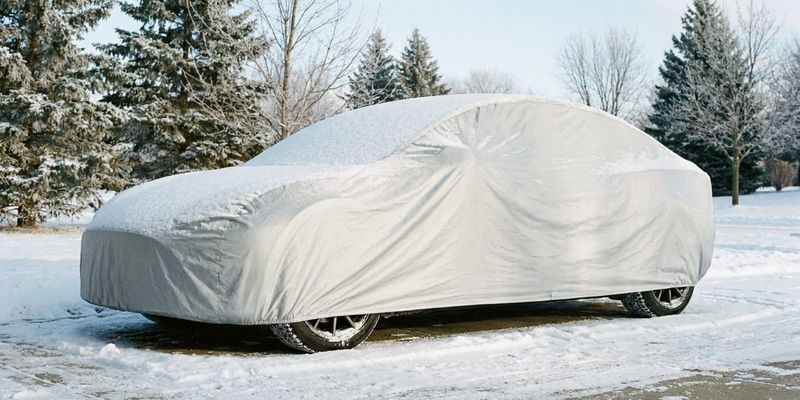
I Have an Electric Car and Live in a Humid Climate Like Florida — What Car Cover Should I Buy?
Published
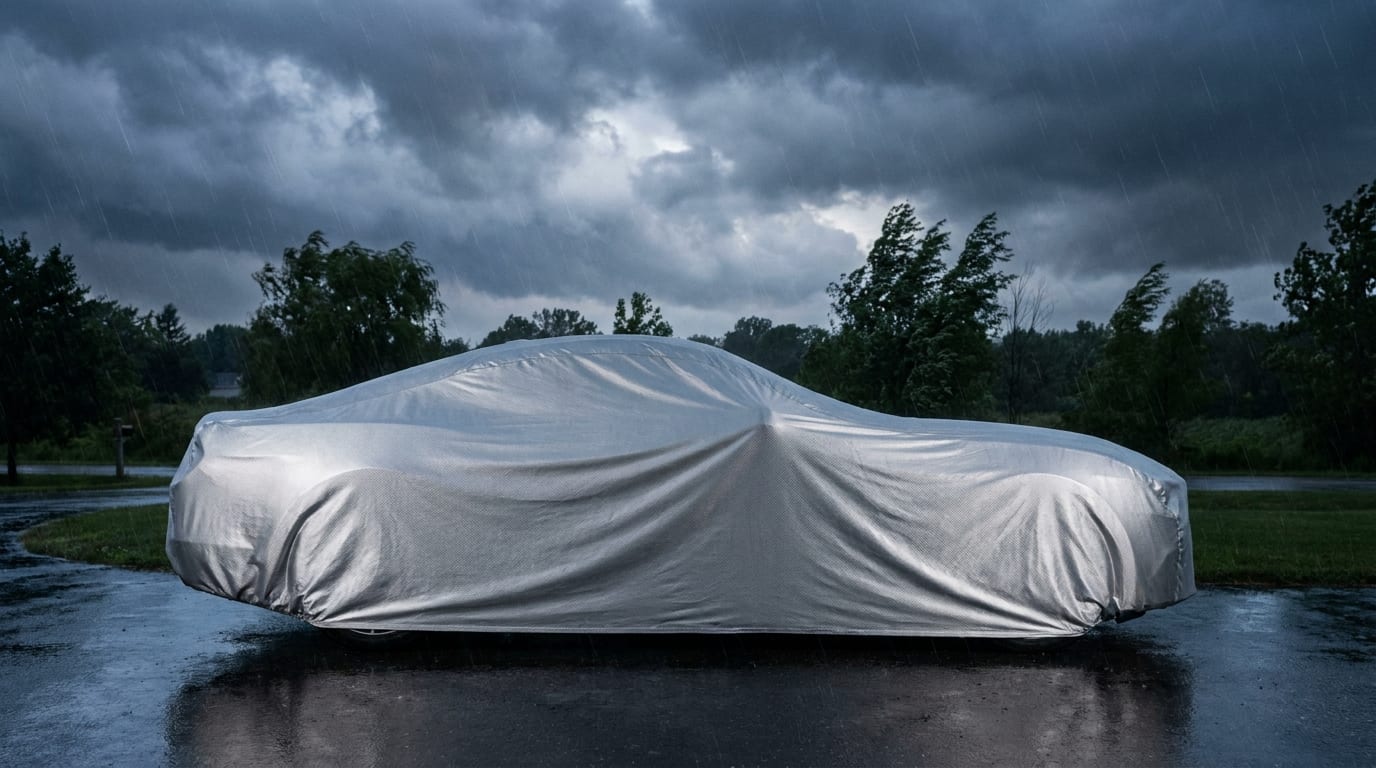
Quick Answer: The Best Cover for an EV in a Humid Climate
If you're asking "I have an electric car and live in a humid climate like Florida, what car cover should I buy," here's the short version: get a multi-layer, breathable, waterproof car cover with UV-blocking treatment and a built-in grommet or flap for charge-port access. Skip the single-layer stretch cover and definitely skip vinyl or tarp-style covers. Those trap moisture against your paint, which is the opposite of what you want in a place where the air itself barely dries out.
Breathability matters just as much as waterproofing here. A cover that blocks rain perfectly but doesn't let moisture escape will seal condensation against the clear coat overnight, and that's how you end up with mildew spots, water etching, and a musty-smelling cover within a few months. Go custom-fit over universal, too. A loose, flappy cover in Florida's typical afternoon thunderstorm pattern, short, intense, over fast, will whip around in the wind and pool water in the slack spots. A custom-fit car cover sits tight enough that water runs off instead of sitting.
Why Humid, Sunny Climates Are Especially Hard on a Cover

Florida isn't just hot. It's wet in a way that doesn't let up. A cover that gets rained on at 2pm and sits in 90% humidity overnight rarely gets a real chance to dry before the next storm rolls through. Non-breathable materials make this worse by holding that condensation right against the paint, sometimes for days in a row.
Then there's the sun. Florida sees intense, nearly year-round UV exposure, and cheap cover fabric breaks down fast under it, going brittle, losing its water repellency, flaking at the seams. The same UV is working on your car's paint and plastic trim the whole time it's uncovered, which is part of why a cover matters so much here in the first place.
Add in the daily wet-dry-hot-cold cycle. Morning sun bakes a damp cover, afternoon storms soak it again, and that repeated expansion and contraction stresses seams and fabric in ways a drier climate never would. If you're near the coast, salt air speeds up corrosion on exposed metal trim, charge port covers, and even the metal grommets on a lower-quality cover.
One more EV-specific wrinkle: a gas car's engine bay throws off residual heat that helps evaporate moisture trapped under the hood. EVs don't have that. The front trunk area on most EVs stays cool and sealed, so any moisture that gets under the cover near the frunk can just sit there longer than it would on a traditional car. It's a small detail, but it's part of why the material choice matters more for EVs than people expect. A tarp is not a substitute for a real car cover, and this climate is exactly where that gap shows up fastest.
Cover Material Comparison for Humid Climates
Not all "waterproof" covers behave the same once humidity gets involved. Here's how the main types stack up:
| Cover Type | Waterproof? | Breathable? | UV Resistance | Best For | Approx. Price Range |
|---|---|---|---|---|---|
| Basic single-layer/stretch | Water-resistant only | Low | Minimal | Short-term dust/dry storage | Budget |
| Vinyl or tarp-style | Fully waterproof | None, traps condensation | Poor | Not recommended for humid outdoor use | Low-mid |
| Multi-layer breathable outdoor | Waterproof | Yes | Strong | Daily outdoor parking in Florida-like climates | Mid-high |
| Premium all-weather tiered | Waterproof | Yes | Highest, plus heat resistance | Coastal or year-round harsh sun | Highest |
For most Florida EV owners parking outside every day, the multi-layer breathable option is the sweet spot. It costs more than a basic stretch cover, but it's the difference between a cover that protects your paint and one that quietly damages it while you think it's doing its job. Worth reading up on how different car cover materials actually compare before you buy, since "waterproof" on a label doesn't tell you anything about breathability.
EV-Specific Features to Check Before You Buy
EVs have a few quirks that a generic cover shopping guide won't mention, so check these specifically.
Charge-port access. You don't want to pull the whole cover off every time you plug in overnight. Look for a built-in grommet, a zippered flap, or at minimum a slit positioned near your car's charge port location.
Camera and sensor cutouts. A lot of EVs, Tesla and Rivian included, lean heavily on exterior cameras and sensors for driver-assist features. A cover that drapes over or rubs against those can scratch the housing or just be a hassle to realign every time. If you're shopping for a Tesla cover or a Lucid cover, check the product specs for sensor cutouts specifically, not just "fits Model 3" or "fits Air."
No engine heat, so airflow matters more. Since there's no warm engine bay helping evaporate trapped moisture, the cover's own breathability is doing all the work. This is one more reason to skip anything marketed as simply "waterproof" without a breathability claim to back it up.
Frunk seams and vents. Some EVs have active cooling vents or unique seam lines around the front trunk that a generic cover design doesn't account for. Worth checking whether the cover you're considering is cut for your specific model rather than a rough universal fit.
Wind straps and tie-downs. Florida storms bring real wind, not just rain. Confirm the cover has built-in wind straps or is compatible with a cable lock, so a gust doesn't peel it half off in your driveway at 3am.
Matching the Cover to Your Specific EV
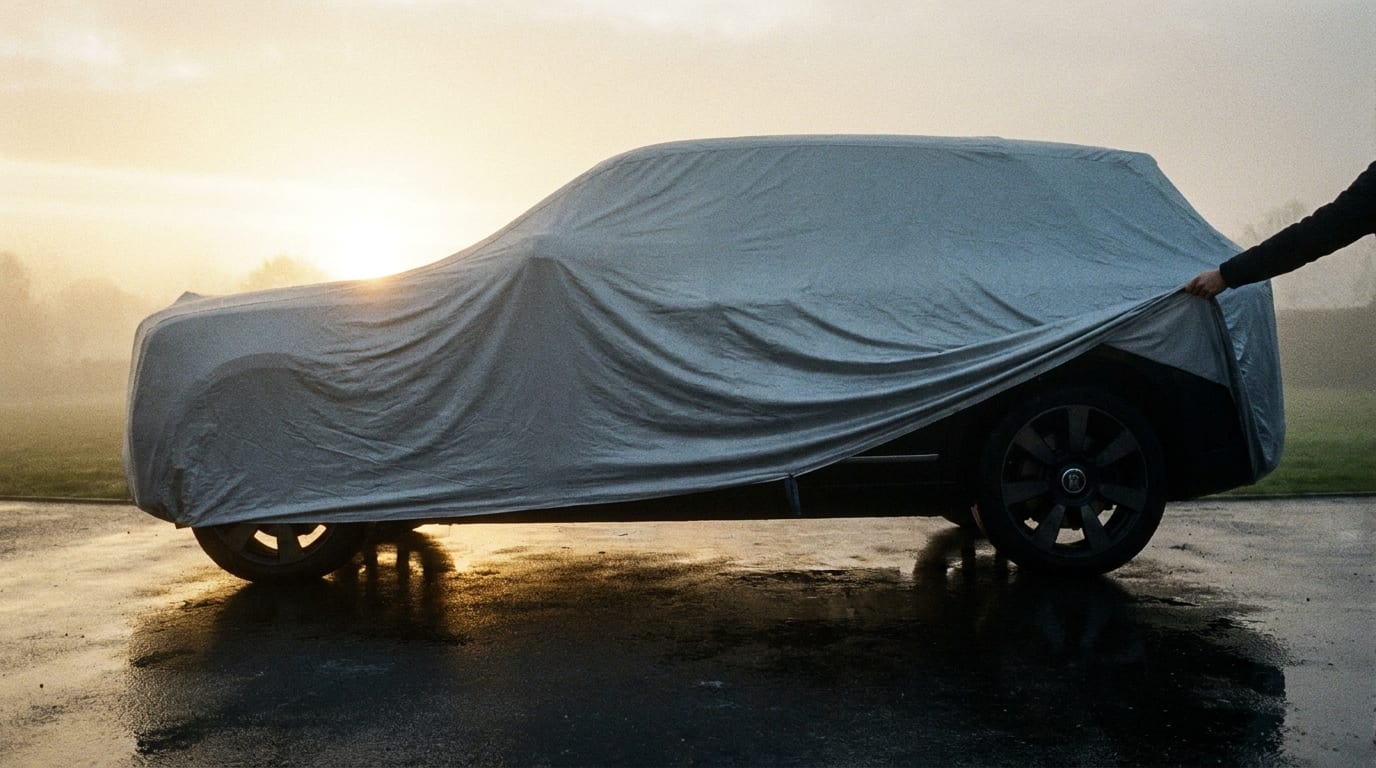
Start with your vehicle's brand and body style, sedan, hatchback, or SUV, since fit precision matters more on EVs than on older gas vehicles. The sensor housings, charge port placement, and frunk seams vary enough between models that a one-size-fits-most cover tends to leave gaps exactly where you don't want them.
If you drive a Tesla, Lucid, Rivian, or Polestar, go straight to the brand-specific pages rather than guessing from a generic size chart. A Tesla SUV cover built for a Model Y is going to fit differently than a sedan cover meant for a Model 3, even though both are "Tesla."
Here's the practical reason a custom-fit cover beats a universal one for EVs specifically: fewer gaps means less wind-driven rain finding its way in during a sideways Florida storm, and cleaner clearance around charge ports and cameras so you're not fighting the cover every time you plug in or back out of the driveway. A loose universal cover might technically cover the car, but it's the gaps and the flapping that cause the real damage over time.
If you're not sure what size or fit you need, don't guess based on "my car is about the size of a Camry." Run it through a cover finder tool using your exact year, make, and model instead. It takes two minutes and saves you from ordering something that bunches up around the mirrors or leaves six inches of bumper exposed.
Keeping Your Cover (and Car) in Good Shape in a Humid Climate
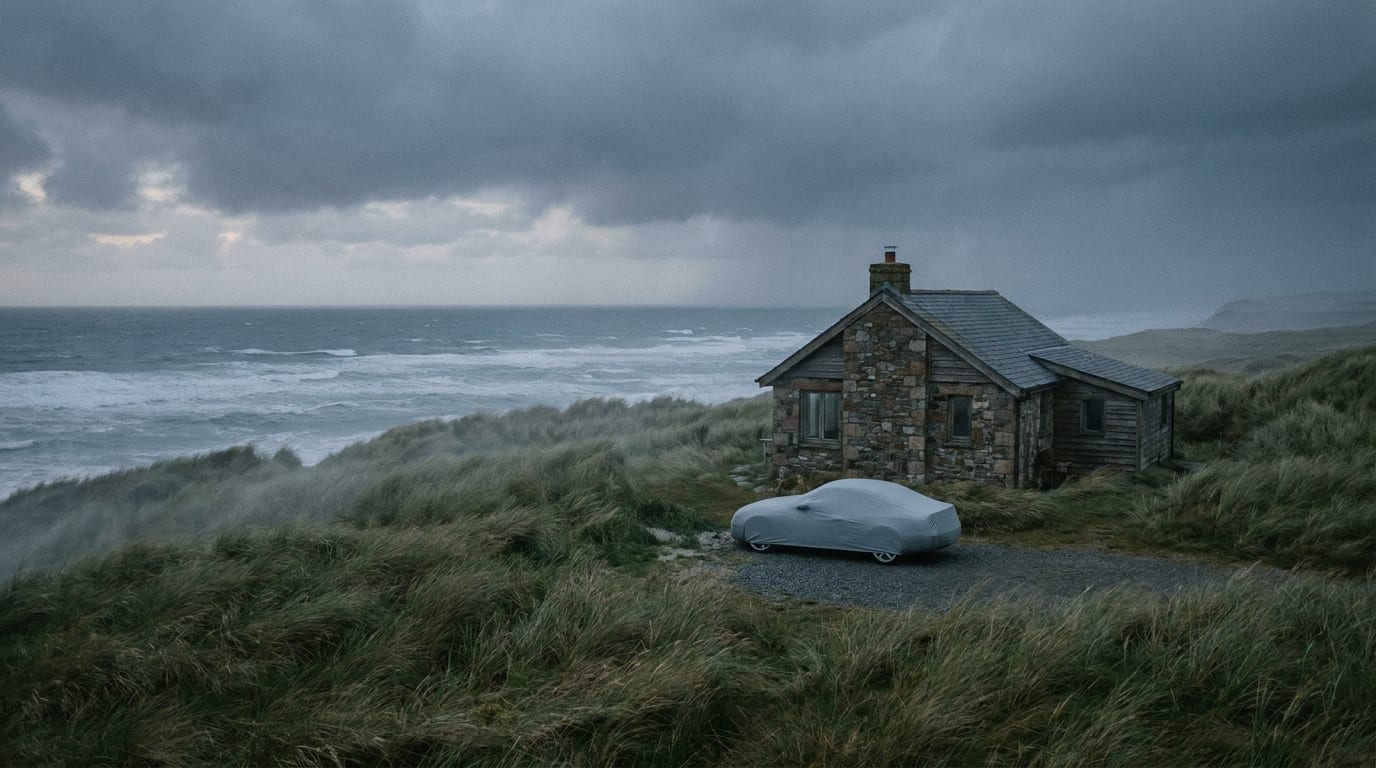
Even a good breathable cover needs some basic upkeep in a climate like this. After several rainy days in a row, pull the cover off and let it air dry fully before putting it back on. Breathable doesn't mean invincible. It just means it dries faster than vinyl would.
Clean it on a regular schedule, not just when it looks dirty. Mildew and mold take hold fast in humid air, and once they're embedded in the fabric fibers they're much harder to get out. A simple cover cleaning routine every few weeks, more often during Florida's wet season, keeps the fabric's water repellency intact and keeps mildew from ever getting a foothold.
If you're near the coast, rinse the cover occasionally even without an obvious reason to. Salt residue builds up quietly and it degrades waterproof coatings faster than plain rain does. And before you buy, actually read the warranty terms. Material degradation claims often get evaluated differently depending on climate severity, so it's worth knowing upfront what's covered if the fabric breaks down faster than expected in a place like Florida. Check the outdoor cover usage guide for a fuller rundown on wind, UV, and waterproofing specifics if you want to go deeper.
Bottom Line and Next Step
If you take nothing else from this: a multi-layer, breathable, UV-resistant, waterproof cover with charge-port access, custom-fit to your EV's body style, is the right call for anyone asking what car cover to buy for an electric car in a humid climate like Florida. Anything less either lets moisture through or traps it in, and in this climate both problems show up fast.
Don't guess on sizing. Match your exact year, make, and model through a proper fit tool before you buy, since EVs have enough body-specific quirks (camera housings, charge ports, frunk seams) that a rough universal fit usually costs you more in the long run than it saves upfront.
If you want to keep learning before you commit, poke around the site's cover guides by vehicle type. It's a quick way to see what actually fits your car without committing to anything yet.