CarCovers vs. Covercraft: Semi-Custom vs. Fully Custom Car Covers Compared
Published

Shopping for a car cover shouldn't feel like picking a side in some brand war. If you're browsing CarCovers.com, you've probably already noticed that Cover Craft shows up right next to CarCovers' own Platinum, Ultimate, Deluxe, and Basic Shield tiers, on the same site, in the same cart. The real decision isn't "which company do I trust more." It's semi-custom versus fully custom, and which one actually matches your vehicle, your climate, and your budget. This guide breaks down how CarCovers' in-house tiers and Covercraft's fully custom covers differ in construction, fit, and price, so you can pick the right one instead of guessing.
Semi-Custom vs. Fully Custom: What's Actually Different
A semi-custom cover is built to fit a size and body-style class. Think "mid-size sedan" or "compact SUV" or "short-bed truck." The pattern accounts for a range of vehicles that share roughly the same dimensions and shape, with enough give in the fabric and elastic hemming to seat reasonably well across all of them.
A fully custom cover works the other way. The pattern is cut to one specific year, make, model, and trim, with the openings, mirror pockets, and body contours matched to that exact vehicle. There's no "close enough" involved. It's engineered around a single car.
Here's the part that trips people up: CarCovers.com sells both. Its own semi-custom line sits alongside Covercraft car covers, which are fully custom. So this isn't a CarCovers-versus-Covercraft shootout between two retailers. It's a choice within one storefront, between two different ways of building a cover. The rest of this article walks through construction, fit approach, and price positioning for each side, so you can line up the right option against your vehicle and what you're actually trying to protect it from.
CarCovers' Semi-Custom Lineup: Platinum, Ultimate, Deluxe, Basic Shield
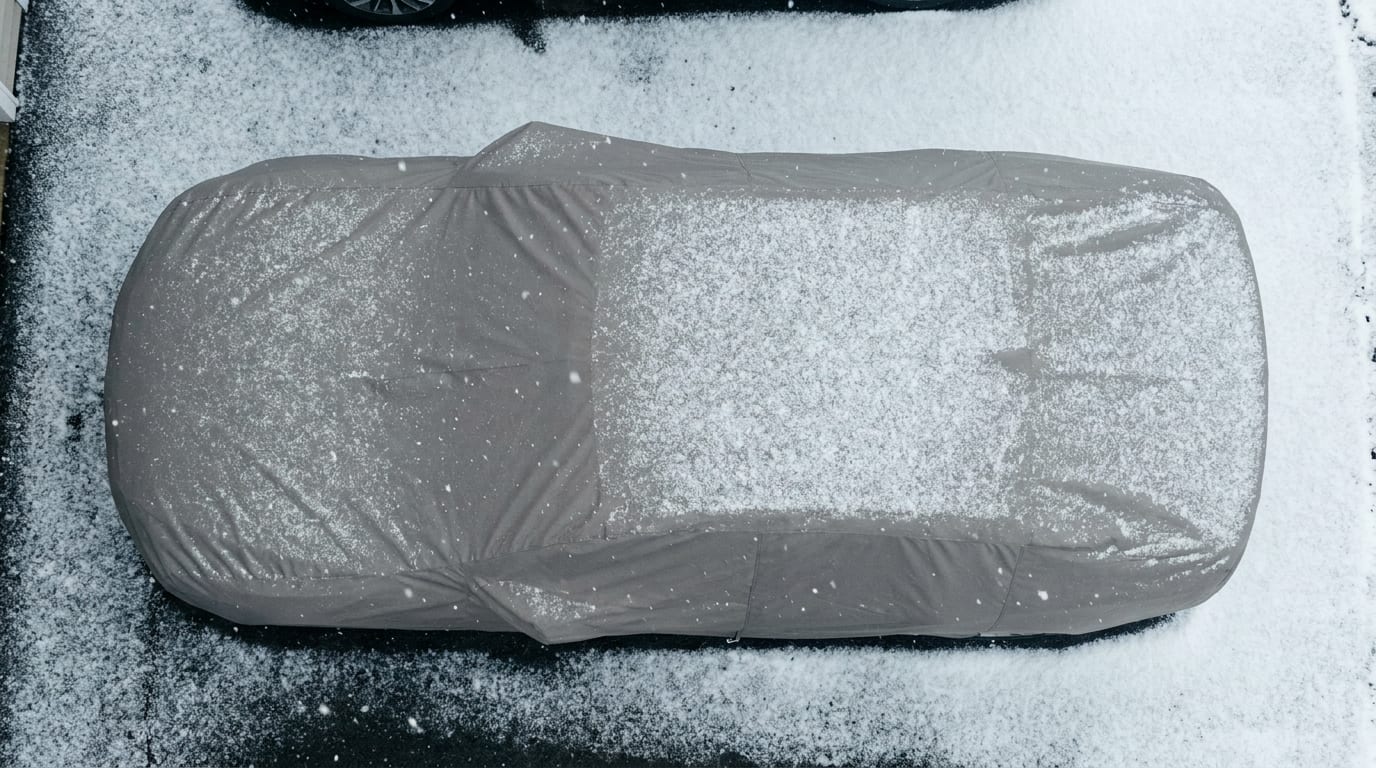
CarCovers runs four semi-custom tiers, and they're ordered pretty much how you'd expect: more protection as you move up, more price too.
Basic Shield is the entry point. It's built for light duty, dust, sun glare, the occasional rain shower, nothing extreme. If your car sits in a garage most of the time and just needs something to keep it clean between drives, this is the tier that makes sense.
Deluxe steps up to regular outdoor exposure. This is the middle-of-the-road option for someone who parks outside most nights but isn't dealing with brutal weather.
Ultimate is built for more demanding conditions. Heavier weather, more consistent outdoor storage, that sort of thing. It's a noticeable jump from Deluxe in terms of what it's designed to hold up against.
Platinum sits at the top of CarCovers' own lineup. It's positioned as the most protective option the company makes in-house, the one you'd reach for if your vehicle lives outside year-round in rough conditions.
What ties all four together, and what keeps them semi-custom rather than fully custom, is that they're sized to a class of vehicle rather than pattern-cut to one specific model. Before buying into any of these tiers, it's worth checking the sizing guide for your vehicle to confirm the size class actually matches your car's real dimensions. Get that wrong and even the top tier won't fit the way you want.
Covercraft's Fully Custom Approach (Sold on CarCovers.com)
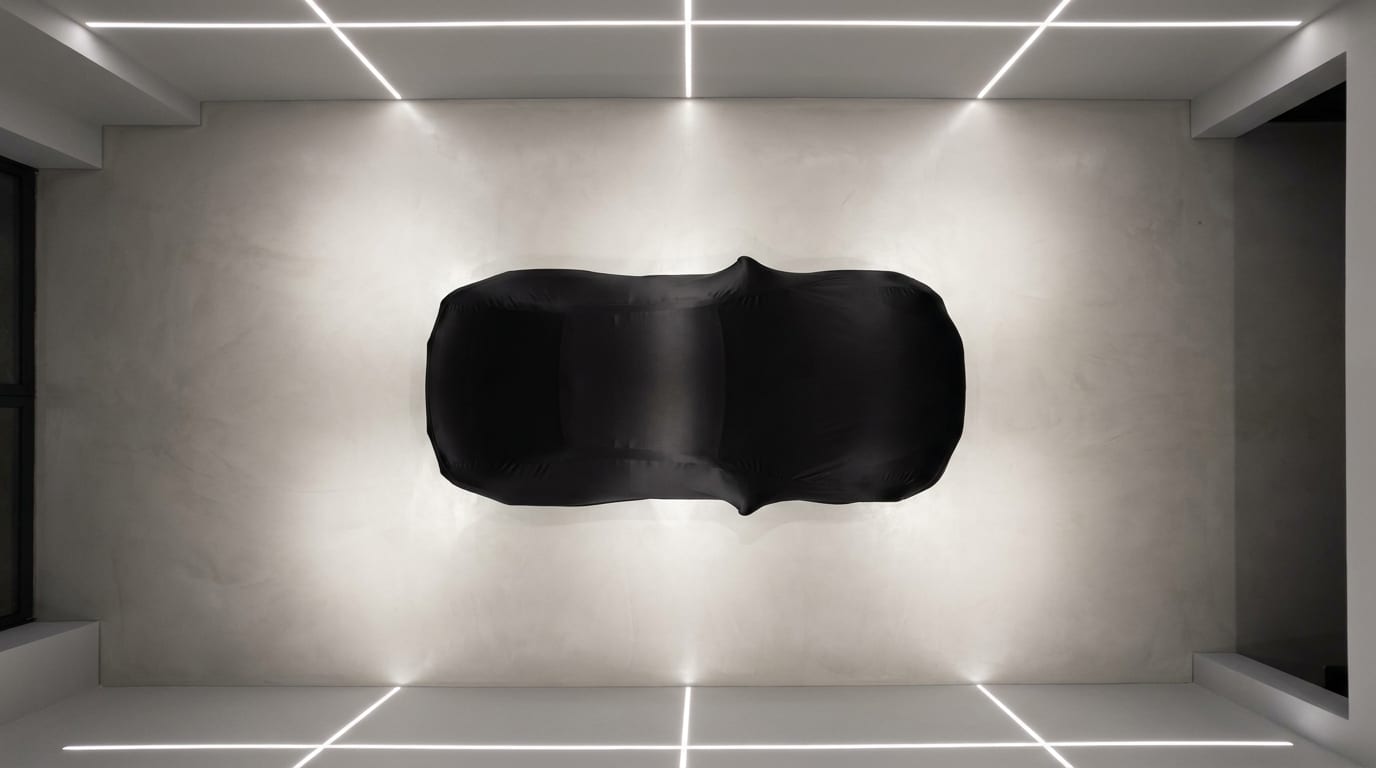
Cover Craft takes the opposite approach. Instead of sizing to a class, each cover is pattern-engineered for a specific make, model, year, and trim. That means the mirror cutouts land where your mirrors actually are, the body lines get followed instead of approximated, and the overall silhouette sits tighter against the car.
CarCovers.com carries Covercraft as a fully custom alternative to its own tiers, not as some separate purchase you'd have to go elsewhere for. You can compare both right there in the same cover finder tool when you search your vehicle.
One scope note worth flagging: CarCovers.com sells Covercraft's vehicle covers, but not their boat covers. Covercraft does make marine covers, just not through this storefront, so if you're shopping for a boat cover specifically, this isn't the place.
As for fabric specifics, weatherproofing ratings, or exact warranty terms on the Covercraft line, we're not going to guess at those here. If you need the fine print on materials or coverage, go straight to Covercraft's own spec sheet for the model you're looking at. Better to get that detail right from the source than to have it paraphrased wrong in a blog post.
Head-to-Head: Fit, Construction, and Price Positioning
Laid out side by side, the differences are pretty clean cut.
| Factor | CarCovers Semi-Custom | Covercraft Fully Custom |
|---|---|---|
| Fit method | Sized to a body-style/size class | Pattern-cut to exact year/make/model/trim |
| Tier options | Four tiers: Basic Shield, Deluxe, Ultimate, Platinum | Single fully custom product line |
| Price position | More accessible entry point | Premium, reflects per-vehicle patterning |
| Vehicle coverage | Fits a broad range within a size class | Limited to models Covercraft patterns for |
| Where to buy | CarCovers.com | CarCovers.com |
The fit tradeoff is the core of this whole comparison. Semi-custom covers have to split the difference across multiple vehicles that share a size class, which means there's almost always a little slack somewhere, a mirror pocket that's slightly off, a hem that sits a bit loose. Fully custom covers don't have that problem because there's only one vehicle the pattern was built for.
Price follows the same logic. Patterning a cover to one specific trim costs more to engineer and produce than sizing to a broad class, so Covercraft's fully custom covers sit at a premium relative to CarCovers' own tiers, especially the lower ones like Basic Shield and Deluxe. That's not a knock on either approach, it's just what per-vehicle precision costs.
And on vehicle coverage: if you drive something obscure or a trim Covercraft hasn't patterned yet, semi-custom is the more realistic option simply because it covers more ground. Fully custom only exists for the models it's built for. The upside is you're not choosing between two different retailers to get either option. It's all under one roof at CarCovers.com, so switching from a semi-custom tier to a Covercraft cover (or back) doesn't mean starting your search over somewhere else.
Which Cover Fits Your Situation
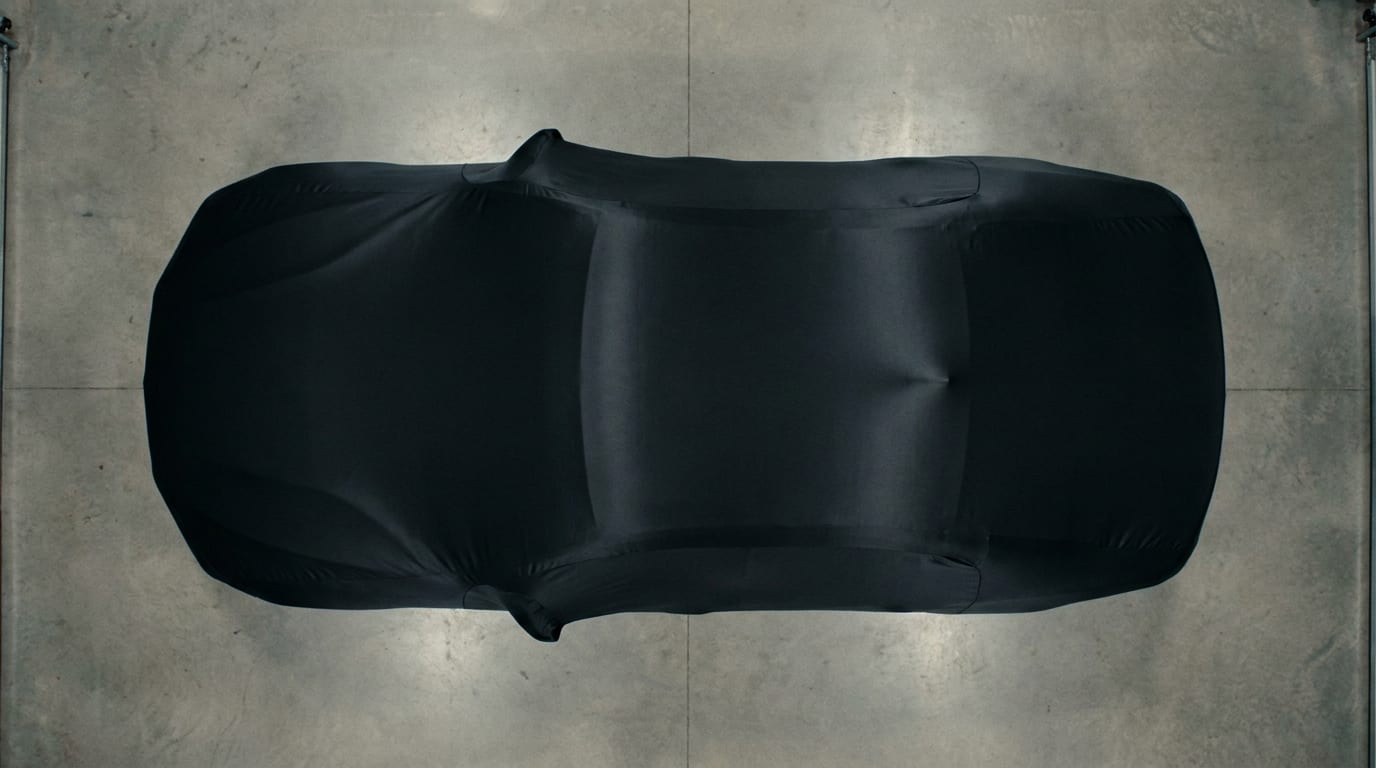
This part is less about specs and more about being honest with yourself regarding how the car actually lives.
Daily driver, parked in a driveway or on the street most nights, budget matters: start with Basic Shield or Deluxe. These cover the common stuff, dust, UV, light rain, without you paying for precision you don't need.
Vehicle stored outside long-term, or you're in a region with real weather, hail, heavy sun, wind: look at Ultimate or Platinum. Both stay within CarCovers' own line but step up the protection level for conditions that'll wear down a lighter cover fast.
Show car, collectible, or you just want the cover to look like it was made for the car (because it was): that's where fully custom Covercraft makes sense. You're paying for contour accuracy, and if the vehicle qualifies, it shows.
One more thing to factor in regardless of which tier you pick: whether the car's stored indoors or outdoors changes what you actually need. An indoor car cover is mostly about dust and scratches, lighter fabric, less weatherproofing required. An outdoor car cover has to deal with sun, rain, and temperature swings, so the fabric and seam construction matter a lot more. Don't buy a heavy-duty outdoor cover for a garage-kept car, and don't skimp on an outdoor cover because the price looked better.
How to Find the Right Cover on CarCovers.com
Start with the cover finder and enter your vehicle's year, make, and model. It'll show you which semi-custom tiers and which Covercraft options actually exist for your car, so you're not comparing apples to oranges.
Before you buy a semi-custom cover specifically, double-check the sizing guide. Size classes are broad by design, and confirming your vehicle's actual dimensions against the class range takes two minutes and saves you a return.
Look at what's covered under warranty too, so you know what you're actually backed by before you check out, separate from whatever Covercraft states on its own spec sheets for its fully custom line.
And regardless of which cover you land on, semi-custom or fully custom, the upkeep is basically the same. Shake off debris, don't fold it away wet, and follow a proper cleaning routine to keep the fabric from breaking down early. A great fit doesn't mean much if the cover's neglected.
Bottom Line
Semi-custom and fully custom aren't competing philosophies, they're different tools. CarCovers' own tiers (Basic Shield, Deluxe, Ultimate, Platinum) trade a bit of precision for broader fit and friendlier pricing. Cover Craft's fully custom covers trade that flexibility for a pattern cut to your exact vehicle, at a price that reflects the extra engineering.
Either way, you're buying from the same place. This isn't about picking between two sellers, it's about matching fit precision and budget to what your vehicle actually needs.
If you're not sure where you land, browse the cover finder and compare the semi-custom and Covercraft options side by side for your specific vehicle, or poke around the rest of the blog for more guides on getting the fit right.