CarCovers.com vs. California Car Cover: How to Compare Before You Buy
Published
Typing "california car cover" into a search bar usually means one of two things: you've heard of California Car Cover and want to know if it's worth it, or you're just trying to find a cover that actually fits your car and this name popped up. Either way, you're probably also looking at CarCovers.com somewhere in the mix. Both are retailers that sell vehicle covers, and both show up in the same searches, which makes the comparison feel harder than it should be. This article isn't going to tell you one company beats the other on specs we haven't verified. Instead, here's a practical checklist: fit type, material, warranty terms, and price structure. Those four things decide whether a cover works for your car, not the logo on the bag it ships in.
CarCovers.com vs. California Car Cover: What Shoppers Are Really Deciding
Most people landing on a page like this aren't brand-loyal. They want a cover that fits their specific car, holds up where they park it, and doesn't cost more than it should once you add in the accessories you'll actually need. That's a fair way to shop.
So instead of ranking two companies against each other based on marketing copy, this guide breaks the decision into parts you can check yourself, on both sites, in about ten minutes. Fit type first. Then material and weatherproofing. Then warranty wording, because "lifetime warranty" means different things depending on what triggers a replacement. And then price, once you know what's actually included. Treat the rest of this article as the checklist, not the verdict.
What CarCovers.com Sells: Semi-Custom Tiers Plus a Name-Brand Option

CarCovers.com runs four semi-custom tiers under its own name: Platinum, Ultimate, Deluxe, and Basic Shield. "Semi-custom" here means the pattern is matched to your vehicle's year, make, model, and body style, not a single stretchy shape meant to loosely fit a range of cars. That distinction matters more than most buyers realize until they've dealt with a universal cover flapping around a side mirror in the wind. If you want the mechanics of how that fit process actually works, the custom-fit car covers guide walks through it in more detail.
Beyond its own tiers, CarCovers.com also carries Covercraft, a named third-party brand, for shoppers who specifically want that option sitting next to CarCovers' house lineup. Worth noting too: CarCovers.com doesn't sell boat covers. If you're cross-shopping a retailer that does, that's a real scope difference, not a nitpick. Vehicle-type coverage varies company to company, and it's one of the first things worth checking before you get attached to a particular seller.
What to Check on California Car Cover Before You Compare
Here's where this article has to be careful, and honest with you about why. California Car Cover's specific material makeup, layer count, and warranty terms aren't verified here. Nobody should take a secondhand summary of a competitor's product specs as gospel. Pull their current listing yourself, for your exact vehicle, before deciding anything.
A couple of things to watch for while you're there. "Custom fit" gets used loosely across this industry. A sewn semi-custom pattern built for your model is a different product than a universal, elastic-hem cover that just happens to stretch over a similar-sized car. Same goes for "waterproof" versus "water-resistant," two words that get swapped in marketing copy but mean genuinely different things in a rainstorm. Water-resistant sheds a drizzle. Waterproof is supposed to hold up in sustained rain, and that's a meaningfully higher bar.
The simplest way to compare fairly: open both companies' product pages for your specific vehicle, side by side, in two browser tabs. Read the actual spec listed, not the headline claim above it. And skip any temptation to repeat claims about either company's history, size, or review scores unless you can see them stated on the current page. Marketing language ages. Product listings are what you're actually buying.
The Buyer's Checklist: Dimensions That Actually Decide This Comparison
Strip away the brand names and you're really comparing seven things, no matter which two sellers you're looking at:
- Fit type (semi-custom sewn pattern vs. universal stretch-fit)
- Material and layer construction
- Weatherproofing rating (what it's actually rated for, not just the word used)
- Warranty length and, more importantly, warranty coverage
- Price and what's bundled into it
- Return and exchange policy
- Vehicle-type scope (does the company even sell a cover for what you drive)
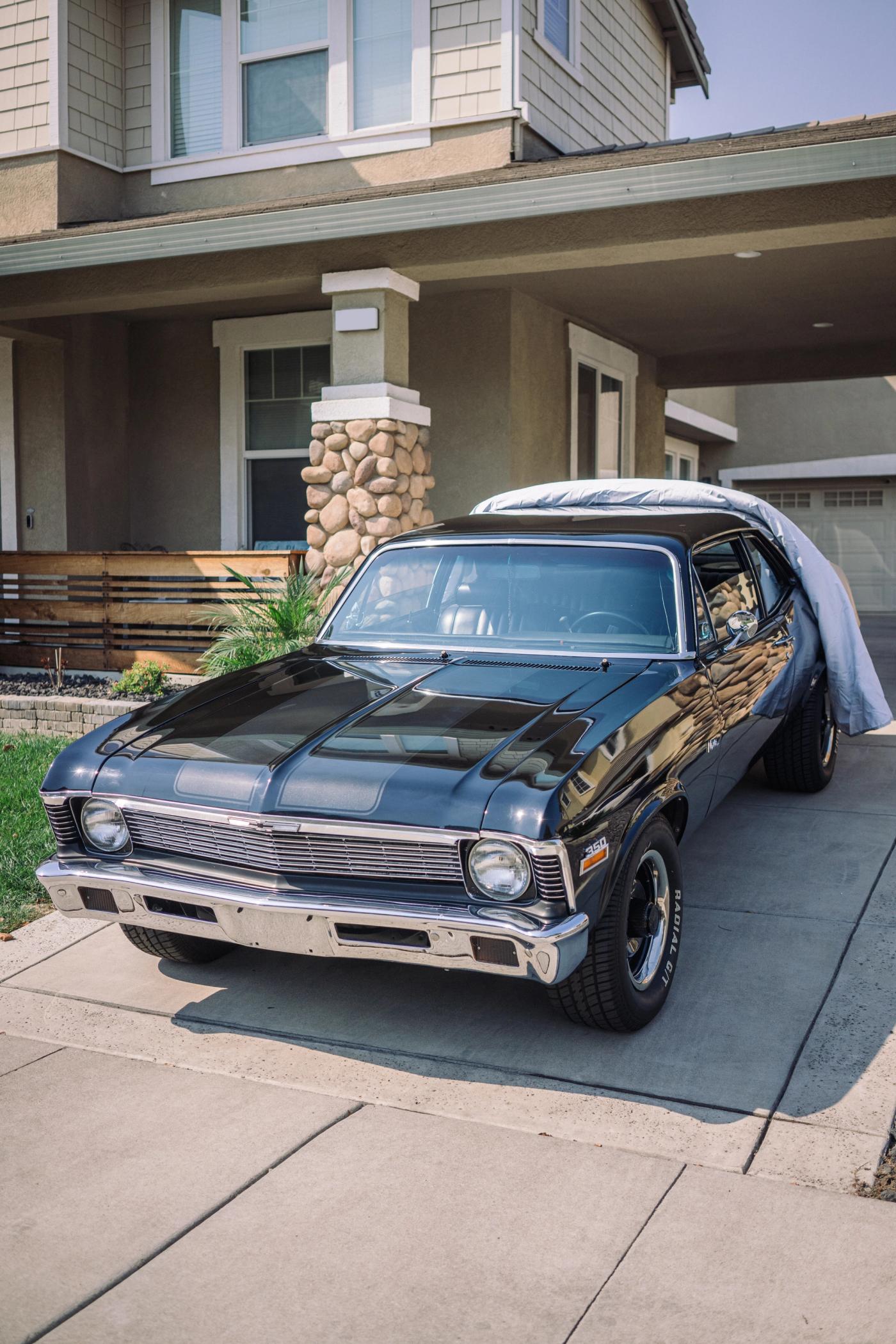
Fit type probably matters the most of all of these. A cover sewn to your exact year, make, model, and body style is going to sit tighter, resist wind better, and look less like a tarp than something sized for "mid-size sedans, 2015-2022." That's true regardless of which company's name is on the box.
Warranty length gets quoted a lot, but length alone doesn't tell you much. A 10-year warranty that only covers manufacturing defects isn't worth more than a 3-year warranty that covers fading and torn stitching from actual use. Ask what's covered: tears, UV fading, seam failure. Then ask what voids it, because that's usually where the real coverage gap hides.
And watch the bundle. Two covers at the same sticker price aren't the same deal if one includes a cable and lock, a storage bag, and mirror pockets, and the other charges extra for all three. Price per cover isn't the number on the page, it's that number plus whatever you have to add to make the cover actually usable.
Questions to Ask Both Companies, Dimension by Dimension
Run through these on both sites before you buy:
Fit. Is this a sewn semi-custom pattern built for your specific year/make/model, or a stretch-to-fit universal size range? Ask directly if it's not obvious from the listing.
Material. How many layers does the fabric have, and is it rated for UV exposure, rain, and snow, or is it really just built for dust and light moisture indoors? Those are very different products wearing similar-sounding names.
Warranty. What's the exact length, and what triggers a replacement versus a repair? CarCovers.com's own lifetime warranty page and general warranty page are useful as a reference point for the level of detail a warranty should spell out. Use that as your benchmark when reading any other company's terms.
Price and inclusions. Does the listed price include a cable and lock, a storage bag, and any vehicle-specific patches like an antenna cutout? If not, add those costs before you compare totals.
Returns. What's the return window, and who pays return shipping if the fit turns out wrong? CarCovers.com's return policy is worth reading as a baseline for what a fair policy should cover.
Vehicle scope. Does the company even sell a cover for what you drive? Not every car cover retailer covers every vehicle category. CarCovers.com, for instance, doesn't sell boat covers, so if that's part of what you need, you'll be shopping elsewhere for that piece regardless.
Matching the Right Cover to Your Storage Situation
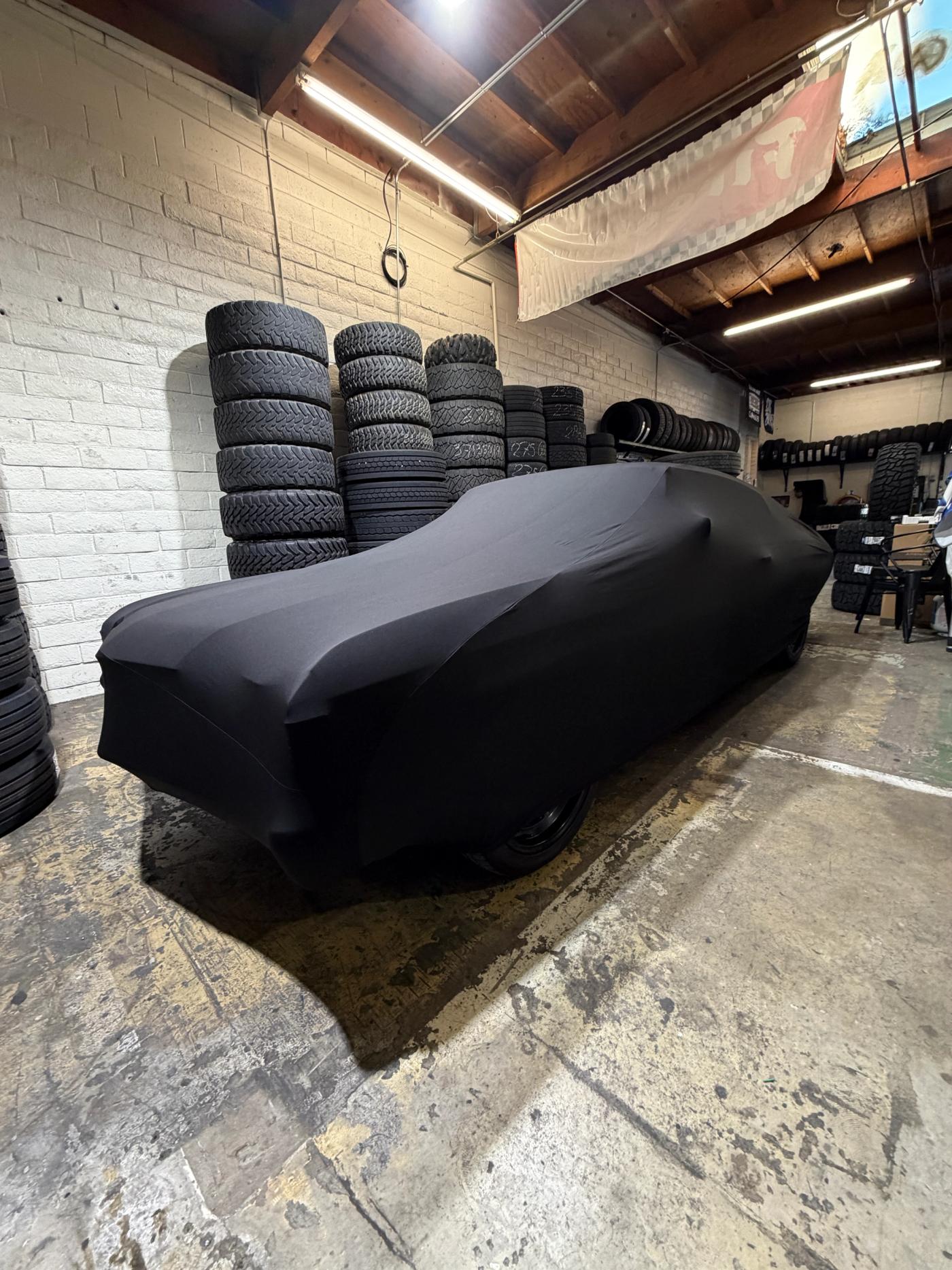
None of this matters much if you buy the wrong weight of cover for where your car actually lives. A car in a garage needs something lighter, mostly there for dust and scratches. Check the indoor car cover guide before you pay extra for heavy-duty weatherproofing you'll never use.
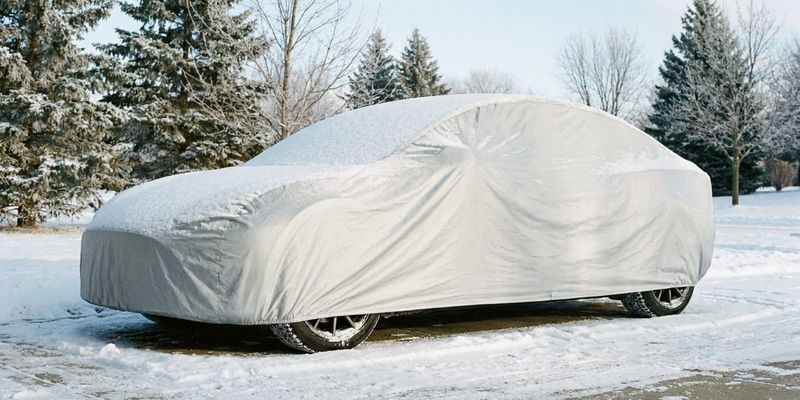
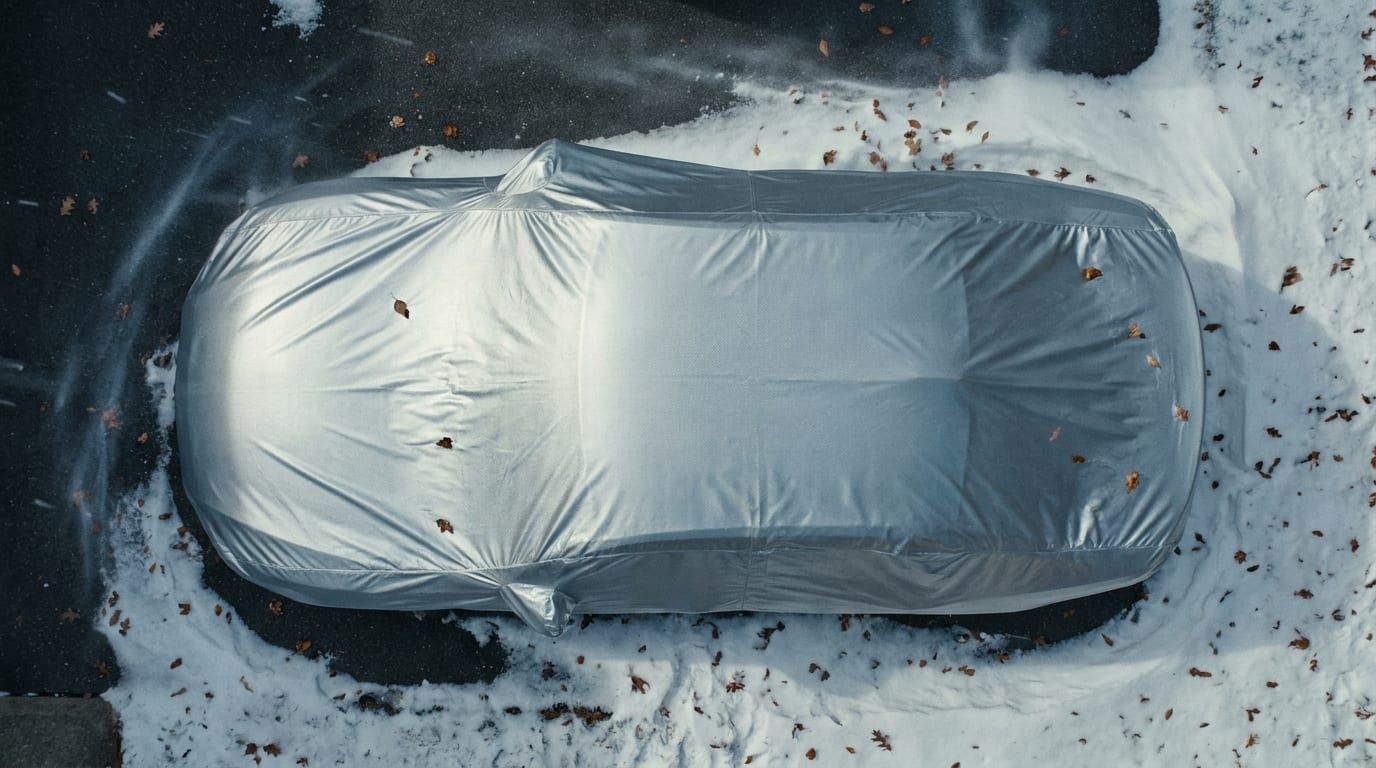
If your car sits outside year-round, that's the opposite problem. You want real UV and water protection, not a cover that just claims it. The outdoor car cover guide and waterproof car cover guide both explain what weatherproofing claims should actually hold up to before you trust the label.
Fastest way to shortcut all of this, honestly: run your year, make, and model through a coverfinder tool and let it generate the fit options for your specific vehicle. Do that on more than one site and you'll have an apples-to-apples shortlist in a few minutes. And if sizing charts between sellers have you confused (they often use different measurement points), the sizing guide explains how to translate one chart to another.
Bottom Line: Compare Specs, Not Brand Names
There's no winner declared here, on purpose. Whether CarCovers.com or California Car Cover is the better fit for you depends on which one's current listing actually matches your vehicle, your climate, and your storage setup, not which name you've heard before.
If you want a starting point, CarCovers.com's fit finder will show you Platinum, Ultimate, Deluxe, and Basic Shield options, plus Covercraft, for your specific vehicle. Pull that listing up, then open any other seller's page for the same car and compare the specs line by line. That's a better use of ten minutes than reading another round of marketing copy. And if you want more shopping reference before committing, it's worth subscribing to updates or browsing a broader buying guide while you weigh the options.