What Is Olefin Fabric? A Plain-English Guide to Polypropylene Car Cover Material
Published
If you've shopped for a car cover recently, you've probably seen "olefin" listed somewhere in the fabric description and wondered what it actually means. So what is olefin fabric? It's the textile industry's name for polypropylene, a synthetic fiber that's been showing up in everything from boat seats to outdoor rugs for decades. In car covers, it's usually one piece of a bigger multi-layer puzzle, not the whole story. Here's what it is, what it does well, and where it fits into cover construction.
What Is Olefin Fabric, Exactly?
Olefin is the common fiber name for polypropylene, a synthetic polymer made from propylene gas. Chemists call it polypropylene. Textile labels call it olefin. Same material, different name depending on which side of the manufacturing process you're standing on.
It gets lumped in sometimes with polyethylene, since both belong to the broader "olefin" family of polymers built from similar chemical building blocks. But they're not interchangeable. Polyethylene shows up more in plastic sheeting and packaging. Polypropylene is the one doing the heavy lifting in outdoor textiles, carpeting, rope, and car covers, so when someone asks what is olefin fabric in an automotive context, they're almost always talking about polypropylene specifically.
It's not new. Polypropylene fiber was commercialized back in the 1950s and spent the following decades working its way into carpet backing, outdoor furniture upholstery, marine rope, and eventually protective vehicle covers. It earned that spot the slow way: it's cheap to produce, tough for its weight, and doesn't rot.
Key Properties of Olefin Fabric

The reason olefin keeps landing in outdoor products comes down to a short list of physical traits.
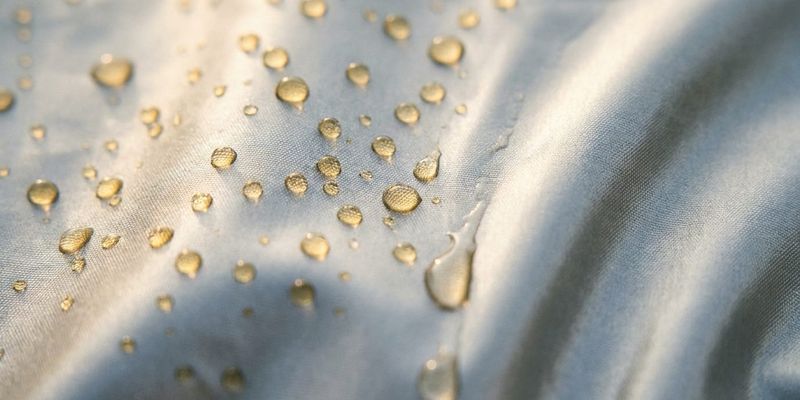
Moisture resistance is the big one. Polypropylene fibers barely absorb water, which means fabric made from it dries fast and doesn't hold onto the damp conditions mildew needs to take hold. Compare that to cotton, which soaks up water like a sponge and can take a day to fully dry out.
It's also light. Pound for pound, polypropylene is stronger than a lot of natural fibers, so manufacturers can build a durable fabric without piling on weight. That matters for a car cover you're expected to fold, carry, and throw over a hood by yourself.
It resists abrasion, stains, and most common chemicals better than untreated natural fabric. Road grime, bird droppings, a splash of gasoline at the pump, none of it soaks in the way it would with plain cotton.
There's a catch, though. Raw, untreated olefin isn't naturally great in constant direct sun. Prolonged UV exposure can break down the fibers over time unless the material's been stabilized or paired with a UV-resistant coating. That's a real limitation, not a footnote, if you're leaving a cover outside for months at a stretch.
And in woven or non-woven constructions, it breathes reasonably well, letting trapped moisture and condensation escape instead of pooling under the cover against your paint.
How Olefin Fabric Is Used in Car Covers
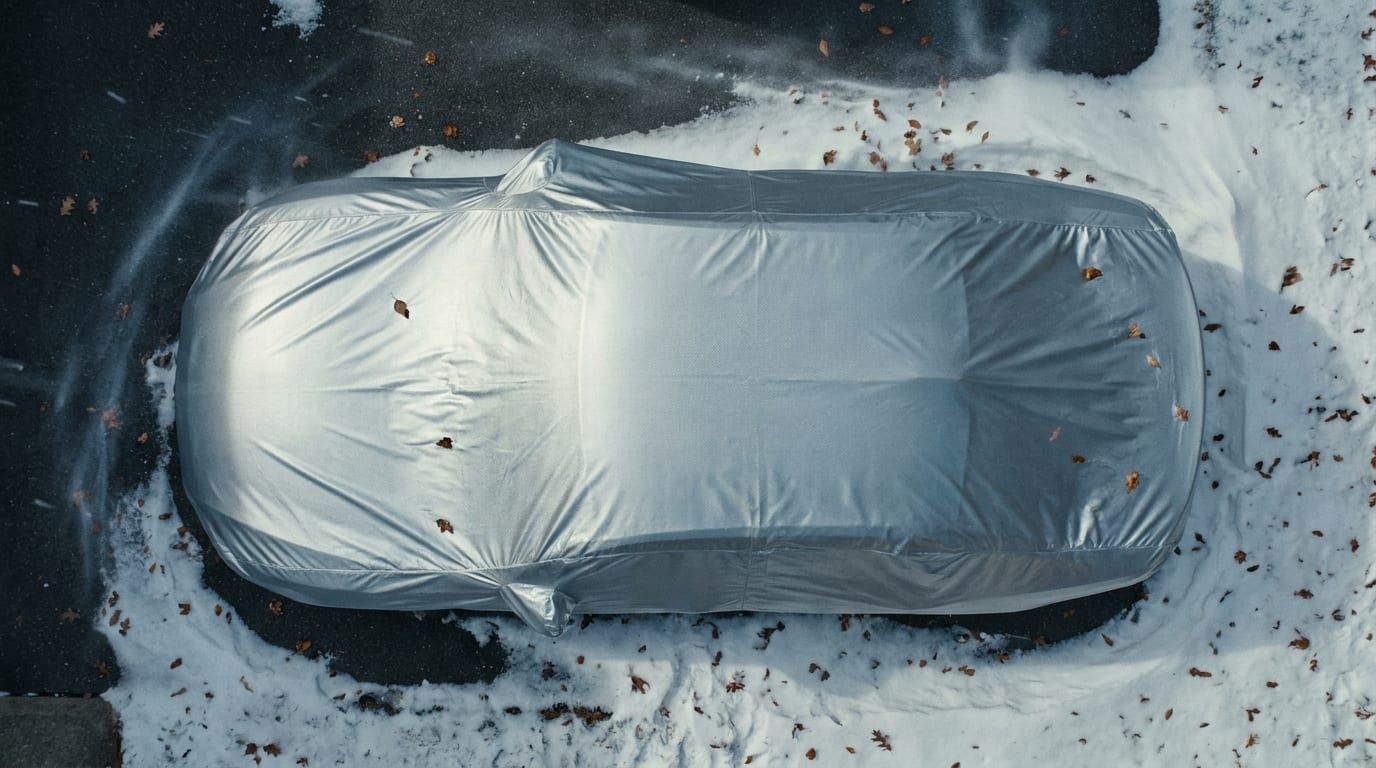
Here's the thing most people get wrong about car cover materials: no single fabric is doing everything. Polypropylene typically shows up as one or more layers in a multi-layer build, paired with other materials that handle water resistance, UV blocking, and interior softness.
CarCovers.com's Ultimate Shield and Deluxe Shield covers are built this way, using multi-layer polypropylene fabric construction rather than a single sheet of material.
The logic behind layering is straightforward. Ask one fabric to block UV, shed rain, resist abrasion, and stay soft against your clearcoat all at once, and you'll end up compromising on at least one of those jobs. Split the work across layers instead: an outer layer engineered for water and UV resistance, a middle layer for breathability, an inner layer soft enough not to scratch the finish. Each layer does one job well instead of every layer doing every job adequately.
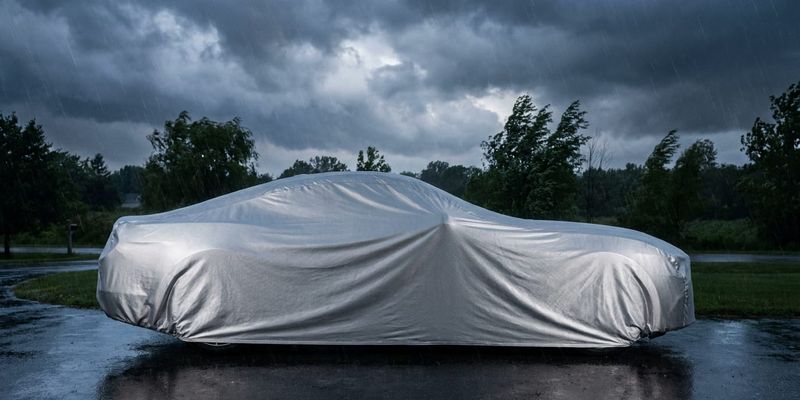
Worth being clear on: olefin by itself doesn't make a cover waterproof or UV-proof. Those properties come from how the layers are built and treated together, not from the base fiber alone. If full waterproofing is the priority, it's worth reading through what actually makes a waterproof car cover work before assuming any fabric name guarantees it.
Olefin vs. Other Car Cover Fabrics
Car cover shopping turns into alphabet soup fast: olefin, polyester, vinyl, poly-cotton. None of them is a flat upgrade over the others. Each is a different set of trade-offs.
| Material | Strength | Trade-off |
|---|---|---|
| Olefin (polypropylene) | Lightweight, low moisture absorption | UV-sensitive without stabilization or coating |
| Cotton / poly-cotton blends | Breathable, soft against paint | Heavier, slower to dry |
| Vinyl / PVC | Fully waterproof | Less breathable, can trap condensation |
| Polyester | Versatile, wide quality range | Performance depends heavily on weave and coating |
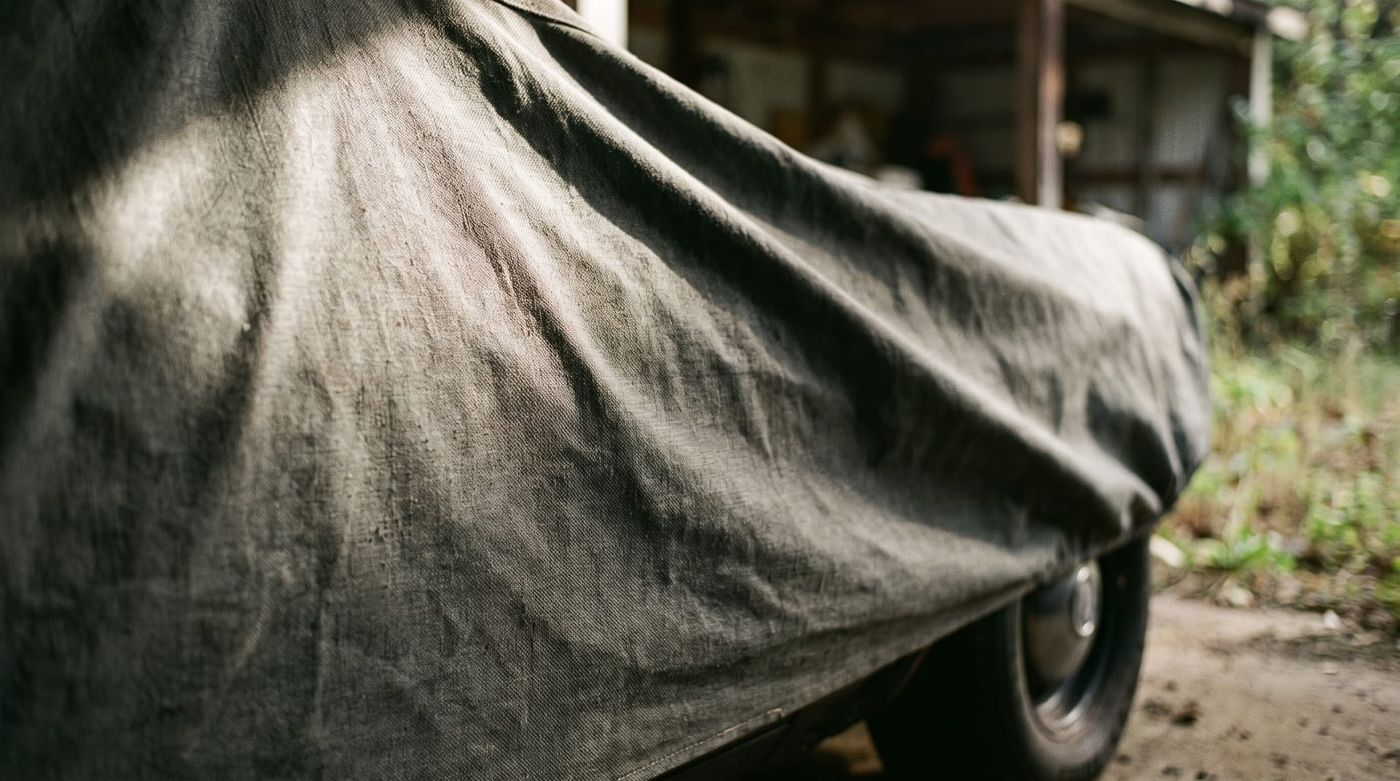
Cotton and poly-cotton blends breathe well and feel gentler against a finish, but they're heavier and take longer to dry out after rain, which is exactly the kind of damp-fabric situation that invites mildew. Vinyl and PVC covers are about as waterproof as fabric gets, but that same impermeability means they don't breathe, so moisture that gets in from the edges or condensation can get trapped underneath. Polyester sits in the middle and shows up in both budget and premium covers, but how good it actually is depends almost entirely on the weave density and coating, not just the fact that it says "polyester" on the tag.
The real takeaway: the fabric name on the label tells you less than the construction behind it. A loosely woven, uncoated version of any of these materials will underperform a tightly woven, properly coated version of the same fiber. Waterproof fabric construction in general comes down to weave density, layer count, and coating quality working together, not the base material's reputation alone.
Is Olefin Fabric a Good Choice for Your Car Cover?
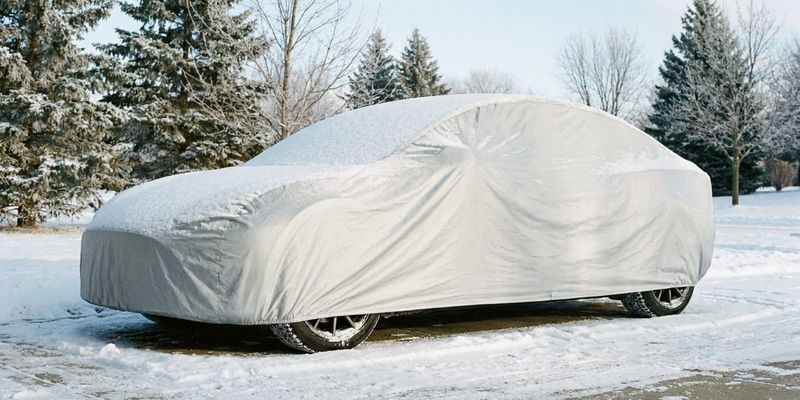
Before you lock in a fabric type, ask yourself a few practical questions. Where does the vehicle actually live? Garage, carport, or out in the open? What's the climate doing to it: brutal sun, regular downpours, snow load?
Multi-layer polypropylene builds are generally positioned for outdoor, all-weather use, given the moisture resistance and durability covered above. If your car sits under a carport with partial coverage, or in a garage most of the time, you may not need the same heavy-duty, multi-layer approach that a car parked on the street year-round does. For vehicles that live outside full-time, it's worth reading up on what outdoor car covers need to hold up against before buying.
One more thing worth flagging: not every cover on CarCovers.com uses the same fabric. The site carries its own Platinum, Ultimate, Deluxe, and Basic Shield lines alongside Covercraft-brand covers, and construction varies by product line. Don't assume "car cover" means one universal fabric spec across the board. Check the actual product listing for the material breakdown before you buy.
Fit matters just as much as fabric, honestly maybe more. A great fabric on a cover that's too loose will flap in wind and let water wick in at the seams; too tight, and it'll stretch and wear thin at the stress points. A custom-fit car cover built to your vehicle's actual dimensions gets more out of whatever fabric it's made from than an ill-fitting universal one ever will.
Caring for an Olefin or Polypropylene Car Cover
Shake off loose debris, leaves, dirt, whatever's settled on it, before you fold the cover up for storage. It sounds minor. It isn't, grit ground into folded fabric wears down fibers over time.
Skip the high-heat dryer cycle. Synthetic fibers like polypropylene are heat-sensitive, and too much heat can warp or weaken them in ways you won't notice until the cover starts failing early.
For everyday grime, spot-clean with mild soap and water rather than jumping straight to a full wash. When a full clean is actually needed, stick to gentle detergents and skip harsh solvents, they can strip away UV coatings and water-resistant treatments baked into the fabric. There's a full walkthrough in how to clean a car cover step by step if you want the detailed version, and a shorter reference at cover care basics.
Store the cover itself somewhere dry when it's not on the car. Olefin resists moisture absorption, sure, but a damp cover balled up in a trunk or shed can still pick up mildew smell and pass it along next time you use it.
Bottom Line on Olefin Fabric
So, what is olefin fabric at the end of the day? It's polypropylene by another name: light, moisture-resistant, strong for its weight, and a common building block in multi-layer car cover systems. On its own it's not magic, and it's not waterproof or UV-proof without the right treatment and layering around it.
Construction is what actually decides how a cover performs, not the fiber name stamped on the tag. Weave, layers, coatings, fit, that's the real spec sheet.
If you're trying to match a fabric and construction to your actual climate and parking situation, it's worth spending a few minutes with CarCovers.com's cover finder or browsing the full car cover lineup before deciding. And if you found this rundown useful, keep an eye on the CarCovers.com articles section, there's more where this came from on materials, care, and fit.