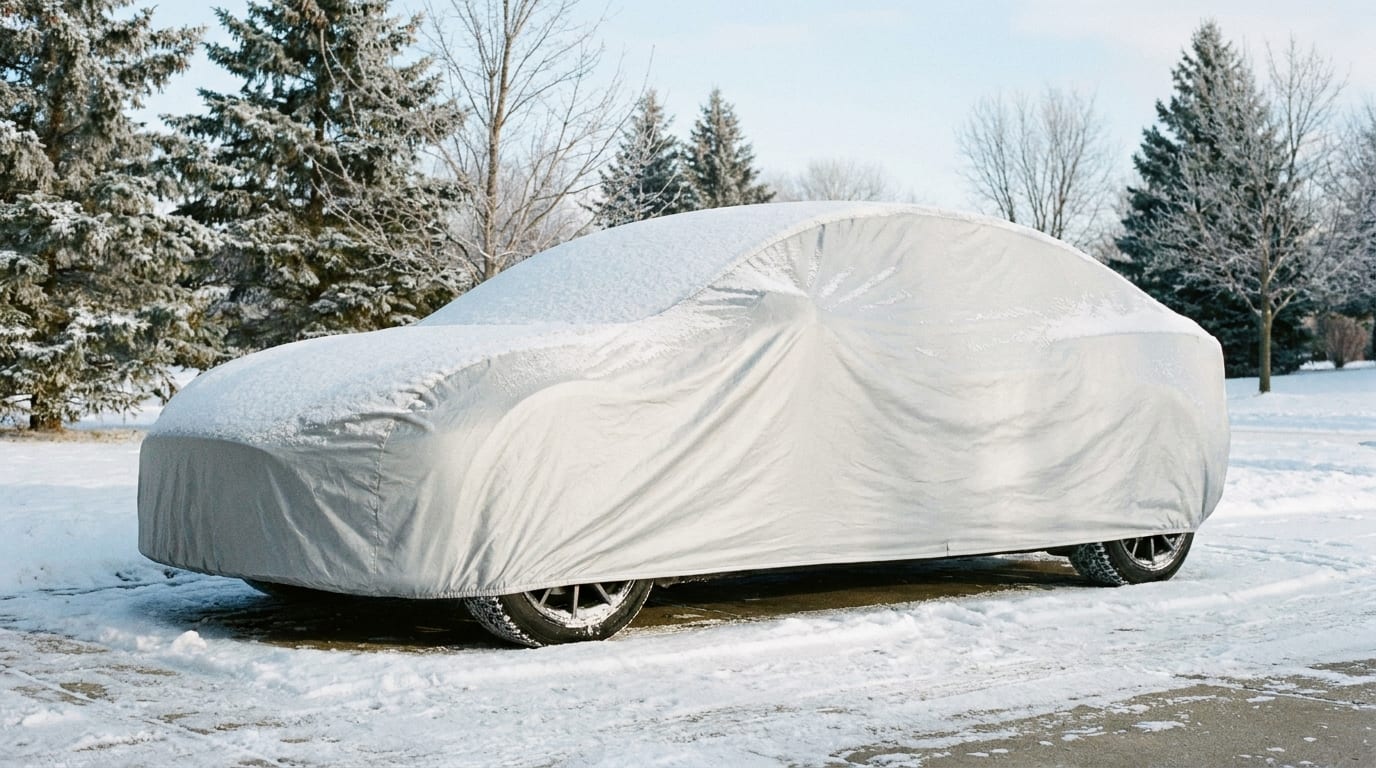
Can you recommend a good car cover for a SUV parked in a snowy climate like Minnesota? Yes: go with a heavy-duty, multi-layer waterproof outdoor cover rated for snow and ice load, with a soft fleece-style inner lining and an elastic hem plus storm straps or grommets to anchor it down. Anything lighter is a gamble once the wind picks up and the wet snow starts piling on the hood. This isn't a climate where a thin, bargain-bin cover earns its keep.
The Direct Answer: What to Buy for Minnesota Winters

A lightweight "universal" cover, or one marketed mainly for indoor dust protection, will not survive a real Minnesota winter. Freeze-thaw cycles crack cheap fabric. Wet, heavy snow stresses seams. And the wind gusts that roll across open parking lots and rural driveways, often 30 mph or more, will find any loose fold of fabric and use it to rip the cover right off the vehicle.
Here's how the main cover types stack up for someone asking exactly this question, can you recommend a good car cover for a SUV parked in a snowy climate like Minnesota, and weighing their options:
| Cover Type | Waterproofing Level | Snow/Ice Load Handling | Wind Security | Best For |
|---|---|---|---|---|
| Lightweight/universal | Water-resistant at best | Poor, sags and pools water | Low, prone to flapping and lifting | Mild climates, short-term indoor use |
| Mid-weight outdoor | Waterproof | Fair, handles light snow | Moderate, needs straps | Covered carports, less exposed spots |
| Premium multi-layer outdoor | Fully waterproof | Strong, structured shell sheds snow | High with elastic hem and storm straps | Open driveways, rural lots, full Minnesota winters |
If your SUV sits uncovered in a driveway or apartment lot all season, that third row is where you want to be shopping. A good starting point is browsing SUV covers built specifically for outdoor, all-weather use rather than general-purpose ones.
One more thing worth knowing before you buy: a custom-fit cover, sized to your exact SUV model, outperforms a universal one in wind and snow-shedding. There's no extra fabric billowing around the wheel wells, no loose hem catching wind, no fabric pooling water where it shouldn't. It just sits tight to the body and does its job.
What Makes a Cover "Snow-Ready" for an SUV
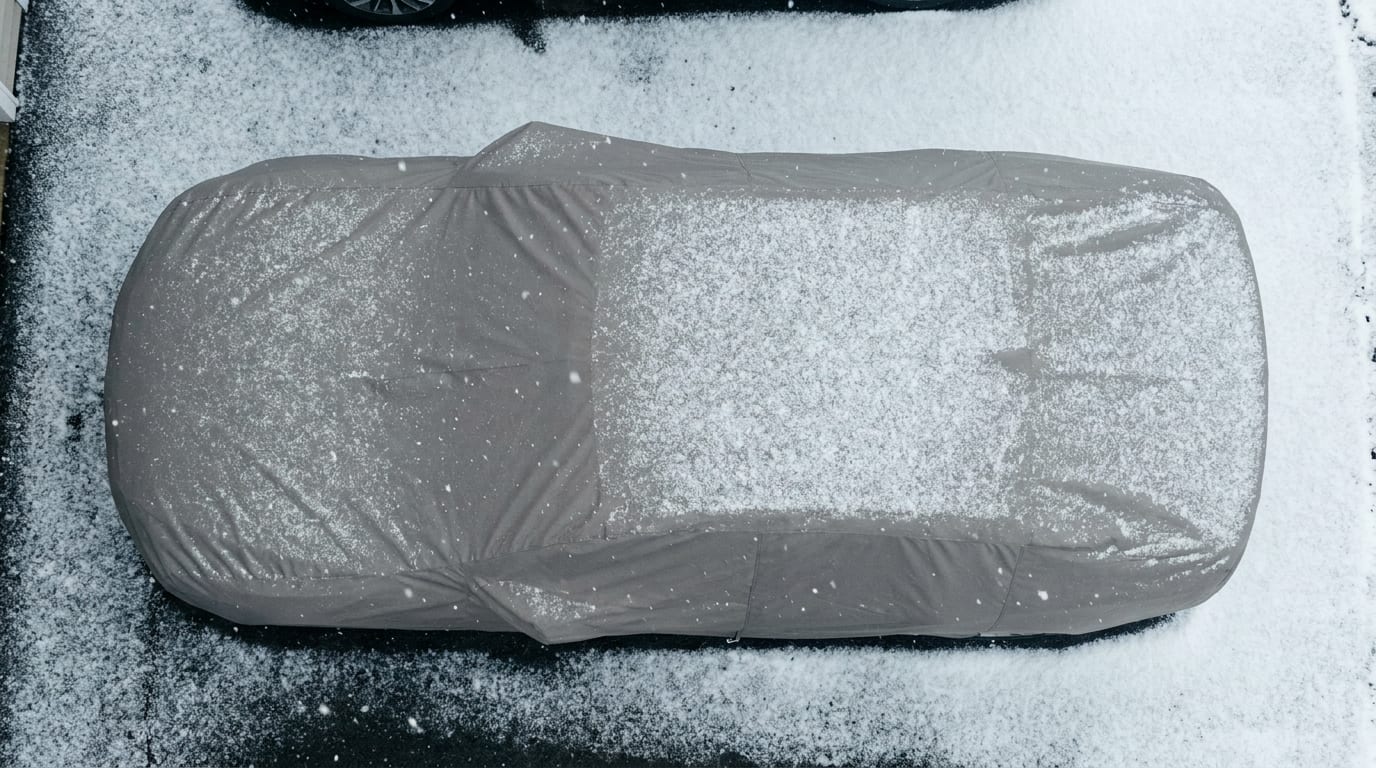
Three features are non-negotiable here. First, the outer shell needs to be waterproof, not water-resistant. Those sound similar, but they aren't. Water-resistant fabric slows moisture down. Waterproof fabric stops it. In a Minnesota winter, where snow sits on the vehicle for days at a time before melting, that difference matters a lot.
Second, the fabric itself needs to handle sub-zero temperatures without going stiff and cracking. Cheap vinyl and basic polyester covers get brittle in extreme cold. Flex them, or let wind whip them around enough times, and they'll split at the seams by February.
Third: breathability. This one surprises people. A cover that's waterproof but doesn't breathe traps condensation underneath it, and that moisture can freeze into a sheet of ice sitting right on your paint. You want something that blocks snow and rain from above while still letting trapped vapor escape from below. A good waterproof car cover is built with that balance in mind, not just maximum water blockage at any cost.
Construction matters too. A single-layer tarp-style cover is basically a flat sheet, it sags in the middle under snow weight and lets meltwater pool right on the roof. A structured multi-layer cover holds its shape better, so snow slides off the roofline instead of collecting there.
Then there's the hardware that actually keeps the cover on the vehicle. Elastic hems cinch the bottom edge snug around the body. Cable or strap systems let you tighten things further. Grommets give you a place to clip in ground anchors or wind straps for added security in exposed spots. None of this is glamorous, but it's the difference between a cover that's still on your SUV in March and one you're chasing across the yard in January.
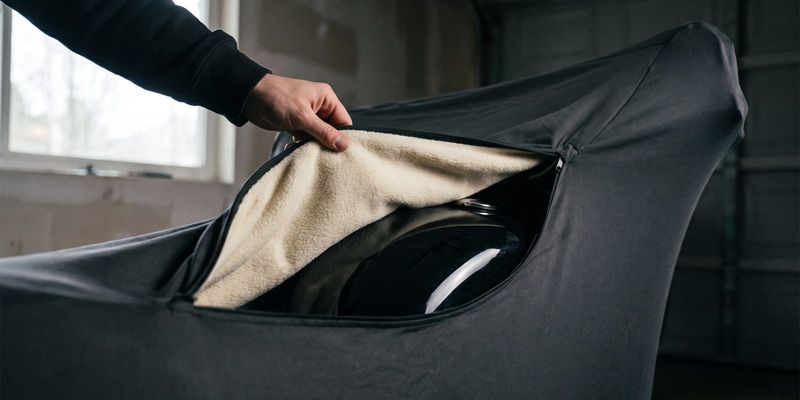
Small details count too when a cover is staying on for months straight. Mirror pockets keep the fabric from flapping against your side mirrors. Antenna-compatible cutouts mean you're not forcing a hole where one doesn't belong. These are easy to overlook when you're comparing covers online, but they're the kind of thing you notice daily once the cover's actually on.
Sizing Your SUV Cover Correctly
Custom-fit covers are built to your exact year, make, and model. Universal and semi-custom covers use a size range meant to fit a handful of vehicles loosely. For a cover that's going to live on your SUV through an entire Minnesota winter, custom-fit is worth the extra cost. You're not paying for a label, you're paying for a cover that actually matches your vehicle's contours.
Before you buy, have a few measurements and details ready: overall length, height, and whether you've got a roof rack, spoiler, or antenna that changes the shape the cover needs to accommodate. These details decide whether you need a standard fit or a version built around accessories.
Get the sizing wrong in either direction and you'll feel it all winter. Oversized covers leave slack fabric that whips around in wind and creates little pockets where snow drifts and collects, adding weight right where you don't want it. Undersized covers are arguably worse: they leave the lower body panels and wheel wells exposed, which means road salt and slush get direct contact with your paint and undercarriage all season long.
If you're not sure which size or fit type matches your specific SUV, a sizing guide can walk you through it, and a custom-fit car cover built for your model takes the guesswork out entirely.
Installing and Securing the Cover Against Wind and Snow Load
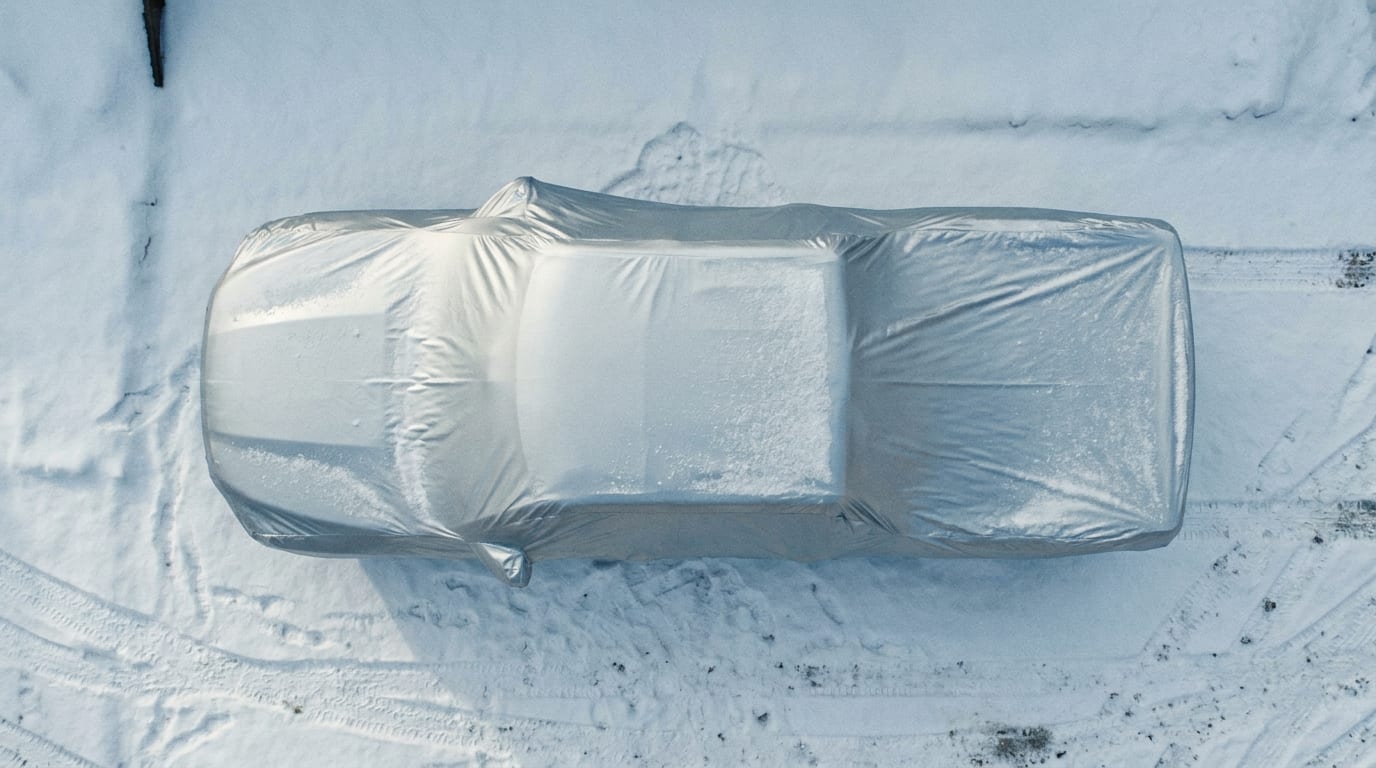
Open, windy parking spots, driveways, rural lots, apartment complexes, need more than just draping a cover over the SUV and walking away. Built-in grommets paired with ground stakes anchor the cover at fixed points, which matters a lot in wide-open areas with nothing to block the wind. If your cover doesn't come with that setup, add-on gust straps that loop underneath the vehicle do a similar job, cinching the cover tight against the body so there's no fabric left to catch air.
Brush off accumulated snow before it compacts into ice. This sounds like a minor chore, but it's not optional. Every time snow sits long enough to pack down and freeze, it adds weight that stresses the seams and stretches the elastic hem. Do that enough times over a season and you'll shorten the cover's life considerably. A quick brush-off after each storm takes two minutes and saves you from that slow breakdown.
For anyone parking in a shared driveway or a lot where the vehicle isn't fully private, a cable lock adds theft protection on top of weather protection. It threads through the cover and secures around the vehicle, so the cover isn't an easy thing to just lift off.
One more install tip worth knowing: a tripod support pole placed under the windshield area gives heavy, wet snow somewhere to slide off instead of pooling against the glass. It's a small accessory that solves a specific problem, the flat windshield area is usually where snow sits the longest.
Cleaning and Maintaining the Cover Through Winter
Minnesota roads get heavily salted and treated with de-icing chemicals all winter, and that residue doesn't stay on the pavement. It splashes up onto the lower half of the cover, and left there, it can degrade the fabric faster than plain snow and cold ever would. This is one area where Minnesota owners genuinely need to do more than someone in a milder climate.
A simple cadence works: shake off snow after each storm, rinse off visible salt residue whenever temperatures climb enough to do it safely, and make sure the cover is fully dry before any extended storage. Our full cover care and cleaning guide covers the specifics on products and technique, but the short version is don't let salt sit on the fabric for weeks at a time.
Watch for warning signs that the cover's wearing out. Cracking fabric, torn or stretched-out elastic, water soaking in instead of beading up on the surface, these all mean the cover's waterproofing is failing. Once that happens, it's not protecting your SUV anymore, it's just adding wet weight on top of it.
Warranty and Buying Considerations
Winter-climate buyers put more wear on a cover than most. Between the cold, the road salt, and UV reflecting intensely off bright snow, your cover is working harder here than it would in, say, Arizona. That's exactly why a solid warranty matters more when you're buying for Minnesota conditions.
A lifetime warranty typically covers manufacturing defects, things like faulty stitching or material flaws that show up regardless of how the cover's used. What it generally won't cover is damage from an incorrect fit or a lack of basic maintenance, so an undersized cover that tears from constant flapping isn't a warranty issue, it's a sizing one.
After you buy, register the cover. It's a small step that keeps your warranty coverage active and gives you something to point to if an issue ever does come up down the line.
Find the Right Cover for Your Specific SUV
The short version: get a multi-layer waterproof outdoor cover sized correctly for your SUV, secure it with straps or a cable lock, and clean it periodically through the winter. That combination is what actually holds up against Minnesota snow, wind, and road salt, season after season.
If you're still not sure which fit applies to your vehicle, a cover finder tool will match it to your exact year, make, and model instead of leaving you to guess at a universal size. Owners of popular Minnesota SUVs, think Subaru, Jeep, or Ford models, can go straight to their brand page and skip the guesswork entirely.
Worth doing before the first real snowfall, not after. Browse the options, compare fit types, and if you want more seasonal car care advice like this, keep an eye on our articles for the next guide.