


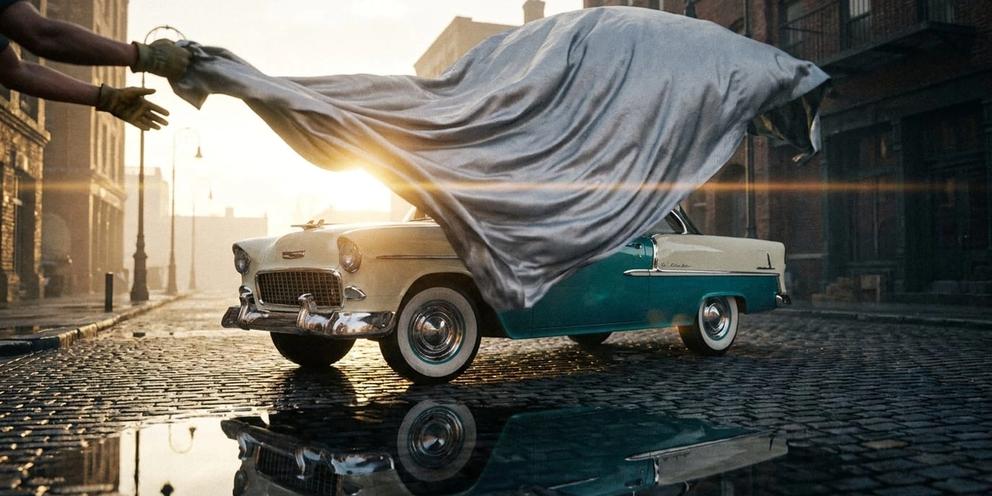
Best Car Cover for Classic Cars: Comparison Table, Buyer Checklist & FAQ
Classic cars weren't built with modern clear coat, and that's exactly the problem. A 1967 Mustang's lacquer paint, a Jaguar E-Type's chrome bumpers, or a Bel Air's original vinyl interior all react to sun, moisture, and abrasion very differently than today's factory finishes do. Picking the best car cover for classic cars means thinking past "will it fit" and into "will it preserve this car's value for another twenty years." This guide walks through a comparison table of cover types, a buyer checklist, and the storage tradeoffs that actually matter before you spend money.
Why a Classic Car Needs a Different Cover Than a Daily Driver
Original paint doesn't forgive the way modern clear coat does. UV rays fade single-stage paint faster, chrome trim pits when moisture sits on it too long, and vinyl or cloth interiors dry out and crack under repeated sun exposure through windows. A cover that's "good enough" for a leased Camry isn't good enough here.
Most classic car owners aren't optimizing for grab-and-go convenience. They're optimizing for preservation, and often resale value down the line. That changes the calculus entirely. A daily driver owner might accept a slightly loose universal cover because they're pulling it on and off every day. A classic car owner leaving a car covered for weeks or months needs something that won't scratch, trap moisture, or shift in the wind.
This is where the search for the best car cover for classic cars gets more specific than a generic "top 10 covers" list. You need a comparison of cover types by material, fit, and storage use, and a checklist to run against your specific car before buying. That's what the rest of this article covers, including how indoor storage, outdoor storage, and semi-permanent storage each call for a different cover profile.
Comparison Table: Cover Types for Classic Cars
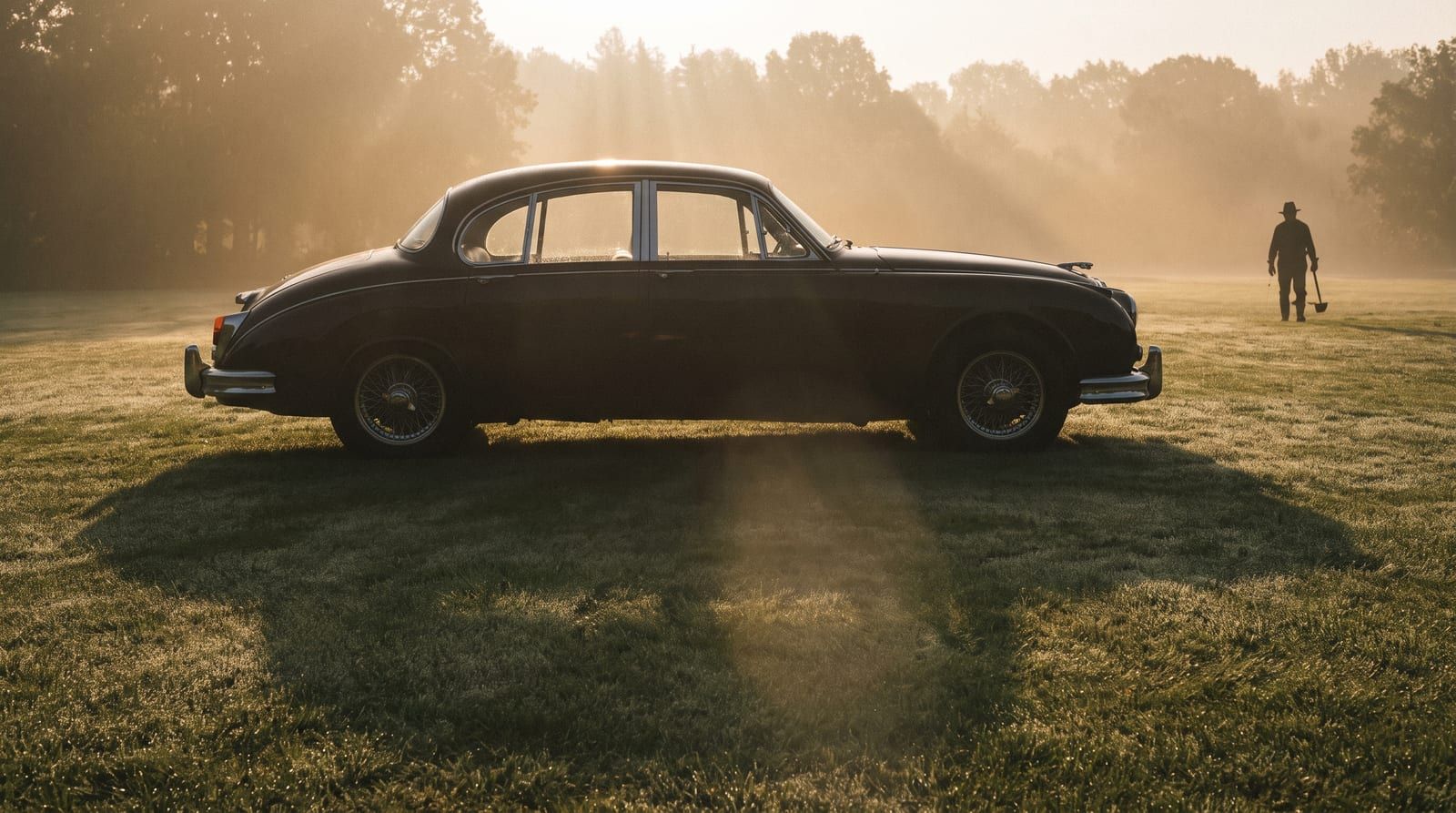
Here's how the main cover categories stack up for a collector car, broken down by the factors that actually matter for long-term preservation.
Indoor Satin/Fleece-Lined Covers
- Best storage environment: Climate-controlled garage or indoor storage unit
- Material and lining: Soft satin or fleece interior that won't scratch paint, paired with a lightweight breathable outer shell
- Fit precision: Often available in custom or semi-custom fit for classics
- Protection features: Dust and light scuff protection, minimal UV or waterproofing since it's not needed indoors
- Price tier: Entry-level to mid-tier
Outdoor Multi-Layer Waterproof Covers
- Best storage environment: Uncovered driveway or exposed outdoor parking
- Material and lining: Multi-layer laminate shell for UV and water resistance, often with a soft inner layer to protect the finish
- Fit precision: Usually semi-custom or custom, since loose fabric flapping in wind causes abrasion
- Protection features: UV blocking, waterproofing, reinforced grommets for tie-downs, and breathable membranes to prevent trapped moisture
- Price tier: Premium
Semi-Custom Fit Covers
- Best storage environment: Mixed-use, like a carport or partially covered space
- Material and lining: Varies by manufacturer, usually a middle ground between soft indoor fabric and weatherproof outdoor shells
- Fit precision: Sized to general body style and dimensions rather than exact year/make/model patterning
- Protection features: Moderate UV and water resistance, decent breathability
- Price tier: Mid-tier
Custom-Fit Covers
- Best storage environment: Any, indoor or outdoor, since they're built to the specific vehicle
- Material and lining: Patterned to the exact year, make, and model, often combining a soft lining with a weather-resistant shell
- Fit precision: Highest available, accounting for classic-specific bodylines like long hoods, running boards, and fender flares
- Protection features: Full feature set depending on the outdoor/indoor version chosen
- Price tier: Premium
If you're weighing custom-fit car covers against something more generic, the fit precision alone usually justifies the cost on a classic body style. A universal or loose semi-custom cover on a car with sweeping fenders or a long hood tends to shift and rub exactly where you don't want it to. For garage-kept cars, something like an indoor black satin cover hits the right balance of softness and price. For anything left outside, look specifically at outdoor car covers built with waterproof layering rather than a basic water-resistant coating.
The general rule: pick based on storage conditions first, fit precision second, and feature set third. A gorgeous outdoor cover with UV blocking does nothing for you if it's sized wrong and rubbing on your trim every time the wind picks up.
Buyer Checklist: What to Confirm Before You Buy
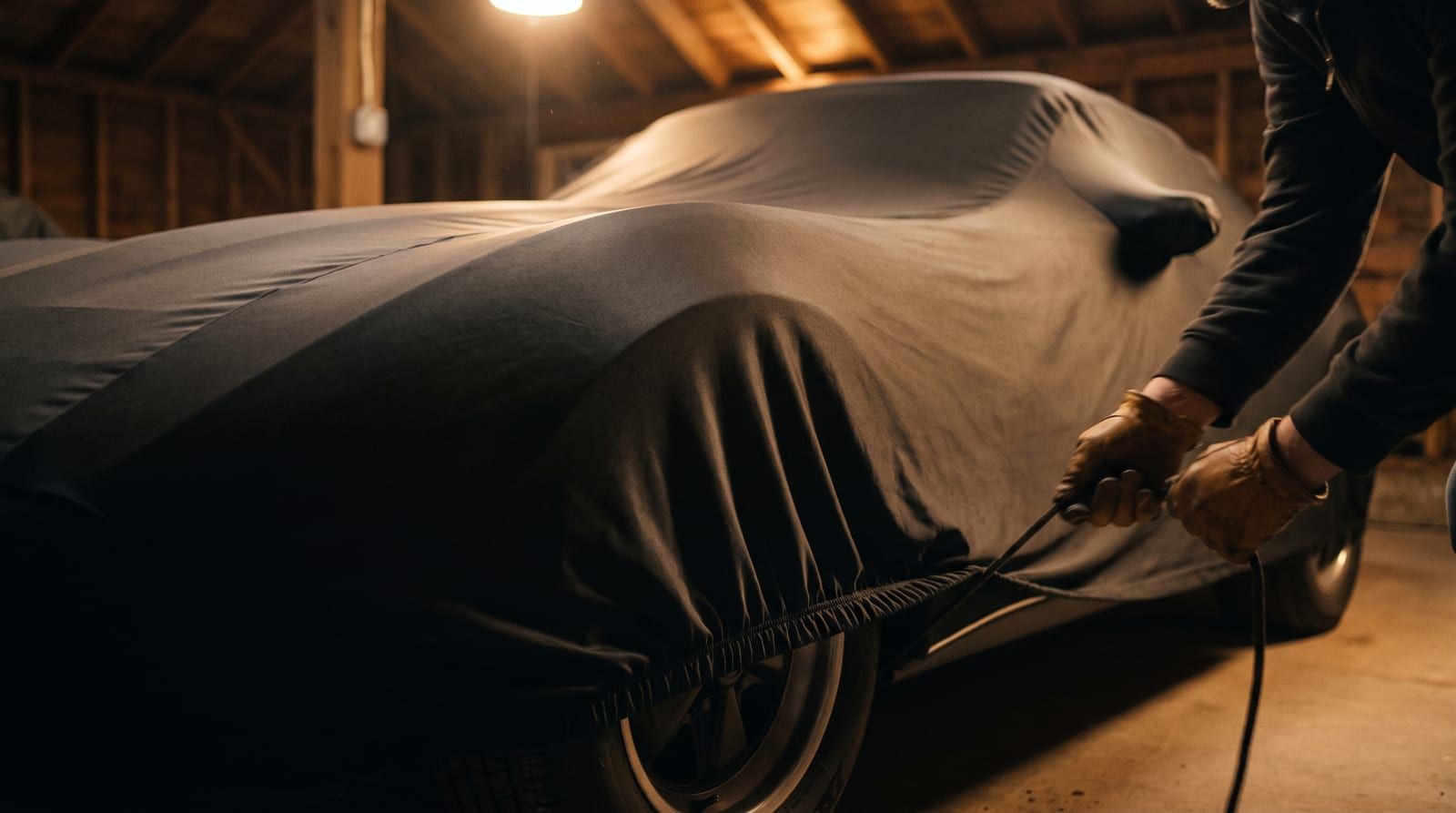
Before you add anything to cart, run through this list.
- Confirm exact year, make, and model measurements. Generic "sedan" or "coupe" sizing doesn't account for a classic's actual proportions. Use a proper size lookup instead of guessing from a chart built for modern vehicles.
- Decide indoor vs. outdoor use before choosing material weight. This single decision determines whether you need a soft lightweight lining or a heavier, laminated outer shell.
- Check for a soft interior lining if the car will stay covered for weeks or months. Fleece or satin linings matter more than people expect, since even a "breathable" fabric can micro-scratch paint if the inner layer is stiff or rough.
- Verify breathability. Especially in humid climates, a cover that seals in moisture against original paint or chrome causes more damage than leaving the car uncovered.
- Check seam construction and grommet placement. Double-stitched seams hold up longer, and grommets positioned for tie-downs matter a lot if the car sits outdoors where wind is a factor.
- Confirm return policy and warranty coverage. Classic car owners tend to keep a cover for years, not months, so know what you're covered for before you buy. Check the lifetime warranty terms if that's part of the offer.
- Account for classic-specific bodylines. Running boards, long hoods, and fender flares are exactly the features that make a generic-fit cover fail. This is where custom fit earns its price premium.
None of these items are optional if preservation is the goal. Skip one, and you're rolling the dice on the exact finish you're trying to protect.
Indoor vs Outdoor Storage: Matching the Cover to the Environment
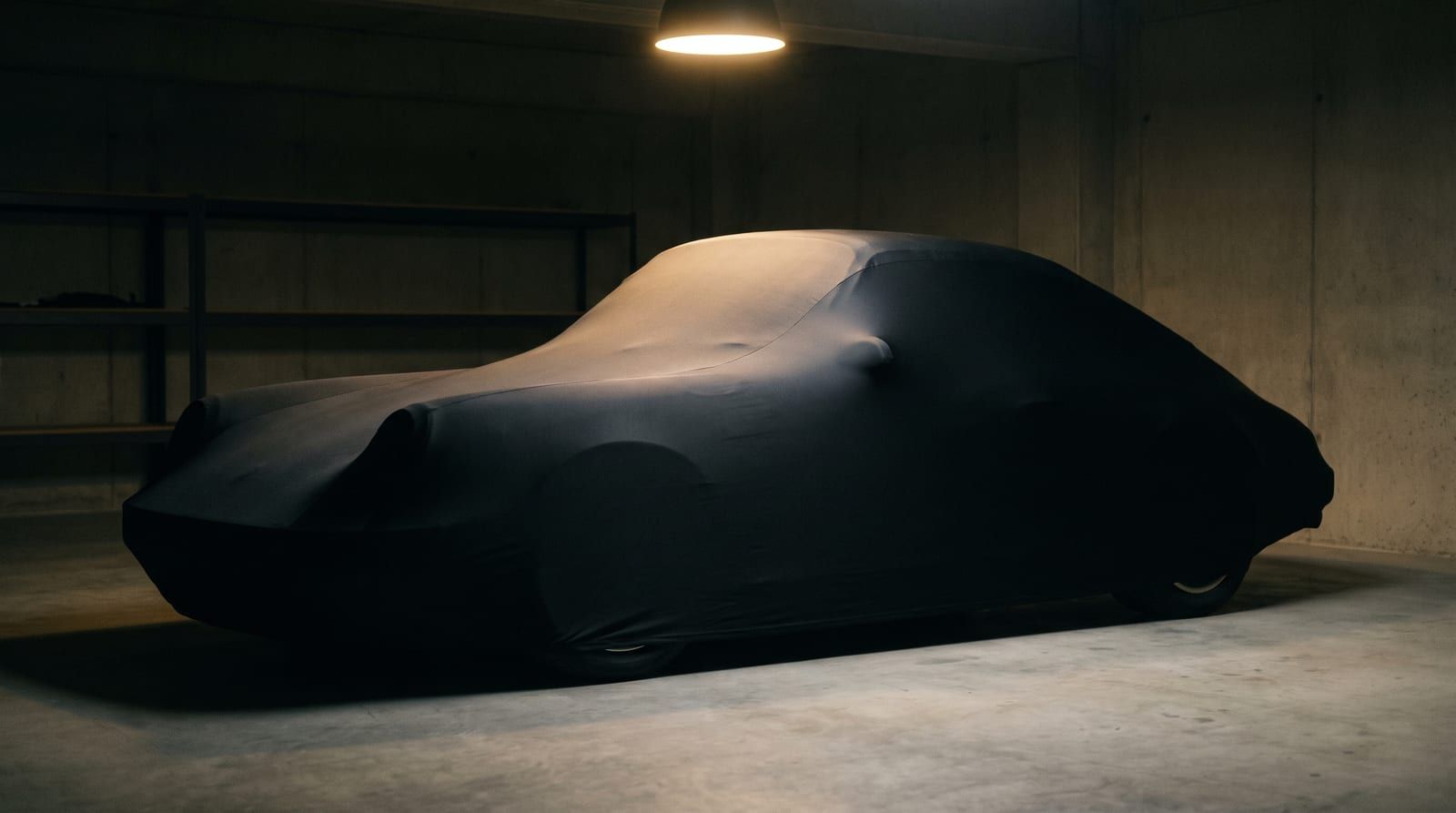
Indoor storage and outdoor storage aren't the same problem wearing different clothes. Dust and the occasional bump from a stray tool are the main threats in a garage. A soft lining solves most of that. Rain, UV, wind, and daily temperature swings are what you're up against outside, and none of those get solved by a soft satin cover.
Use an outdoor-rated waterproof cover indoors and you'll trap heat and moisture the car doesn't need to deal with. That laminate shell built to shed rain doesn't breathe as well as a lighter indoor fabric, so in a closed garage it can actually work against you.
Flip it around and the mismatch gets worse. An indoor-only satin cover left outside won't survive a season of real weather. UV breaks down the fabric, rain soaks through, and you're left replacing a cover that was never built for the job in the first place.
Garages call for breathability and softness above all else. Carports, which offer partial coverage, need a cover that handles occasional rain and wind without overheating the car during the day. Fully exposed driveways need the full package: UV protection, waterproofing, and a fit tight enough that wind doesn't turn the fabric into sandpaper against your paint.
Common Mistakes Classic Car Owners Make With Covers
A few patterns show up again and again with collector car owners, and most are avoidable.
Using a tarp instead of a fitted cover is probably the most common one. Tarps don't have soft linings, they move in the wind, and they trap moisture against the body in ways that cause real damage over time. There's a reason tarps and car covers aren't interchangeable for anything you actually care about.
Buying on price alone is another. Skipping the material and lining check to save a few dollars often ends with a scuffed hood or hazed clear coat six months later. Not securing the cover with straps or a cable lock is a quieter mistake. Wind lift happens even in a light breeze, and a cover flapping loose is grinding dust and grit into the paint the whole time.
Leaving a non-breathable cover on for weeks trapping condensation is a slow-motion problem. You won't notice it until you pull the cover and find water spots or the beginnings of surface rust on chrome trim. And guessing at dimensions from a modern car's size chart instead of confirming exact measurements sets you up for a loose, rubbing fit from day one.
FAQ: Choosing a Cover for a Classic Car
What's the best material for a classic car cover?
A soft, breathable inner lining, like fleece or satin, paired with a weather-resistant outer layer if the car lives outdoors. This combination protects original paint without trapping moisture against it.
Should I use an indoor or outdoor cover for a garage-kept classic?
An indoor-rated cover with a soft lining is usually all you need. It's built for dust and light scuffs, not rain or UV, which a garage already handles for you.
Does a custom-fit cover matter more for classic cars than modern ones?
Yes. Long hoods, running boards, and other classic bodylines don't match generic sizing the way modern shapes do, and loose material rubbing against trim is a real risk over time.
How often should a classic car cover be washed?
Clean it periodically based on storage conditions and the manufacturer's care instructions. Check a proper cover cleaning guide so dirt and grit don't get ground into the paint the next time the cover is removed and refitted.
Final Recommendation and Next Step
Storage location decides the category, fit precision decides the model, and features decide which specific cover within that category. In that order, not reversed.
Run the checklist above against your car's actual year, make, and model before you buy anything. Skip the assumptions, confirm the measurements, and treat fit as seriously as material. It's also worth checking in with classic car clubs or owner communities for the same make, since a lot of practical storage knowledge lives there and rarely makes it into product descriptions.
If you want more buying guides like this one as they publish, it's worth subscribing or browsing our other car cover articles for the next car care question on your list.
Updated