


Best Car Cover for Coastal Climates: Comparison Table & Buyer Checklist
Salt air doesn't wait for a hurricane to do damage. It's working on your car's paint and hardware every single day you park within a few miles of open water, humidity or no humidity, rain or no rain. That's why picking the best car cover for coastal climates isn't the same exercise as picking any generic all-weather cover off a shelf. The materials, the hardware, and the way a cover anchors down all need to answer to salt, wind, and sun in ways inland covers simply don't have to. This guide breaks down what actually matters, compares cover tiers side by side, and gives you a checklist to run through before you buy.
Why Coastal Climates Are Hard on Cars
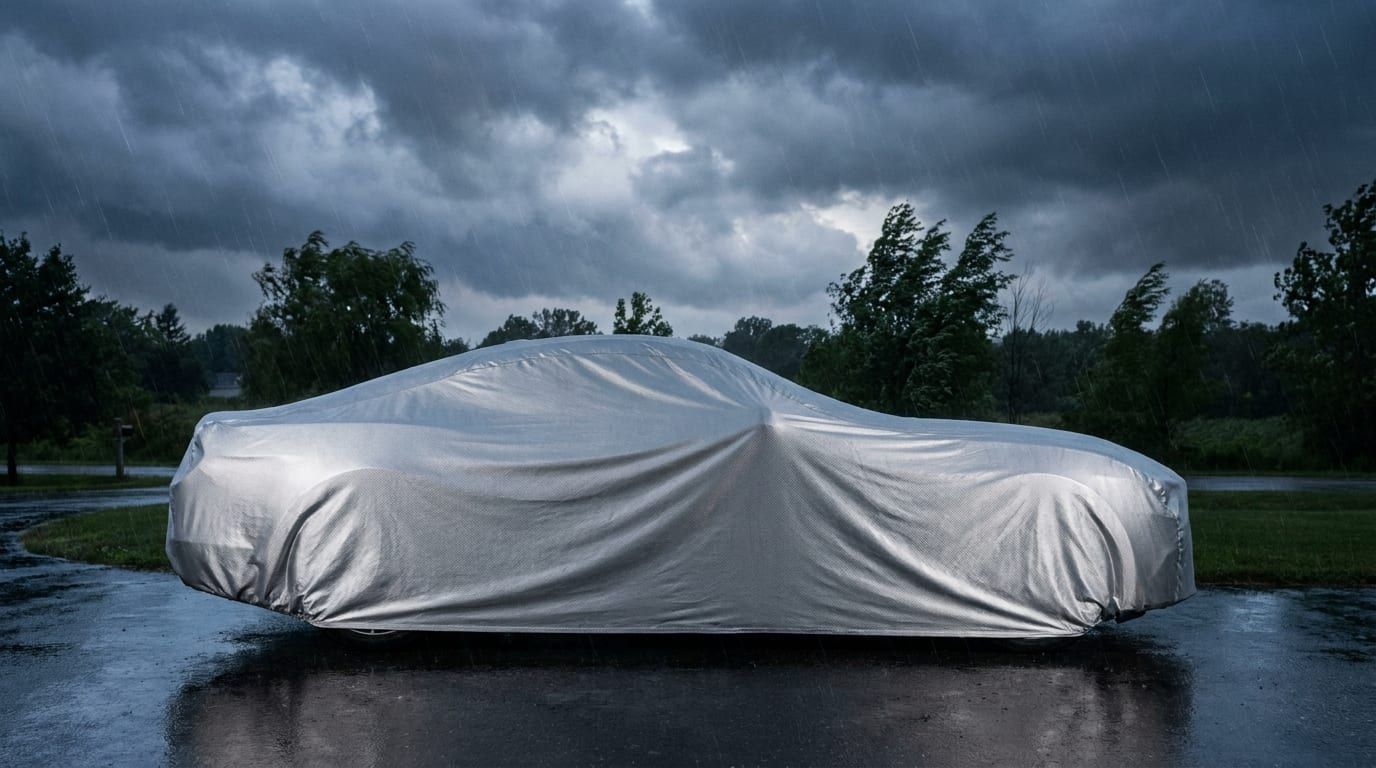
Coastal parking stacks several stressors on top of each other at once. Salt-laden air speeds up metal corrosion and breaks down clear coat faster than a dry inland environment ever would. Humidity sits in the air and clings to painted surfaces, keeping moisture trapped against the car long after a storm passes. Then there's the sun: near open water, UV exposure gets amplified by reflection off sand and waves, so the top of your car takes a harsher beating than it would a few states inland. Add in sustained wind gusts that roll off the water, and you've got a combination most "weatherproof" covers were never actually built for.
Here's the part people miss: you don't need to live steps from the sand to feel this. Salt residue travels. A car parked several miles inland still sees elevated corrosion risk compared to, say, a garage in the desert Southwest. If you're within a reasonable drive of the coast, this applies to you.
The goal of this article is to separate the features that actually matter for salt air and coastal wind from the generic "weatherproof" marketing language that shows up on every cover box. And one warning worth sitting with up front: the wrong cover can make things worse, not better. A non-breathable shell with a weak strap system traps moisture against the paint and lets salt spray creep in at loose edges, which is close to the opposite of what you bought it for. For more on how outdoor exposure affects a car day to day, our guide to using a car cover outdoors walks through the basics before you even get to coastal-specific concerns.
What to Look for in a Coastal Car Cover
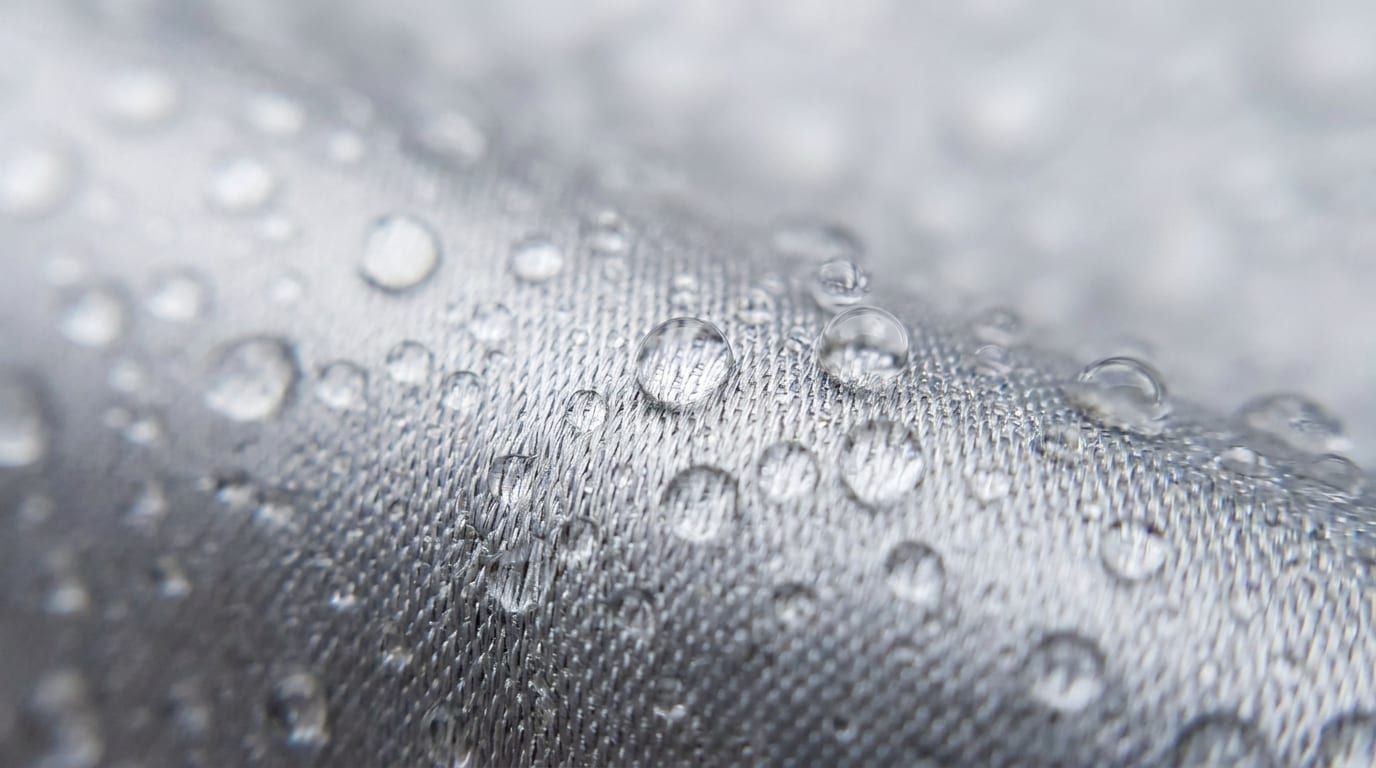
Start with water resistance versus waterproofing, because they're not the same thing and coastal buyers often assume more sealed means more protected. It doesn't. A fully waterproof, non-breathing shell traps condensation underneath it, which is bad news in a climate that's already humid. What you actually want is a water-resistant, breathable fabric that sheds rain and salt spray while still letting trapped moisture work its way out. Our breakdown of waterproof car covers gets into this distinction in more depth if you want the full picture.
UV resistance matters more here than almost anywhere else. Sun reflecting off water or sand hits a parked car from angles a cover in, say, a shaded suburban driveway never has to deal with. Look for a reflective or UV-treated outer layer, not just a standard woven fabric that happens to block some light.
Hardware is the detail people skip and then regret. Grommets, cable locks, and buckles need to be rust-resistant metal or coated, because bare steel hardware in salt air corrodes embarrassingly fast. A secure hem, elastic underside, and a proper gust strap or wind strap system are what keep a cover from turning into a sail during a coastal wind event. And breathability ties it all together: a fabric with the right weave density lets humid air escape instead of pooling under the cover, which is what causes mold, mildew, and paint staining nobody notices until it's already done damage. If you want a deeper primer on how fabric choice affects all of this, see what makes the best car cover material.
Comparison Table: Cover Materials and Tiers for Coastal Climates
Basic Outdoor Cover
- Water resistance: Sheds light rain but struggles with sustained salt spray; edges can let moisture in during wind-driven storms
- UV/reflective protection: Standard woven fabric, minimal UV treatment
- Breathability: Looser weave, generally breathable but offers little defense against driving salt air
- Wind security: Basic hem, often no grommets or strap system included
- Best-fit use case: A car that spends most of its time in a garage and only occasionally sits outdoors near the coast
- Relative price tier: Entry-level
Mid-Tier Deluxe Multi-Layer Cover
- Water resistance: Multi-layer construction sheds salt spray and rain more reliably without fully sealing the surface
- UV/reflective protection: Treated outer layer with real UV resistance, not just a marketing claim
- Breathability: Denser weave that still allows moisture to escape
- Wind security: Grommets and tie-down points standard, elastic hem in most versions
- Best-fit use case: A daily driver parked outdoors steps from the beach, needing daily protection that holds up to routine exposure
- Relative price tier: Mid-range
Premium/Platinum Tier Cover
- Water resistance: Highest-grade water-resistant, breathable fabric built specifically for sustained coastal exposure
- UV/reflective protection: Reflective outer layer designed for intense, water-amplified sun
- Breathability: Tightest weave density paired with engineered airflow to prevent trapped humidity
- Wind security: Full grommet and gust-strap system, reinforced elastic hem for sustained coastal gusts
- Best-fit use case: Seasonal storage near the shore or a weekend car kept in a coastal garage but exposed during transport and washdowns
- Relative price tier: Premium
If you're weighing these tiers against each other, it helps to look at the full range of outdoor car covers side by side, and to start from the full car cover lineup if you're not yet sure which category fits your situation.
Buyer Checklist: What to Confirm Before You Buy
Before you check out, run through this list. It's short, but skipping any one item is how coastal owners end up disappointed six months in.
- Confirm the cover is actually rated for outdoor and water-resistant use. An indoor dust cover will not hold up outside, full stop.
- Check the hardware. Grommets, buckles, and cable lock points should be corrosion-resistant, not bare steel that will streak rust onto your paint within a season.
- Verify the cover includes or supports a wind-strap or gust-strap system. Coastal gusts are not the same as a stiff breeze inland, and a cover without real anchoring will work itself loose.
- Match the cover to your exact vehicle dimensions. A loose, universal fit flaps in wind and lets salt spray in at the edges. A custom-fit car cover closes that gap, and if you're unsure what size you need, check your vehicle's exact cover size before you buy rather than guessing.
- Ask about warranty coverage. Coastal conditions wear down fabric and hardware faster than inland use does, so a lifetime warranty is worth more here than it is somewhere dry.
- Plan on a cleaning routine. Salt residue builds up on the cover itself, and if you let it sit, it degrades the fabric over time. Our guide to cleaning a car cover covers the actual process.
If you'd rather not sort through this manually, running your vehicle through the cover finder tool narrows the options down to what actually fits and matches your climate.
Do I need a waterproof or water-resistant cover near the ocean?
Water-resistant, breathable fabric is generally the better choice over a fully waterproof, non-breathing shell for coastal use. A sealed waterproof cover can trap humidity and salt moisture right up against the paint, while a breathable, water-resistant fabric sheds rain and salt spray but still lets that trapped moisture escape.
How do I stop salt air from causing rust and corrosion under a cover?
Two things do most of the work: corrosion-resistant hardware (grommets, cable locks) and a breathable fabric that doesn't hold moisture against the car. Beyond the cover itself, pulling it off periodically to wipe down both the vehicle and the cover of salt film goes a long way toward cutting down long-term corrosion risk.
How often should I clean a car cover used in a coastal climate?
More often than you would inland. Salt residue builds up faster near the coast, so rinsing or washing the cover on a tighter schedule keeps that buildup from working into the fabric. For the specific process and materials to use, see our car cover cleaning guide.
Choosing Your Coastal Car Cover: Next Steps
It really comes down to three things: fabric that's water-resistant and breathable rather than fully sealed, hardware that won't corrode the first season you own it, and a wind-anchoring system built for actual coastal gusts, not just a stiff breeze. Get those three right and you've solved most of what makes coastal car ownership hard on paint and metal.
Don't guess at fit or specs based on a generic listing. Run your exact make and model through a cover finder to see what actually matches your vehicle, and keep browsing if you want a deeper look at materials, sizing, and care before you commit.
Updated