Articles Seasonal & Weather Car Care Tips
Best Car Cover for Colorado Hail and Sun: A High-Altitude Buying Guide
Published
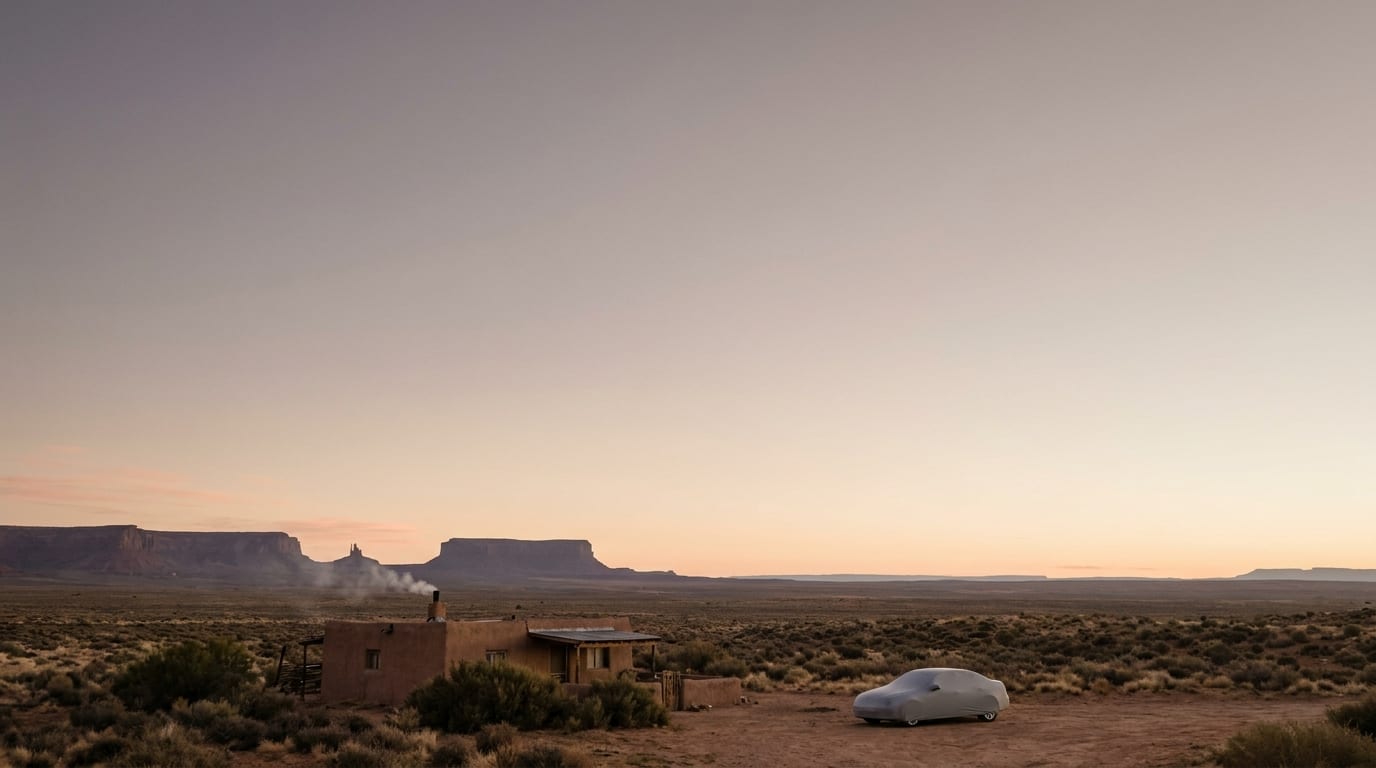
Colorado doesn't mess around with cars. One week it's 90-degree sun baking your hood at altitude, the next it's a hailstorm dropping ice the size of golf balls with maybe ten minutes of warning. If you're parking outside anywhere along the Front Range, you've probably already learned that a basic cover from the auto parts store isn't built for this. Finding the best car cover for Colorado hail and sun means understanding two very different threats and making sure one product actually handles both.
Why Colorado's Climate Is Uniquely Hard on Car Paint and Covers
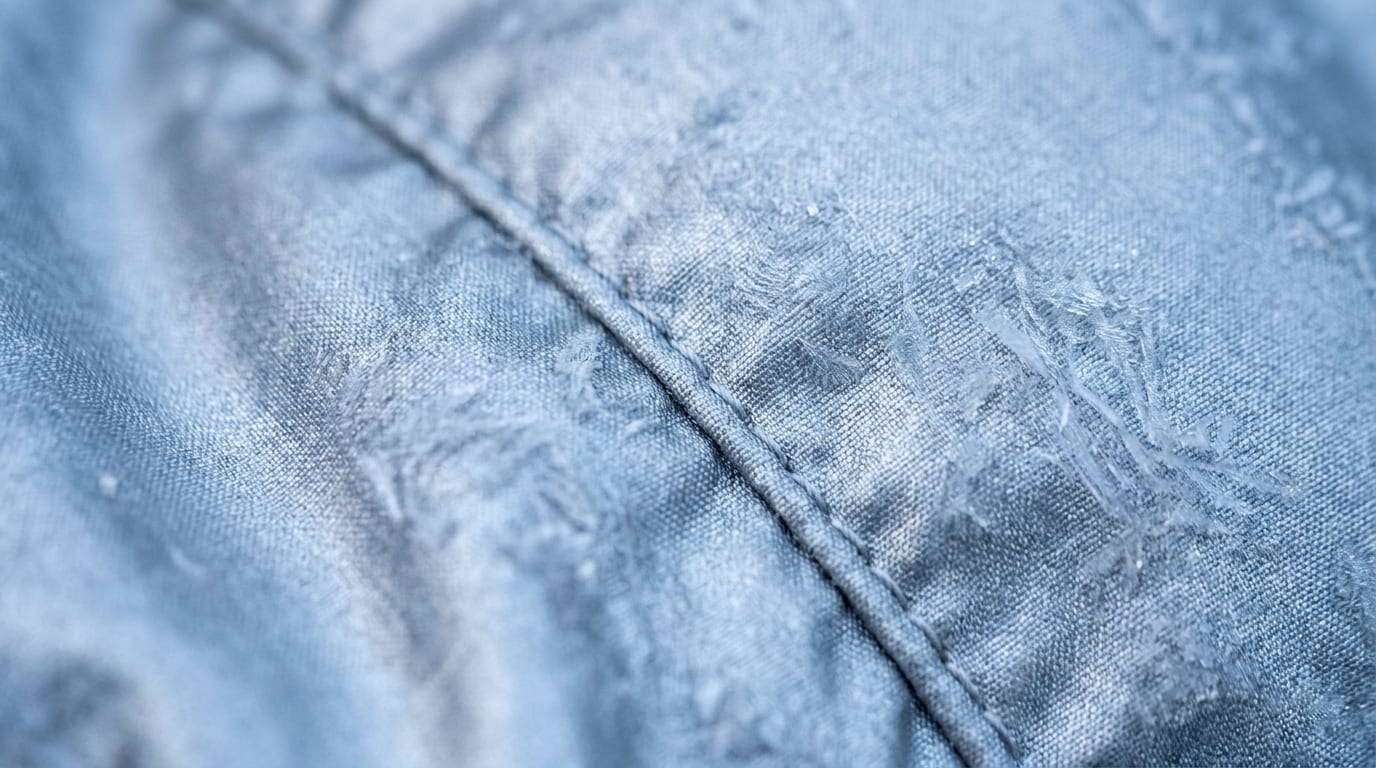
Denver, Colorado Springs, and Fort Collins sit inside what insurance adjusters call the hail corridor, and Colorado shows up near the top of national hail claim rankings almost every year. It's not bad luck. It's geography. Warm air rising off the plains collides with cold fronts dropping off the Rockies, and that collision builds the kind of supercell storms that produce hail instead of just rain.
Then there's the sun problem, which is easy to underestimate because it doesn't announce itself the way a hailstorm does. UV intensity climbs roughly 4 to 5 percent for every 1,000 feet of elevation. Denver sits at 5,280 feet, so a car parked there is soaking up noticeably more UV than one parked in a city at sea level. That's oxidized clear coats, faded paint, and interiors that cook through the windshield even when it's 70 degrees outside.
Put those two together and you get a genuinely rough environment for a vehicle's exterior. A cover might spend June through August absorbing relentless high-altitude sun, then need to shrug off golf-ball hail with zero notice in between. A cheap cover built only for UV protection, thin material with no padding, won't do a thing when the sky opens up. And a thick, padded hail cover with no UV treatment will break down and chalk out by August. That gap is exactly why generic "all-weather" marketing doesn't cut it here. You need something designed for both stressors at once.
What Actually Stops Hail Damage: Material and Padding Basics
Hail protection comes down to one question: does the cover absorb impact energy, or just transfer it straight to your paint? A single layer of fabric, no matter how tough it sounds on the label, does the latter. It blocks the ice from touching the panel directly, sure, but the force still travels right through to the metal.
What actually works is layered construction. Covers built for hail use foam or dense fleece inner layers sandwiched under a tougher outer shell. That inner padding spreads the impact across a wider area instead of letting it concentrate on one point, which is the difference between a cover that shrugs off a storm and one that still lets dents through.
Density and layer count are the real differentiators between something labeled "all-weather" and something actually rated for hail. A thin universal cover might handle pea-sized hail and look fine doing it, but Colorado storms regularly produce hail from pea-sized up through golf-ball-sized, and occasionally bigger. That's the benchmark to design around, not the occasional light sprinkle. If you're shopping, the hail car covers category is where you want to start, since those are built with that padding spec in mind rather than retrofitted from a standard rain cover.
What Stops Sun Damage: UV-Resistant Fabric and Fit
Hail is the dramatic threat, but sun does the slow damage that most owners don't notice until the clear coat's already gone cloudy. UV-stabilized outer fabrics matter more here than almost anywhere else in the country, because that 4-5% per thousand feet math adds up fast at a mile above sea level. Without it, you're looking at oxidation, fading, and heat soaking through the glass that cooks the dash and seats from the inside.
Here's the part people get wrong, though: blocking UV isn't enough if the cover traps moisture underneath. A cover that seals in humidity causes its own problems, trapped moisture breeding mildew and etching into paint just as surely as sun exposure does. The fabric needs to breathe while still keeping UV out, which is a tighter engineering problem than it sounds.
Fit matters too. A snug, custom-matched cover eliminates the gaps and flapping that let dust and grit work their way underneath, which is its own slow source of fine scratching. And if you're parking outside daily, a lighter or reflective outer shell actually helps, since it keeps surface temperatures down instead of absorbing heat all afternoon. For a deeper rundown on how UV, wind, and moisture all interact once a cover is outdoors full time, the guide to using a car cover outdoors covers it well.
Don't Forget Colorado's Wind: Securing a Hail Cover Outdoors
Everyone focuses on hail and sun and forgets the thing that actually ruins a cover's day-to-day performance: wind. Front Range gusts, especially the downslope Chinook winds that blow off the mountains, can shift or straight-up lift a loose cover. And the timing is brutal, because those same pressure systems often precede the storms that bring hail in the first place.
A cover that's flapped halfway off the hood does nothing when the ice starts falling. This is where grommets, gust straps, and cable-and-lock systems stop being optional extras and start being part of the actual protection plan. If you're parking outdoors long-term, which describes most Front Range street parking, you need a way to anchor the cover down, not just drape it on.
Higher-tier covers build elastic hems and strap-and-buckle systems right into the design. Cheaper ones leave you to figure it out with aftermarket add-ons. Either way works, but don't skip it. A gust strap kit is a cheap add-on next to the cost of a hail-damaged hood, and it's honestly the piece people regret skipping most.
Matching the Cover to Your Vehicle and Parking Situation
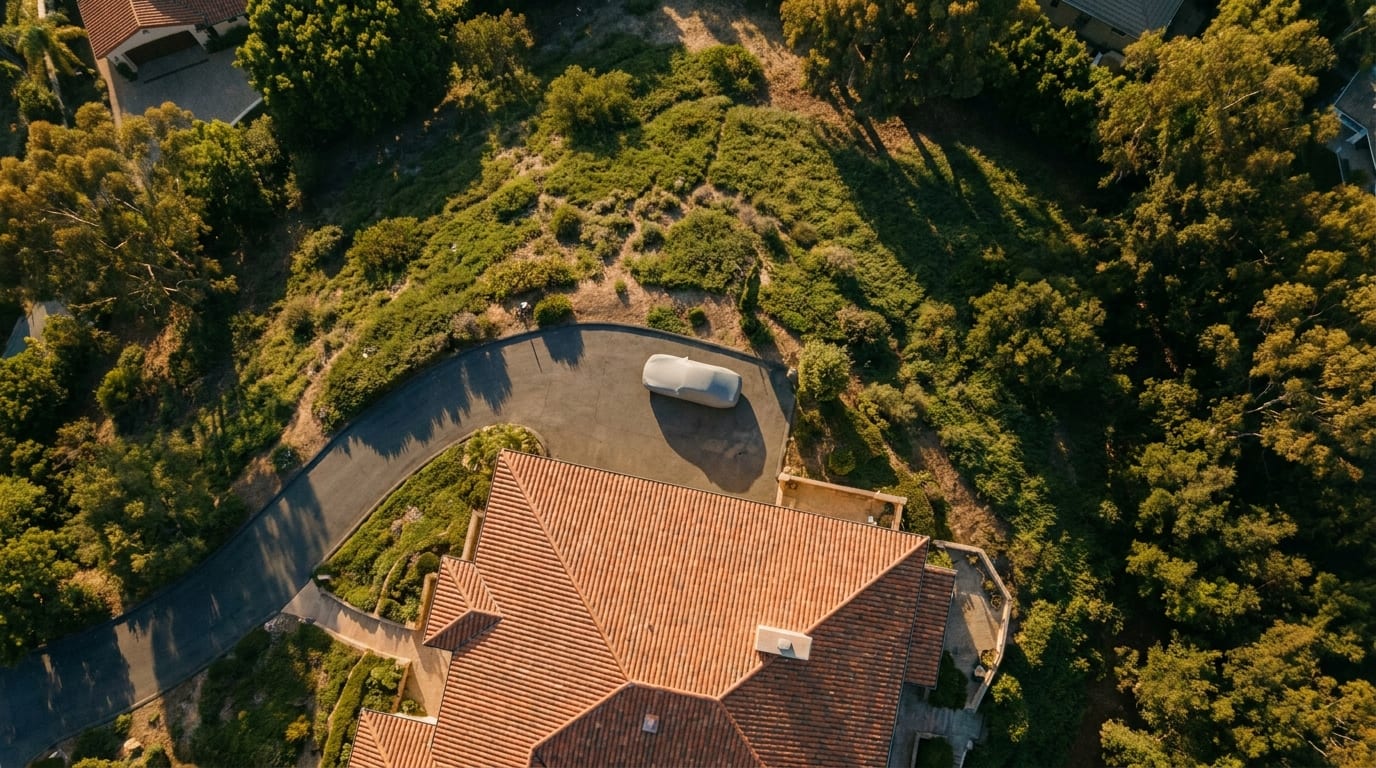
Where you park changes what you need. Daily street parking means you want something quick to put on and take off, with full wind security built in, because you don't have the luxury of ignoring a storm that rolls in overnight. Driveway or carport storage shifts the priority toward UV resistance since wind exposure drops but sun exposure stays constant or even increases under an open carport roof.
Custom-fit covers beat universal ones specifically for hail protection, and it's not a minor difference. Impacts concentrate at the fenders, hood edges, and roofline, the exact spots where a loose universal cover tends to sag or shift. A custom-fit car cover sits tight against those panels instead of ballooning away from them, which keeps the padding where the hits actually land.
Worth remembering too: the cover doing hail duty in June is the same one handling August sun and early-season snow once elevation starts delivering fall storms in September. That's three seasons of real stress on one product, which is exactly why Colorado owners shouldn't buy a cover built for just one of those conditions. If you're parking outside year-round, it's worth reading up on what outdoor car covers need to handle across a full season rather than just picking whatever's cheapest for summer.
Warranty and Peace of Mind for Hail-Prone Areas
A warranty matters more here than in most states, for one simple reason: Colorado storms don't happen once. A single bad summer can mean three or four hail events hitting the same cover, and that kind of repeated stress is exactly when cheap stitching and weak seams start to fail.
CarCovers backs its covers with a lifetime warranty against defects in material and workmanship. That's the part worth understanding clearly: it covers the cover itself failing to hold up as built, things like seams, stitching, and material integrity, not a guarantee against every possible hail size the sky can throw at you. No cover, no matter how padded, is going to promise zero marks from a freak oversized hailstorm. What the warranty does is take the risk out of the purchase itself. If the product doesn't hold up the way it's supposed to, that's on the manufacturer, not on you eating the cost of a replacement a year in.
For context on just how severe hail events can get in this country, this rundown of major U.S. hailstorms is a useful reality check on why that padding and warranty combination isn't overkill.
Finding and Buying the Right Hail Cover for Your Colorado Vehicle
Here's the short version of everything above: look for padded, layered construction that can absorb golf-ball-sized impacts, a UV-stabilized shell that still breathes, a snug custom fit, real wind-security hardware, and a warranty that actually backs the material. Skip any one of those and you've got a gap somewhere, whether that's sun damage in August or a dented hood in July.
CarCovers' hail car covers line is built around that exact checklist, with options sorted by vehicle rather than a one-size-fits-all universal fit. Since fit is half the protection, it's worth running your exact year, make, and model through the cover finder tool instead of guessing at a size off a generic chart.
And realistically, pair whatever cover you land on with a gust strap setup if you're parking outdoors. That combination, padded hail-rated fabric plus real wind security, is what actually gets Front Range owners through a full season without a trip to the body shop. If you want more seasonal car care guidance for wherever you're parking, our car care hub is worth a bookmark before the next storm rolls in.