Articles Seasonal & Weather Car Care Tips
Best Car Cover for Georgia Humidity: Fighting Mildew, Pollen, and Moisture Damage
Published
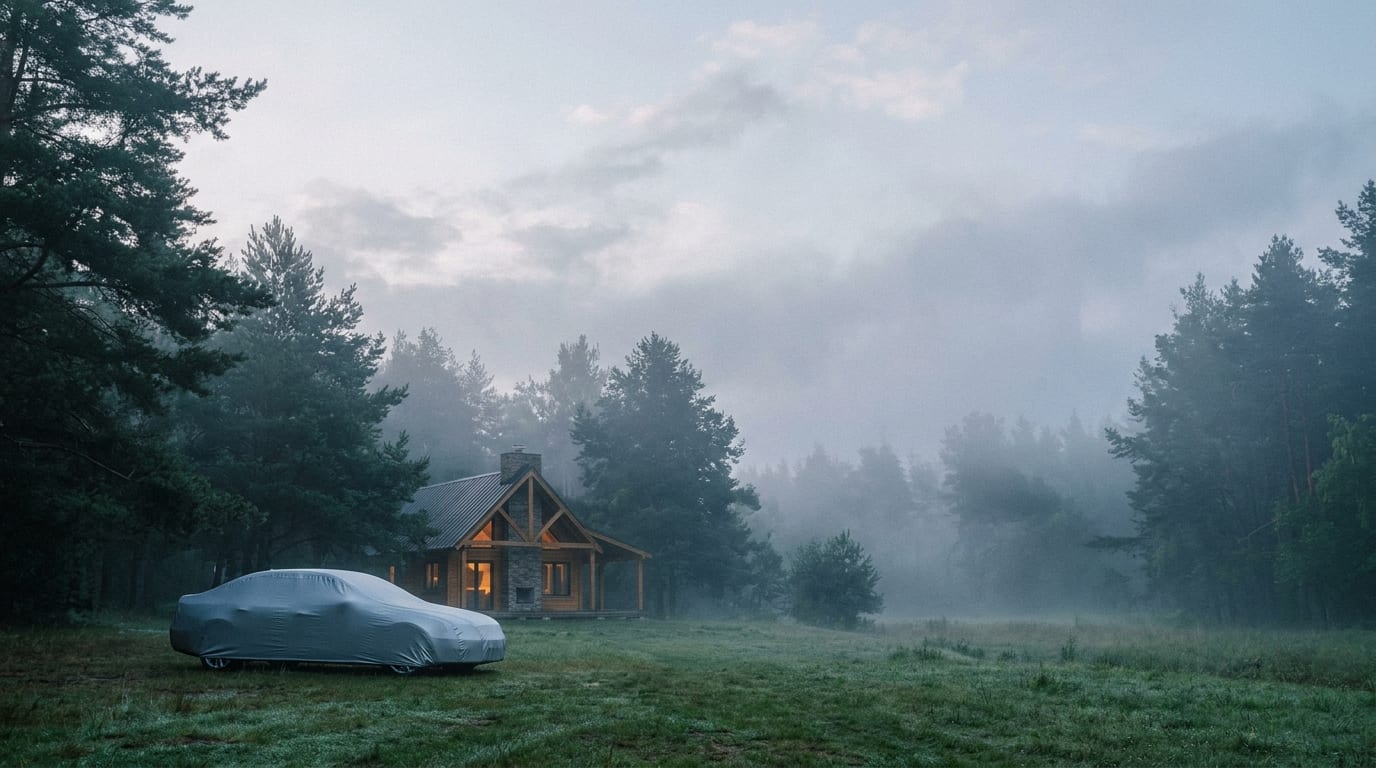
Georgia doesn't do dry heat. It does thick, soupy air that sits on everything, including your car's paint, for most of the year. If you've ever wiped down your hood in July and watched it feel damp again twenty minutes later, you already know the problem. Finding the best car cover for Georgia humidity isn't about grabbing whatever's cheapest at the auto parts store. It's about understanding what this specific climate does to a vehicle and buying a cover built to handle it.
Why Georgia's Humidity Is Different From Other Climates
Relative humidity in Georgia regularly sits above 70% through the summer months, and it doesn't drop off much overnight. In drier states, a basic cover just needs to block dust and the occasional rain shower. Here, the air itself is the threat. Moisture is already in contact with your paint before a single drop falls.
Then you stack on the other stuff. Spring brings a thick coating of pine and oak pollen that settles on every outdoor surface in the state, often visible as a yellow-green film on your windshield within a day of a good rinse. Afternoon thunderstorms roll through with real consistency from late spring into fall. And the warm season runs long, which means there's rarely a stretch of cool, dry air to help moisture actually evaporate off a parked car.
Put those three together and you get a specific kind of problem. Not just "will it rain on my car," but "will my car ever actually get to dry out." That's the real question this article is answering: what features actually matter for that combination, not just whether a cover is labeled waterproof.
The Real Damage Humidity, Pollen, and Mildew Cause to an Unprotected Car
Here's what happens when moisture gets trapped against a car's surface, whether that's from no cover at all or from a cheap non-breathable one. Water sits in low spots and along trim seams. It doesn't fully evaporate. Over time you get water spots etched into the clear coat, and at the metal seams and trim edges, that trapped moisture starts corrosion you won't notice until it's already a problem.
Pollen makes it worse. On its own, pollen is just a fine yellow dust. Mixed with morning dew, which Georgia has in abundance, it turns into a gritty paste. Wipe that off with a dry rag or a rough glove and you're grinding an abrasive layer straight into your clear coat. Most people don't realize their "quick wipe down" before work is actually what's putting the fine scratches in their hood.
Mildew is the third piece, and it's the one people blame on the cover itself without understanding why it happened. A cover made from non-breathable material traps the moisture vapor coming off the car's surface. That moisture has nowhere to go, so it sits between the fabric and the paint. Mold and mildew grow in exactly that kind of still, damp environment. Fabric gets stained, the whole cover starts smelling musty, and the car underneath never really dries.
So this isn't a simple "cover versus no cover" decision. It's a material and ventilation problem. The wrong cover can trap moisture worse than leaving the car bare.
What to Look for in a Cover Built for Humid, Pollen-Heavy Climates
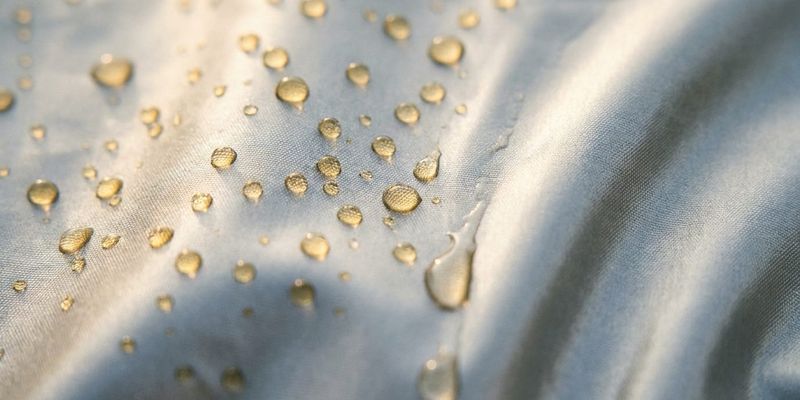
The fix is breathable, multi-layer fabric. Good outdoor covers are built to block liquid rain from getting through while still letting moisture vapor escape from underneath. Cheap vinyl covers do the opposite: they seal the surface completely, which keeps rain out but locks humidity in against the paint, which is exactly the mildew setup described above.
UV resistance matters too, and it's easy to overlook when you're focused on rain and humidity. Georgia sun is strong for a long stretch of the year, and a cover that isn't treated for UV exposure will degrade, fade, and crack well before a treated one does, right around the same time your paint needs the most protection.
Fit is bigger than people think. A cover that's too loose bunches up in folds, and pollen and moisture both collect in those gaps instead of sliding off. A snug, properly sized fit keeps air moving the way the fabric is designed to let it move, and keeps pollen from settling into creases where it sits against the paint for days. Elastic hems and secure straps matter here too. When a surprise thunderstorm rolls through with wind behind it, a loose cover flaps, and every flap is an opportunity for water to work its way under the edge.
If you want the full rundown on what separates a real outdoor cover from a cover that just happens to be sold for outdoor use, the outdoor car covers guide breaks down the construction details worth checking before you buy.
Outdoor Storage: What a Humidity-Ready Cover Needs to Handle
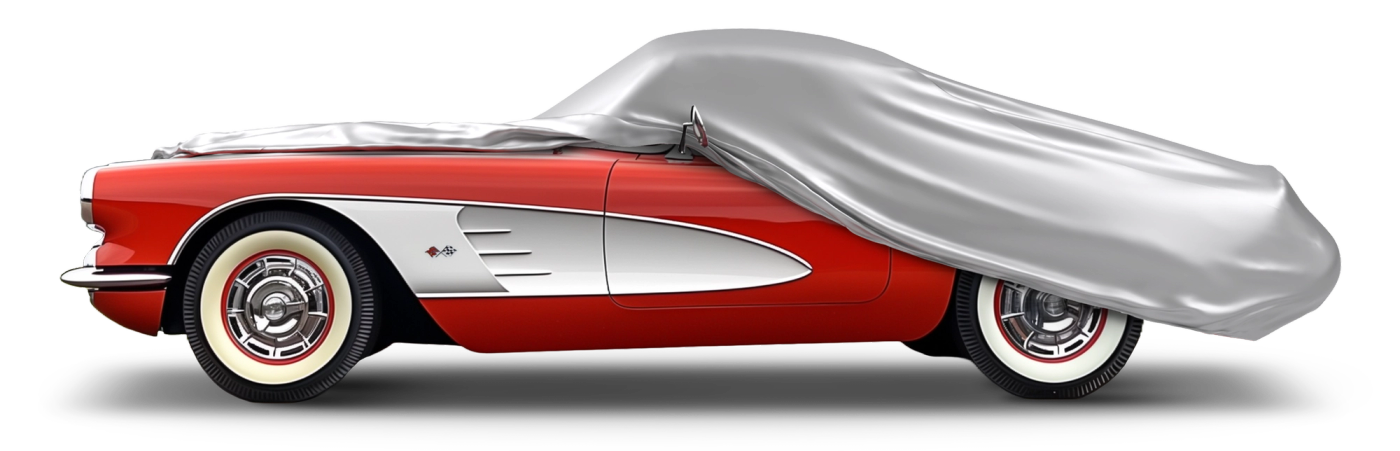
Most Georgia car owners aren't working with a garage. It's a driveway, a carport, maybe an apartment parking spot, and that means daily dew and seasonal pollen drops are just part of life for the car. A cover bought for this situation needs to handle sustained humidity, not just the occasional rain shower.
That's a different bar than "waterproof" usually implies. A cover can shed a quick storm fine and still fail at the real job, which is managing day-in, day-out moisture exposure without ever fully drying between uses. Afternoon thunderstorms in Georgia aren't rare events, they're a weekly pattern for months at a stretch, and the cover needs to be built around that rhythm.
For a fuller picture of how wind, UV, and waterproofing interact outdoors (because they genuinely do affect each other, a cover that handles rain but flaps in wind will fail differently than one built for all three), the guide to using a car cover outdoors covers it in more depth.
Worth saying plainly: a carport or covered parking spot paired with a breathable cover beats either one alone. The carport handles direct sun and the worst of the rain, the cover handles the humidity, pollen, and whatever blows in sideways. Relying on just one leaves a gap the other would've covered.
Keeping Mildew and Pollen Stains From Setting In: Cleaning and Care
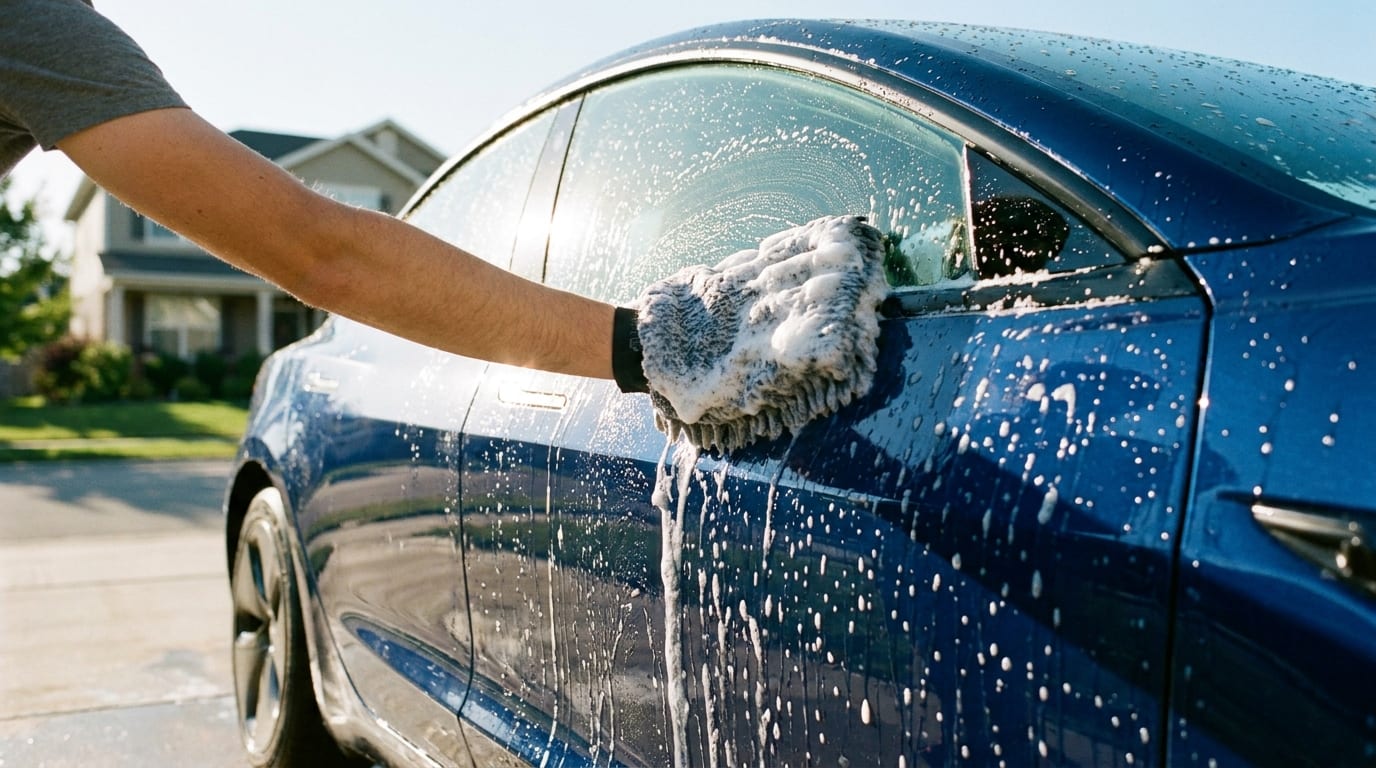
Spring pollen season needs a different cleaning cadence than the rest of the year. During peak pollen weeks, that means rinsing the cover more frequently, since letting pollen sit and get rained on repeatedly is what turns it into a stain rather than just surface dust. Outside of spring, a lighter, less frequent cleaning routine is usually enough.
The part people skip: drying the cover fully before folding it up or storing it. A cover that goes into a trunk or garage bin even slightly damp is a cover that's growing mildew inside its own fabric within days. Let it air dry completely, inside and out, before you put it away.
Resist the urge to toss it in the washing machine with whatever detergent is under the sink. Harsh detergents strip the waterproof and breathable coatings that make these covers work in the first place, which means you'd be solving a cleaning problem by creating the exact moisture problem the cover was supposed to prevent. For the full process, the step-by-step car cover cleaning guide walks through it in order, and cover care basics is a good reference to bookmark for ongoing maintenance.
Fitting and Installing the Cover Right for Georgia Conditions
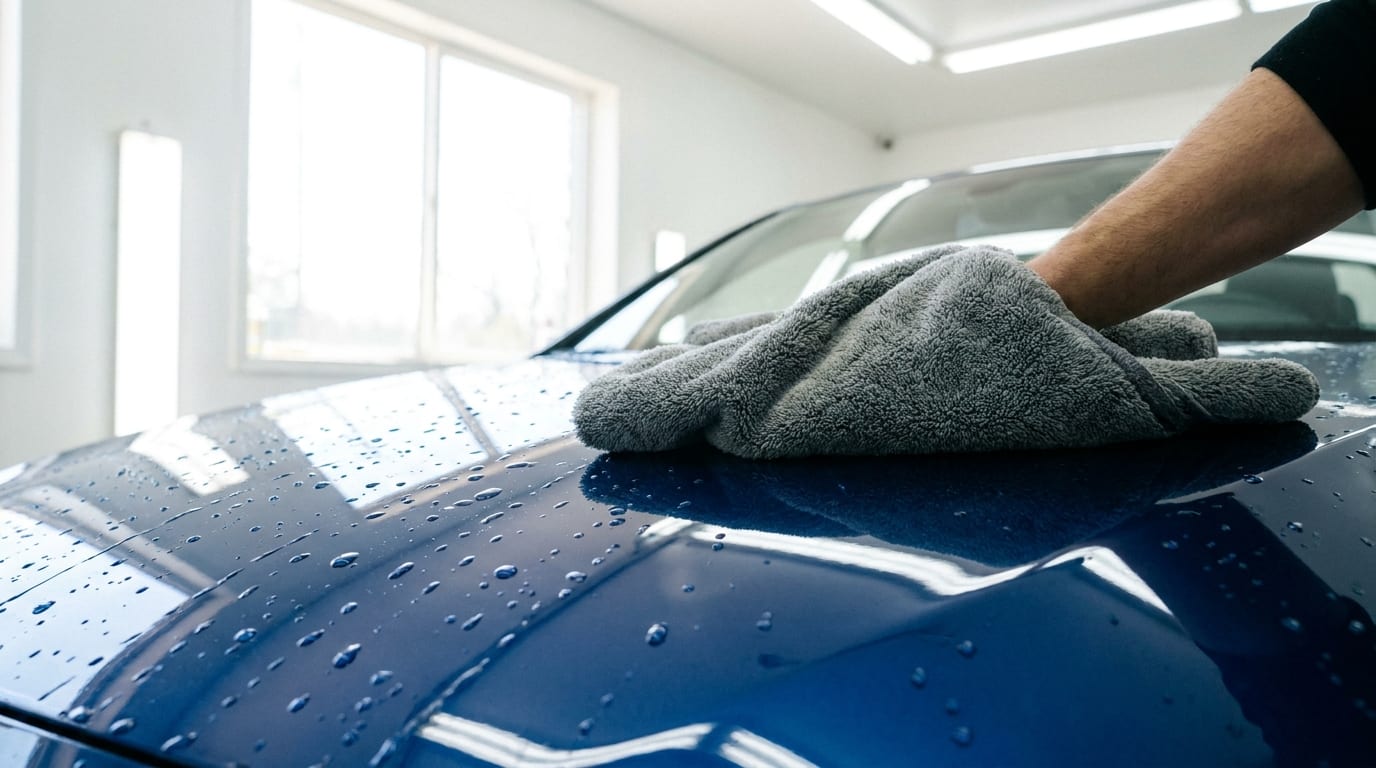
A loose universal cover is, functionally, a tent for humid air. It sits away from the body in spots, trapping warm, wet air against the paint instead of letting the fabric do its breathable job against the surface it's actually designed to touch. That gap is where condensation forms overnight.
Before you buy anything, get the sizing right. The guide to sizing a car cover walks through how to measure and match a cover to your specific vehicle rather than guessing off a generic size chart.
Installation matters just as much during storm season. Cable locks and grommet tie-downs keep the cover anchored at the bottom edge, which stops wind gusts from lifting a corner and letting rain drive in sideways, the kind of edge-entry moisture that defeats an otherwise good cover. The installation guides section has the specifics for setting up cable locks and straps correctly so the cover stays put through a real storm, not just a calm afternoon.
Choosing With Confidence: Next Steps
Three things actually matter here: breathable waterproof fabric, real UV protection, and a fit that's snug enough to do its job. Get those three right and you're not juggling separate fixes for humidity, pollen, and mildew. One well-matched cover handles all three at once, because they're really the same underlying problem: trapped moisture with nowhere to go.
If you're still comparing options, take the research seriously before you buy. Browse the waterproof car cover and outdoor car cover lineups to see what construction and fit actually fit your vehicle, no pressure to land on a specific tier today. And if you want some peace of mind on the purchase itself, it's worth knowing what the lifetime warranty on car covers actually covers before you commit, especially for a climate that's going to put a cover through real work year-round.
Take your time, read the specs, and find the cover that's actually built for what Georgia throws at it. Stick around the blog if you want more climate-specific car care advice like this, there's more where this came from.