Articles Seasonal & Weather Car Care Tips
Car Window Shades & Windshield Covers: Sun, Snow, and Privacy Options Explained
Published
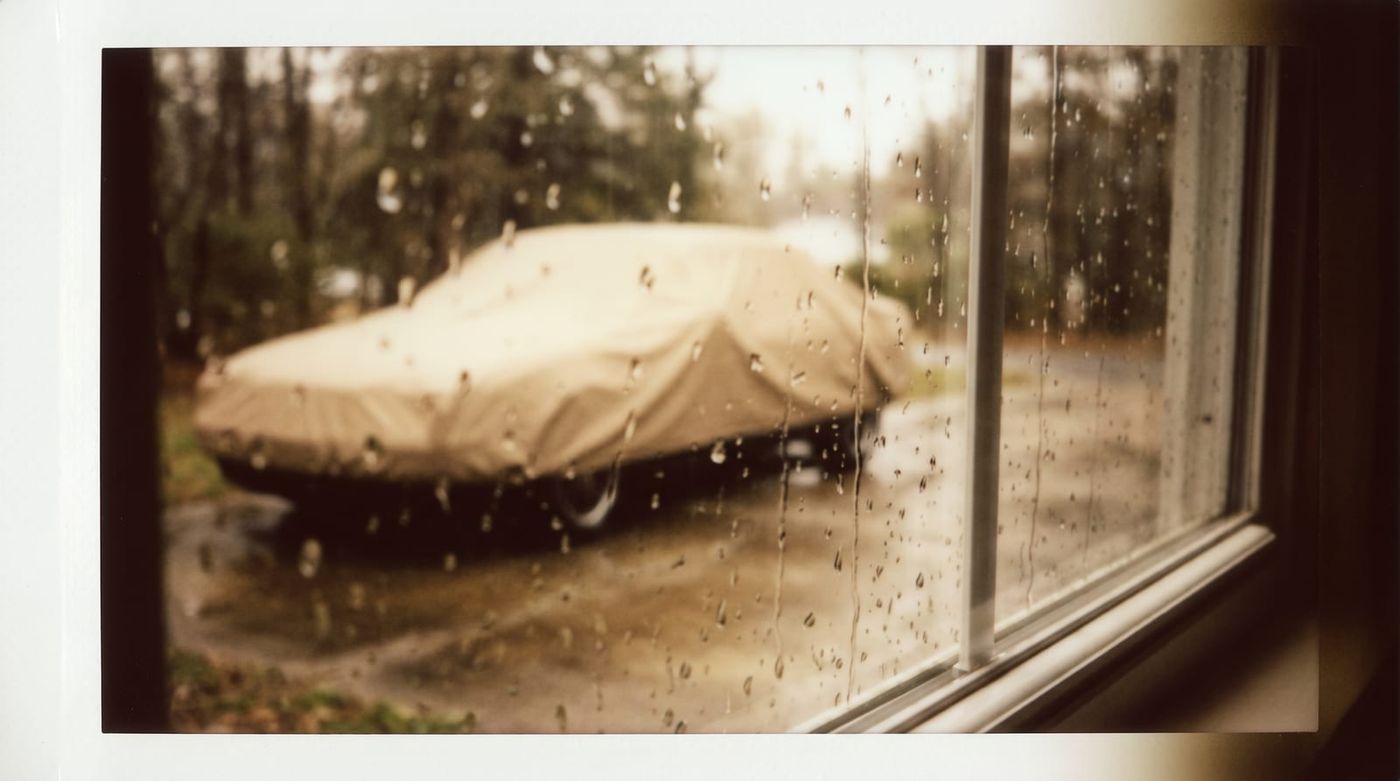
Car Window Shades, Windshield Covers & Sun Visors: How They Differ
Search for "car window shades" and you'll get a pile of different products thrown into the same bucket: folding windshield sun shades, side window clings, exterior windshield snow covers, roller shades for the back seat. They all live in the same general neighborhood, but they solve different problems.
A windshield sun shade sits inside the car, against the glass, blocking heat and UV from baking your dash. A windshield cover does the opposite job in the opposite season: it sits outside the glass, keeping frost and snow off so you're not scraping ice at 6am. Side window shades are about privacy and glare, not temperature control, though they help a little with both. Figure out which problem you actually have (hot interior, iced-over glass, someone being able to see you sleeping in your car at a rest stop) before you buy anything.
None of these replace a full outdoor car cover for a vehicle parked outside long-term. A windshield shade protects your dash. It does nothing for your paint, tires, or trim sitting under tree sap and bird droppings for a week. Think of shades and covers as the glass-specific layer, not the whole solution.
Sun Shades & Windshield Covers for Heat and UV Protection
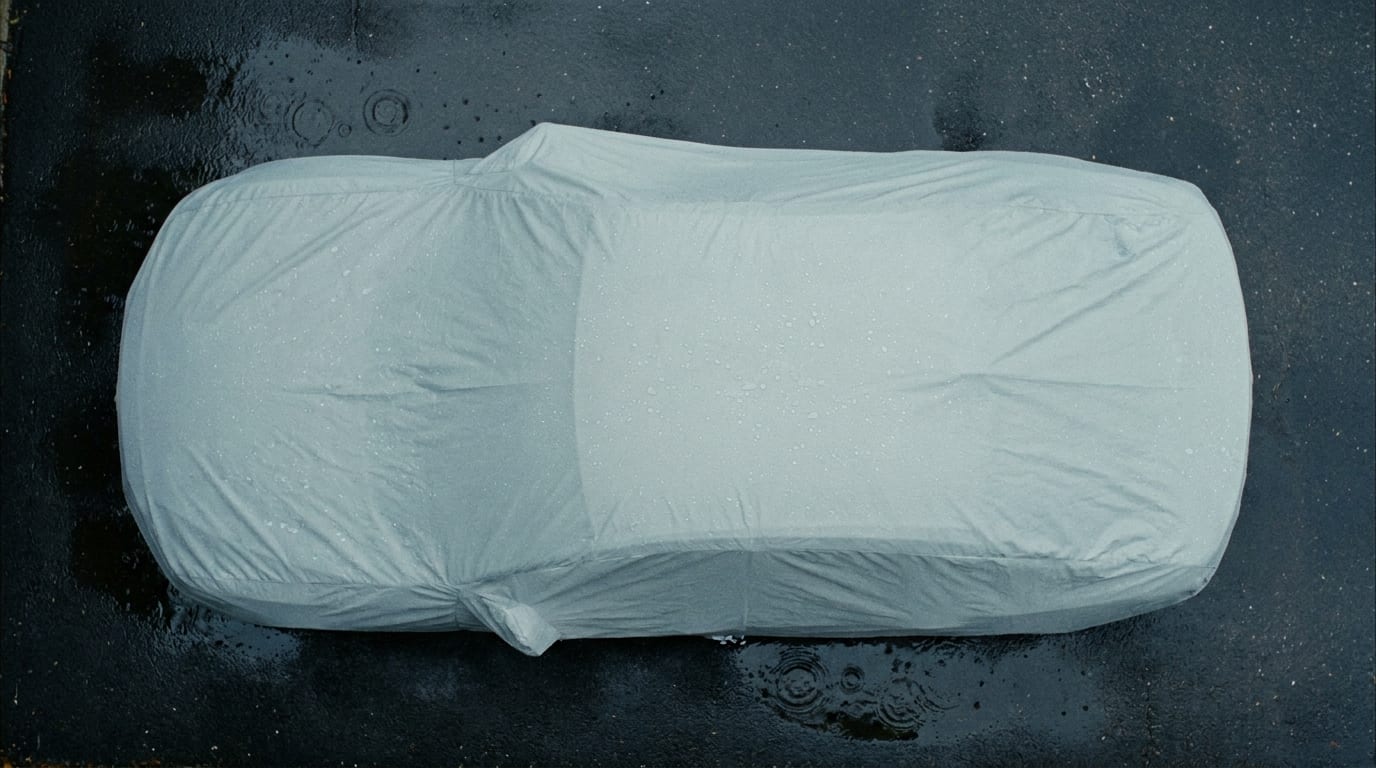
The classic accordion-fold windshield sun shade, silver on one side, usually foam-backed, is still the most effective cheap fix for a car that turns into an oven. It won't stop the car from heating up entirely, but it cuts down significantly on how hot the dash and steering wheel get, and it slows the UV fading that cracks vinyl and bleaches upholstery over years of parking in direct sun.
Reflective shades beat tinted or mesh ones for raw heat rejection. Mesh and tinted shades let you see out a bit better while parked, which some people want, but they trade off some reflectivity. If you're parking in direct sun daily, go reflective. If it's occasional, the difference matters less.
Rear and side window shades, whether static cling, roller-mounted, or suction cup, exist mostly for passenger comfort and for protecting a child seat from direct sun exposure. Worth it if you've got kids in the back seat regularly.
One thing people get wrong constantly: buying a shade sized for a sedan and using it on an SUV or truck. The edges don't reach, UV sneaks in around the gaps, and the shade basically stops doing its job at the corners. Measure before you buy. For a broader look at what sun, wind, and moisture actually do to a parked vehicle over time, this guide to outdoor car care covers it well.
Windshield Snow & Ice Covers for Winter Parking
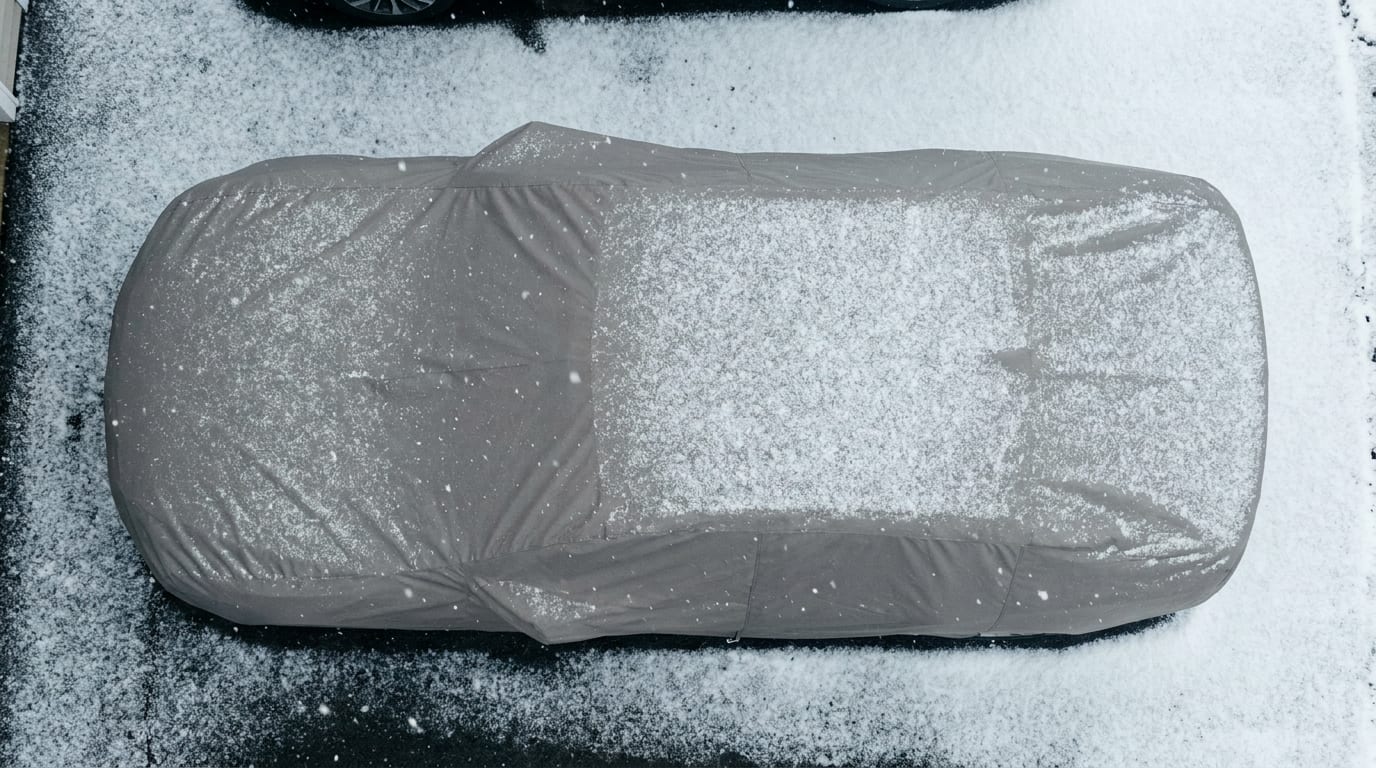
A windshield snow cover is a strap-on or magnet-secured exterior sheet that keeps ice and frost from bonding to your glass overnight. Wake up, pull it off, skip the scraping. That's the entire pitch, and it's a good one if you park outside through winter.
What separates a good one from a cheap one: elastic or magnetic edges that actually hold in wind (not just sit there until the first gust flips it into your neighbor's yard), mirror pouches so you're not covering those separately, and fabric that survives repeated freeze-thaw cycles without cracking or tearing. A cover that rips apart by January isn't saving you anything.
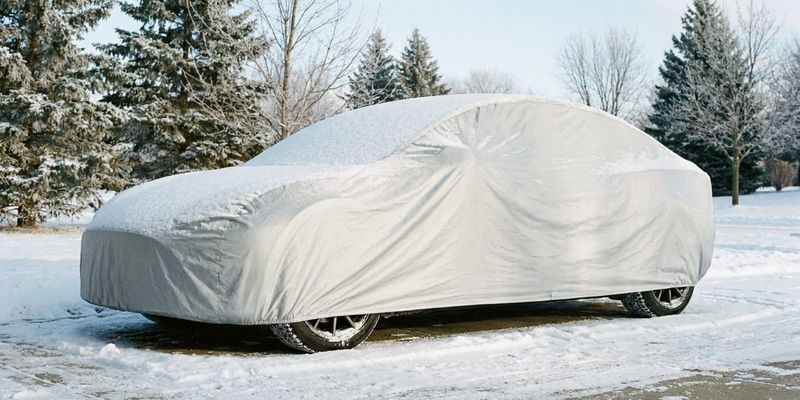
A windshield-only cover is fine if your main issue is just frost on the glass. But if you're dealing with heavy snow accumulation, hail, or you're leaving the car outside for weeks at a stretch, that's a different problem than a windshield cover solves. That's where a full waterproof car cover pairs with the windshield cover rather than replacing it: one handles the glass, the other handles everything else sitting under six inches of snow. If you're trying to figure out whether you even need that level of protection, this breakdown of why a car cover matters is a reasonable starting point.
Side Window Shades & Privacy Screens
Static-cling shades are the simplest option here: no suction cups to fail, no magnets to lose grip, just static holding them to the glass. They work fine for daytime glare and UV at stoplights. The catch is they can leave a faint residue on tinted windows over time, especially if you leave them up for months.
Suction-mounted shades grip better initially but suction cups don't love heat. Leave a car parked in July sun for a few hours and don't be surprised if one lets go and drops into the footwell.
For anyone sleeping in a vehicle or car camping, the calculus changes. You're not looking for a little glare reduction, you want full blackout coverage so nobody can see in at 2am in a rest stop parking lot. Magnetic or snap-fit privacy screens cut specifically to your window shape give a cleaner, more complete seal than universal mesh rolls you cut yourself. The mesh rolls are cheaper and they work, they just look like exactly what they are: a DIY job.
Quick way to decide: daily glare and UV at traffic lights, go with a lightweight cling shade. Overnight privacy for car camping, spend the extra money on full-coverage blackout screens. You'll find a decent range of both in the accessories collection if you want to compare options side by side.
Choosing the Right Fit: Universal vs. Custom-Sized Shades and Covers
Universal shades and covers are cheap for a reason. They're built to a loose average size that technically fits a lot of vehicles and perfectly fits almost none of them. You'll get gaps at the edges, slack fabric that flaps in wind, and UV creeping in around the corners that a properly sized shade would have blocked.
Vehicle-specific cut shades and covers cost more, but the fit is tighter and the coverage is actually complete. Sedans and coupes generally do fine with a smaller folding shade. SUVs and trucks need either an extended shade or a multi-panel windshield cover, because the glass is simply bigger and set at a different angle.
Before buying any folding shade, measure your windshield width and the depth from dash to roofline. Takes thirty seconds and saves you from returning a shade that doesn't reach the corners.
| Vehicle Type | Typical Windshield Shade Need | Common Mistake |
|---|---|---|
| Sedan/Coupe | Standard single-panel fold | Buying oversized, shade sags |
| SUV | Extended or wide-panel fold | Using sedan-sized shade, edges exposed |
| Truck | Multi-panel or extended cover | Ignoring dash depth, gaps at base |
This is the same logic that applies to full-body covers: proper sizing beats a loose universal fit every time, because a cover that bags around the car traps moisture against the paint instead of shedding it. If you're not sure what size you need, running your plate or vehicle details through a cover finder takes the guesswork out of it.
Materials & Features That Actually Matter

Reflective laminated foam is standard for folding sun shades. It's light, it folds flat, and the foam layer adds a bit of insulating value beyond just reflection. Windshield snow covers lean on ripstop polyester with a waterproof backing, since they're taking direct exposure to snow, ice, and road grime all winter. Window shades for privacy or glare tend to be static PVC or a mesh fabric, both cheap to produce and easy to cut to custom shapes.
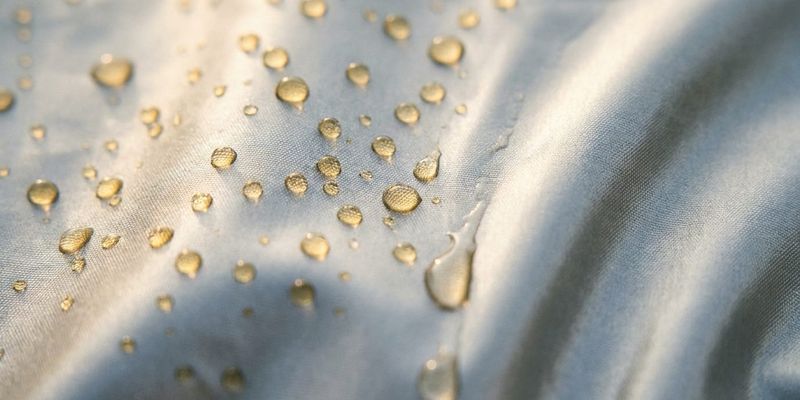
"UV-blocking" and "waterproof" get thrown around loosely in product descriptions. A waterproof rating that means the fabric resists light rain isn't the same as one that holds up under hours of sitting snow. Worth checking the actual fabric specs rather than trusting the label alone. This rundown of waterproof fabric ratings is useful if you want to compare claims across products before buying.
Durability expectations differ a lot by use case. A folding sun shade used occasionally in summer can last years. A windshield cover used daily through an entire winter, strapped and unstrapped in freezing temperatures, wears faster, and the elastic or magnetic edges are usually the first thing to go. Check what kind of warranty backs the product you're buying. CarCovers backs its full-body covers with a lifetime warranty, which is a reasonable benchmark to compare against when you're shopping for any car care accessory that's going to live outside.
Installing, Folding, and Storing Shades and Covers
Accordion sun shades have a spring-fold built in, use it. Collapse along the existing crease lines rather than wadding it into a random fold. Fighting the fold stresses the reflective layer and that's usually where cracking starts.
Strap-on windshield covers need a bit more care. Drape it over the glass first, tuck the mirror pouches over your side mirrors, then run the straps under the hood edge or through the door, tensioning enough that wind won't get under it. Too loose and the first gust works it free.
Dry everything fully before you fold or roll it away. Folding a damp shade or cover into a bag is a fast way to grow mildew, and creases set into a damp reflective coating tend to weaken it permanently. A storage pouch helps keep the folds consistent and keeps it from getting crushed under other gear in your trunk.
If you're also running a full car cover alongside a windshield shade, the same habits apply: straps need tensioning, cable locks need checking, and basic car care fundamentals like keeping everything dry before storage go a long way toward making gear last.
Don't try to run one product year-round. A UV sun shade isn't built for snow load, and a snow cover left on in July is just trapping heat against the glass. Swap them with the season.
Which Option Should You Buy? Quick Decision Guide and Next Steps
Hot climate, daily sun exposure: get a folding windshield sun shade, reflective if you can. Outdoor winter parking: a windshield snow cover saves you the morning scraping routine. Privacy for car camping or overnight parking: invest in a proper blackout window screen rather than a universal mesh roll. And if you need protection from sun, rain, snow, and dust all at once, that's a full outdoor car cover's job, not a shade's.
Worth repeating: window shades and windshield covers protect the glass and whatever's immediately behind it. They don't do anything for your paint, your tires, or your trim. Those need their own layer of protection if the car's sitting outside for any real length of time.
If you want to browse shades and covers side by side, take a look through the accessories lineup, and if you're ready to size up a full vehicle cover for the seasons ahead, run your details through the cover finder tool first. Either way, it's worth matching the product to the actual problem rather than grabbing whatever's cheapest on the shelf.