Articles Seasonal & Weather Car Care Tips
Do You Need a Car Cover for Allergy Season? What Pollen Does to Your Car
Published
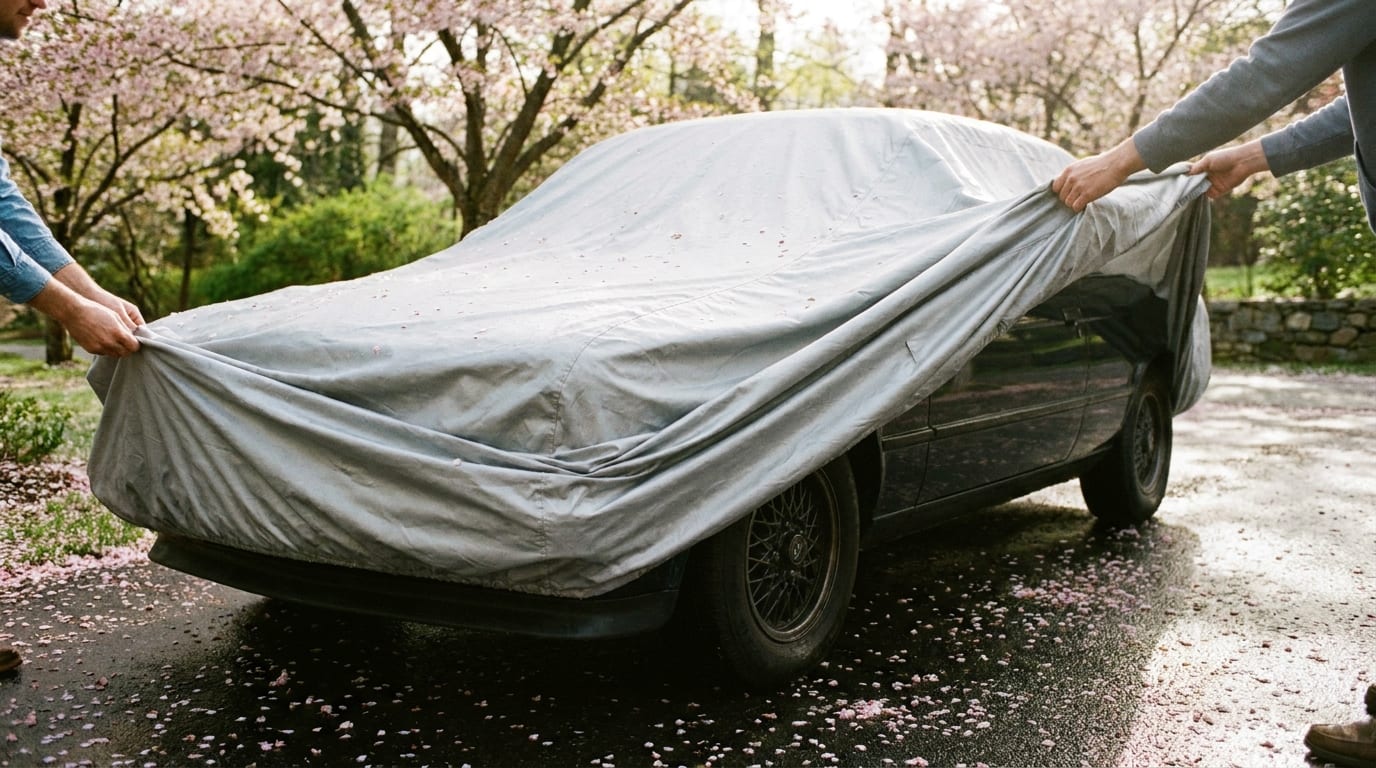
Pollen doesn't just make your eyes itch and your nose run. It sits on your car, too, coating the hood, pooling in the cowl, working its way into seals you never think about. If you're already miserable during allergy season, your car is quietly taking a beating right alongside you. A car cover for allergy season isn't an overreaction. It's a cheap way to stop pollen from doing to your paint what it's doing to your sinuses.
Why Allergy Season Is Hard on Your Car, Not Just You
Tree pollen peaks hard in spring, usually March through May depending on where you live, and ragweed brings a second wave in late summer through October. Either way, a parked car becomes a landing pad. You've seen it: that fine yellow-green film that shows up overnight on anything left outside.
The stuff doesn't stay on the surface, either. Pollen works into panel gaps, settles in the cowl vents at the base of the windshield, and packs into mirror housings and wiper wells. Those are exactly the spots a garden hose can't reach.
And here's the part most people don't think about: pollen plus morning dew, or a light drizzle, turns into a thin paste. That paste is worse than dry pollen. It clings, it dries sticky, and scrubbing it off is more abrasive on your clear coat than just blowing dry pollen away would be.
That's the whole case for this article. A cover is a simple physical barrier. It keeps pollen off the paint and out of the air your cabin breathes in, which matters more than it sounds like once you get into what pollen actually does over time.
What Pollen Buildup Actually Does to Paint, Glass, and Interior Air
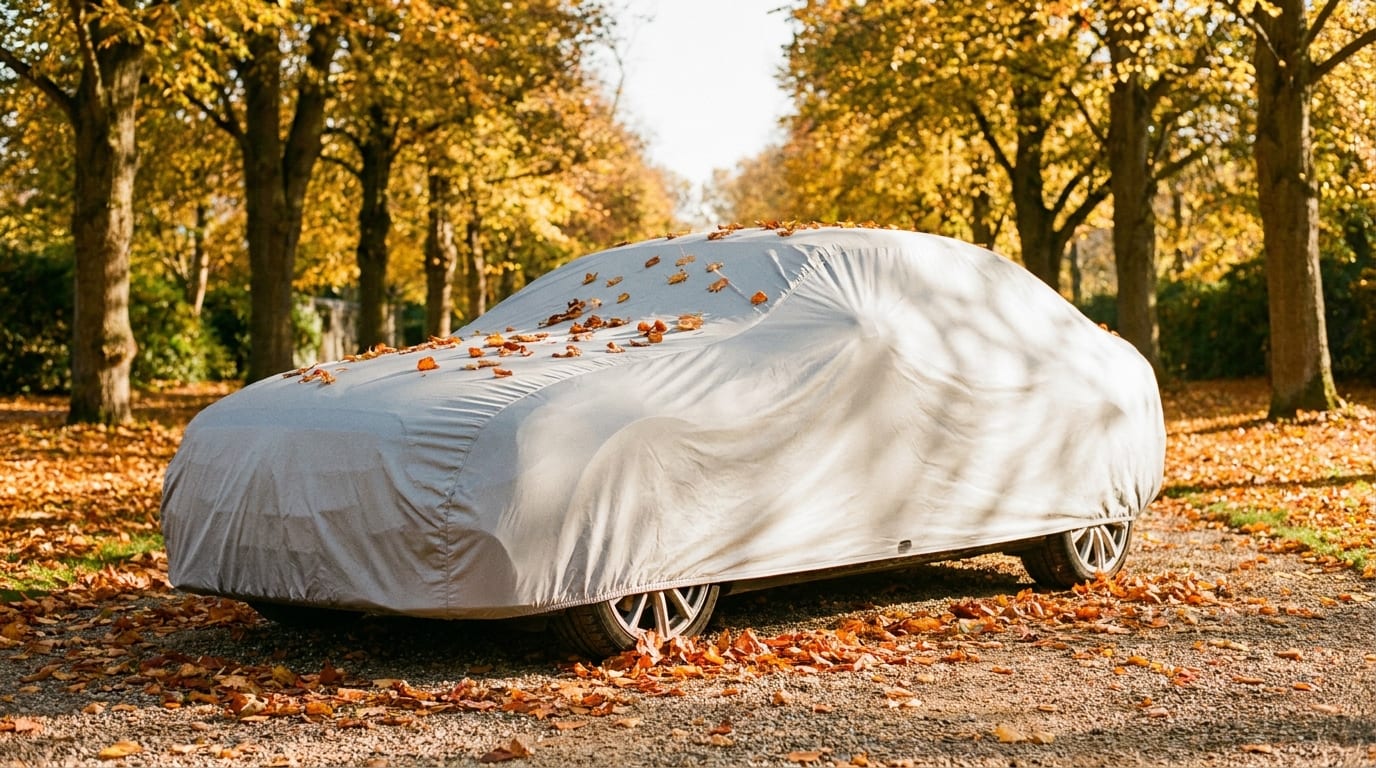
Pollen isn't inert dust. It carries natural oils and mild acids, and when a few days' worth bakes under direct sun, that combination can start to etch into clear coat. Not dramatically, not overnight, but cumulatively, over a full season, it adds up to dullness and fine etching that buffing can only partly fix.
Windshields and mirrors take a visibility hit too. A pollen-dusted windshield scatters light in a way that's genuinely annoying to drive into at sunrise or sunset, and it means more trips to the glass cleaner than you'd otherwise need.
There's a cabin-air angle people miss. If your car sits uncovered and you park with windows cracked, or even just open the door after a pollen-heavy day, that pollen gets pulled into the HVAC intake and settles in the cabin air filter. Every time the fan kicks on after that, it's recirculating allergens into the one space you're trying to get relief in. For someone managing allergies, that's the opposite of helpful.
And don't ignore the wipers. Dust and pollen trapped under the blades don't just streak the glass, they act like fine sandpaper every time the wipers cycle, leaving micro-scratches that show up as glare under headlights months later.
How a Car Cover Reduces Allergen Exposure
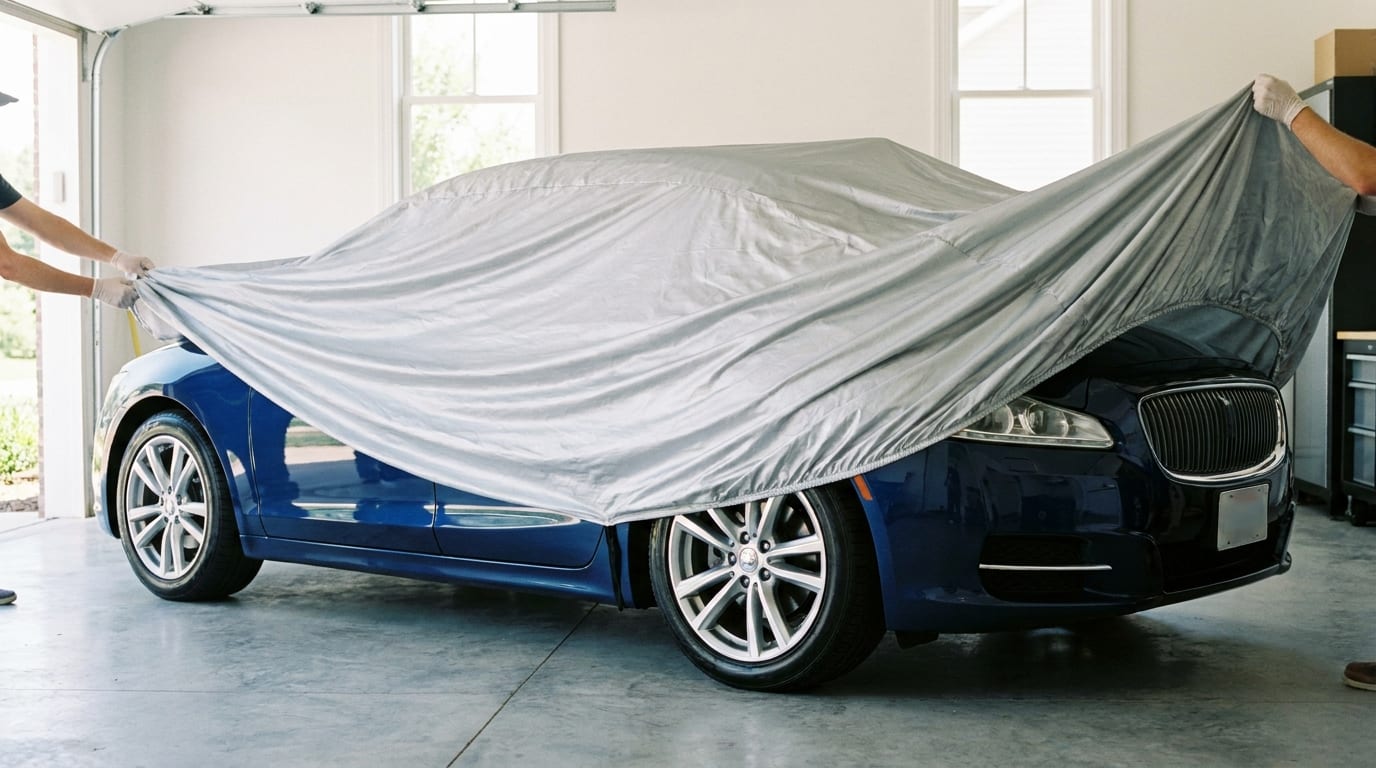
The mechanism is simple. A breathable outdoor car cover sits between the pollen and your paint, so the pollen lands on fabric instead of clear coat, and on glass that's already protected instead of exposed.
It helps in a way people don't expect, too: covering the car keeps pollen out of door seals and window tracks. That matters because every time you open a door, whatever's sitting in that seal gets dragged into the cabin on your clothes or on the door panel itself. Less pollen on the seal means less of it riding into your car with you.
There's a washing benefit as well. Fewer pollen-heavy rinses during peak bloom means fewer water spots from pollen residue drying on the paint between washes. You're not scrubbing a fresh yellow film off the hood every other day.
This is especially worth it if you do your own washing and detailing and you're also the one sneezing through it. A cover cuts down how often you're out there elbow-deep in pollen-laden suds. If you've ever wondered whether a cover is worth the cost at all, this breakdown of why a car cover matters covers the broader case, and allergy season is one of the clearest examples of it paying off.
Choosing a Cover That Holds Up During Pollen Season
Not every cover handles this job well. A loose, generic universal cover leaves gaps at the mirrors, bumpers, and wheel wells, and pollen finds those gaps fast. Wind pushes it right underneath. A custom-fit cover built to your car's actual shape closes those gaps and keeps the barrier intact.
Breathability still matters here, even though the whole point is blocking pollen from getting through. A non-breathable cover traps moisture underneath, and trapped moisture means mold and mildew, which is its own allergen problem, arguably a worse one than pollen. You're not trying to seal the car in plastic. You want a cover that blocks pollen and sap from landing while still letting trapped humidity escape.
Fit at the mirrors, antenna, and wheel wells deserves the most attention. Those are the spots where pollen collects fastest, since they create little pockets and ledges for it to settle into even under a cover that's doing its job everywhere else. If you want the full rundown on wind, UV, and moisture handling for an outdoor cover, this guide to using a car cover outdoors is worth a read before you buy.
If your car lives in an open-sided carport or a garage with vents that let pollen drift in, an outdoor cover might be overkill, and an indoor cover could do the job with less bulk and easier handling.
Keeping the Cover Itself Clean During Peak Bloom
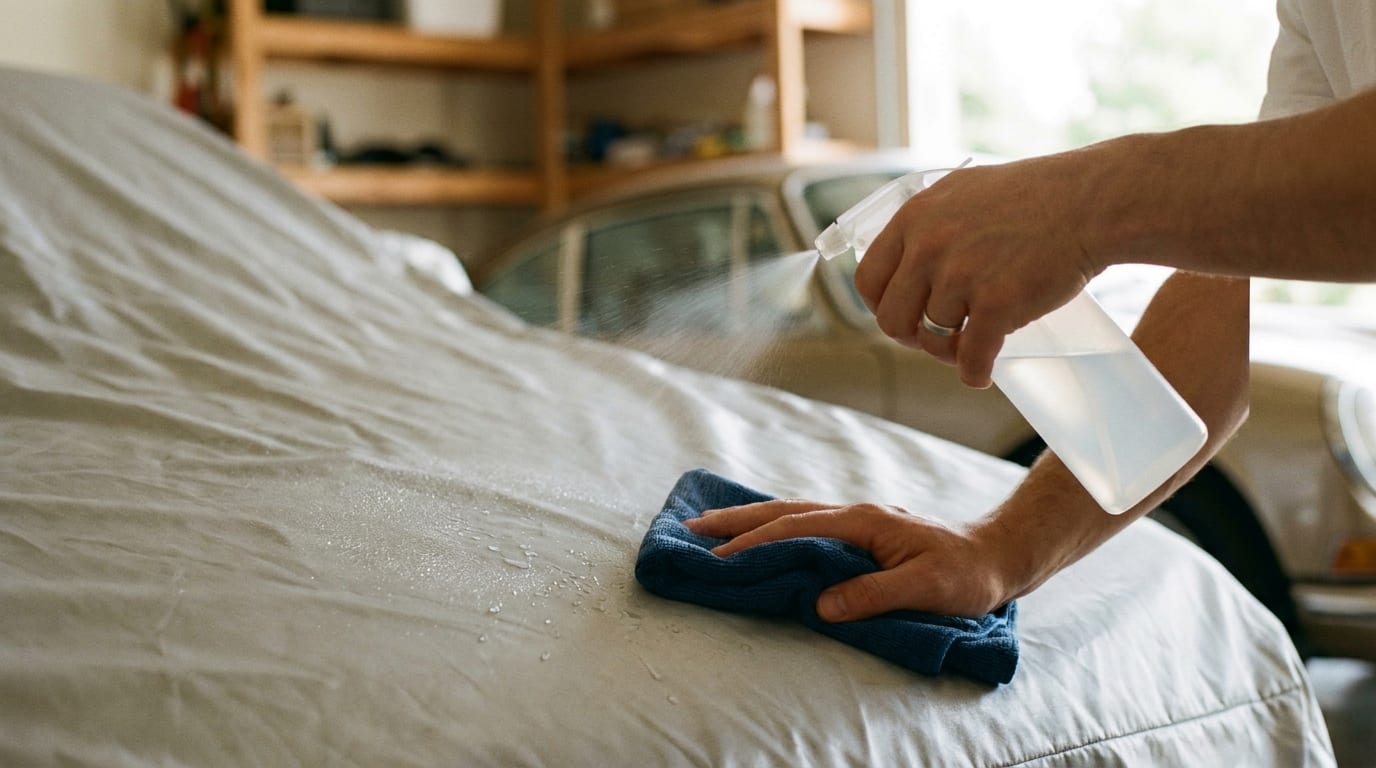
Here's the trade-off nobody mentions: the cover is now doing the job your paint used to do, which means it's the thing collecting pollen. During high pollen weeks, that means shaking it out more often, not just folding it up and moving on.
A simple routine works. Shake off loose pollen before you fold or remove the cover each time, and run it through a proper wash, by hand or machine depending on the fabric, every few weeks during peak season instead of waiting until the end of spring. This step-by-step guide to cleaning a car cover walks through the specifics by material type.
One thing to avoid: don't stuff a pollen-caked cover into its storage bag between uses. Trapped pollen plus trapped moisture is a mildew recipe, and once mildew sets into the weave it's hard to fully get out. Let the cover dry completely before you refold it. Skip that step and pollen paste can set into the fabric the same way it etches paint, just slower. For the full care breakdown, including what products are safe on coated fabrics, this cover care guide is a good reference to bookmark alongside this one.
Spring vs. Fall Allergy Season: Any Difference for Cover Use
Spring and fall pollen aren't the same animal. Spring tree pollen is fine, light, and airborne, the kind that coats every flat surface in that classic yellow dust within hours of a good wind. Fall ragweed pollen is lighter in total volume but it shows up alongside falling leaves, twigs, and tree sap, so your cover is dealing with more physical debris on top of the pollen itself.
That means fall cleaning routines need to account for both. Shaking off a cover in October might mean dislodging leaves and sap residue, not just pollen dust, so a quick rinse becomes more necessary than it was in May.
Either season, it helps to check your local pollen count forecast and start using the cover consistently as soon as counts start climbing, rather than waiting until your car is visibly yellow. A few days of bare paint under heavy pollen can undo weeks of careful car care.
Protect Your Car Through Every Allergy Season
A well-fitted outdoor cover is a low-effort fix for a problem that otherwise costs you in paint etching, extra washes, and pollen riding into your cabin every time you open a door. It won't stop your allergies, but it'll stop your car from making them worse.
If you're shopping for one, it's worth browsing custom-fit car covers sized to your exact vehicle before the next pollen wave rolls through, rather than scrambling once the yellow dust has already arrived. And if this is the first allergy season you're thinking about cover use this seriously, bookmark this guide. It's worth a re-read each spring and fall as pollen counts start climbing again.