Articles Seasonal & Weather Car Care Tips
Car Cover for Ski Resort Parking: What to Know Before You Hit the Slopes
Published
Why Ski Resort Parking Lots Are Rougher on Your Car Than You Think
You pull into the lot at 7:45 a.m., grab your gear, and don't see your car again until your legs are done for the day. Maybe it's an overnight trip and the car sits for 36 hours straight. Either way, it's parked outdoors, usually in a surface lot with no shade, no structure, and no mercy from the weather rolling in off the peaks.
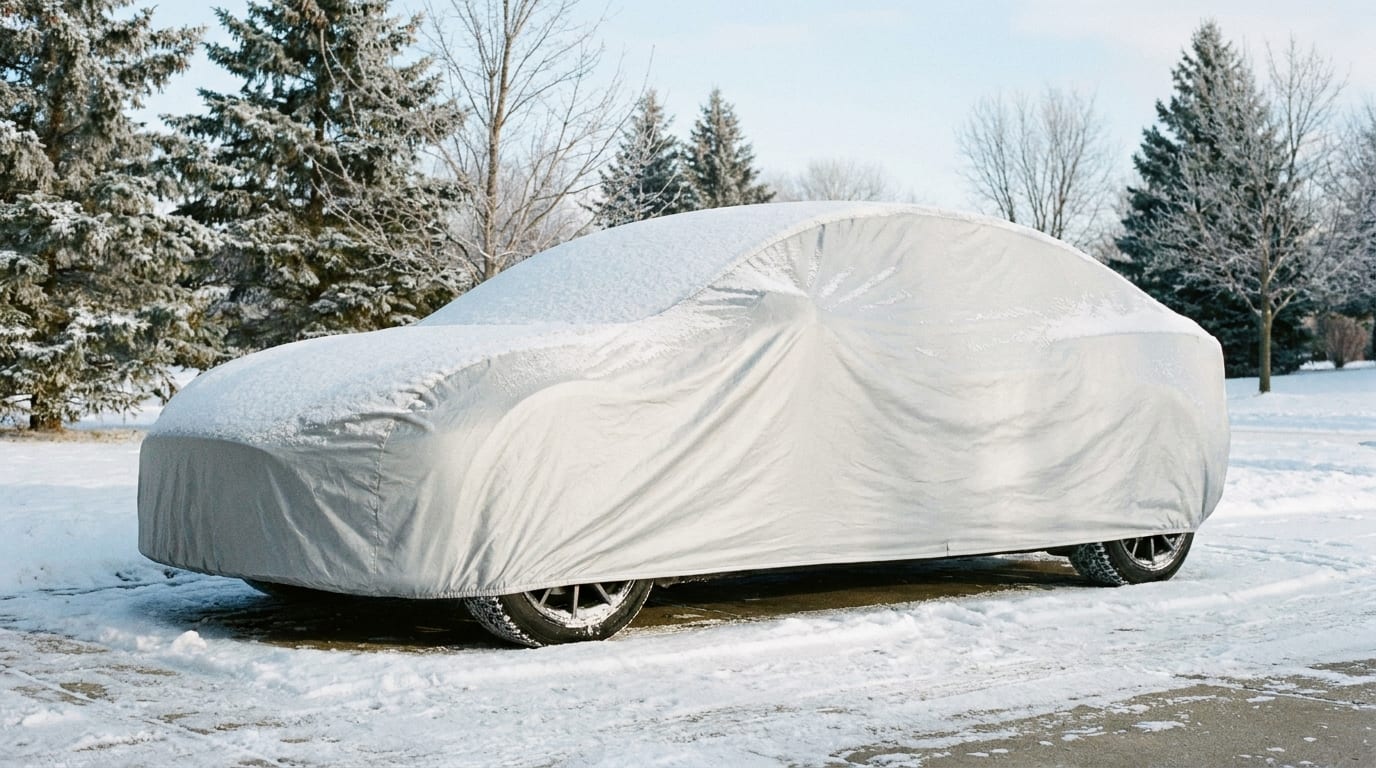
A car cover for ski resort parking isn't about babying your vehicle. It's a quick, cheap way to handle a specific set of risks that pile up fast at altitude: snow load, road salt, UV that's stronger than you'd guess at 9,000 feet, dings from other people's gear, and sap dripping off the pines ringing half these lots. None of it replaces common sense. Park away from the cart corral, avoid the spot under the biggest tree, and a cover does the rest.
What Makes Ski Resort Parking So Hard on Vehicles

Start with the snow itself. A few inches overnight doesn't sound like much until it's sitting on your hood for ten hours, trapping moisture against the paint the whole time. That moisture doesn't just sit there either. It refreezes, thaws, refreezes again, and that cycle is exactly what chews through clear coat over a season.
Then there's the salt. Resort access roads get hit hard with salt and magnesium chloride de-icer, and it doesn't stay on the road. It gets tracked into the lot on tires, kicked up as slush, and left to sit against your paint and trim overnight. Road salt is corrosive. That's not a maybe.
UV is the one people miss. Cold weather feels like the opposite of sun damage, but altitude strips away a chunk of the atmosphere that normally filters UV radiation, and snowfields reflect what's left right back at your car. You're getting hit from two directions. Paint fades, rubber seals dry out and crack, and it happens even when it's 20 degrees out.
Add in the physical stuff: ski racks swinging into your door, a loaded roof box bumping your mirror, someone's snowboard grazing your fender on the way to the lift line. Resort lots are tight and everyone's in a hurry to get on the slopes. And if you're parked under conifers, which a lot of mountain lots are, pine sap drops onto paint and etches in if it sits overnight, especially once the sun starts working on it.
What to Look for in a Cover for Resort and Mountain Parking
Not every cover is built for this. You want something waterproof but still breathable, so snowmelt doesn't get sealed in against the paint and refreeze there, which is almost worse than no cover at all. Look for reinforced grommets and strap points too. Wind at elevation gusts harder and more often than people expect, and a cover that isn't anchored down is just a very expensive kite.
A soft inner lining matters more here than it would in a mild climate. Freeze-thaw cycles make fabric stiffer, and stiff fabric rubbing against paint in the wind can leave fine scratches over a season of trips. And don't assume cold weather means you can skip UV protection. You need materials rated to handle reflected glare off snow, not just a summer's worth of direct sun. The guide to using a car cover outdoors covers how these factors interact in more detail if you want the full breakdown before you buy.
If you're shopping specifically, a waterproof car cover built for outdoor use checks most of these boxes already.
Open Lot vs. Covered Parking Structure: Does It Change What You Need?
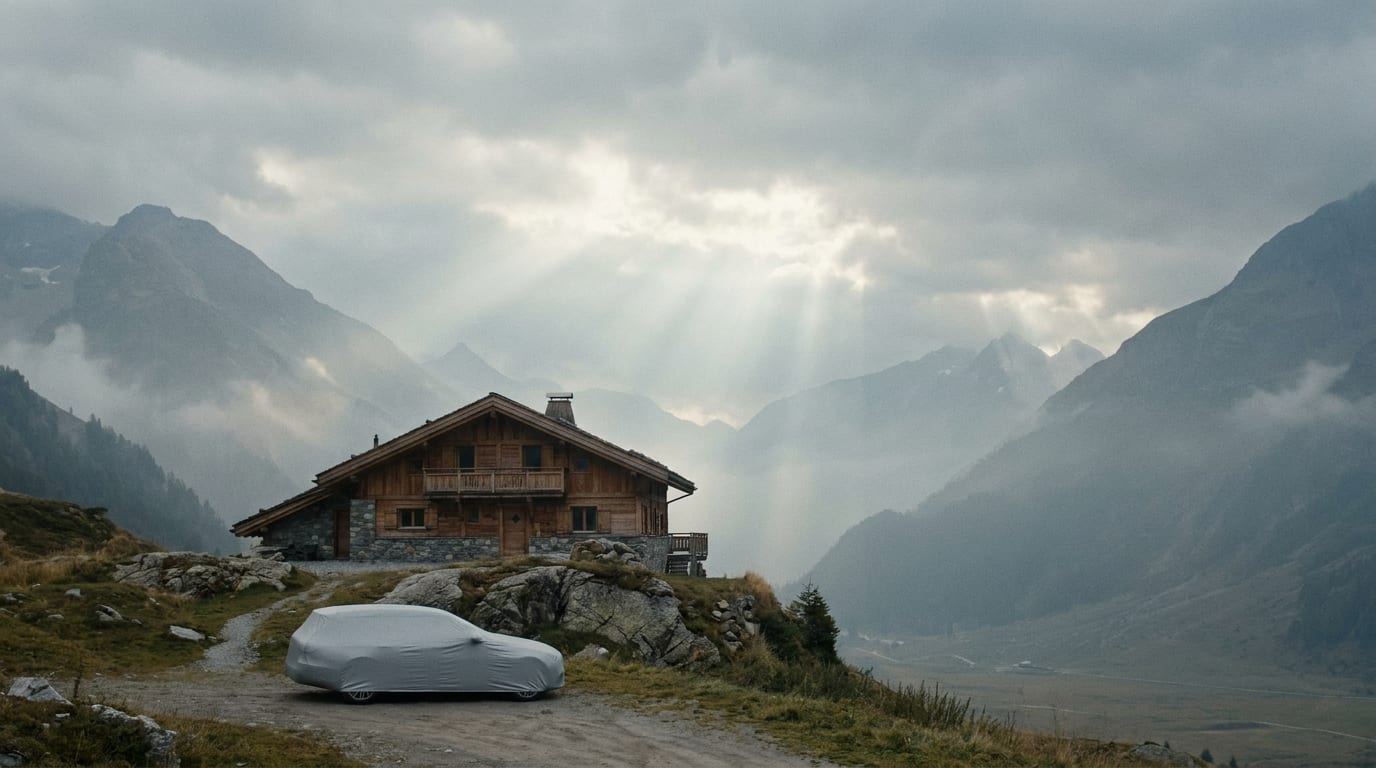
Most resorts put you in an open surface lot, full stop. That means full exposure to snow, wind, and UV, and it calls for a true outdoor car cover rated for all three.
Some resorts do offer covered structures, and if you luck into one, your needs shift. You're not dealing with snow load or direct sun anymore, but you're still getting drips off other cars, salt tracked in on tires, and a layer of dust and grime. A lighter-duty cover, closer to what you'd use for an indoor car cover setup, can usually handle that without overkill.
Trip length matters too. A single day trip might not justify breaking out a full cover every time, and plenty of people skip it for a quick morning run. But stack up a few multi-day weekends over a season, with the car sitting exposed for 24 to 48 hours at a stretch each time, and the math changes. That's when a car cover for ski resort parking stops being optional and starts being the thing that keeps your clear coat looking decent by April.
Putting the Cover On and Taking It Off in Cold, Snowy Conditions
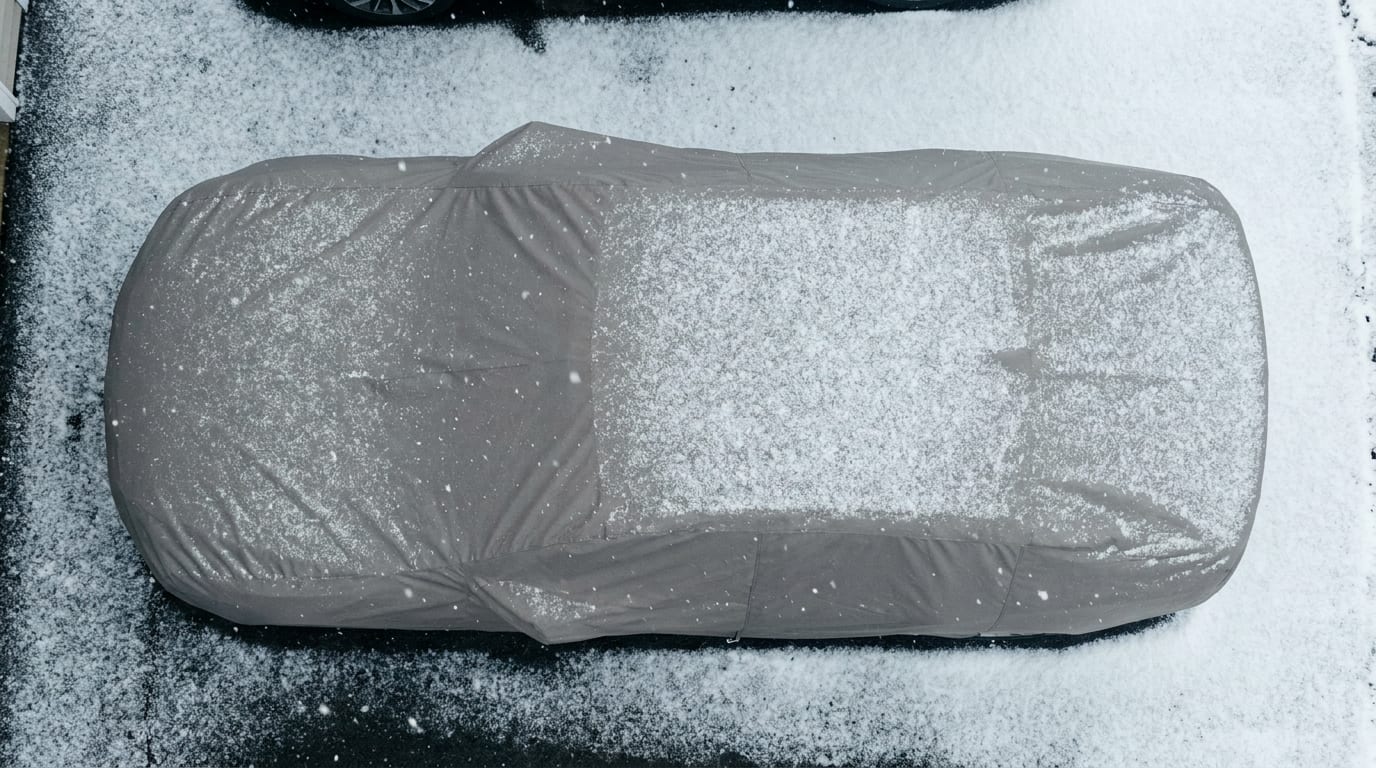
Don't just throw the cover over a car that's already got snow sitting on it. Brush or shake it off first. Otherwise you're trapping snow between the paint and the cover, which defeats the point entirely.
Cold fabric stiffens up, too, and a cover that folds easily in your garage in October can feel like cardboard in a parking lot at 15 degrees in January. Practice folding and fitting it at home before the season starts. You want this to be a two-minute job in the lot, not a wrestling match while your hands go numb. The simple guide to installing a car cover is worth running through once before your first trip.
Once it's on, secure it. Mountain parking lots catch wind that flat-ground lots just don't, and a cover that's not strapped down will work itself loose by the time you're back from the lift. Wind straps are cheap insurance against coming back to a cover halfway across the lot. Check the fit around mirrors and the antenna too. Those are the spots where wind finds a gap and starts peeling the whole thing back.
Caring for the Cover After a Day on the Mountain
The cover did its job. Now don't skip the part where you take care of it. Rinse off any salt or de-icer residue before you fold it up, because leaving that residue against the fabric is a good way to transfer corrosion-causing grime onto your paint the next time you use it.
Dry it fully, too, before it goes back in the trunk or the storage bag. A damp cover folded away for the drive home is how mildew shows up two trips later. If you want a repeatable routine instead of winging it every time, the step-by-step guide to cleaning a car cover lays out exactly what to rinse, how to dry it, and how to store it so it's ready for the next outing instead of sitting in a bag getting worse.
Choosing the Right Cover Before Your Next Trip
Match the cover to how you actually use the car. An occasional day-trip skier doesn't need the same setup as someone running the same mountain every weekend from December through March. Vehicle size matters just as much as fit, and an ill-fitting cover flaps in the wind and lets snow and moisture in around the edges anyway. If you're not sure what size you need, the car cover sizing guide walks through it by vehicle type, whether you're covering a sedan or something bigger.
Check the warranty before you buy, too. A cover getting used regularly in salt, snow, and reflected UV glare is working harder than one sitting in a dry garage three seasons a year, and it should be backed accordingly. CarCovers backs its covers with a lifetime warranty, which is worth knowing about if you're buying something you plan to use every weekend all winter.
Whether you're protecting a sedan, an SUV, or anything in between, start with the car cover category page and narrow down from there, or just run your plate or vehicle details through the cover finder tool to land on the right match before the season gets going instead of scrambling the morning of your first trip.
If you're planning more than one trip to the mountains this winter, it's worth bookmarking our other seasonal car care guides and checking back before your next drive up. A few minutes of prep now saves a lot of paint correction later.