Articles Seasonal & Weather Car Care Tips
Best Car Cover for Beach Parking: Protecting Your Car From Salt, Sun, and Sand
Published
Why Beach Parking Is Brutal on Your Car's Exterior
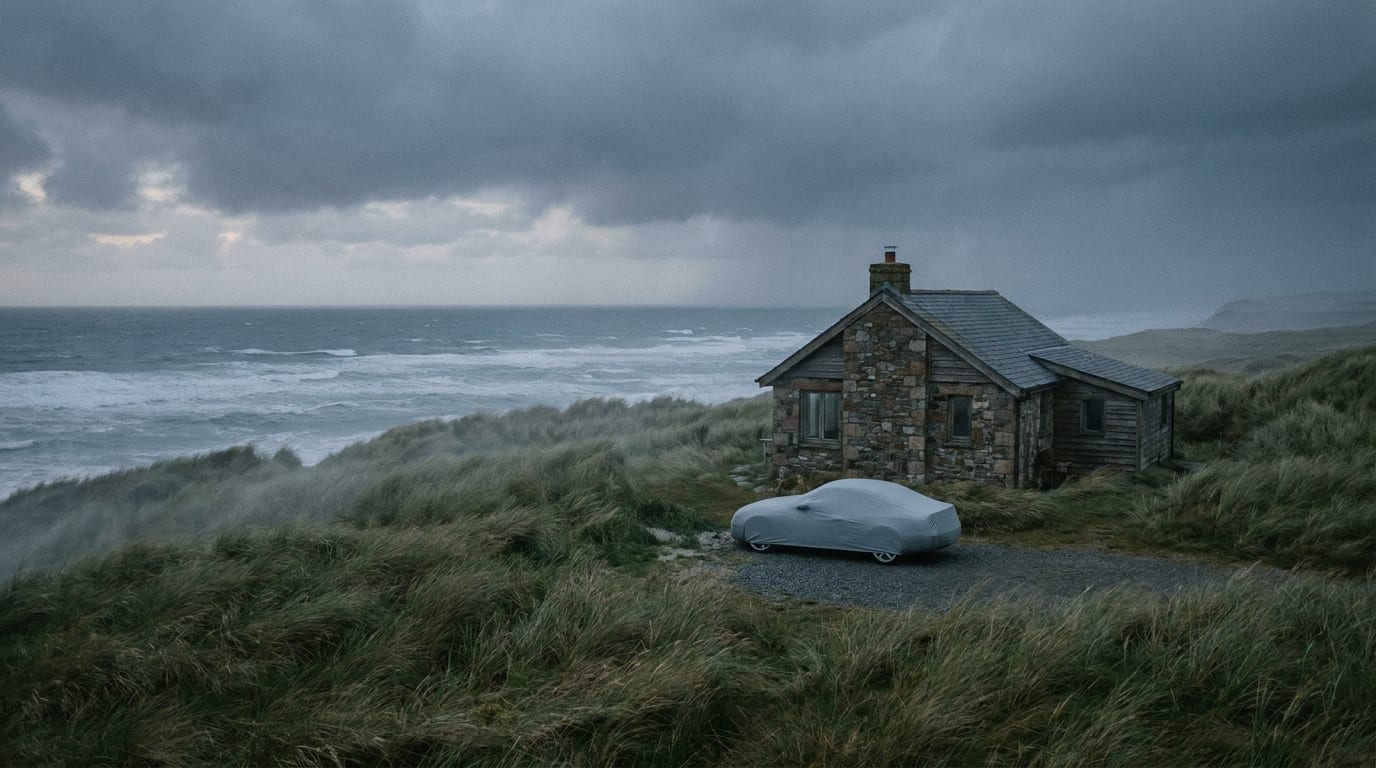
Park a car near the ocean and three things start working against it at once: salty air, relentless UV, and sand getting kicked around by wind. Any one of those on its own is manageable. Together, they wear through paint and trim faster than most owners expect. A car that sits a few blocks from the shore can show pitting, fading, and corrosion in a fraction of the time it'd take somewhere inland.
That's the real case for a dedicated car cover for beach parking. A basic cover meant for a suburban driveway isn't built to handle salt air and grit day after day. If you're parking near sand regularly, whether it's a daily beach commute or a weekend house near the coast, it pays to know exactly what you're up against and what kind of cover actually holds up to it.
Salt Air, Humidity, and Corrosion Risks

Salt doesn't need direct ocean spray to reach your car. It travels in the air, settles on painted surfaces, chrome trim, and exposed metal, and starts the oxidation process almost immediately. Wheel wells and undercarriage edges take the worst of it since they're closer to road spray and slower to dry out.
Humidity makes it worse. Coastal air holds moisture longer than inland air does, so instead of evaporating quickly, that salty film just sits there working on the clear coat. This is exactly why breathability matters as much as waterproofing in a cover. A fully sealed, non-breathable cover can trap humid, salty air right against the paint, which defeats the purpose of covering the car in the first place.
If you leave a cover on for days without airing the car out, and the fabric isn't a breathable, multi-layer material, you're basically sealing moisture in instead of keeping it out. Check out this guide to waterproof fabrics if you want to understand how breathable, water-resistant layers are actually engineered to let vapor escape while still blocking rain and spray.
Sun and UV Exposure Near the Coast
Beachfront parking lots rarely have much shade. You get hours of direct sun plus glare bouncing off water and light-colored sand, which adds up to more total UV exposure than a shaded inland spot ever sees.
That kind of exposure fades paint over time, cracks dashboards and interior plastic, and dries out rubber seals until they get brittle and start leaking. None of that happens overnight, but it compounds fast with daily beach parking. A cover with a UV-resistant outer layer cuts down how much of that solar load actually reaches the car's surface, which is a big part of why outdoor car covers are built with UV blocking as a core feature rather than an afterthought.
Sand, Wind, and Abrasion Damage
Wind-blown sand is abrasive. Over repeated exposure, it acts almost like fine sandpaper against paint and glass, especially on the hood, mirrors, and windshield where it hits hardest. You won't notice it after one trip. You will notice it after a season of regular beach parking.
Here's the part people don't think about: a loose cover can do its own damage. Strong coastal wind gets under slack fabric and shifts it around, and that movement rubs the cover against the paint repeatedly, creating the exact swirl marks and fine scratches you bought the cover to prevent. So secure fastening isn't a nice-to-have for beach parking, it's essential. Straps, grommets, or a cable lock system keep the cover anchored instead of flapping and grinding against the finish.
What to Look for in a Car Cover for Beach Parking
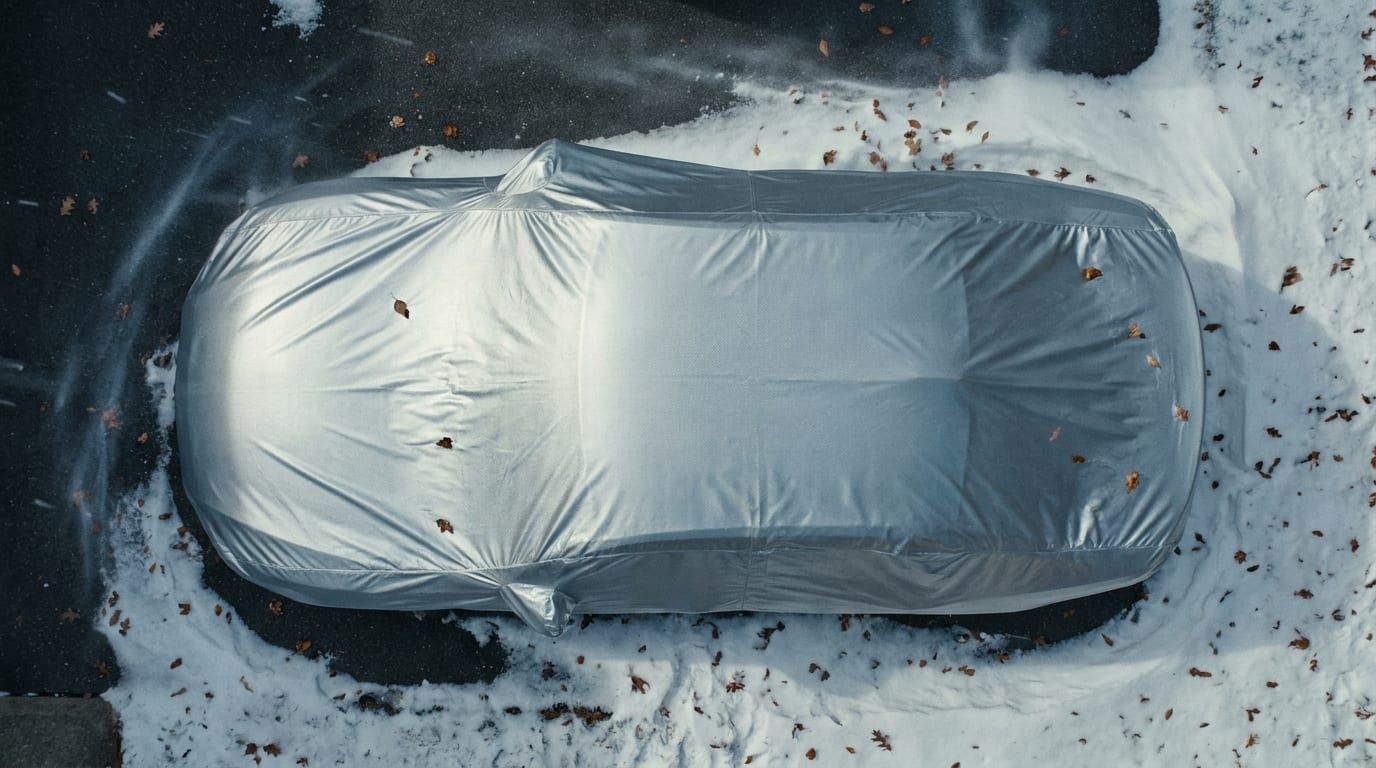
Not every cover is built for this kind of punishment. For a car cover for beach parking to actually earn its keep, it needs a few things working together, not just one.
Start with a waterproof or water-resistant outer shell paired with a breathable inner layer, since you need protection from both rain and trapped humidity. Add a UV-blocking treatment on top of that, since untreated fabric degrades under constant sun almost as fast as the paint underneath it would. Reinforced seams matter too, especially around high-stress points like mirror pockets and antenna cutouts, because that's where cheaper covers tend to fail first. The waterproof car cover guide breaks down which fabric constructions actually hold up outdoors versus which ones just claim to.
Fit matters more at the beach than almost anywhere else. A universal, one-size-fits-most cover leaves slack, and slack is exactly what coastal wind exploits. A snug, model-specific fit (see this vehicle size and fit guide if you're not sure what you need) keeps the fabric tight against the body instead of billowing and flapping. Pair that with an elastic hem or a strap system rated for gusty conditions, not just light breeze. This guide to using a car cover outdoors covers wind, UV, and waterproofing together if you want the full picture before you buy.
Installation and Maintenance Tips for Beach-Parked Cars

Owning the right cover is half the job. Using it correctly is the other half.
Rinse the cover periodically to get rid of accumulated salt residue before it has a chance to transfer onto the paint underneath. Salt crystals left sitting in the fabric don't just sit there, they can work their way through to the surface over time, especially in a tight-fitting cover.
Installation order matters too. Clean the car and let it dry fully before covering it, since sand and grit trapped underneath a cover will grind against the paint every time the fabric shifts, which is the opposite of what you want. Once it's on, secure the straps properly so wind can't work the cover loose overnight.
And don't forget the cover itself needs care. Salt buildup degrades fabric coatings the same way it degrades paint, just slower. A regular cleaning routine for the cover extends its usable life significantly, and it's a lot cheaper than replacing a cover that's gone stiff and cracked from built-up salt.
Choosing the Right Cover and Next Steps
Beach parking isn't a casual-use scenario. It calls for an outdoor-rated cover that's genuinely water-resistant, UV-blocking, and snug enough to stay put in coastal wind, not a basic dust cover meant for a garage. If you're weighing whether a cover is worth it at all for your situation, this rundown on why a car cover matters lays out the practical case plainly.
Start with the outdoor car cover collection and use the fit guide to narrow down the right size for your specific vehicle. Covers built for this kind of exposure typically come backed by a lifetime warranty, which is worth checking before you commit, since coastal conditions will test a cover's materials harder than almost any other climate.
If you're heading to the coast for a season or just moved somewhere salty, it's worth taking ten minutes to compare your options before your car pays the price for going uncovered.