Articles Seasonal & Weather Car Care Tips
Best Car Cover for North Carolina Pollen Season: What Actually Protects Your Paint
Published
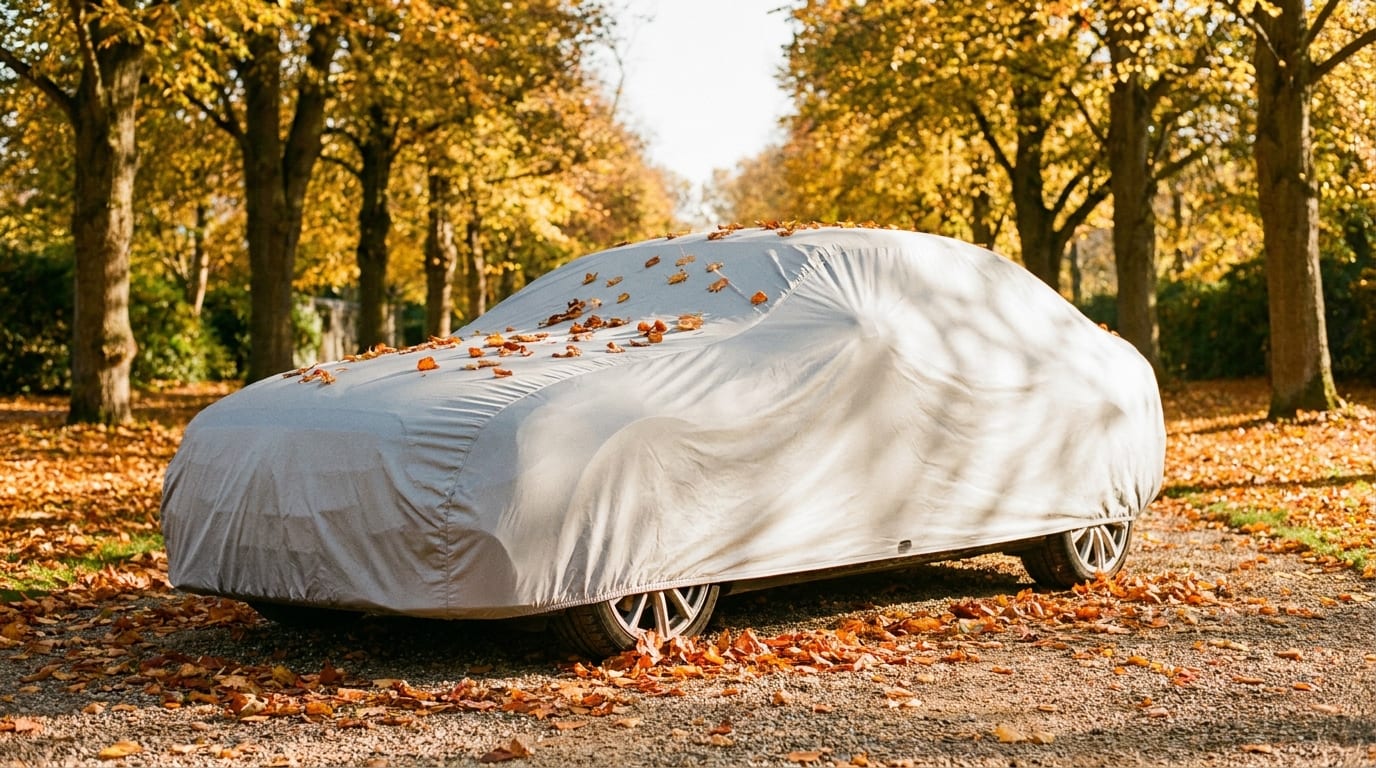
If you've lived in Raleigh, Durham, or Chapel Hill through April, you know the drill. Your black car turns yellow-green overnight. Your porch, your windshield, your patio furniture, all of it coated in a fine dusting that looks almost pretty until you realize it's slowly eating into your clear coat. Finding the best car cover for North Carolina pollen season isn't a nice-to-have around here. It's basic paint insurance for about ten weeks a year.
Why North Carolina Pollen Season Is Different
The Triangle and the greater Piedmont region routinely rank among the worst spots in the country for pollen counts, and it's not just one tree causing the trouble. Loblolly and longleaf pines kick things off, oak follows close behind, and sweetgum piles on before the first two have even finished. The waves overlap instead of taking turns, which means there's rarely a clean break between them.
Peak season runs roughly March through May, with that thick yellow-green pine coating hitting hardest in April. Locals call it a "pollen tsunami" for a reason. It's not subtle. You can watch it accumulate in real time on a parked car.
Here's the thing most people miss: a cover bought for generic weather protection, something rated for rain or sun in a mild climate, wasn't designed for this specific combination. Heavy pollen load, high humidity, and sudden spring thunderstorms all hitting at once is a particular kind of stress test, and not every cover passes it.
What Pollen Actually Does to a Car's Finish
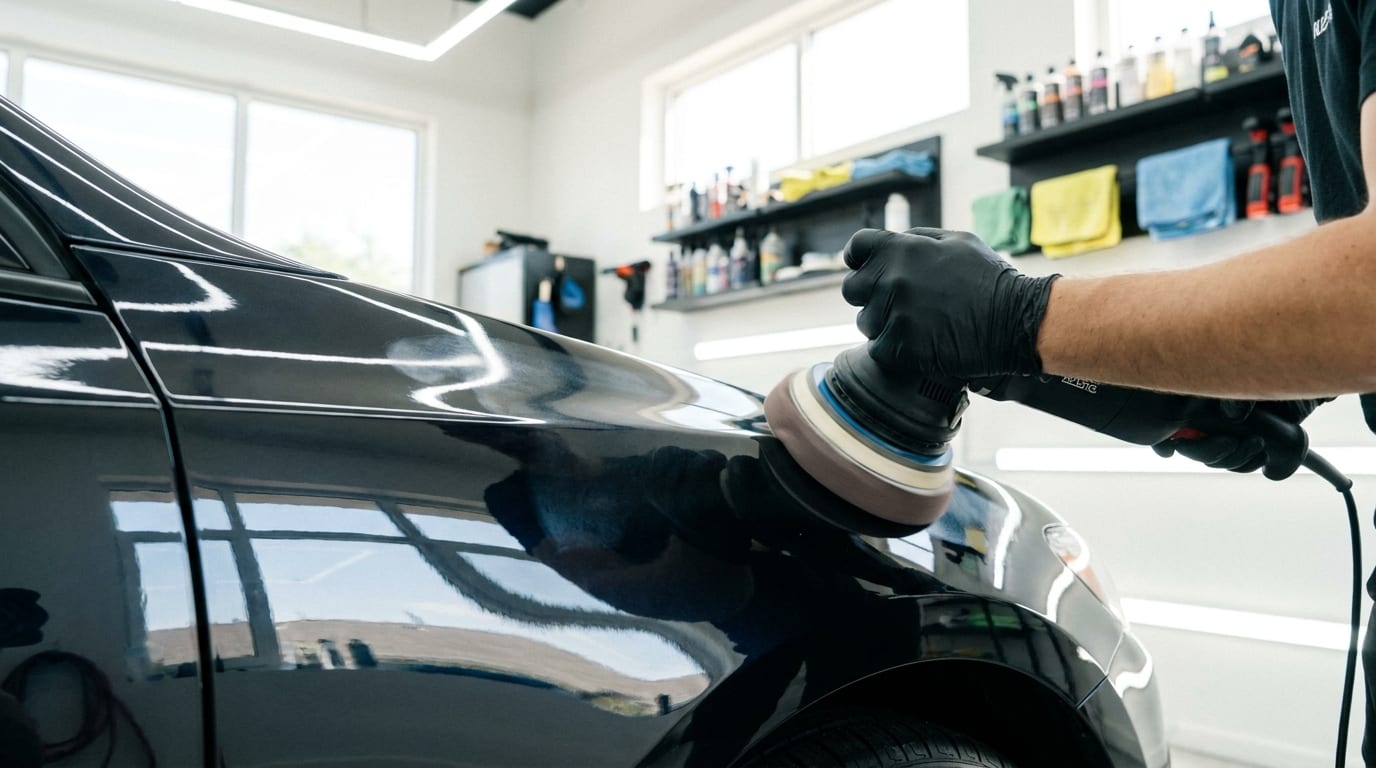
Pine and oak pollen grains aren't just dust. They're coated in sticky resins and proteins, and once morning dew or humidity gets at them, that coating activates and bonds to your clear coat. It's not sitting on top anymore. It's attached.
Leave it there through a few heat cycles, sun baking it on during the day and cooling it overnight, and you get something closer to etching than surface grime. Clear coat damage from pollen builds slowly, which is exactly why it's easy to ignore until the paint looks dull in a way that won't buff out.
The instinct to wipe it off with a dry rag makes it worse. Pollen grains are gritty at a microscopic level, and dragging that grit across paint with a cloth is basically sanding it, just gently and repeatedly over months. A cover sidesteps the whole problem. Instead of cleaning pollen off your paint every few days, you're just rinsing it off a layer of fabric that was built to take the hit.
What to Look for in a Cover for Heavy Pollen Exposure
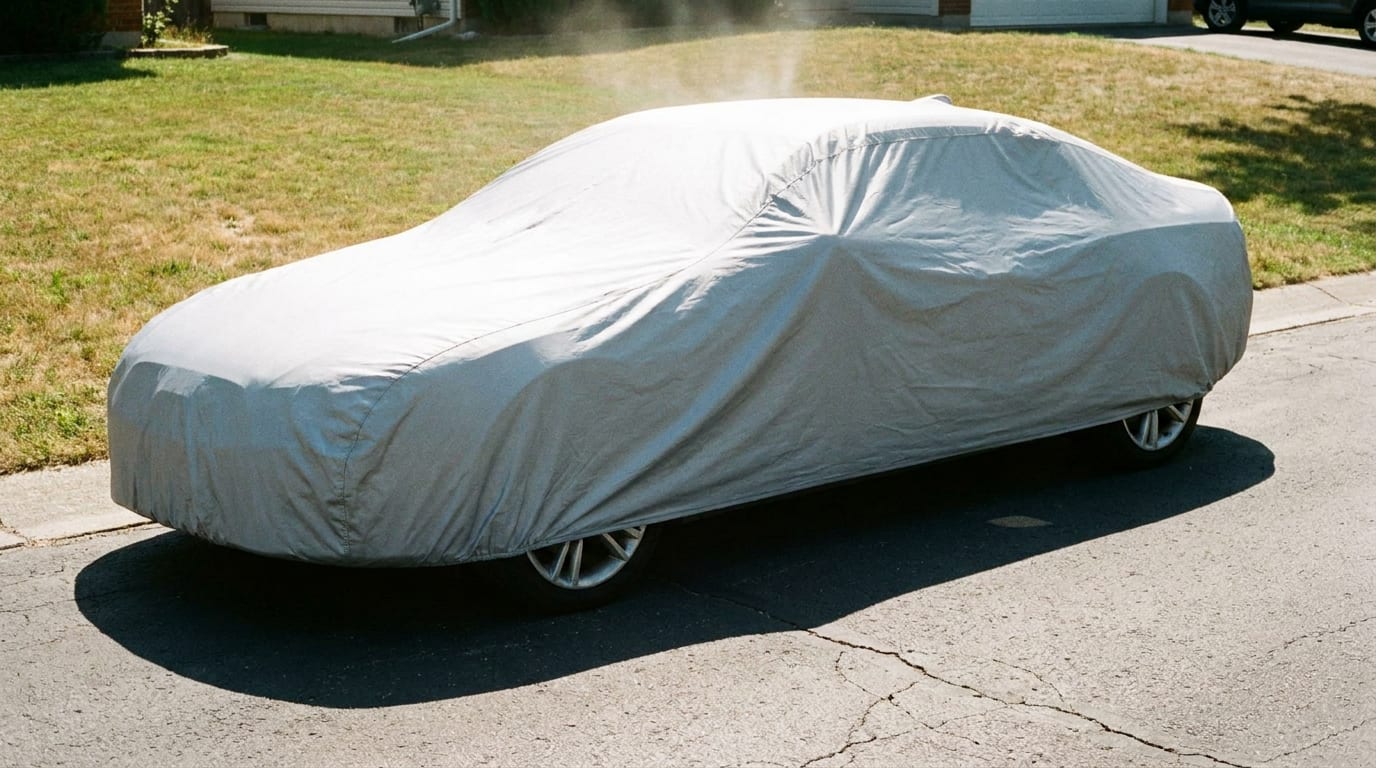
Not all covers handle fine particulate the same way. A few things actually matter here.
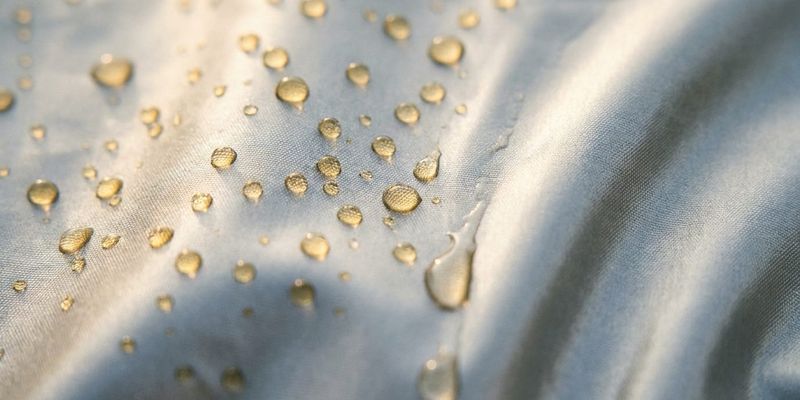
Tight-weave, multi-layer fabric is the baseline. Loose-weave or single-layer economy covers let fine pollen grains work their way through to the paint underneath, which defeats the purpose. You want something dense enough that pollen stays on the outside layer, full stop.
Breathability matters just as much, and it's counterintuitive to people who assume "more sealed" is always better. NC humidity plus trapped pollen residue under a non-breathable vinyl cover turns into a paste. That paste sits against your paint all night. A cover that breathes lets moisture escape instead of pooling.
A soft inner layer is the detail people skip and then regret. Wind shifts a cover slightly even when it's secured, and if the inside is rough, it's rubbing pollen grit against your clear coat every time that happens. Soft fleece-style lining prevents that friction entirely.
UV resistance rounds it out. NC spring sun is intense, and pollen season demands the cover go on and come off daily, sometimes twice. A cover without UV treatment degrades fast right when you're relying on it most. For a full rundown on what separates a durable outdoor fabric from one that'll crack by June, the outdoor car covers guide breaks down the material differences in more detail.
Fit, Straps, and Storm-Readiness for Spring Weather
Pollen season and thunderstorm season overlap almost exactly in North Carolina, so a cover has to do two jobs at once. A secure elastic hem and a real strap-and-buckle system keep the cover from blowing loose in a sudden gust, which matters because a cover that shifts even a little lets both rain and pollen underneath.
Fit matters more here than people expect. A loose, flapping cover works pollen into the gaps around mirrors and the grille instead of sealing it out, basically defeating the entire investment. Custom or semi-custom fit closes those gaps. If you're not sure what that means for your specific car, the sizing guide walks through how to measure before you buy instead of guessing and hoping.
For readers dealing with exposed, windy parking spots, a few extra tie-down points go a long way. Five ways to keep a car cover from blowing away covers that specifically, and it's worth a look if your driveway catches wind off open ground.
Keeping the Cover Itself Clean Through Pollen Season
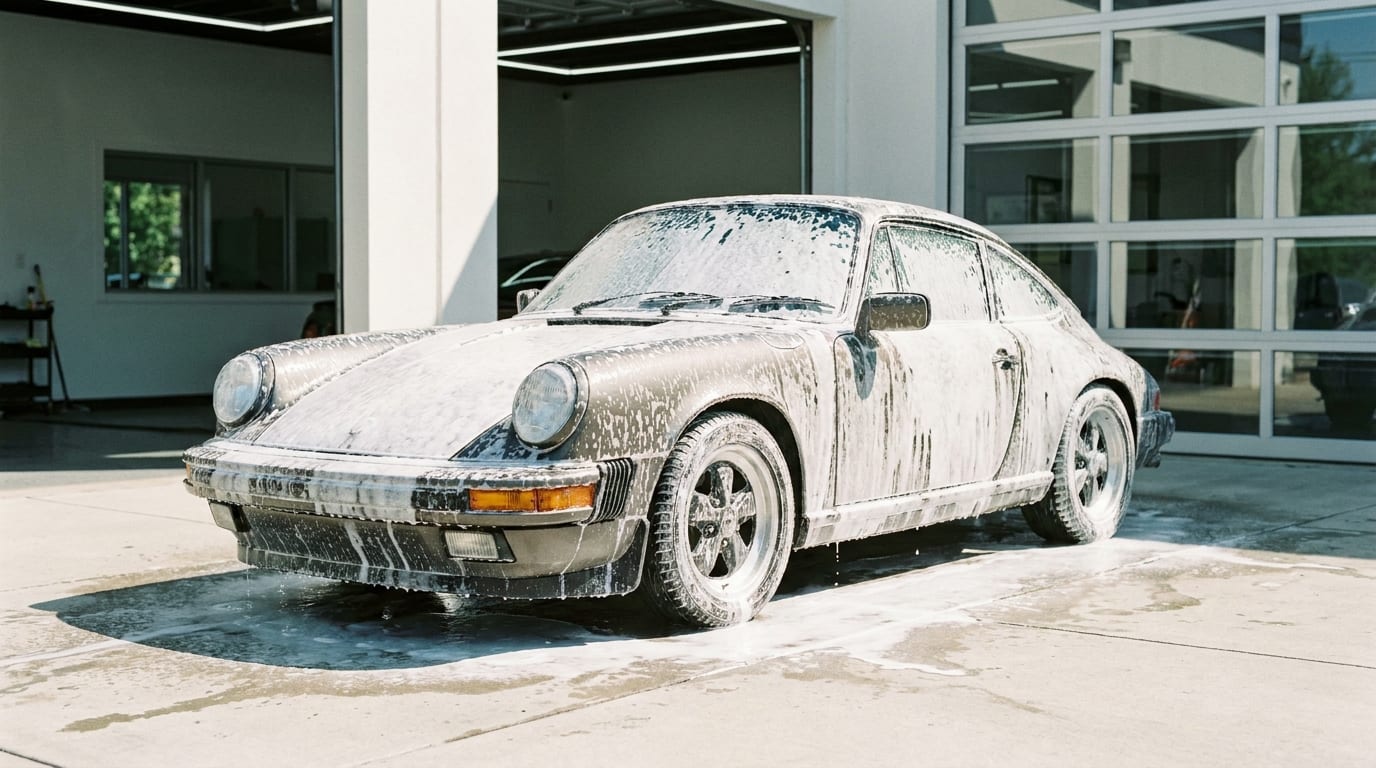
The cover is doing its job by catching pollen, which means pollen builds up on the outer layer fast. Leave it there too long and you're just transferring residue back onto the car, or onto your hands and clothes, every time you pull the cover off.
A simple routine handles it: hose it down, brush off the heavier buildup, let it air dry. Do this every couple of weeks during peak weeks, which in most of NC means April gets the most attention. It takes ten minutes and it's a lot less work than correcting etched clear coat later.
One thing to watch for: a wet cover with pollen sitting on it for days is a mildew risk, and NC's humid spring doesn't help. Don't fold it up damp and toss it in the trunk. If you want a proper step-by-step, this guide to cleaning a car cover covers the right process without damaging the fabric, and the cover care basics page is a good quick reference too.
Daily-Use Habits That Make the Cover More Effective
Even the best car cover for North Carolina pollen season only works if you use it right. Cover the car as soon as you park it for the day, not after it's already sat under a tree for a few hours collecting a yellow film. Once pollen's on the paint, the cover's just sealing in the problem instead of preventing it.
Small habit, but it matters: install and remove the cover from the same direction every time. Dragging it the opposite way across the hood or windshield just drags accumulated pollen along with it, scratching exactly the surfaces you're trying to protect.
Technique at the edges counts too. A cover that's thrown on carelessly won't seal the way it's designed to, and pollen finds every gap. The installation guide is worth ten minutes if you've never really thought about the order you put a cover on in. Same goes for anyone working with support poles or a cable lock setup, the full installation guides library has specifics for different cover types.
Finding the Right Outdoor Cover for Your Vehicle
There's no single "best" cover that wins for everyone in every driveway. What actually works for NC pollen season is matching a breathable, tight-weave, UV-resistant outdoor fabric to a cover that actually fits your car, with straps that hold up when a spring storm rolls through. Get those two things right and the rest takes care of itself.
If you're still sorting through fabric options or want general car care tips for the season, that's a good place to start before you commit to a specific cover.
One last thing worth remembering: pollen season ends in May, but the damage it causes doesn't reverse itself. Clear coat that's been etched over a season stays etched. A good cover is an annual investment against a problem that comes back every single spring, not a one-time fix. Worth browsing a few options now, before the pines really get going.